How to Keep Up with School Work: Effective Strategies for Students
Keeping up with school work requires a consistent approach to time management, organization, and focus. To stay on top of assignments and deadlines, students should create a realistic schedule, break tasks into manageable parts, and prioritize their workload effectively. This proactive strategy prevents last-minute stress and helps maintain steady progress throughout the term.
Many students struggle because distractions, workload, and procrastination make keeping up feel overwhelming. By building strong study habits and using tools like planners or apps, students can create an environment conducive to learning and completion of tasks. This leads to better retention of material and less anxiety over falling behind.
This article will explore practical techniques such as time management strategies, setting priorities, improving concentration, and maintaining motivation. We will also compare different organizational methods and offer clear advice to create a personalized system that helps any student keep up with school work efficiently.
Planning and Time Management Techniques

Creating a Realistic Study Schedule
Formulating a study schedule involves allotting specific blocks of time for each subject or task based on its deadline and difficulty. Avoid overloading any single day to maintain balance and regular study habits. Consistency helps prevent cramming before exams and last-minute rushing on assignments.
Using digital calendars or paper planners to mark all due dates, quizzes, and exams provides a visual overview. This helps in adjusting priorities and making sure no deadline is overlooked, which is crucial for how to keep up with school work.
- Allocate blocks for study and breaks
- Adjust plan weekly based on progress
- Include buffer time before deadlines
Prioritizing Tasks Effectively
Not all assignments hold equal importance or difficulty. Prioritize tasks by deadline urgency and complexity to focus energy where it’s most needed. Tackling challenging subjects first often increases efficiency and motivation by freeing mental resources.
Keep a running list that ranks tasks and review it daily. Crossing off completed tasks provides a sense of achievement that fuels further productivity.
- Use a priority matrix or list
- Tackle high-impact tasks first
- Rearrange tasks as new assignments arrive
Improving Concentration and Minimizing Distractions

Creating a Productive Study Environment
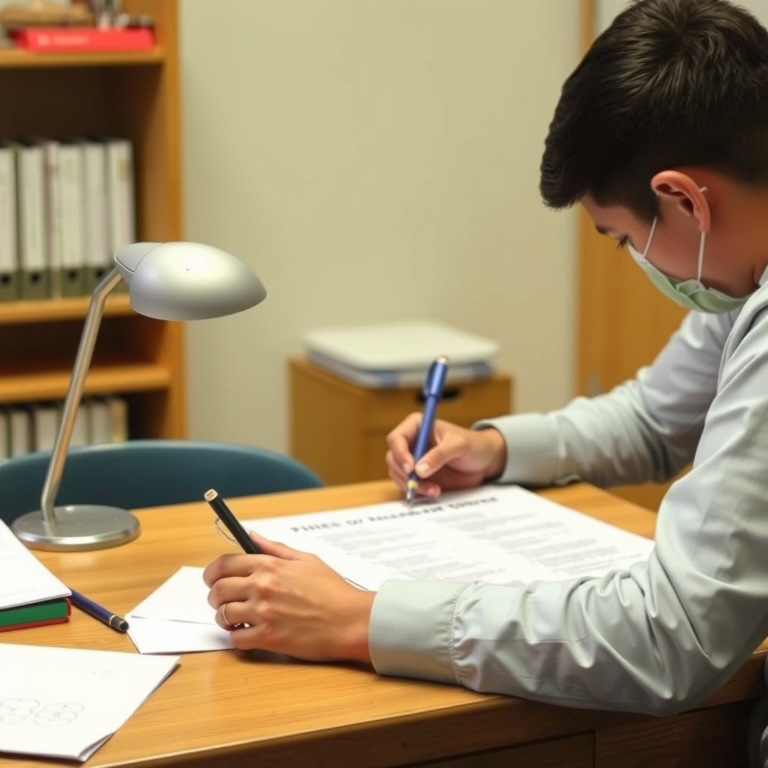
A clutter-free, well-lit space dedicated to study can enhance focus significantly. Removing gadgets or notifications that might interrupt concentration helps sustain longer periods of productive work.
Some students benefit from using noise-cancelling headphones or ambient background music to mask distractions. Establishing a regular place to study signals the brain to switch into work mode.
- Use ergonomic furniture
- Keep study materials organized
- Limit phone and social media usage
For more on this, see our related guide: How to Get Effective Math Homework Help Fast and Easily.
Techniques to Boost Focus
Methods such as the Pomodoro Technique—working intently for 25 minutes followed by a 5-minute break—can prevent burnout and maintain attention. Mindfulness exercises before studying also calm the mind and increase retention.
Setting specific small goals for each session encourages progress and reduces overwhelm, making the task of keeping up with school work less intimidating.
- Use timers to segment study time
- Practice short meditation or breathing exercises
- Set clear session goals
Effective Study Habits for Long-Term Success

Active Learning Strategies
Engaging with material through summarizing, questioning, or teaching others enhances understanding and recall. Passive reading or re-reading rarely yields deep knowledge retention.
Using tools like flashcards, concept maps, and practice tests reinforces content and reveals weak areas that need extra attention.
- Summarize notes in your own words
- Form study groups for discussion
- Use self-quizzing regularly
Balancing Study with Rest and Recreation
Avoiding exhaustion by scheduling downtime and hobbies is essential for sustained motivation. Sleep plays a major role in memory consolidation, so maintaining healthy sleep habits supports academic success.
Short physical activity breaks during study sessions boost mental alertness and decrease stress, making it easier to keep pace with school assignments over the long haul.
- Aim for 7-9 hours of sleep nightly
- Include regular exercise or walks
- Schedule social and leisure activities
Using Technology and Resources Wisely

Apps and Tools for Staying Organized
Numerous apps help manage assignments, deadlines, and notes digitally. Tools like Todoist, Google Calendar, or Trello provide reminders and easy access to schedules on phones or computers.
Some platforms also allow collaboration with classmates, making group projects and study sessions smoother and more organized.
- Use digital to-do lists with notifications
- Sync calendars across devices
- Share notes or files through cloud services
For more on this, see our related guide: Effective Homework Help Tips for Students in Doral FL.
Accessing Support and Guidance
Many educational websites and forums offer explanations, tutorials, and practice problems beyond textbooks. Reaching out to teachers or tutors when struggling can prevent gaps from widening.
Forming or joining study groups provides peer support which is especially helpful for challenging subjects and keeping motivation high.
- Use Khan Academy or similar sites for extra help
- Seek help during office hours or tutoring sessions
- Join or create peer study groups
Motivation and Mindset for Academic Persistence

Setting Clear Goals and Rewards
Defining short- and long-term academic goals keeps study efforts purposeful. Linking tasks with rewarding experiences after completion builds positive reinforcement that encourages regular effort.
Whether achieving a certain grade or finishing all homework early, measurable goals provide motivation to maintain school work consistently.
- Break large goals into smaller milestones
- Celebrate achievements with small rewards
- Track progress visibly
For further reading on proven methods, explore this comprehensive article on effective study techniques. effective study techniques.
Building Resilience Against Setbacks
Accepting that mistakes and occasional slips happen prevents discouragement. Reflecting on what went wrong and adjusting strategies allows students to learn without losing momentum.
Maintaining a growth mindset—believing effort improves ability—helps sustain motivation through tougher periods of the school year.
- Reflect constructively on challenges
- Avoid negative self-talk
- Stay focused on incremental progress
Comparison of Common Organizational Systems for School Work
Different organizational methods suit various learning styles and preferences. Here’s how popular systems compare for keeping up with school work.
| System | Ease of Use | Customization | Collaboration Features | Best For |
|---|---|---|---|---|
| Paper Planner | High | Moderate | Low | Students who prefer analog |
| Digital Calendar (e.g., Google Calendar) | Moderate | High | High | Tech-savvy students and group projects |
| Task Management Apps (e.g., Trello, Todoist) | Moderate | High | High | Students managing multiple deadlines |
| Bullet Journaling | Low | Very High | Low | Creative students who customize heavily |
| School Portal or LMS | Varies | Low | Moderate | Students using school-assigned platforms |
Frequently Asked Questions
How can I avoid procrastination when keeping up with school work?
Breaking tasks into smaller, manageable parts and setting specific short-term goals helps reduce procrastination. Using techniques like the Pomodoro method also maintains focus and reduces the urge to delay work.
Is it better to study alone or in groups to keep up with school?
Both have benefits: studying alone can boost concentration, while group study allows sharing ideas and support. Mixing both approaches depending on the subject and task improves learning.
How do I balance school work with extracurricular activities?
Prioritize your schedule by deadlines and use efficient time management. Make sure to allocate time for rest and fun activities to avoid burnout, ensuring sustained productivity.
What should I do if I start to fall behind in school work?
Identify the most urgent tasks first and communicate with teachers for extensions or help. Adjust your schedule to focus on catching up without overloading yourself.
How important is sleep for academic performance?
Sleep is critical as it consolidates memory and helps maintain focus. Consistently getting 7-9 hours per night improves retention and overall cognitive function needed to keep up with school work.
Key Takeaways
- Use a planned, prioritized schedule to manage tasks effectively.
- Create a distraction-free environment to boost study focus.
- Regularly apply active learning and healthy study habits.
- Leverage technology and maintain motivation through clear goals.
Conclusion
Managing school work successfully combines practical organization with disciplined habits. By carefully planning your time and setting clear priorities, you build a forward-moving routine that prevents last-minute stress and enhances learning. Maintaining focus in a dedicated study space and using breaks effectively further supports productivity and retention throughout the academic year.
For students aiming to keep up with school work, establishing strong time management with tools like digital calendars or planners helps track assignments reliably. Complement this with active study habits such as summarizing notes and self-quizzing to deepen knowledge. Balancing academic demands with rest, recreation, and peer support ensures sustained motivation and prevents burnout during busy periods.
If you’re looking to improve your approach, start by assessing your current study methods and scheduling habits. Experiment with organizational systems reviewed here to find what fits your style best. Incorporating focused study sessions, clear goal setting, and technology aid can create a personalized, manageable process that keeps you on track and confident all term long.