How to Stay Organized for School: Practical Tips for Academic Success
Staying organized for school means creating habits and systems that help you keep track of assignments, materials, and deadlines with ease. This involves planning ahead, managing your time wisely, and setting up an environment that supports focused study sessions. By staying organized, you reduce stress and improve your ability to meet academic goals consistently.
Most students struggle with juggling classes, homework, and extracurricular activities, which can create chaos without the right organizational approach. Maintaining order in your school life frees up mental space and helps prevent last-minute cramming. It also gives you a clearer picture of your workload, which is essential for balanced daily routines.
This article will explore how to stay organized for school by focusing on time management techniques, effective study habits, organizing physical and digital materials, using the best organization tools for students, and establishing daily routines to maximize productivity.
Managing Time Efficiently
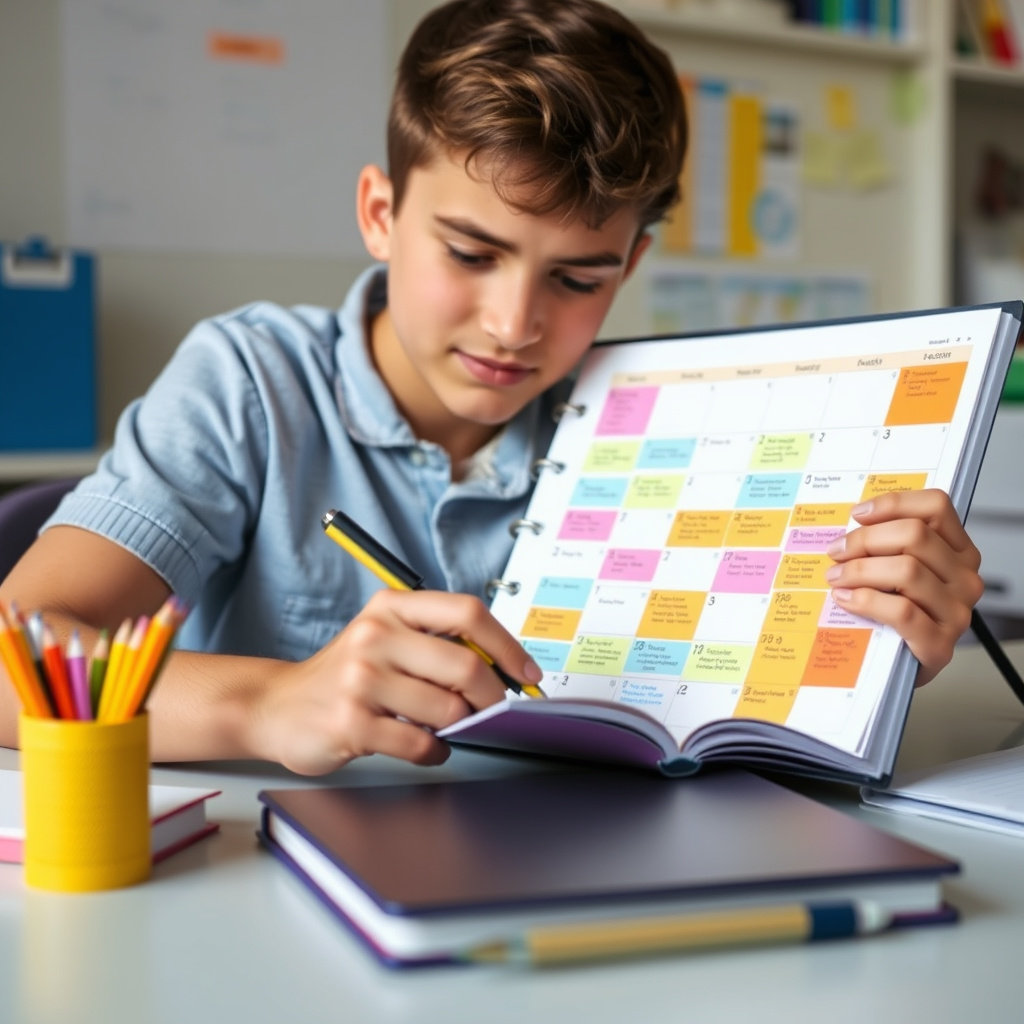
Creating a Weekly Study Schedule
Developing a weekly study schedule is key to staying organized for school. It helps you allocate specific blocks of time for each subject and assignment, avoiding procrastination and last-minute rushes. Use a planner or digital calendar to block study sessions, breaks, and extracurricular commitments.
Scheduling ahead enables you to identify busy days and spread out tougher tasks. Make sure to include buffer times for unexpected events and review periods before tests. Regularly updating your schedule keeps it relevant and effective.
- Use color coding for subjects
- Set reminders for deadlines
- Include break times to recharge
Prioritizing Tasks with To-Do Lists
To-do lists are invaluable for breaking down large projects and remembering daily tasks. Start each day by listing assignments and chores in order of urgency or complexity. Crossing out completed tasks provides a sense of accomplishment and ongoing motivation.
Digital apps or notebooks work well for to-do lists depending on personal preference. Include estimated times for each task to manage your day realistically and avoid overloading.
- Categorize tasks by priority
- Set specific goals for each day
- Review and update lists regularly
Organizing Study Materials

Maintaining Physical Materials
One of the simplest ways to stay organized for school is keeping your physical materials tidy. Use color-coded folders or binders for each subject to separate notes, handouts, and homework. Label everything clearly and file papers immediately after class to avoid buildup.
Keep your study space free of clutter by storing supplies like pens, calculators, and sticky notes in designated containers. A clean environment reduces distractions and helps you locate needed materials quickly.
- Use binders with dividers
- Label folders by subject
- Store frequently used supplies within reach
Managing Digital Files and Notes
Many students rely on digital devices for notes and assignments. Organize by creating separate folders for classes on your computer or cloud storage. Name files clearly with dates and topics to facilitate quick retrieval.
Take advantage of note-taking apps that sync across devices and allow easy searching. Backing up your work prevents loss and keeps your academic materials accessible at all times.
- Use cloud storage solutions
- Create consistent file naming conventions
- Regularly back up your files
Using the Best Organization Tools for Students

Digital Tools to Track Assignments
Apps like Google Calendar, Todoist, and Trello help students organize assignments, deadlines, and study plans in one place. These tools offer reminders, task prioritization, and visual layouts that improve focus and accountability.
Leveraging technology can aid in monitoring progress and adjusting schedules dynamically. Many apps also allow collaboration with classmates for group projects.
- Set recurring reminders for weekly tasks
- Use project boards for multi-step assignments
- Sync calendars with classmates or family
Physical Planners and Stationery Benefits
Some students find physical planners more effective for staying organized for school due to tactile engagement. Writing tasks down can improve memory and commitment to plans.
Highlighters, sticky notes, and bullet journals offer creative ways to prioritize and categorize workloads. Physical tools are useful when screen time needs to be reduced to maintain focus.
- Customize planners with subject tabs
- Use color coding to highlight priorities
- Incorporate motivational quotes to boost morale
Developing Consistent Daily Routines

Morning Preparation Habits
Starting each day with a structured routine helps in staying organized for school by setting a productive tone. Prepare your backpack and outfit the night before, review the day's schedule, and allot time for a healthy breakfast to energize the mind.
A consistent morning routine minimizes last-minute chaos and reduces forgotten items or missed tasks. This predictability aids mental readiness for a focused academic day.
- Check homework and supplies before bed
- Set an alarm with enough time to avoid rushing
- Include a short review of the day's priorities
Evening Review and Planning
End your day by assessing what was accomplished and planning for the next. Updating to-do lists and tidying your study area refreshes your mindset and prevents clutter continuation.
Reflection helps identify any obstacles encountered and adjust strategies. This habit builds resilience and gradually improves overall organization.
- Review completed and pending tasks
- Prepare materials for tomorrow
- Set goals for improvement
Maintaining Motivation and Mental Clarity

Incorporating Breaks and Self-Care
Sustained organization requires mental energy, so incorporating regular breaks into study sessions prevents burnout. Techniques like the Pomodoro method, where you work for 25 minutes and break for 5, boost efficiency.
Self-care practices such as adequate sleep, hydration, and light physical activity maintain focus and cognitive function, all critical for managing academic tasks smoothly.
- Schedule short breaks during study
- Engage in physical activity daily
- Prioritize sleep and nutrition
For additional strategies on staying organized at school, consult trusted educational resources that offer proven methods. school organization tips.
Setting Realistic Goals to Avoid Overwhelm
Setting achievable daily and weekly goals keeps motivation high and prevents feelings of being overwhelmed. Breakd own larger projects into smaller, manageable steps with specific deadlines.
Tracking progress toward these goals offers positive reinforcement and helps maintain steady momentum through challenging periods.
- Divide large assignments into tasks
- Celebrate small achievements
- Adjust goals based on workload
Comparison of Popular Organization Tools for School
Here’s a quick comparison of organization tools that students commonly use to stay on top of their schoolwork and deadlines.
| Tool Type | Platform | Key Features | Cost | Best For |
|---|---|---|---|---|
| Digital Planner App | iOS & Android | Task reminders, calendar sync, collaboration | Free/Paid tiers | Managing assignments and group projects |
| Physical Planner | Paper | Handwritten notes, customization, no distractions | $10–$30 | Visual and tactile learners |
| Note-Taking App | iOS, Android, PC | Cloud sync, searchable notes, multimedia support | Free with premium | Organizing class notes digitally |
| Bullet Journal | Paper | Highly customizable, creative layouts | Cost of notebook | Creative planners who prefer analog systems |
| Task Management Software | Cross-platform | Project boards, time tracking, tagging | Free/Paid | Complex projects and to-do lists |
Frequently Asked Questions
How early should I start organizing my schoolwork?
Start organizing before the school year begins by setting up planners, folders, and study schedules. This prepares you to manage tasks efficiently from day one, reducing stress as assignments pile up.
Can digital tools replace physical planners effectively?
Digital tools offer convenience and syncing but may lead to screen fatigue for some. Physical planners provide tactile engagement which benefits memory retention and focus. Many students use a blend of both.
What is the best way to keep track of homework and deadlines?
Maintain a central to-do list or calendar, updated daily, with clear deadlines. Use reminders and break assignments into smaller steps to stay on target without last-minute pressure.
How can I avoid procrastination while staying organized?
Set specific, realistic goals and schedule focused study sessions with breaks. Prioritize tasks by urgency and reward completed work to maintain motivation and reduce the tendency to procrastinate.
Is it important to have a dedicated study space?
Yes, having a quiet, organized study space reduces distractions and signals your brain to focus. Keep this space tidy with all necessary materials within reach to improve productivity.
Key Takeaways
- Consistent scheduling and prioritization improve time management
- Organizing both physical and digital materials saves valuable time
- Using both digital and physical tools can enhance organization
- Daily routines and self-care sustain productivity and reduce stress
Conclusion
Staying organized for school centers on building reliable habits that control workload and time rather than letting them control you. By creating clear schedules, maintaining tidy study materials, and setting achievable goals, students gain steady progress toward academic success. This thoughtful approach limits anxiety and encourages steady focus through the school year.
For those who benefit most from visual aids, physical planners and bullet journals provide customizable tools that reinforce commitment to daily tasks. Meanwhile, digital planner apps and task management software fit students who need flexible, on-the-go access to calendars and reminders. Balancing these tools with consistent routines and mindful breaks ensures that organization reduces stress instead of becoming a burden.
Begin by choosing an organization method that suits your learning style, then commit to small daily actions like updating to-do lists and preparing your study space. With these straightforward steps, you’ll find schoolwork more manageable and your overall academic experience more rewarding.