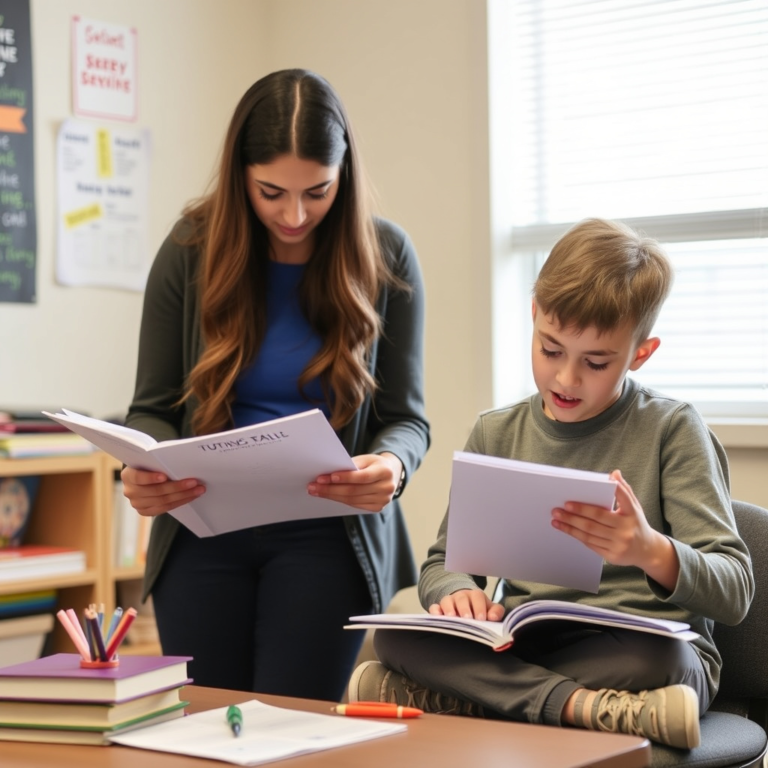
How to Teach a Child to Read: Practical Strategies for Early Literacy Success
Teaching a child to read begins with developing their recognition of letters and sounds, which forms the foundation of literacy. Starting with simple phonics and gradually introducing sight words helps children decode and understand text quickly. Consistent practice reading aloud and engaging in daily literacy activities accelerates their learning journey.
Reading is a fundamental skill that unlocks a child's ability to explore and understand the world independently. Early reading proficiency not only boosts academic success but also enhances vocabulary, critical thinking, and communication skills. By approaching this teaching process methodically, parents and educators can nurture a love for reading that lasts a lifetime.
This article outlines clear steps and techniques for introducing reading to young learners. It covers phonics, vocabulary building, reading comprehension strategies, and tips for keeping children motivated. Additionally, we’ll explore how to create a supportive reading environment and identify challenges to address along the way.
Understanding the Basics of Phonics for Reading
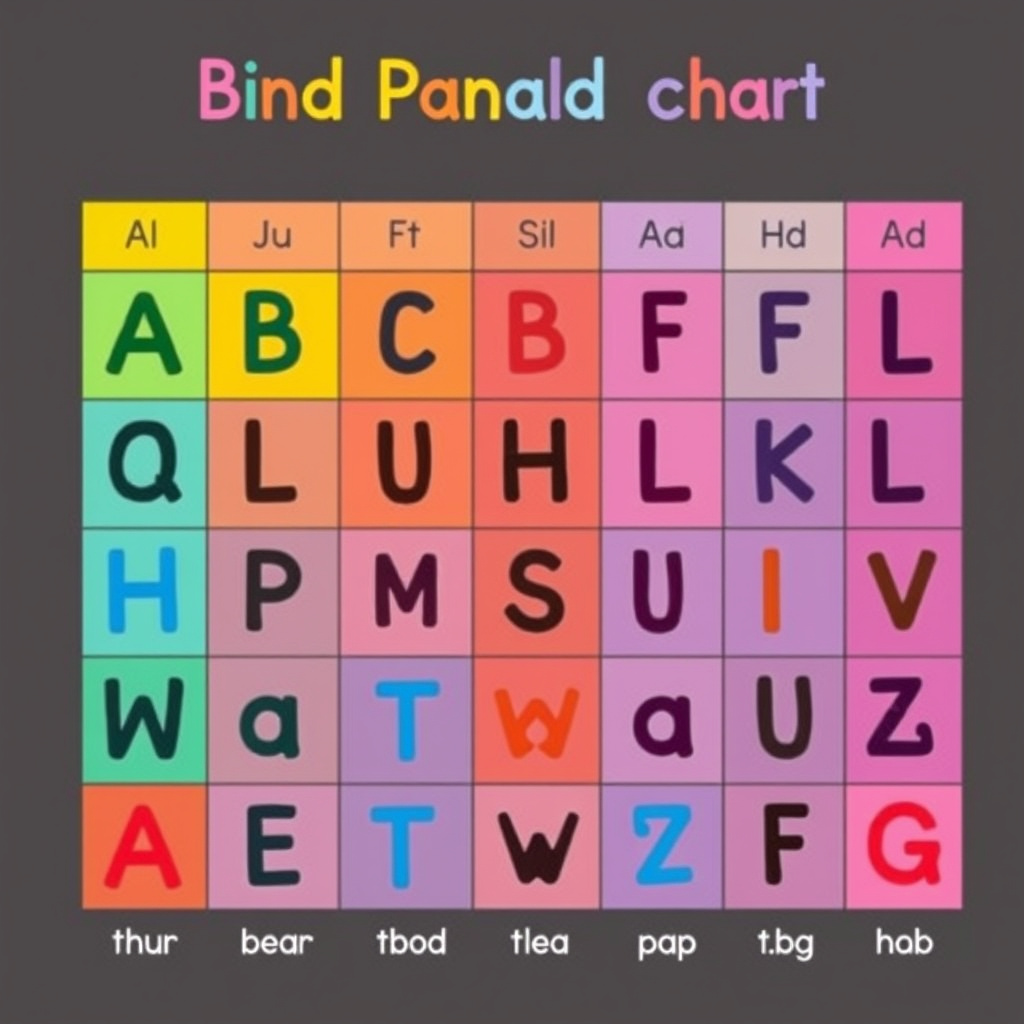
Introducing Letters and Their Sounds
Familiarizing children with the alphabet is the first step in teaching reading. Focus on teaching one letter and its sound at a time, using clear pronunciation and associating the letter with familiar words. Visual aids like letter cards and alphabet books reinforce recognition.
Repetition is key when introducing sounds. Incorporate multisensory methods such as songs, tactile tracing, and interactive games to solidify the connection between letters and their sounds.
- Start with easily distinguishable letters like 'm' and 's'
- Use everyday objects beginning with the sound
- Encourage children to mimic the sounds aloud
Blending Sounds to Form Words
After mastering individual sounds, teaching children how to blend them into simple words supports reading fluency. Start with three-letter CVC (consonant-vowel-consonant) words such as 'cat' or 'dog'. Model blending each sound slowly and then more quickly until the word forms naturally.
Visual cues and repetition improve blending skills. Encourage children to point to each letter as they sound it out, then say the complete word, helping them connect letters, sounds, and meaning.
- Use magnetic letters for hands-on blending
- Practice blending daily with diverse words
- Celebrate successes to build confidence
Building Vocabulary and Sight Word Recognition
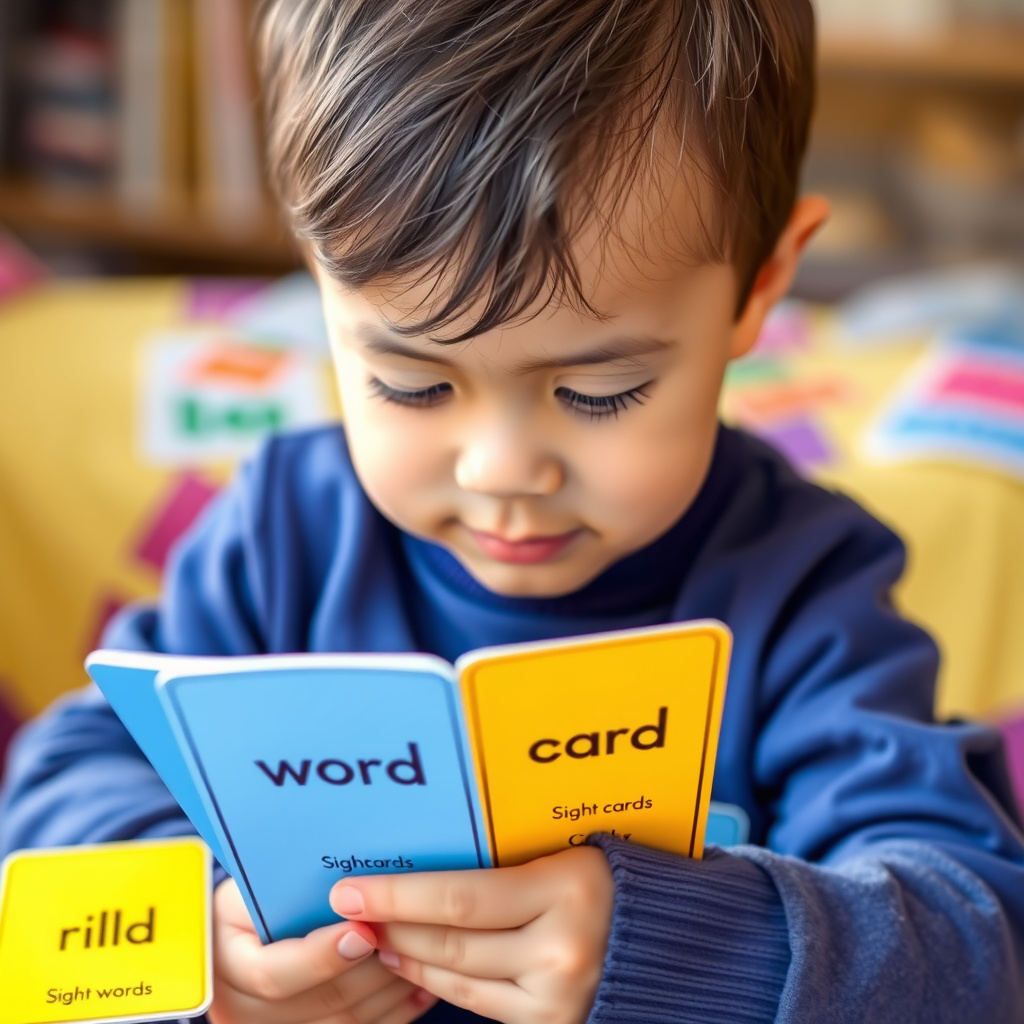
Introducing High-Frequency Sight Words
Sight words are common words that children recognize instantly without needing to decode. These include words like 'the,' 'and,' and 'said,' which appear often in texts. Teaching these words improves reading speed and smoothness.
Flashcards and repeated exposure in books and daily conversation help children memorize sight words. Make learning engaging by playing word recognition games and rewarding progress.
- Create flashcards with pictures
- Review a small set of words daily
- Incorporate sight words into simple sentences
Expanding Vocabulary Through Context
Reading aloud to children exposes them to new words and concepts that boost their vocabulary. Discuss unfamiliar words in the context of stories or everyday experiences to make them meaningful and easier to remember.
Encourage children to ask questions about words they don’t know. Use descriptive explanations and link new words to their prior knowledge to deepen understanding.
- Pause during reading to explain new terms
- Use picture books with rich vocabulary
- Encourage verbal expression of new words
Enhancing Reading Comprehension Skills

Asking Questions to Promote Understanding
Asking questions before, during, and after reading encourages children to think critically about the story and its meaning. Simple questions like 'Who is this?' or 'What do you think will happen next?' engage their curiosity and comprehension abilities.
Encourage children to express their thoughts and predictions aloud. This active involvement helps develop deeper comprehension and supports verbal articulation of ideas.
- Use open-ended questions
- Revisit story parts to clarify
- Connect content to the child’s experiences
For more on this, see our related guide: How to Choose the Best After School Tutoring in Doral FL for Your Child.
Retelling Stories to Reinforce Memory
Having children retell a story in their own words strengthens memory and comprehension. It also promotes sequencing skills when they recall the beginning, middle, and end. Offer cues or visual prompts if needed.
Celebrate detailed retellings and ask follow-up questions that encourage elaboration, making reading a dynamic, expressive activity.
- Encourage drawing scenes from the story
- Use puppets or toys to act out parts
- Praise efforts and creativity
Creating a Supportive Reading Environment

Setting Up a Dedicated Reading Space
A quiet, inviting space with accessible books encourages children to choose reading independently. Adding cushions, good lighting, and organized bookshelves makes reading feel special and comfortable.
Rotate books regularly to keep variety and interest high. Include a mix of fiction, nonfiction, and illustrated books tailored to the child’s interests and reading level.
- Place books at child’s eye level
- Include comfortable seating
- Personalize with favorite characters or themes
Incorporating Daily Reading Routines
Establishing consistent reading times, such as before bedtime or after meals, builds reading into the child's daily schedule. Predictable routines provide a sense of security and help form lasting habits.
Encourage family members to join reading times. Shared reading strengthens emotional bonds and models positive reading behaviors.
- Set timer for short, focused reading sessions
- Discuss books as a family
- Celebrate reading milestones together
Addressing Common Reading Challenges

Recognizing Signs of Reading Difficulties
Some children may struggle with decoding, fluency, or comprehension. Signs include slow word recognition, frustration during reading, or avoiding books. Early identification helps provide timely support.
Professional assessment can clarify if difficulties stem from dyslexia, auditory processing issues, or other learning differences. This information guides tailored interventions.
- Watch for frequent guessing or skipping words
- Note if child avoids reading tasks
- Observe if letter sounds aren’t grasped by expected ages
For more on this, see our related guide: How to Choose an Elementary Reading Tutor in Doral FL for Your Child.
Providing Targeted Support and Resources
Using specialized programs that focus on phonemic awareness or multisensory learning benefits children facing challenges. Patience and consistent encouragement are essential throughout this process.
Parents and educators should collaborate with reading specialists and incorporate technology tools like reading apps that adapt to the learner’s pace.
- Incorporate audio books alongside print
- Use repetition and multisensory activities
- Schedule regular review sessions
Incorporating Early Reading Techniques into Daily Life

Turning Everyday Moments into Learning Opportunities
Moments like grocery shopping, cooking, or driving provide natural chances to read signs, labels, and instructions. Pointing out words and discussing their meanings makes reading relevant and fun.
Encourage children to label objects around the home and help with simple written tasks, which reinforces literacy skills through real-world application.
- Play word matching games with household items
- Read recipes or menus together
- Spot letters and words during errands
For more insight into different methods and history of teaching reading, see reading education basics at Wikipedia. reading education basics at Wikipedia.
Using Technology to Support Early Reading
Age-appropriate reading apps and interactive eBooks can engage children with sounds, animations, and feedback instantly. These tools complement traditional methods by providing multisensory experiences.
Choose programs that focus on phonics and sight words with a user-friendly interface that keeps the child’s interest without overwhelming them.
- Limit screen time to short intervals
- Monitor app content quality
- Combine technology use with parental interaction
Early Reading Methods Category Comparison
This table compares popular early reading methods based on focus, effectiveness, and ideal age group.
| Method | Focus Area | Best For Age Group | Ease of Use |
|---|---|---|---|
| Phonics Instruction | Letter-sound relationships | 4-7 years | Moderate |
| Whole Language Approach | Context and meaning | 5-7 years | Moderate |
| Balanced Literacy | Combination of phonics and meaning | 4-8 years | Easy |
| Sight Word Method | High-frequency word recognition | 3-6 years | Easy |
| Multisensory Techniques | Visual, auditory, kinesthetic learning | 4-8 years | Moderate |
Frequently Asked Questions
At what age can a child start learning to read?
Children can begin early reading activities around ages 3 to 4, focusing on letter recognition and phonemic awareness. Formal reading generally starts closer to age 5 or 6, but early exposure builds a strong foundation.
How long should daily reading sessions be for young learners?
Short, consistent sessions of 10 to 20 minutes work best for young children to maintain focus and avoid burnout. Multiple brief sessions throughout the day can be more effective than one long session.
What is the role of parents in teaching reading at home?
Parents serve as reading role models, motivators, and facilitators by reading aloud, engaging in literacy activities, and creating a supportive environment. Their encouragement greatly influences a child's enthusiasm for reading.
How do I know if my child has a reading difficulty?
Signs include reluctance to read, difficulty recognizing letters or sounds, frequent reversals, and poor comprehension. If concerns arise, seeking a professional evaluation can provide guidance and support.
Can technology help in teaching my child to read?
When used thoughtfully, reading apps and interactive eBooks can reinforce early reading skills through engaging multisensory activities. However, technology should complement, not replace, hands-on and social reading experiences.
Key Takeaways
- Start with phonics to build letter-sound understanding
- Incorporate sight words for reading fluency
- Create a supportive and engaging reading environment
- Address reading difficulties early with specialized strategies
Conclusion
Teaching a child to read combines patience, persistence, and a clear understanding of foundational literacy principles. Approaching this task through phonics instruction, gradual vocabulary development, and reading comprehension activities creates a solid skill set. A thoughtful blend of methods tailored to the child's progress fosters confidence and mastery of reading.
For beginners, focusing on phonics and blending sounds is often the most effective method, while introducing sight words early accelerates fluency. Balanced literacy approaches work well for children who benefit from combining decoding with meaning-based instruction. If challenges arise, multisensory techniques and professional support can provide additional assistance to keep learning on track.
Taking practical steps such as establishing a cozy reading space, setting consistent reading routines, and integrating early reading techniques into daily life promotes lasting engagement. Parents and educators should remain responsive to the child’s needs and preferences, regularly celebrating milestones to build a lifelong appreciation for reading. Starting today with simple, interactive strategies paves the way toward reading success.