How to Help a Child Read: Practical Tips for Parents and Educators
Helping a child learn to read begins with providing consistent, patient support that encourages their curiosity and builds foundational skills. The key is to engage them with approachable reading materials, practice regularly, and create a positive reading environment that makes learning enjoyable rather than a chore.
Reading is more than just decoding words; it involves comprehension, vocabulary growth, and confidence building. Supporting a child during this stage can shape their educational trajectory and foster a lifelong love of books, which benefits their cognitive and emotional development.
This article covers practical methods to help a child read, including choosing the right materials, incorporating reading into daily routines, identifying challenges, and encouraging progress through supportive and interactive strategies.
Understanding the Basics of How to Help a Child Read

Recognizing Key Early Reading Milestones
Early reading skills typically develop through stages beginning with letter recognition, phonemic awareness, and basic vocabulary comprehension. Identifying where a child stands helps tailor support to their specific needs and encourages steady progress.
Parents and educators can monitor these milestones by observing if the child recognizes letters, attempts to sound out words, or shows interest in simple stories. Meeting these markers establishes a foundation for later fluency and comprehension.
- Letter identification
- Phonemic awareness
- Word recognition
- Basic sentence understanding
Creating a Reading-Friendly Environment
Children learn best in spaces free from distractions and filled with accessible books and reading materials suited to their interests and levels. A cozy, inviting area encourages regular practice and exploration of stories.
Including varied genres, from picture books to simple rhymes, attracts children’s attention and sustains interest. Consistency in offering reading opportunities integrates literacy naturally into daily life.
- Comfortable seating area
- Accessible bookshelves
- Regular library visits
- Reading routines at specific times
Interactive Reading Techniques That Build Confidence

Using Phonics and Sounding Out Words
Phonics helps children connect letters with their corresponding sounds, empowering them to decode unfamiliar words independently. Practicing phonics regularly enhances both reading fluency and confidence.
Simple games focusing on letter sounds or blending phonemes can make this learning engaging. Encouraging children to sound out words aloud nurtures both their reading and speaking skills.
- Daily phonics drills
- Sound-blending games
- Encouraging verbal reading
- Using flashcards for letter sounds
For more on this, see our related guide: Effective Homework Help Tips for Students in Doral FL.
Asking Questions and Discussing Stories
Prompting children with questions about the story promotes active comprehension and critical thinking. Discussing characters, plot, and new vocabulary deepens understanding beyond mere word recognition.
This conversational approach builds vocabulary, strengthens connections between text and meaning, and makes reading a shared, enjoyable experience.
- Open-ended questions about story content
- Predicting what happens next
- Relating stories to personal experiences
- Explaining new words encountered
Incorporating Techniques to Address Common Reading Challenges

Identifying Signs of Reading Difficulties Early
Some children struggle with decoding, tracking, or comprehending text, which can hinder their reading development. Early detection through observation of hesitancy, confusion with letters, or frustration enables timely support.
Intervention tailored to specific challenges can prevent long-term struggles and build the child's confidence in reading.
- Difficulty recognizing common words
- Trouble sounding out words
- Avoidance of reading tasks
- Poor retention of story details
Supporting Children with Learning Differences
Children with dyslexia or other learning differences benefit from multisensory instruction and structured literacy programs. These methods combine visual, auditory, and tactile learning to reinforce reading skills effectively.
Patience, positive reinforcement, and specialized tools like audiobooks complement direct teaching strategies, helping children stay motivated and progressive.
- Multisensory learning approaches
- Use of assistive technology
- Customized pacing and materials
- Regular feedback and encouragement
Using Digital Tools and Resources in Reading Practice

Choosing Effective Reading Apps and Software
Educational apps can provide structured phonics lessons, interactive storytelling, and engaging reading exercises that reinforce early reading skills development. Selecting apps aligned with the child’s level and interests keeps them motivated.
Parents should look for programs with positive reviews, clear progress tracking, and minimal distractions to maximize benefit.
- Phonics-focused applications
- Digital storybooks with narration
- Progress-reporting features
- Games emphasizing word recognition
For more on this, see our related guide: How to Choose the Best After School Tutoring in Doral FL for Your Child.
Balancing Screen Time with Traditional Reading
While digital resources offer great support, it is essential to balance screen time with physical books and personal interaction. Too much reliance on devices can reduce face-to-face engagement and diminish reading comprehension.
Combining digital tools with shared reading sessions and real books creates a well-rounded learning approach.
- Timed screen sessions
- Reading aloud together
- Using print books for discussion
- Incorporating physical activity after reading
Motivating and Celebrating Reading Progress
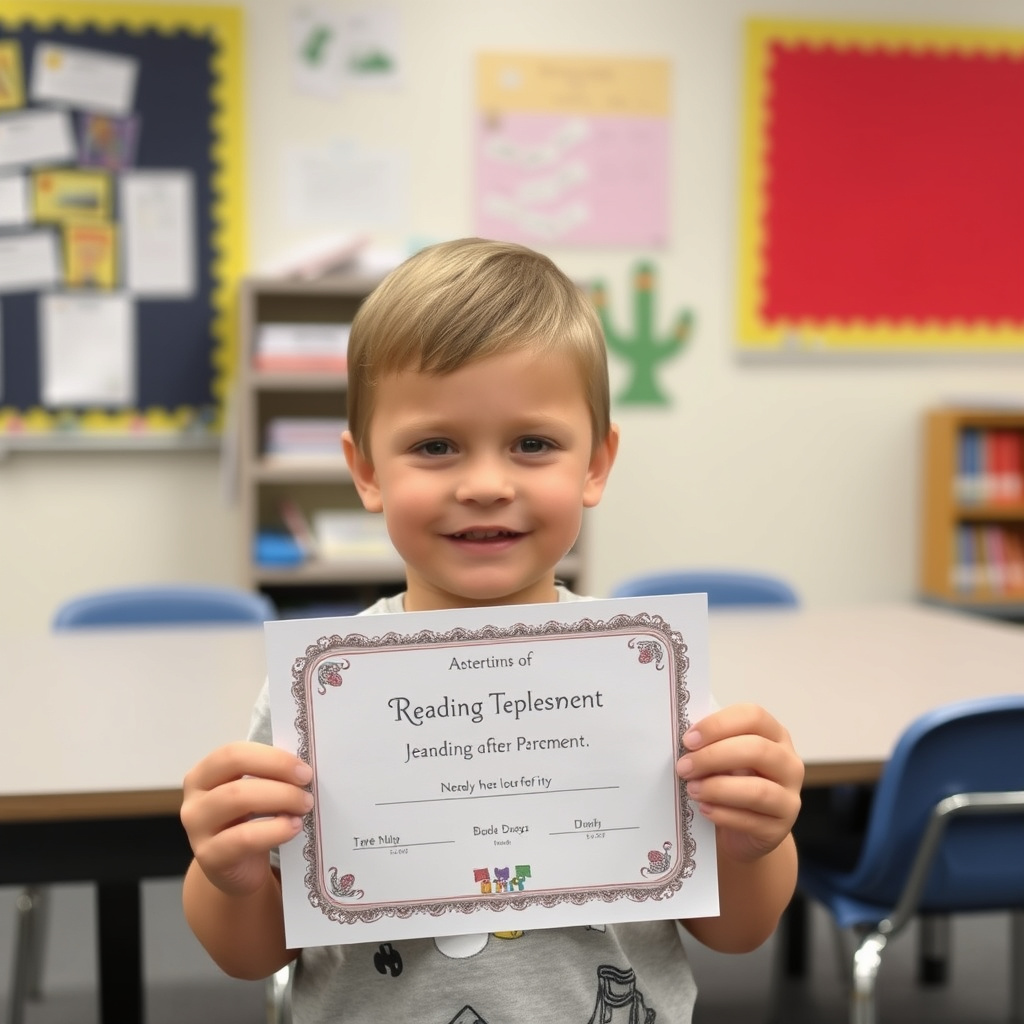
Setting Achievable Reading Goals
Clear, attainable goals encourage children to stay committed and notice their improvements. Goals can range from reading a specific number of books weekly to mastering a set of sight words.
Tracking progress visually, like charts or stickers, turns abstract skill-building into tangible accomplishments, increasing motivation.
- Short-term and long-term goals
- Visual progress charts
- Reward systems
- Sharing achievements with family and friends
For a detailed overview of reading development stages, visit this helpful guide on Reading Rockets. reading development stages.
Using Praise and Encouragement Effectively
Praise focused on effort rather than ability fosters a growth mindset, helping children persist through challenges. Recognizing small successes builds their confidence and desire to read more.
Constructive feedback combined with positive reinforcement creates a safe space for learning and experimentation with reading.
- Specific praise for effort
- Encouraging risk-taking in reading
- Avoiding comparison with others
- Celebrating all kinds of reading progress
Comparison of Popular Children's Reading Approaches
Here is a comparison of different methods to help a child read, highlighting key benefits and ideal use cases.
| Approach | Strengths | Best For | Limitations |
|---|---|---|---|
| Phonics-Based Instruction | Builds strong decoding skills | Children starting to sound out words | Can be repetitive if not varied |
| Whole Language Approach | Emphasizes comprehension and context | Kids with some reading experience | May confuse beginners without phonics |
| Multisensory Techniques | Addresses diverse learning styles | Children with learning differences or dyslexia | Requires specialized training to implement |
| Interactive Digital Tools | Engages children with games and stories | Tech-savvy children and visual learners | Risk of excess screen time |
| Shared Reading and Storytelling | Fosters bonding and comprehension | All children at early stages | Depends heavily on adult involvement |
Frequently Asked Questions
How often should I read with my child to improve their reading?
Daily reading sessions, even as short as 10-15 minutes, build routine and reinforce skills more effectively than occasional longer sessions.
What if my child finds reading frustrating or difficult?
Be patient and break reading into manageable tasks; consider consulting specialists if difficulties persist to tailor supportive methods.
Should I focus on phonics or whole words when teaching a child to read?
A balanced approach combining phonics for decoding and whole word recognition helps children develop comprehensive reading skills.
Can digital reading apps replace traditional books for children?
Digital tools are useful supplements but should not replace physical books and interpersonal reading, which support engagement and comprehension.
When is a good time to start teaching a child to read?
Introducing reading concepts around ages 3 to 5, depending on the child’s interest and readiness, sets a positive foundation.
Key Takeaways
- Engage children with consistent, approachable reading practice to build foundational skills.
- Combine phonics, comprehension questions, and shared reading to develop fluency and understanding.
- Use multisensory methods and digital tools thoughtfully to support diverse learning needs.
- Motivate with achievable goals and positive reinforcement to sustain interest and confidence.
Conclusion
Helping a child learn to read requires attention to their individual pace and preferred learning style. Incorporating a mix of phonics-based instruction, interactive storytelling, and supportive guidance fosters both skill and enthusiasm for reading. Observing early milestones and adjusting methods create a personalized path that can turn reading into an enjoyable, rewarding activity rather than a source of stress.
For children struggling with early reading, multisensory approaches and targeted phonics drills can build decoding strength, while shared reading and discussions bolster comprehension. Digital resources, when used alongside traditional books, provide varied stimulus to maintain engagement. Setting realistic goals and celebrating progress consistently help children stay motivated across different learning stages and abilities.
The next step is to create a comfortable reading environment filled with accessible materials and positive interactions. Start small with brief daily reading sessions and gradually increase complexity. Consulting educational professionals when challenges arise ensures tailored support. Above all, patience and encouragement set the foundation for a lifelong relationship with reading.