How to Help a Child Struggling in School: Practical Strategies for Parents
When a child is struggling in school, immediate and thoughtful support can make a significant difference. How to help a child struggling in school involves understanding their specific difficulties, whether academic, emotional, or social, and taking targeted steps to assist them effectively.
School challenges can impact a child’s confidence, motivation, and overall development. Identifying the root causes—such as learning disabilities, attention issues, or external stressors—enables parents and caregivers to tailor support that meets the child’s individual needs.
This article will cover practical strategies for recognizing signs of struggle, improving communication with teachers, creating structured learning environments at home, and seeking professional help when necessary. These approaches can help restore a child’s enthusiasm for learning and lay a foundation for academic success.
Recognizing Signs That a Child Is Struggling in School

Academic and Behavioral Indicators
Children who face difficulty in school may show declining grades, incomplete assignments, or trouble concentrating during lessons. Behavior changes such as avoidance of schoolwork, increased frustration, or withdrawal from classmates often accompany academic struggles.
Recognizing these signs early enables parents to intervene before challenges become overwhelming. It's important to distinguish between typical occasional frustration and persistent patterns that suggest more serious issues.
- Lower test scores or frequent mistakes
- Forgetfulness or disorganization
- Reluctance to do homework
- Changes in mood or attitude toward school
Emotional and Social Red Flags
A child's emotional state can reveal much about their school experience. Increased anxiety, irritability, or low self-esteem may signal struggles that extend beyond academics.
Social withdrawal or conflict with peers can further impact a child’s ability to engage at school. Observing these emotional and social cues is critical for addressing broader obstacles to learning and well-being.
- Expressing feelings of failure or helplessness
- Avoiding friends or group activities
- Frequent complaints of physical symptoms without medical cause
Communicating Effectively with Teachers and School Staff

Preparing for Constructive Conversations
Approaching teachers with specific questions and observations about your child's struggles helps create a productive dialogue. Bring examples of academic work or behavior changes to ground the discussion.
Keep communication respectful and focused on solutions. Asking for the teacher’s insights into the child’s classroom performance and recommended support strategies can reveal actionable steps.
- Schedule meetings in advance
- Prepare notes on problems observed
- Ask about available school resources
- Request regular updates
For more on this, see our related guide: How to Get Effective Math Homework Help Fast and Easily.
Collaborating on Support Plans
Work with educators to develop individualized approaches such as tutoring, adjusted assignments, or accommodations for learning differences. Schools often have specialists who can evaluate and assist children with specific challenges.
Regular follow-up ensures that strategies remain effective and can be adapted as the child progresses or additional needs emerge.
- Discuss potential accommodations
- Explore after-school programs
- Monitor progress collaboratively
- Involve school counselors if needed
Creating a Supportive Home Learning Environment

Establishing Routines and Study Habits
Consistent routines for homework and study time can help children focus and develop discipline. Designate a quiet, well-lit area free from distractions where the child can complete schoolwork comfortably.
Encourage breaks to prevent burnout and maintain motivation, using timers or schedules to balance work and rest effectively.
- Set specific homework times
- Limit screen time during study hours
- Use checklists to track tasks
- Provide necessary supplies
Positive Reinforcement and Emotional Support
Celebrate small achievements to build confidence, avoiding harsh criticism that may discourage effort. Open communication about struggles helps children feel understood and supported.
Encourage self-advocacy and problem-solving skills, reinforcing that persistence leads to improvement even when immediate success is lacking.
- Praise effort over outcomes
- Discuss feelings openly
- Model calm problem-solving
- Set realistic and clear expectations
Utilizing Professional Resources for Academic Challenges
Assessments and Evaluations
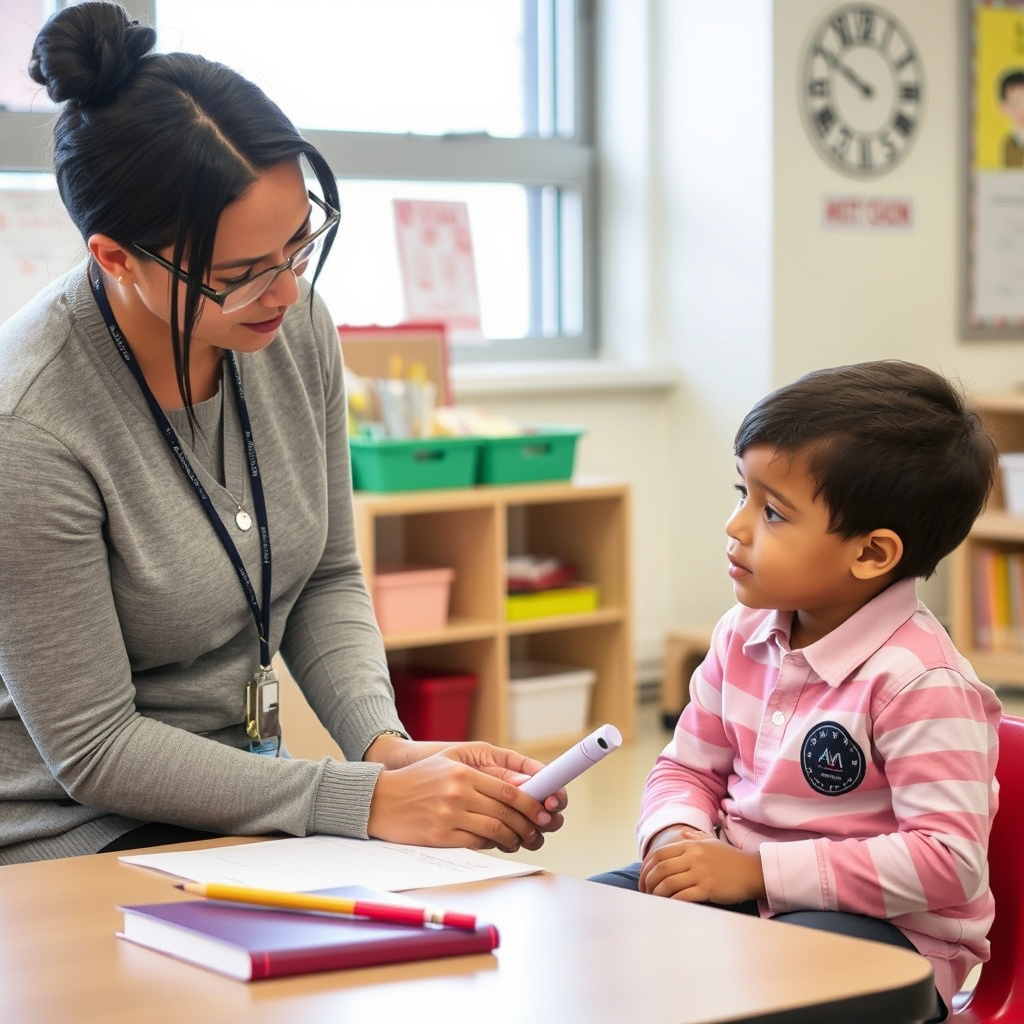
Professional testing can identify learning disabilities, attention disorders, or other factors affecting performance. Schools and private practitioners offer assessments that pinpoint areas needing support.
Understanding a child’s unique learning profile helps tailor interventions and access accommodations through Individualized Education Programs (IEPs) or 504 plans.
- Cognitive and academic testing
- Speech and language evaluations
- Behavioral assessments
- Developmental screenings
For more on this, see our related guide: How to Choose a Tutor for Struggling Students: A Practical Guide.
Therapies and Interventions
Depending on the evaluation results, interventions can include tutoring, occupational therapy, counseling, or behavioral support. Early intervention often leads to better outcomes and reduces frustration.
Working with multidisciplinary teams ensures comprehensive support that addresses academic hurdles and emotional well-being simultaneously.
- Specialized tutoring programs
- Therapeutic counseling
- Social skills training
- Parent training workshops
Encouraging Motivation and Self-Confidence in Learning

Building Growth Mindset
Encourage children to view challenges as learning opportunities rather than fixed obstacles. Teaching that skills improve with effort fosters resilience and self-belief in academic abilities.
Use specific examples praising persistence and progress to reinforce that setbacks do not define capability.
- Use encouraging language
- Highlight effort over grades
- Share stories of overcoming difficulties
- Encourage trying new strategies
For a thorough explanation of learning difficulties and their impact, refer to this comprehensive resource from the National Dissemination Center for Children with Disabilities. Learning difficulties overview.
Linking Learning to Interests and Strengths
Connecting subjects to a child’s interests can increase engagement and enjoyment. Leveraging strengths, such as artistic or logical skills, helps tailor learning approaches that resonate and promote active participation.
Incorporate varied activities like educational games or project-based learning that make concepts tangible and relevant.
- Identify favorite subjects or hobbies
- Relate lessons to real-world contexts
- Use multimedia and hands-on tasks
- Encourage creative expression
Comparison of Support Options for Children Struggling in School
Here’s a quick overview comparing common support options available to children having difficulties in school, highlighting key features and suitability.
| Support Option | Description | Best For | Cost Range |
|---|---|---|---|
| Tutoring | One-on-one or small group sessions focused on specific subjects or skills. | Children needing targeted academic help | Moderate to high |
| Special Education Programs | Customized instruction within or outside the regular classroom with specialized staff. | Children with identified learning disabilities | Varies widely; often covered by schools |
| Counseling | Professional support addressing emotional or behavioral challenges. | Children struggling emotionally or socially | Low to moderate |
| After-School Programs | Enrichment activities supporting learning and social skills. | Children needing additional structured time and engagement | Low to moderate |
| Parent-Led Home Support | At-home routines and activities organized by caregivers. | Any child needing consistent study habits and emotional encouragement | Minimal |
Frequently Asked Questions
How can I tell if my child needs professional help for school struggles?
If your child shows persistent academic difficulties despite home support, experiences emotional distress, or has trouble socializing at school, professional assessments can identify underlying issues and appropriate interventions.
What role does parental involvement play in helping a struggling child?
Active parental involvement provides motivation, emotional support, and advocacy for needed resources. Establishing routines and positive communication at home greatly influences a child’s academic progress.
Are learning difficulties the only reason a child might struggle in school?
No, factors like emotional problems, family stress, bullying, or teaching style misalignment can also impact a child’s school performance and require attention for effective support.
How do I communicate with my child's teacher about concerns?
Request a meeting with clear examples of struggles, ask about classroom observations, available resources, and collaborate on strategies to support the child both at school and home.
Can motivation affect academic performance in struggling children?
Yes, lack of motivation often decreases effort and learning. Addressing motivation through encouragement, linking learning to interests, and reinforcing progress helps improve performance.
Key Takeaways
- Identify signs of academic, emotional, and social struggles early.
- Engage in open, solution-focused communication with educators.
- Create consistent and supportive learning routines at home.
- Seek professional assessments and interventions when necessary.
Conclusion
Approaching how to help a child struggling in school requires a multifaceted plan prioritizing understanding the child's unique challenges. Observing academic performance alongside emotional and social well-being offers a complete picture that guides effective support. Collaboration between parents, teachers, and professionals forms the foundation for targeted strategies that address both learning difficulties and motivation.
Depending on the child's specific needs, options such as tutoring for subject mastery, special education programs for learning disabilities, or counseling for emotional support may be necessary. Establishing structured study habits at home while reinforcing a growth mindset encourages resilience. Regular communication with educators ensures interventions remain relevant and adapt to any changes, fostering steady progress.
Parents who actively engage in identifying issues, seeking appropriate resources, and providing emotional encouragement can significantly influence their child's academic journey. The next practical step is to observe your child's behavior carefully, talk to their teachers, and consider professional evaluations if struggles persist. With timely and thoughtful actions, children can regain confidence and achieve success in school.