How to Improve English Skills: Effective Strategies for All Levels
Improving English skills involves consistent practice and engaging with the language in multiple ways such as reading, writing, speaking, and listening regularly. Focusing on these core areas allows learners to build a solid foundation and gradually increase their fluency and comprehension.
Mastering English can open doors to better career opportunities, academic success, and confident social communication. Because English is used worldwide, honing your skills gives you access to a vast amount of information and cultural exchange.
This article will explore practical methods to improve English skills, including targeted exercises, useful tools, and lifestyle habits that help learners at any level boost their command of the language.
Building Strong Foundations in English
Focusing on Grammar and Vocabulary
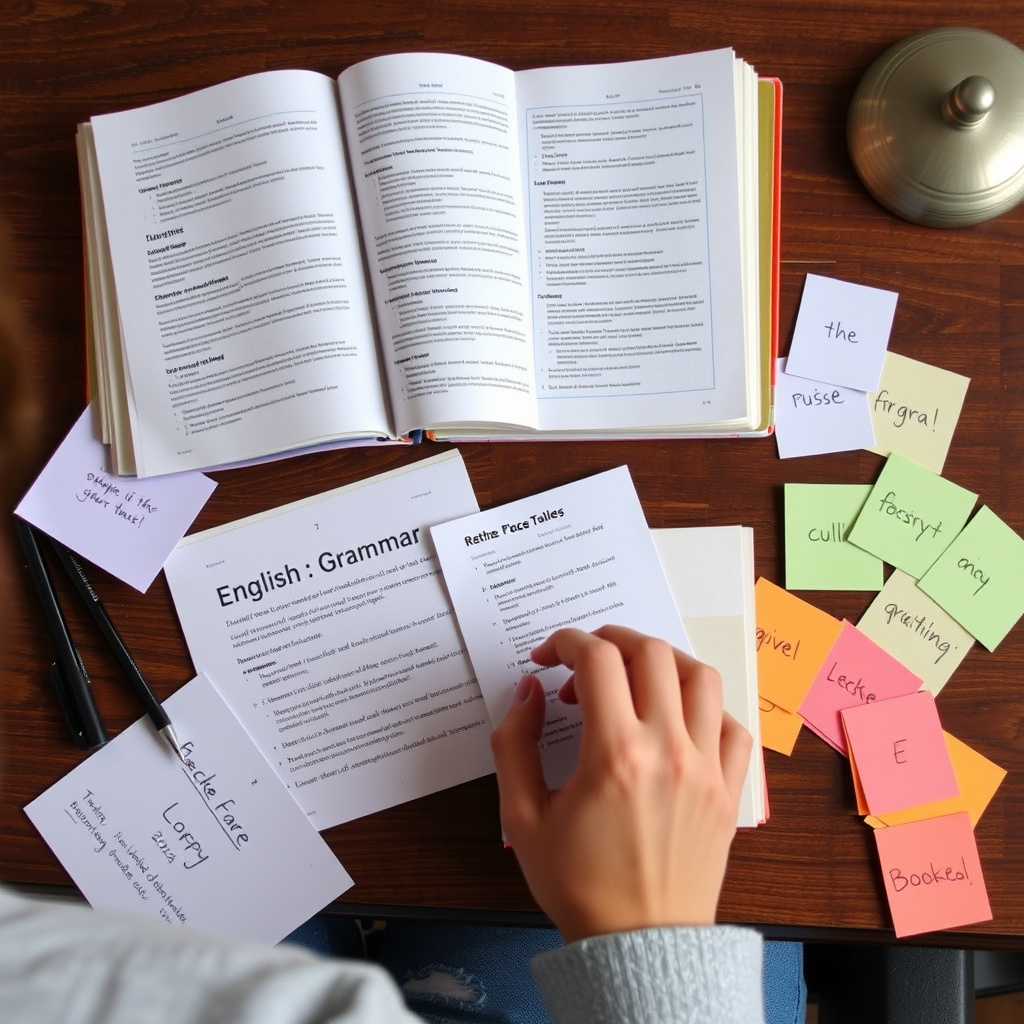
A solid grasp of grammar rules and an expanding vocabulary are essential for clear communication. Regular study of sentence structures, verb tenses, and common idioms improves accuracy in both writing and speaking.
Using apps or flashcards to learn new words daily helps embed vocabulary effectively. Contextual learning, such as reading books or articles, makes it easier to remember and use words appropriately.
- Review basic grammar daily
- Use vocabulary apps like Anki or Quizlet
- Learn new words in context
- Practice common phrases and idioms
Developing Pronunciation and Listening Skills
Pronunciation plays a critical role in being understood. Listening to native speakers through podcasts, movies, and conversations trains your ear to recognize correct sounds and rhythm.
Practicing speaking aloud and mimicking native accents improves fluency. Recording yourself can help identify areas for improvement. Listening regularly also builds comprehension for different accents and speeds.
- Listen to English podcasts daily
- Repeat and mimic native speakers
- Record and review your speech
- Practice with language exchange partners
Practical Techniques for Enhancing English Skills

Incorporating English into Daily Life
Using English in everyday situations accelerates learning. Label items in your home with English words, write a diary in English, or switch your devices to English settings to increase exposure.
Regular interaction with native speakers or other learners provides real-time practice and feedback, reinforcing learning through social engagement.
- Write daily journal entries in English
- Change phone and apps to English
- Join conversation groups
- Use social media in English
For more on this, see our related guide: How to Find Effective One on One Tutoring in Doral FL.
Utilizing Technology and Online Resources
Technology offers abundant tools for language learning. Online courses, language apps, and interactive websites provide structured lessons and instant corrections.
Watching English videos with subtitles or using pronunciation tools helps understand nuances. Consistent practice through quizzes and games maintains motivation.
- Use language apps like Duolingo and Babbel
- Watch English videos with subtitles
- Participate in online language forums
- Test yourself with online quizzes
Enhancing Writing and Reading Abilities

Strategies for Improving Reading Comprehension
Reading regularly exposes learners to diverse vocabulary and sentence structures. Selecting books or articles at an appropriate level ensures understanding without frustration.
Annotating texts by highlighting new words and summarizing paragraphs increases retention and deeper processing of material.
- Choose graded readers or adapted books
- Highlight unfamiliar words and phrases
- Summarize paragraphs to check understanding
- Read a variety of genres
Practicing Writing for Clear Communication
Writing strengthens grammar and vocabulary use while encouraging organization of thoughts. Starting with personal notes or emails and progressing to essays builds confidence.
Getting feedback from teachers or online communities helps identify and correct errors, fostering steady improvement.
- Keep a daily writing journal
- Practice structured essays and reports
- Use grammar checking tools
- Join writing clubs or forums
Measuring Progress and Setting Goals
Tracking Improvements in English Skills
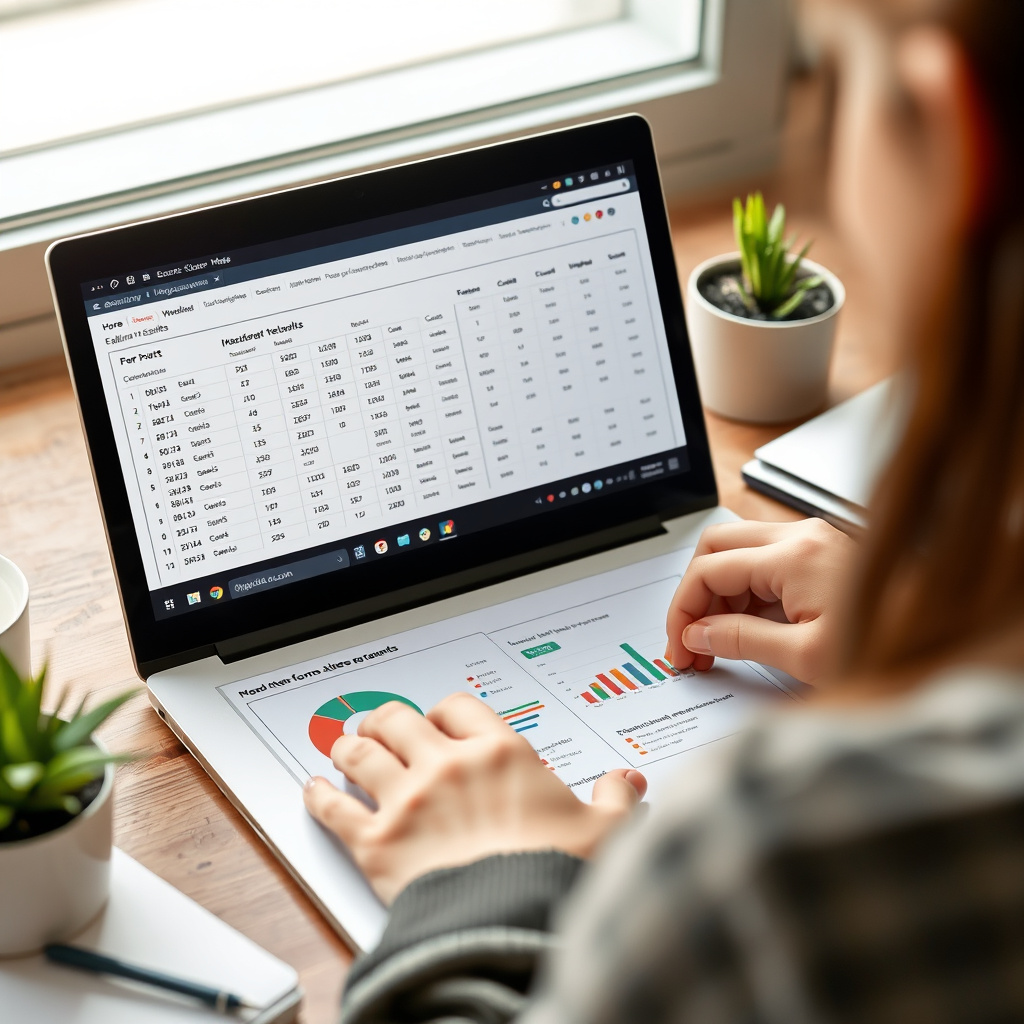
Regular self-assessment motivates learners by showing progress. Taking standardized tests or informal quizzes helps pinpoint strengths and weaknesses.
Keeping a language diary to record milestones such as new vocabulary acquired or speaking time measured supports gradual advancement.
- Take periodic language tests
- Record speaking practice duration
- Note vocabulary growth weekly
- Reflect on challenging areas
For more on this, see our related guide: How to Choose the Best After School Tutoring in Doral FL for Your Child.
Setting Realistic and Achievable Goals
Breaking learning into short-term goals makes the process manageable and rewarding. For example, aim to learn 10 new words a week or hold a five-minute conversation in English daily.
Setting goals aligned with personal needs, whether academic, professional, or social, ensures relevance and commitment.
- Establish weekly vocabulary targets
- Plan regular speaking practice sessions
- Set reading goals by chapter or article
- Adjust goals based on progress
Engaging with English Culture and Community

Exploring English Media and Literature
Watching films, listening to music, and reading literature in English enhances language skills by providing cultural context. This exposure develops familiarity with idiomatic expressions and humor.
Selecting materials based on personal interests increases enjoyment and encourages consistent engagement.
- Watch English movies and TV shows
- Listen to English music and podcasts
- Read classic and contemporary English literature
- Join book clubs focused on English books
For additional background on the process and methods of English language learning, you can visit this informative resource. English language learning.
Participating in English-Speaking Communities
Joining local or online English-speaking groups creates opportunities for practice and feedback. Social interaction builds confidence and practical fluency.
Community events, language meetups, and volunteering let learners apply skills in authentic settings.
- Attend language exchange meetups
- Engage in online forums and chats
- Volunteer for roles requiring English communication
- Participate in cultural exchange programs
Comparison of Methods to Improve English Skills
This table compares different approaches for improving English skills by focus area, effectiveness, and convenience.
| Method | Focus Area | Effectiveness | Convenience |
|---|---|---|---|
| Grammar Study | Writing and Grammar Accuracy | High | Medium |
| Conversational Practice | Speaking and Listening | Very High | Variable |
| Reading English Materials | Reading and Vocabulary | High | High |
| Using Language Apps | Vocabulary and Grammar | Medium | Very High |
| Cultural Engagement | Fluency and Comprehension | Medium | Medium |
Frequently Asked Questions
How often should I practice to improve my English skills?
Practicing a little every day, ideally 20-30 minutes, helps maintain progress and builds habits that improve English skills steadily.
Is it better to focus on grammar or vocabulary first?
Balancing both is best; vocabulary helps express ideas, while grammar ensures clarity. Start with basic grammar and build vocabulary alongside.
Can watching TV shows in English help improve my skills?
Yes, watching shows improves listening comprehension, exposes you to natural language use, and helps with pronunciation and slang.
Are language apps effective for learning English?
Language apps provide structured lessons and are helpful supplements but should be combined with real conversations and reading for best results.
How do I overcome speaking anxiety in English?
Practice speaking regularly in low-pressure settings, like language exchange groups or with friends, to build confidence and reduce anxiety.
Key Takeaways
- Consistent practice across reading, writing, speaking, and listening improves English skills.
- Incorporate English into daily activities to increase exposure.
- Set achievable goals and track your progress regularly.
- Engaging with English-speaking communities boosts practical fluency.
Conclusion
Improving English skills requires a well-rounded approach that combines grammatical understanding, vocabulary building, practical usage, and cultural immersion. By developing proficiency step by step and maintaining regular exposure, learners can achieve meaningful fluency and confidence. Measuring progress and setting realistic goals help maintain motivation throughout the journey.
For those focused on improving specific skills, grammar study and vocabulary expansion lay the necessary foundation, while conversational practice and cultural engagement enhance fluency and comprehension. Using online resources, apps, and joining English-speaking communities offer flexible and effective ways to practice in different contexts depending on your learning style and availability.
To start improving your English skills, evaluate your current abilities and choose a few practical activities from this guide, such as daily journaling or joining conversation groups. Making English a part of your lifestyle ensures continuous growth, leading to stronger skills and greater opportunities in academic, professional, and social settings.