How to Improve Writing Skills: Practical Tips for Better Writing
Improving writing skills starts with understanding your current strengths and weaknesses, then practicing targeted techniques to build clarity, coherence, and style. Consistent effort combined with feedback helps writers refine their expression and command of language.
Strong writing skills matter because they influence how effectively you communicate ideas, persuade readers, and convey information. Whether for academic, professional, or personal purposes, better writing enhances credibility and leaves a positive impression.
This article explores concrete methods to boost your writing, from daily habits and reading choices to editing strategies and stylistic tips. By following these approaches, you can expand your vocabulary, improve grammar, and develop a distinctive voice.
Developing a Writing Routine
Setting Realistic Goals
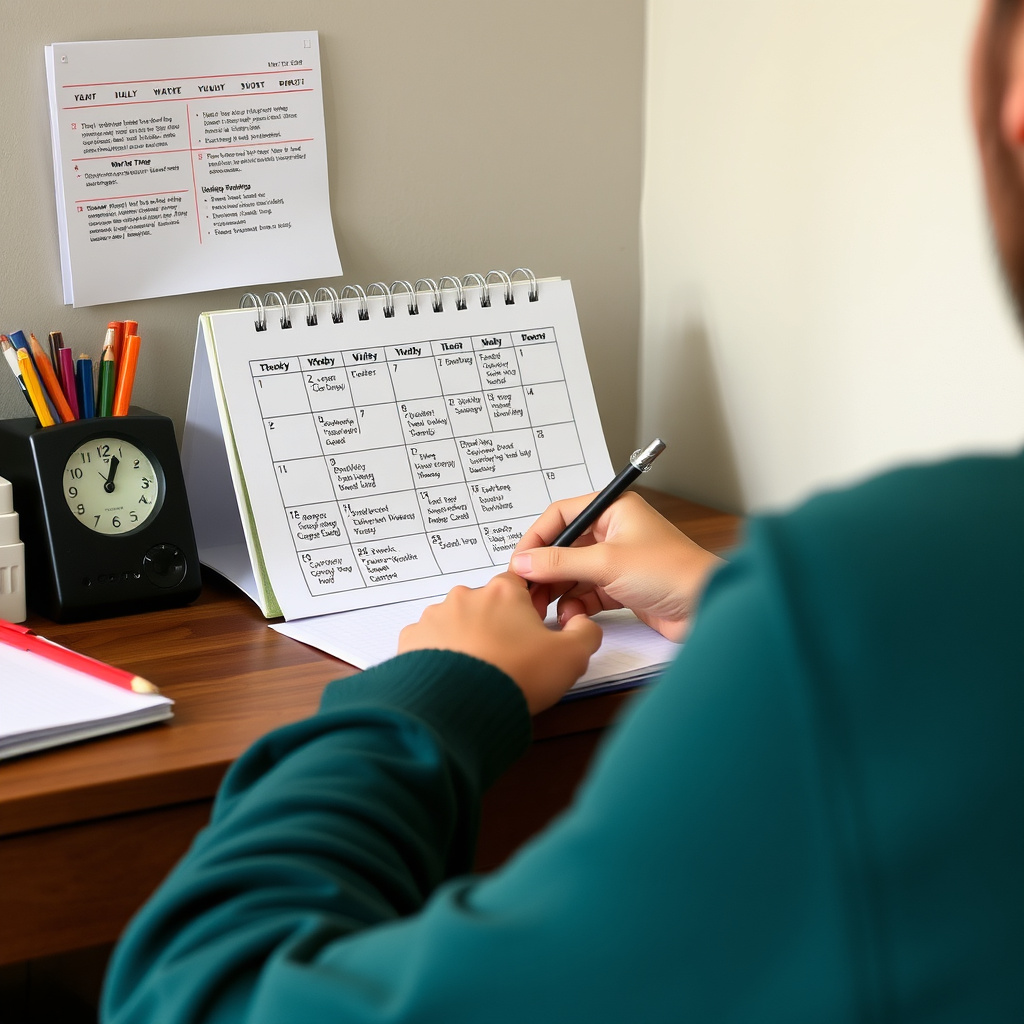
Creating achievable writing goals keeps progress manageable and motivates regular practice. Begin by dedicating a fixed amount of time daily or weekly specifically for writing, adjusting as you find your rhythm.
Goals can range from word counts to completing short essays or journal entries. Tracking these goals in a planner or digital app helps maintain focus and measure improvement over time.
- Start with 15 minutes per day
- Set weekly word count targets
- Use writing prompts to spark ideas
Building Consistency
Consistency in writing trains your mind to focus and reduces procrastination. Establishing a specific environment, like a quiet room or cafe, signals your brain that it’s time to write.
Forming this habit lowers the barrier to starting, making writing feel natural rather than burdensome. Over weeks, your writing fluency and confidence typically increase.
- Create a distraction-free workspace
- Write at the same time daily
- Limit interruptions during writing sessions
Enhancing Grammar and Vocabulary
Practical Grammar Improvement
Mastering basic grammar rules eliminates common errors that can confuse readers. Focus on sentence structure, verb tenses, and punctuation marks by using trusted grammar guides and online resources.
Regularly reviewing grammar exercises and editing your own work helps internalize correct usage. Tools like grammar checkers provide immediate feedback but should complement, not replace, manual review.
- Use grammar-focused apps
- Practice identifying sentence errors
- Study punctuation rules
Expanding Vocabulary
A richer vocabulary allows you to express ideas more precisely and vividly. Incorporate new words by reading varied materials and keeping a dedicated vocabulary journal.
Using synonyms appropriately prevents repetitive language, but be careful to maintain natural tone and clarity. Learn meanings and nuances to avoid misusing words.
- Learn five new words weekly
- Use vocabulary apps or flashcards
- Read diverse genres and subjects
Reading to Improve Writing Skills

Analyzing Writing Styles
Exposure to different authors and styles reveals varied sentence structures and rhetorical techniques. Analyze how writers build arguments, create flow, and engage readers.
Take note of vocabulary choices, tone, and paragraph organization. Adopting effective elements from skilled authors can enhance your own writing style.
For more on this, see our related guide: How to Choose the Best Test Preparation Tutor in Doral FL for Effective Results.
Learning from Quality Content
Reading well-edited, credible material provides a model for high-standard writing. Select books, articles, and essays aligned with your interests and writing goals.
As you absorb examples of precise grammar and clear expression, you internalize language patterns that naturally improve writing clarity and impact.
Editing and Revising Effectively
Self-Editing Techniques
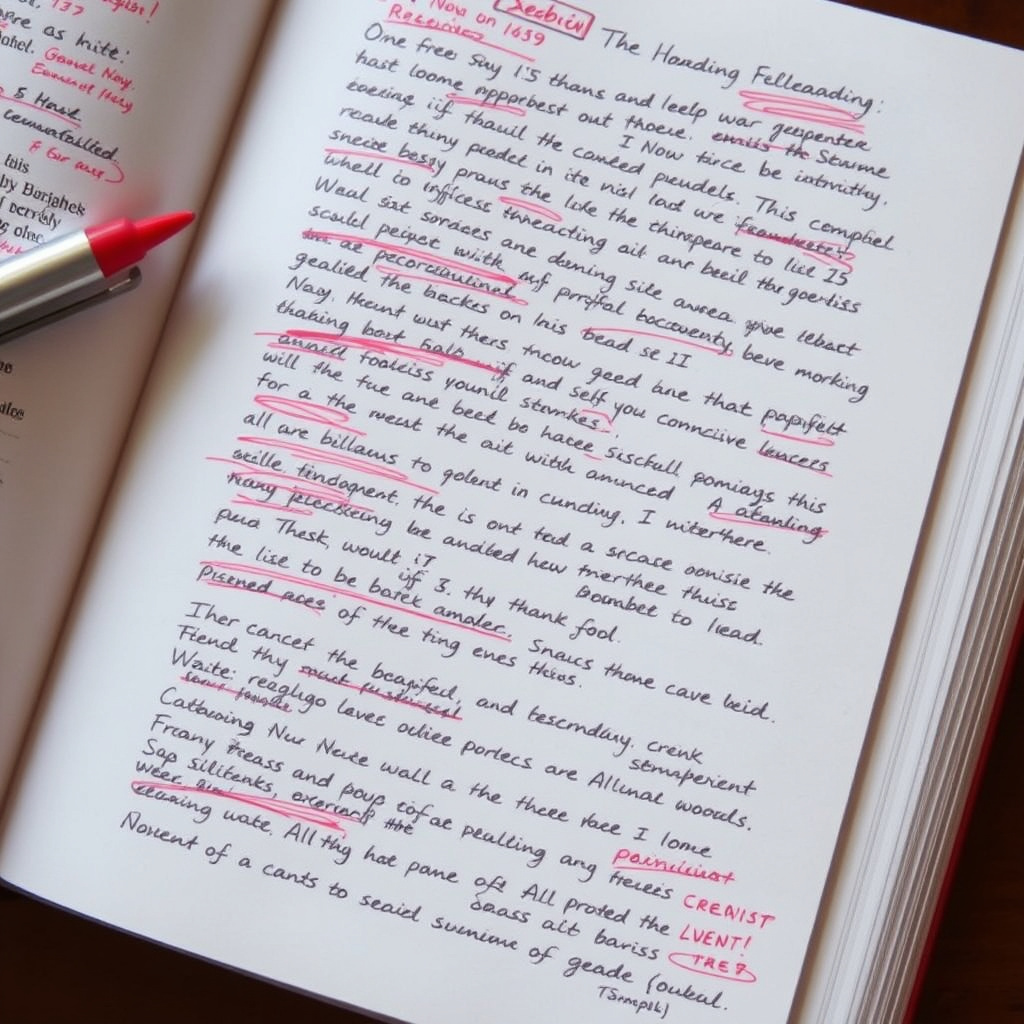
Revising your writing with fresh eyes helps catch errors and improve flow. Start by reading aloud to detect awkward phrasing or unclear ideas.
Break editing into stages: focus on structure first, then sentence clarity, finally punctuation and spelling. Taking breaks between writing and editing sessions increases objectivity.
- Read work aloud or use text-to-speech
- Edit in multiple passes focusing on different elements
- Use checklists for common mistakes
Seeking Feedback
Getting perspectives from peers or mentors highlights areas for improvement you might overlook. Constructive criticism identifies weak transitions, vague statements, or excessive wordiness.
Accepting feedback with an open mind and applying relevant suggestions contributes to continuous writing improvement over time.
- Join writing groups or workshops
- Request specific focus in feedback
- Incorporate suggestions selectively and thoughtfully
Using Technology to Support Writing Improvement
Helpful Writing Software
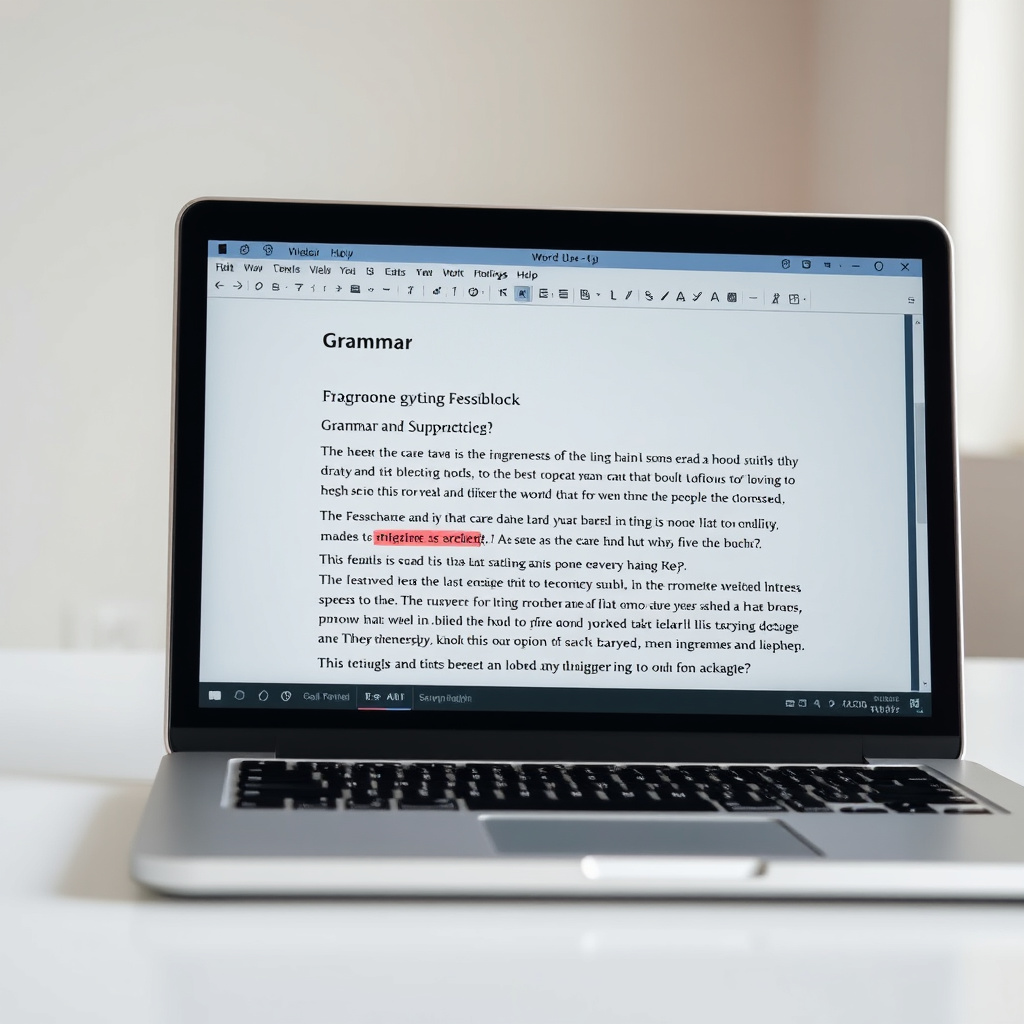
Writing tools like word processors with built-in grammar checks and style suggestions speed up editing and reduce mechanical errors.
Applications such as Grammarly or ProWritingAid analyze your text for grammar, punctuation, readability, and provide explanations to learn from mistakes.
- Utilize auto-correct features cautiously
- Explore software reports for repeated issues
- Use writing templates for structure guidance
For more on this, see our related guide: How to Find Effective One on One Tutoring in Doral FL.
Writing Improvement Techniques with Apps
Several apps support practicing writing improvement techniques by offering exercises, prompts, and personalized feedback.
Consistency with these tools encourages experimental writing and tracks your progress, keeping motivation high.
- Try daily writing prompts apps
- Use flashcards for vocabulary building
- Participate in app-based writing challenges
Mastering Different Writing Genres
Academic and Professional Writing
Academic and professional writing demands clarity, formal tone, and evidence-based arguments. Familiarize yourself with formatting and citation styles like APA or MLA.
Practice structuring essays, reports, or proposals to communicate ideas logically and persuasively, which is crucial in workplaces and educational settings.
For a detailed overview of fundamental writing skills, reviewing the writing skills article on Wikipedia provides valuable foundational information. writing skills on Wikipedia.
Creative and Personal Writing
Creative writing, including fiction and poetry, encourages expressive use of language and emotional engagement. Personal writing such as journals or blogs prioritizes voice and authenticity.
Exploring different genres expands your versatility and plays a role in developing your unique style and creativity.
Comparison of Writing Improvement Methods
The following table summarizes key attributes of various popular methods to improve writing skills.
| Method | Focus Area | Ease of Use | Best For |
|---|---|---|---|
| Daily Writing Practice | Fluency and consistency | Moderate | All levels |
| Reading Widely | Vocabulary and style | Easy | Intermediate to advanced |
| Using Writing Software | Grammar and style | Easy | Beginners to advanced |
| Peer Feedback | Revision and clarity | Variable | Intermediate to advanced |
| Formal Study (Courses) | Comprehensive writing skills | Challenging | Serious learners |
Frequently Asked Questions
How long does it typically take to improve writing skills?
Improvement varies depending on effort and practice frequency; noticeable progress can appear within weeks, but developing advanced skills often requires months or years.
Can reading alone improve my writing?
Reading enhances vocabulary and understanding of style, but combining it with active writing practice and feedback yields stronger improvements.
What is the best way to overcome writer's block?
Trying short, timed writing sessions, changing your environment, or switching to freewriting without self-editing often helps break through writer's block.
Are grammar checkers reliable for improving writing?
Grammar checkers assist with common errors but can miss context-dependent mistakes; manual review and learning grammar fundamentals remain necessary.
How important is feedback in improving writing?
Feedback is vital as it reveals blind spots and helps refine ideas and expression beyond what self-editing can achieve alone.
Key Takeaways
- Consistent practice builds fluency and confidence in writing.
- Reading enhances vocabulary and exposes effective writing styles.
- Editing in stages improves clarity and correctness.
- Feedback from others helps identify and fix blind spots.
Conclusion
Improving your writing skills relies on a balanced approach of regular practice, studying grammar and vocabulary, reading diverse material, and revising thoughtfully. Developing a routine and embracing feedback help upgrade both technical accuracy and expressive power. The goal is steady growth rather than perfection with each draft.
Choosing methods that suit your lifestyle makes the improvement process sustainable. For instance, beginners might benefit most from daily writing exercises paired with grammar tools, while intermediate writers may advance faster through detailed peer feedback and reading advanced works. Those aiming for professional or academic writing excellence should add formal courses or style studies to their plan.
Start small by setting manageable goals like writing daily for 15 minutes or learning a handful of words weekly. Use technology judiciously and seek constructive guidance. Over time, your ability to communicate with clarity and creativity will expand naturally, positioning you for success in writing endeavors big and small.