How to Stay Focused on Homework: Effective Strategies for Better Concentration
Staying focused on homework starts with minimizing distractions, setting clear goals, and organizing your workspace. These steps directly improve your ability to concentrate and complete tasks efficiently without wasting time or energy.
Focus during homework matters because it affects the quality and speed of your work. When distractions pull you away, you lose momentum, making it harder to retain information and finish assignments on time. Developing strong focus habits helps you learn more deeply and manage your workload better.
This article covers practical approaches to stay focused on homework, including environmental tips, time management techniques, motivation boosters, and healthy habits. We'll explore how to create an effective study routine, manage interruptions, and sustain concentration over longer sessions.
Creating an Environment That Supports Focus

Designing a Distraction-Free Workspace
Choosing the right place to do homework plays a big role in focus. A quiet, comfortable space with good lighting and limited noise helps the brain stay alert. Removing items like phones, gaming devices, or unrelated books cuts down temptation and distractions.
Keep your study area tidy and stocked with necessary supplies so you don’t have to interrupt your flow looking for things. A consistent location for homework also trains your mind to get into 'study mode' more quickly.
- Use noise-cancelling headphones if necessary
- Place phones in another room or on silent mode
- Keep water and light snacks nearby to avoid breaks
Managing Digital Distractions
In the digital age, staying focused on homework means controlling your device usage. Apps and websites often tempt you away with notifications and social media. Installing website blockers during study time or setting phone timers restricts these interruptions.
Consider using focus-enhancing apps that encourage work intervals and breaks by timing your sessions. This digital discipline prevents multitasking, which can degrade concentration.
- Turn off all non-essential notifications
- Use website blockers like Cold Turkey or StayFocusd
- Activate airplane mode during study blocks
Time Management Techniques to Boost Concentration
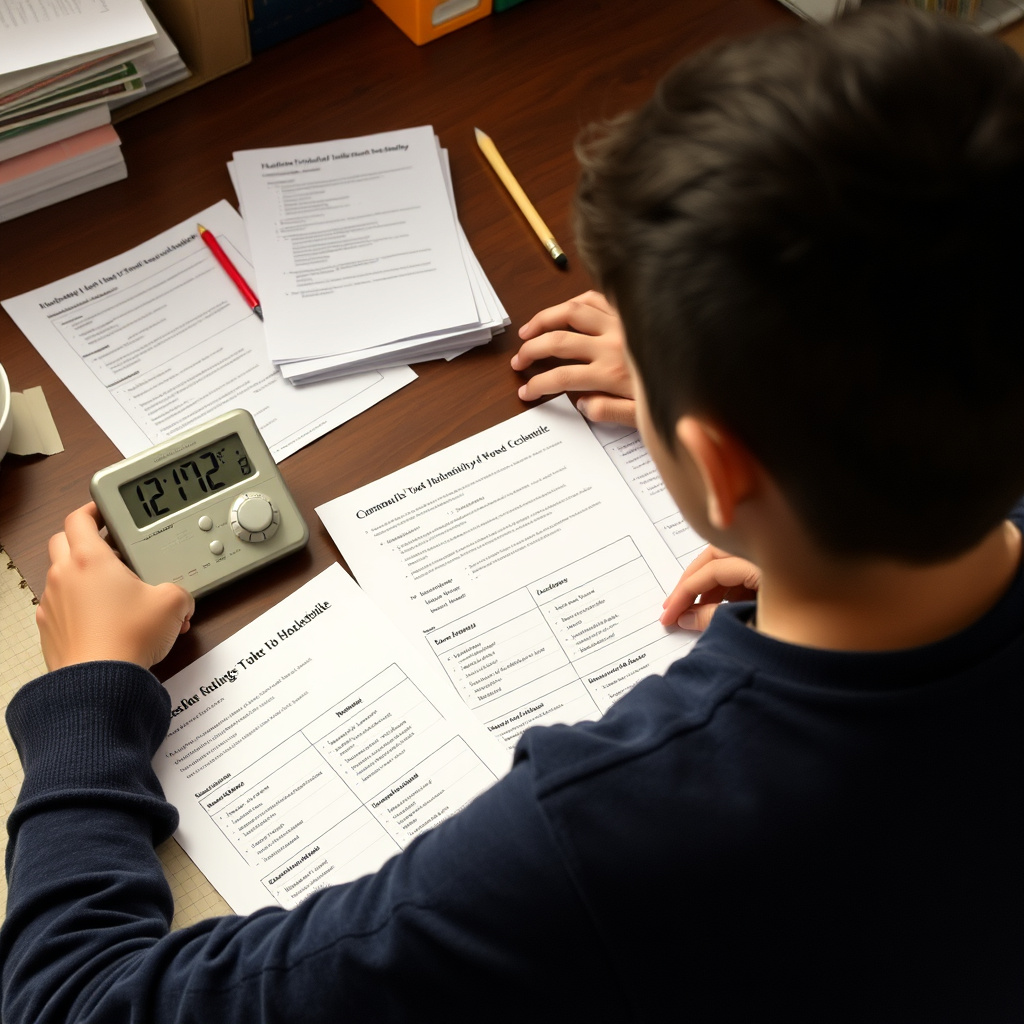
Using the Pomodoro Technique Effectively
The Pomodoro Technique breaks homework into focused intervals, typically 25 minutes of work followed by a 5-minute break. This helps maintain high concentration by balancing work and rest. It also creates a sense of urgency, which keeps motivation up.
After four Pomodoro sessions, taking a longer break of 15-30 minutes refreshes your brain and reduces mental fatigue. This method helps avoid burnout during long homework sessions.
- Work for 25 minutes, then take a 5-minute break
- Repeat four rounds before a longer break
- Use a timer app or simple kitchen timer
For more on this, see our related guide: How to Get Effective Math Homework Help Fast and Easily.
Prioritizing Homework Tasks
List and rank your homework assignments by deadline and difficulty to focus on high-priority tasks first. Tackling tougher problems when your mind is fresh makes use of peak concentration periods.
Breaking tasks into smaller steps avoids feeling overwhelmed and increases the likelihood of steady progress. Completion of small goals also boosts motivation, making it easier to stay focused.
- Create a homework checklist with deadlines
- Estimate time required for each task
- Divide large tasks into smaller, manageable parts
Building Motivation and Mental Focus

Setting Clear and Achievable Goals
Defining what you want to accomplish in a study session helps direct your focus. Goals should be specific, measurable, and realistic to keep you engaged without frustration.
Writing down objectives before homework starts acts as a mental contract, reducing distraction and procrastination. Celebrating small wins after each goal completion fuels ongoing motivation.
- Set daily homework targets
- Celebrate task completion with short rewards
- Review your progress at the end of each session
Using Mindfulness and Focus Exercises
Practices like deep breathing, meditation, or even short stretches before homework can improve mental clarity. These exercises reduce anxiety and sharpen attention, allowing deeper engagement with the material.
Regular mindfulness strengthens your brain’s ability to resist distraction by training sustained attention. Even 5 minutes before sitting down can have noticeable effects on focus.
- Try guided meditation apps like Headspace
- Practice deep breathing for 3-5 minutes
- Perform simple neck and shoulder stretches
Healthy Habits to Maintain Concentration

Nutrition and Hydration for Brain Power
Eating nutritious snacks such as nuts, fruits, and whole grains provides steady energy, avoiding blood sugar crashes that cause brain fog. Staying hydrated with water also improves alertness and cognitive function during homework.
Avoid high-sugar or heavily processed foods before studying because they lead to energy peaks and rapid drops. Instead, focus on balanced meals that sustain mental stamina.
- Keep a water bottle at your desk
- Snack on almonds, berries, or yogurt
- Avoid excessive caffeine close to study time
For more on this, see our related guide: How to Choose a Tutor for Struggling Students: A Practical Guide.
Incorporating Regular Physical Activity
Physical movement increases blood flow to the brain and releases chemicals that enhance focus and mood. Short, frequent activity breaks during long homework sessions can refresh your mind and improve productivity.
Even light activities like stretching or a quick walk help reset your attention span, making it easier to return to homework tasks with renewed concentration.
- Take 5-minute movement breaks every hour
- Try simple desk stretches or light exercises
- Use walking as a mental reset between subjects
Dealing with Procrastination and Mental Blocks

Recognizing and Overcoming Avoidance Tactics
Procrastination often hides behind distractions or negative feelings about homework difficulty. Recognizing these patterns, like repeatedly checking your phone or daydreaming, is the first step to regaining control.
Use time limits and accountability, such as working alongside a peer or setting short timers, to push through initial resistance and build momentum toward task completion.
- Identify what triggers your procrastination
- Set strict start and stop times for tasks
- Work in study groups or with a partner when possible
For more insights on improving concentration techniques, the American Psychological Association offers detailed guidance. improving concentration techniques.
Techniques for Breaking Through Mental Blocks
When stuck on a difficult problem, taking a short break to clear your mind or switching to a different task can restore focus. Returning later often helps you approach the homework with a fresh perspective.
Journaling your thoughts or talking aloud through problems clarifies confusion and encourages problem-solving. Don't hesitate to ask teachers or classmates for help to maintain progress.
- Use the 'two-minute rule' to start tasks
- Change tasks if stuck for over 10 minutes
- Seek external help early rather than later
Homework Focus Strategies Comparison
Below is a comparison of popular homework focus methods analyzing their benefits, pros, and cons.
| Strategy | Primary Benefit | Best For | Potential Drawbacks |
|---|---|---|---|
| Pomodoro Technique | Structured breaks enhance stamina | Students prone to distraction | Interruptions can disrupt timing |
| Digital Distraction Blocking | Limits online interruptions | Heavy digital device users | May feel restrictive or frustrating |
| Goal Setting | Motivates progress | Those lacking motivation | Goals may be unrealistic without planning |
| Mindfulness Exercises | Improves mental clarity | Students with anxiety or stress | Requires practice to be effective |
| Prioritizing Tasks | Focus on important homework | Busy students with multiple assignments | May cause procrastination on difficult tasks |
Frequently Asked Questions
How long should I study without breaks to stay focused?
Most experts recommend 25-30 minute study sessions with short 5-minute breaks to maintain peak concentration and prevent burnout.
Can I listen to music while doing homework to improve focus?
Music with no lyrics or ambient sounds can help some students focus, but others find it distracting. Try different options to see what helps you concentrate best.
What is the best way to avoid procrastination during homework?
Setting small, manageable goals and using timers to start tasks promptly can help overcome procrastination by reducing overwhelm and encouraging active engagement.
Does exercise really improve study focus?
Yes, short bouts of physical activity increase blood flow and cognitive function, refreshing your mind and enhancing concentration during homework.
How can I reduce digital distractions while studying?
Turning off notifications, using website blockers, and placing devices out of reach are effective strategies to minimize interruptions from digital distractions.
Key Takeaways
- Create a distraction-free environment to improve focus
- Use time management tools like Pomodoro for sustained concentration
- Set clear goals and break tasks into smaller steps
- Maintain healthy habits such as hydration and regular physical activity
Conclusion
Choosing how to stay focused on homework involves aligning study habits with your personal preferences and the types of distractions you face. Setting up a dedicated workspace and controlling digital temptations lay the groundwork, while time management techniques like the Pomodoro method structure your workflow. Building motivation through goal-setting and mindfulness exercises helps sustain attention over multiple study sessions, especially during challenging assignments.
For students dealing with heavy homework loads, prioritizing tasks and breaking them down into achievable goals prevents overwhelm and maintains steady progress. Those struggling with digital distractions benefit from screen blockers and designated device-free study times. Incorporating regular healthy habits like hydration, nutrition, and movement supports brain function and focus during long sessions. Combining these strategies tailored to your habits creates a consistent and productive homework routine.
Start by evaluating your current study environment and identify key distractions. Experiment with techniques such as goal setting and timed work intervals to find what fits best for you. Staying focused on homework is a skill honed through practice, patience, and small adjustments—commit to these changes, and your homework efficiency and learning will improve markedly.