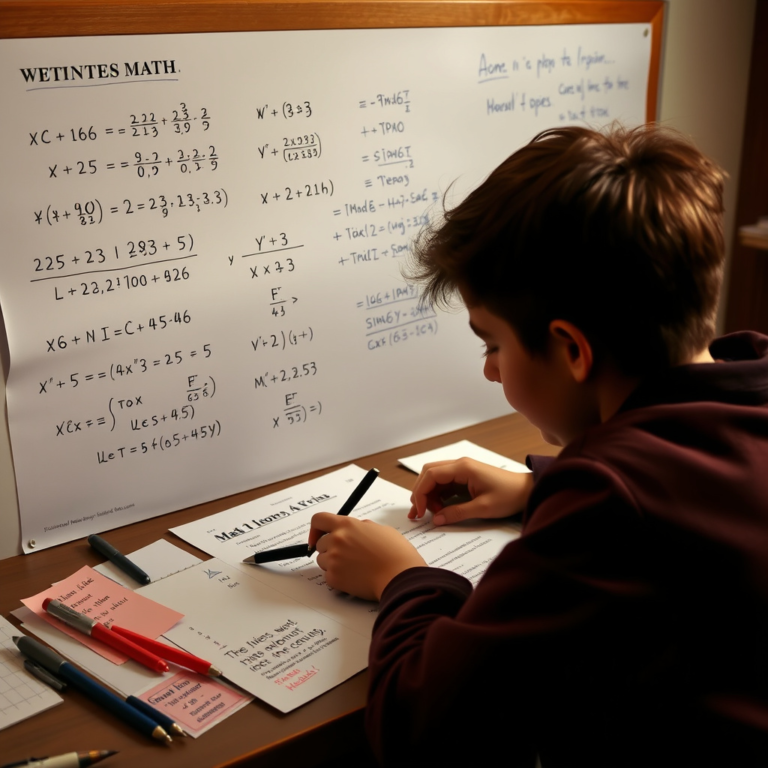
How to Study for Finals: Effective Strategies to Maximize Your Exam Success
Preparing for finals requires a focused and organized approach to studying, combining review techniques, time management, and healthy habits. Effective study for finals means creating a plan that covers all materials systematically, breaking tasks into manageable chunks, and using active recall and spaced repetition to reinforce knowledge.
Final exams often cover a vast amount of material, making unstructured last-minute cramming ineffective. When you adopt a consistent approach to study for finals, you improve retention and reduce anxiety, leading to better performance. Understanding the best ways to study can make all the difference between feeling overwhelmed and feeling confident walking into the exam room.
This article will explore key strategies for studying for finals, including how to organize your study schedule, choosing study materials, techniques to actively engage with the content, and tips for maintaining your mental and physical well-being during exam season.
Creating an Effective Study Schedule for Finals
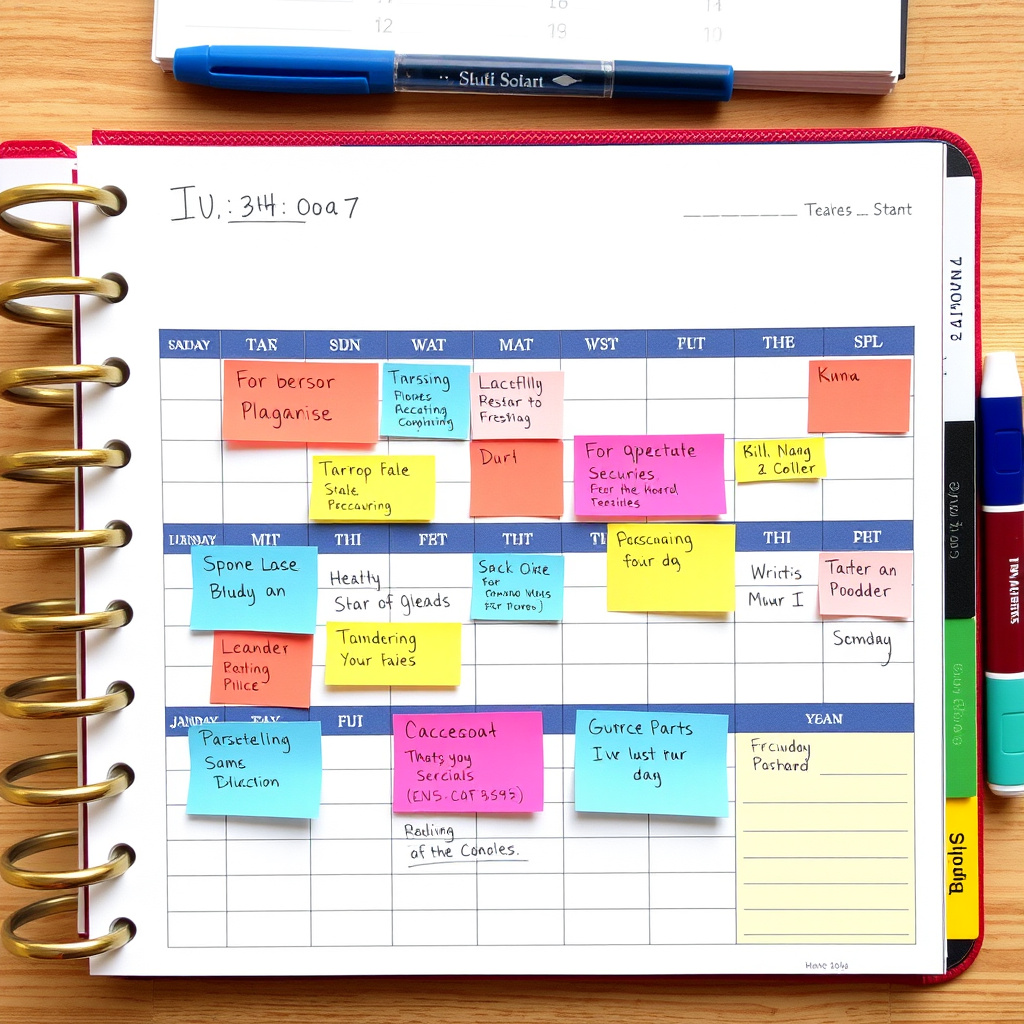
Assessing Your Exam Dates and Priorities
Begin by listing all your final exam dates and the subjects involved. This helps identify which exams require more preparation time based on difficulty and your comfort level.
Ranking subjects by priority allows you to allocate more hours to the most challenging courses while still reserving time for review of easier topics.
- List all exam dates
- Rank subjects by difficulty
- Note overlapping or consecutive exams
- Estimate study hours needed per subject
Blocking Study Time and Setting Realistic Goals
Divide your available time into focused study blocks of 45-60 minutes, separated by short breaks to maintain concentration. Assign specific topics or chapters to each study block for clarity.
Set achievable goals for each session, like mastering key concepts or completing practice problems, which makes study time more productive and helps track progress.
- Use a timer for study sessions
- Include short breaks to avoid burnout
- Prioritize difficult topics early in the day
- Adjust schedule flexibility for unexpected tasks
Selecting and Organizing Study Materials

Gathering Essential Resources
Collect all relevant textbooks, lecture notes, past exams, and any supplemental materials provided by instructors. Having everything at hand prevents wasted time during study sessions.
Digital tools such as educational apps or online resources can complement physical materials, especially for interactive learning and practice tests.
- Textbooks and class notes
- Past quizzes and exams
- Online educational platforms
- Study guides and flashcards
Organizing Notes for Efficient Review
Summarize your notes by highlighting key points, creating outlines, or making mind maps. This condenses large volumes of information into manageable overviews.
Organized notes facilitate retrieval during study and exam situations, making revision faster and more effective.
- Color-code topics for quick navigation
- Use bullet points and headings
- Create diagrams to visualize relationships
- Keep digital and physical notes synchronized
Active Study Techniques to Enhance Retention

Practice Testing and Self-Quizzing
Taking practice exams or self-generated quizzes forces retrieval of information, strengthening memory pathways. This active recall is far more effective than passive reading.
Regularly testing yourself can highlight knowledge gaps, allowing targeted review before the final exam.
- Use past exams if available
- Create flashcards for key terms
- Schedule timed practice sessions
- Review incorrect answers thoroughly
Teaching and Discussing Concepts
Explaining material to others requires clear understanding, helping you process and remember information better. Study groups or teaching a peer can expose misunderstandings.
Discussing concepts aloud engages different cognitive skills and helps connect ideas, improving comprehensive understanding.
- Form or join study groups
- Use whiteboards or notes to explain
- Ask and answer questions with peers
- Summarize aloud in your own words
Managing Stress and Maintaining Well-being During Finals

Incorporating Breaks and Physical Activity
Taking regular breaks during study sessions prevents mental fatigue and improves focus. Short walks, stretching, or light exercise can boost mood and energy levels.
Physical movement also reduces exam stress and helps maintain overall health for better cognitive function during study and testing.
- Schedule 5-10 minute breaks every hour
- Do simple stretches or yoga
- Take short walks outside
- Avoid prolonged sitting
Eating Well and Getting Adequate Sleep
Nutritious meals rich in protein, healthy fats, and complex carbs provide sustained energy for long study periods. Avoid excessive caffeine or sugar which can cause crashes.
Consistent sleep between 7-9 hours supports memory consolidation and concentration, essential for retaining material during finals.
- Eat balanced meals
- Stay hydrated
- Limit caffeine intake after noon
- Prioritize regular sleep schedule
Utilizing Technology and Resources for Final Exam Study

Study Apps and Online Tools
Apps designed for flashcards, time management, and note-taking can streamline your study process. They offer features like spaced repetition algorithms that boost long-term retention.
Online video tutorials and forums provide alternative explanations and support when topics are unclear, making self-study more dynamic.
- Anki or Quizlet for flashcards
- Pomodoro timers for focus
- Digital note organization apps
- Educational YouTube channels
Leveraging School Resources
Many institutions offer review sessions, tutoring, or access to study guides which can complement your personal preparation. Taking advantage of these resources can clarify difficult material.
Consulting instructors during office hours can provide direct feedback and help target your study efforts based on exam expectations.
- Attend review workshops
- Use tutoring services
- Access library materials
- Ask questions during office hours
Final Review and Exam Day Preparation

Last-Minute Review Strategies
Focus on summarizing key formulas, definitions, or concepts instead of trying to relearn large sections. Use active recall rather than passive reading to reinforce memory.
Avoid trying to cover new material at the last minute, which can increase anxiety and reduce sleep quality before the exam.
- Review summary notes
- Quiz yourself on flashcards
- Avoid cramming unfamiliar topics
- Relax and breathe deeply
For a broader understanding of final exams, you can visit this final exams overview on Wikipedia. final exams overview.
Practical Tips for Exam Day
Prepare all necessary materials the night before, including ID, pens, calculators, and permitted notes. Arrive early to the exam location to reduce stress.
Ensure a nutritious breakfast and stay hydrated. Begin the exam by carefully reading through all questions and managing your time wisely for each section.
- Pack supplies in advance
- Eat balanced breakfast
- Arrive early
- Read instructions thoroughly
Study Methods Category Comparison
This table compares common study methods based on effectiveness, ease of use, and best use case scenarios to help you decide what fits your style.
| Method | Effectiveness | Ease of Use | Best For |
|---|---|---|---|
| Practice Testing | High | Moderate | Retention and exam simulation |
| Flashcards | High | Easy | Memorization of facts and terms |
| Group Study | Moderate | Challenging | Clarifying concepts through discussion |
| Passive Reading | Low | Easy | Initial familiarization |
| Teaching Others | High | Moderate | Deep understanding and retention |
Frequently Asked Questions
How far in advance should I start studying for finals?
Ideally, begin reviewing material at least 3-4 weeks before finals. This allows time to space out study sessions and avoid last-minute cramming.
What is the best way to avoid procrastination while studying?
Set a structured study schedule with clear goals, use timers for focused sessions, and minimize distractions by creating a dedicated quiet study space.
Are group study sessions helpful for final exam preparation?
Group study can be beneficial if members stay focused and actively discuss material. It helps identify knowledge gaps and reinforce concepts through teaching.
How should I handle subjects I find particularly difficult?
Allocate extra study time to difficult subjects and seek help from instructors, tutors, or classmates. Use multiple study methods like practice testing and teaching to deepen understanding.
Can taking breaks really improve study effectiveness?
Yes, incorporating regular short breaks prevents mental fatigue, improves focus, and helps consolidate information, making study time more productive.
Key Takeaways
- Plan and prioritize your study schedule early to cover all exam material
- Use active study techniques like practice testing and teaching for better retention
- Balance study with breaks, good nutrition, and sleep to maintain performance
- Leverage technology and school resources to enhance your final exam study
Conclusion
When determining how to study for finals, the most effective strategy starts with structured planning that reflects your exam schedule and personal strengths. Allocating focused study time, organizing materials efficiently, and using active recall methods creates a foundation of confidence. Consistently reviewing and self-testing helps embed concepts deeply, reducing reliance on last-minute memorization which often leads to stress and poor retention. This methodical approach empowers you to master content and approach your exams with clarity and calm.
For students handling multiple finals from varying difficulty levels, prioritizing based on challenges and exam proximity is helpful. Applying final exam study tips such as breaking down topics into manageable chunks and complementing your efforts with group study or tutoring can address different learning needs. Balancing this with practices to support mental and physical well-being ensures stamina during intense study periods. For example, practice testing is excellent for memorization-heavy subjects, while teaching others can solidify your understanding in conceptual courses.
Ultimately, the best next step is to design a personalized study plan today that incorporates these effective strategies. Start by making a detailed schedule aligned with your exam timeline, gather and organize your study materials, and adopt active techniques like flashcards and mock exams. Don’t neglect stress management through breaks, nutrition, and rest. This comprehensive approach to how to study for finals increases your chances of not only passing but truly mastering your courses.