How to Help Kids Succeed in School: Practical Strategies for Parents
Helping kids succeed in school starts with creating a supportive environment that nurtures their learning and confidence. Parents can foster success by encouraging good study habits, maintaining clear communication with teachers, and providing consistent motivation tailored to their child's unique needs.
Academic achievement significantly affects a child's future opportunities and self-esteem, so guiding them early on contributes to long-term benefits. Understanding how children learn best and where they might need extra help allows parents to intervene thoughtfully and effectively.
This article covers key approaches for parents to help kids succeed in school, including organizing study routines, encouraging positive behaviors, supporting emotional well-being, leveraging school resources, and navigating common challenges that affect academic success.
Creating a Productive Study Environment
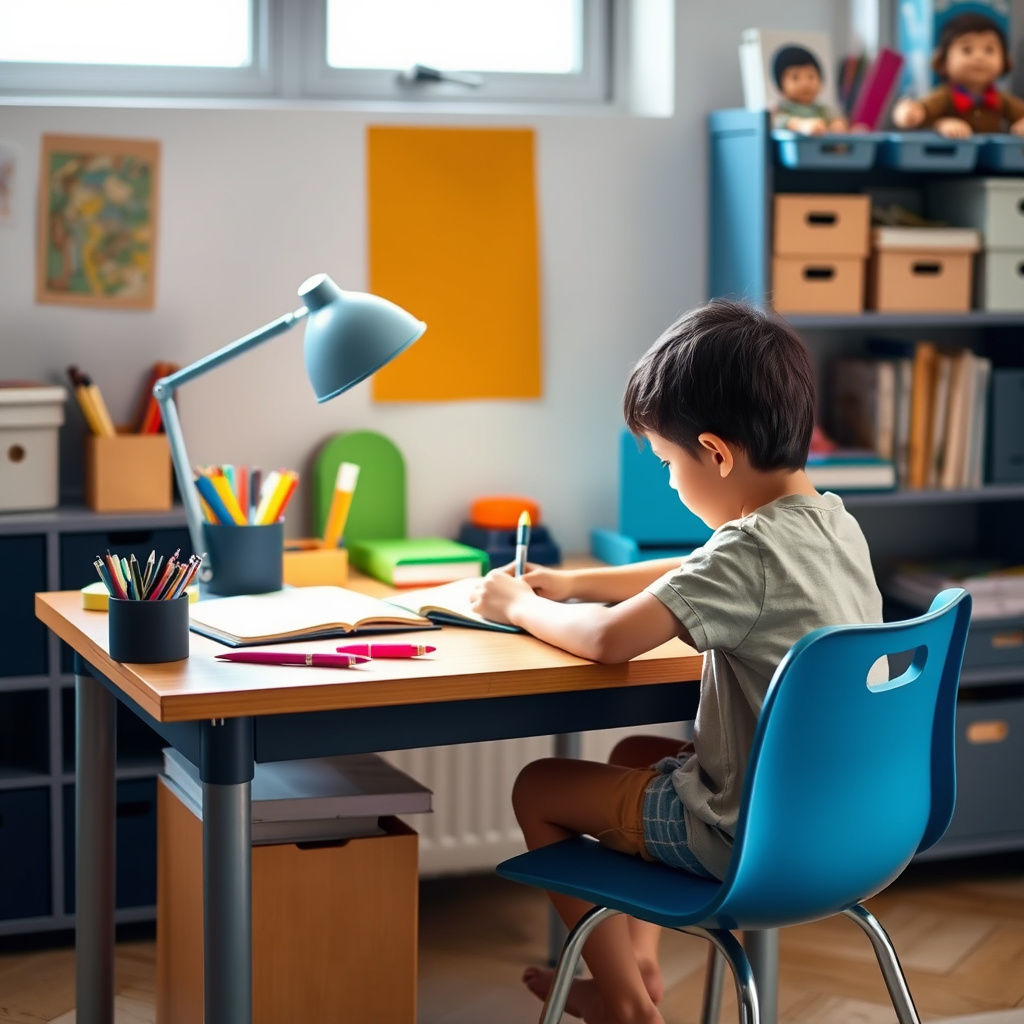
Designating a Dedicated Study Space
A specific area for homework and studying reduces distractions and helps children associate that space with focus and learning. Ideally, this place is quiet, well-lit, and stocked with necessary supplies like pencils, paper, and books.
Consistency in using this spot reinforces a routine that supports concentration and productivity, which are crucial for academic success. Avoid spaces prone to interruptions such as near televisions or busy household areas.
- Quiet and free from distractions
- Good lighting, preferably natural light
- Organized with essential supplies
Establishing Regular Study Routines
Setting clear, consistent times for homework helps kids build discipline and manage their workload better. This routine supports time management skills and reduces last-minute stress before tests or project deadlines.
Parents should balance study sessions with breaks to maintain attention and avoid burnout. Using timers or planners can help children visualize their tasks and plan accordingly.
- Fixed daily homework times
- Scheduled breaks for rest
- Use of planners or timers
Encouraging Positive Learning Habits

Promoting Active Participation and Curiosity
Children who ask questions and engage actively during lessons absorb material more effectively. Encouraging curiosity through discussions about school topics at home can deepen understanding and stimulate interest.
Parents can model inquisitive behavior by exploring topics together and showing enthusiasm for learning. This fosters an environment that values knowledge beyond grades.
- Ask open-ended questions after school
- Explore related books or videos
- Show genuine interest in school subjects
Reinforcing Responsibility and Accountability
Teaching kids to take ownership of assignments and deadlines helps them develop responsibility. Parents can support this by reviewing homework, gently reminding about due dates, and encouraging self-checking their work.
Accountability also builds resilience by helping children recognize areas for improvement and celebrate their efforts and achievements.
- Set clear expectations for homework
- Encourage independent error correction
- Praise effort as much as results
Supporting Emotional and Social Well-being

Recognizing and Managing Stress
School pressures, such as tests and social dynamics, can overwhelm children. Parents should watch for signs of stress like irritability, withdrawal, or declining grades and address them with empathy and problem-solving strategies.
Creating open channels of communication lets kids share their concerns, making challenges less intimidating and improving their emotional resilience.
- Observe mood and behavior changes
- Encourage honest conversations
- Discuss coping strategies like breathing exercises
Encouraging Healthy Peer Relationships
Positive friendships contribute to emotional security and motivate school participation. Parents can facilitate social interactions through extracurricular activities and guide kids in handling conflicts constructively.
Teaching empathy and cooperation helps children navigate social challenges that might otherwise distract from academic focus.
- Support involvement in group activities
- Discuss ways to resolve disagreements amicably
- Model respectful communication
Collaborating with Teachers and School Resources
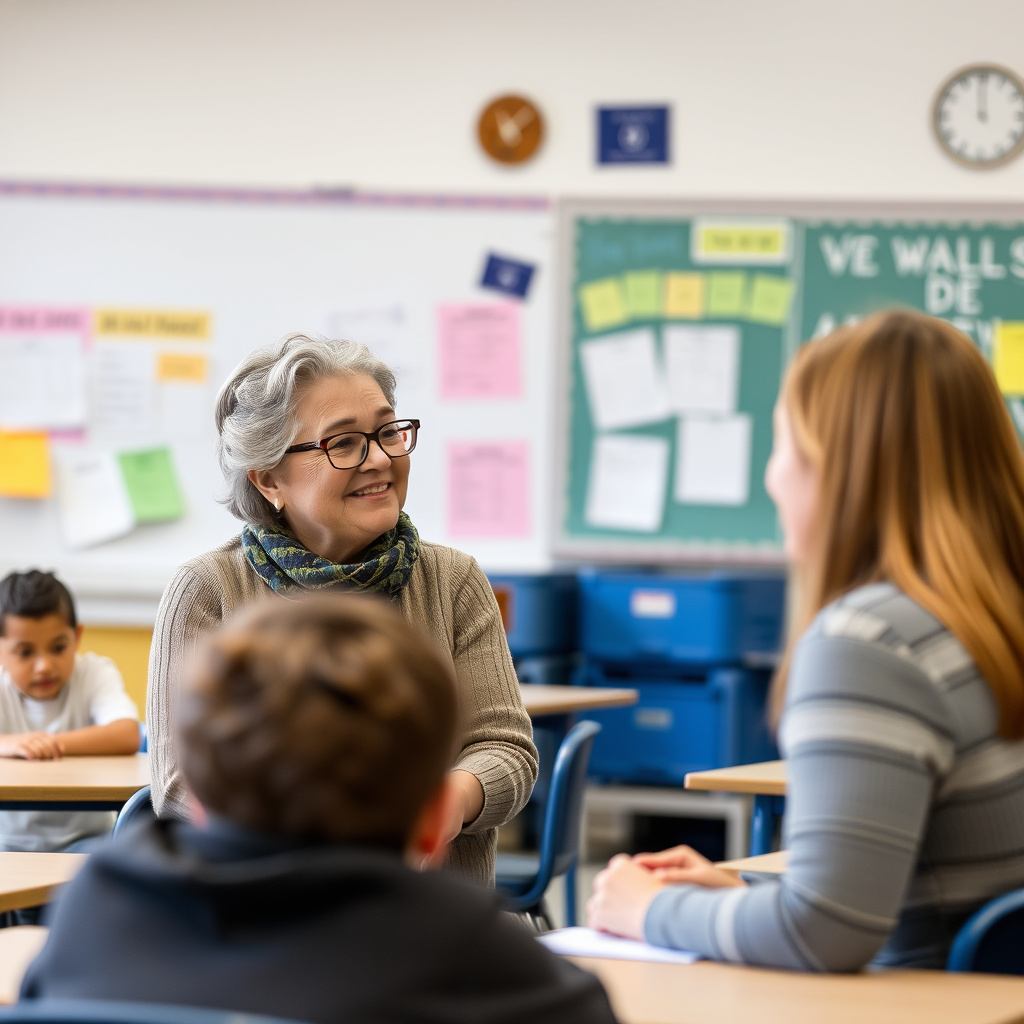
Maintaining Regular Communication with Educators
Building a relationship with teachers keeps parents informed about academic progress and behavior, allowing early intervention if issues arise. Communication can occur via emails, meetings, or school portals.
Understanding the school's expectations and curriculum enables parents to better support homework and project requirements.
- Attend parent-teacher conferences
- Monitor online gradebooks or reports
- Seek clarification on homework or assessments
Utilizing Additional School Support Services
Many schools offer tutoring, counseling, or special education resources to address learning challenges. Identifying and accessing these services helps children overcome obstacles and thrive.
Parents should advocate for their child's needs by learning about available programs and collaborating with staff to create personalized support plans.
- Ask about after-school tutoring options
- Explore counseling or mental health programs
- Request evaluations for learning difficulties if needed
Adapting to Common Academic Challenges

Helping with Time Management and Procrastination
Children often struggle with organizing their workload, leading to procrastination and stress. Parents can introduce planners, to-do lists, and step-by-step breakdowns of assignments to improve focus and task completion.
Encouraging prioritization of tasks and realistic goal-setting builds skills beneficial throughout academic life and beyond.
- Use visual schedules or checklists
- Break projects into manageable steps
- Set realistic daily goals
Addressing Learning Difficulties Early
Identifying signs of learning disabilities or attention issues enables timely intervention. Parents should observe patterns such as persistent confusion, reading struggles, or inattentiveness and consult professionals for assessments.
Early support through tailored instruction or accommodations can greatly improve a child's educational experience and confidence.
- Monitor academic or behavioral patterns
- Seek professional evaluations when warranted
- Implement recommended strategies or accommodations
Fostering Motivation and a Growth Mindset

Using Positive Reinforcement and Rewards
Recognizing effort and improvements motivates children to keep working hard. Parents can use verbal praise, small rewards, or privileges to celebrate milestones and encourage ongoing persistence.
The focus should remain on progress rather than perfection to cultivate a healthy attitude toward challenges and failures.
- Praise specific accomplishments
- Offer incentives aligned with child's interests
- Avoid criticizing mistakes harshly
For additional guidance on supporting children's education, visit this helpful resource from the U.S. Department of Education. supporting children’s learning.
Teaching the Value of Effort and Learning from Mistakes
Promoting a growth mindset shows children that intelligence and skills can improve through effort. Parents should frame errors as learning opportunities and remind kids that setbacks are normal parts of growth.
This outlook increases resilience and willingness to tackle difficult subjects or tasks.
Comparison of Support Strategies to Help Kids Succeed in School
Here is a comparison of different support strategies that parents can use to help their children achieve academic success, highlighting key features and benefits.
| Support Strategy | Primary Focus | Ideal For | Benefits |
|---|---|---|---|
| Dedicated Study Environment | Focus and Concentration | All students | Reduces distractions and promotes consistent habits |
| Active Participation Encouragement | Engagement with Learning | Curious and tactile learners | Improves understanding and interest |
| Emotional Support | Stress Management | Stress-prone or anxious children | Enhances well-being and school enjoyment |
| Teacher Collaboration | Progress Monitoring | Parents seeking updates | Timely interventions and customized help |
| Time Management Coaching | Task Organization | Procrastinators or overwhelmed kids | Improves productivity and deadlines adherence |
| Growth Mindset Promotion | Motivation | Children facing challenges | Builds resilience and perseverance |
Frequently Asked Questions
How can parents motivate kids who dislike studying?
Parents can motivate reluctant learners by connecting study topics to their interests, breaking tasks into smaller steps, offering praise for effort, and creating engaging learning activities.
What role does sleep play in school success?
Adequate sleep is vital for memory, focus, and overall cognitive function. Children with good sleep habits tend to perform better academically and have improved mood and energy.
Is it better to help with homework or let kids work alone?
Supporting homework without doing it for them encourages independence while offering guidance when needed. This balance fosters confidence and problem-solving skills.
How can parents identify if their child needs extra help at school?
Signs include persistent low grades, frustration with tasks, avoidance of schoolwork, or behavioral changes. Consulting with teachers and seeking professional evaluations can clarify support needs.
What is a growth mindset and why does it matter?
A growth mindset is the belief that abilities improve through effort. Encouraging this helps children embrace challenges, persist through difficulties, and develop a love of learning.
Key Takeaways
- Establish consistent study spaces and routines to boost focus.
- Encourage curiosity and responsibility to strengthen learning habits.
- Support emotional well-being as a foundation for academic success.
- Work closely with teachers and use school resources effectively.
Conclusion
Helping children succeed in school involves a mix of practical strategies and emotional support tailored to their needs. Setting up a productive environment and encouraging positive habits helps create a strong foundation. Recognizing when kids face challenges and acting promptly can prevent setbacks and foster confidence. Parents play a vital role by being actively involved, balancing guidance with independence, and collaborating with educators.
Specific approaches like establishing dedicated study spaces, promoting active participation, and helping with time management serve varied learning styles and challenges. For children struggling emotionally or academically, seeking school resources and professional guidance can provide essential support. Meanwhile, fostering a growth mindset encourages resilience and embraces learning as an ongoing process. These methods combined help children not only reach academic goals but also develop skills that benefit their entire lives.
Parents should begin by observing their child’s unique preferences and struggles, then gradually introduce these strategies. Consistency and patience are key, as success is a gradual journey shaped by everyday choices and encouragement. Starting conversations with teachers and involving children in planning their learning routines makes support feel collaborative and empowering. These practical steps offer a clear path toward helping kids succeed in school and flourish beyond the classroom.