How to Help Kids Learn: Effective Strategies for Child Development
Helping kids learn effectively involves creating an engaging and supportive environment tailored to their unique needs and interests. Key strategies include incorporating play-based learning, encouraging questions, and providing consistent positive feedback to guide their understanding and boost confidence.
Understanding how children absorb information and develop skills at different rates makes it easier to tailor approaches that encourage curiosity and critical thinking. Whether at home or in school, intentional methods that combine structure with creativity significantly impact a child's motivation and ability to grasp new concepts.
This article explores multiple techniques to help kids learn, including setting routines, utilizing educational resources, fostering social-emotional skills, and integrating technology thoughtfully. Each section breaks down actionable tips that parents, caregivers, and educators can apply to nurture a child’s growth effectively.
Creating a Learning-Friendly Environment to Help Kids Learn
Setting Up a Dedicated Study Space
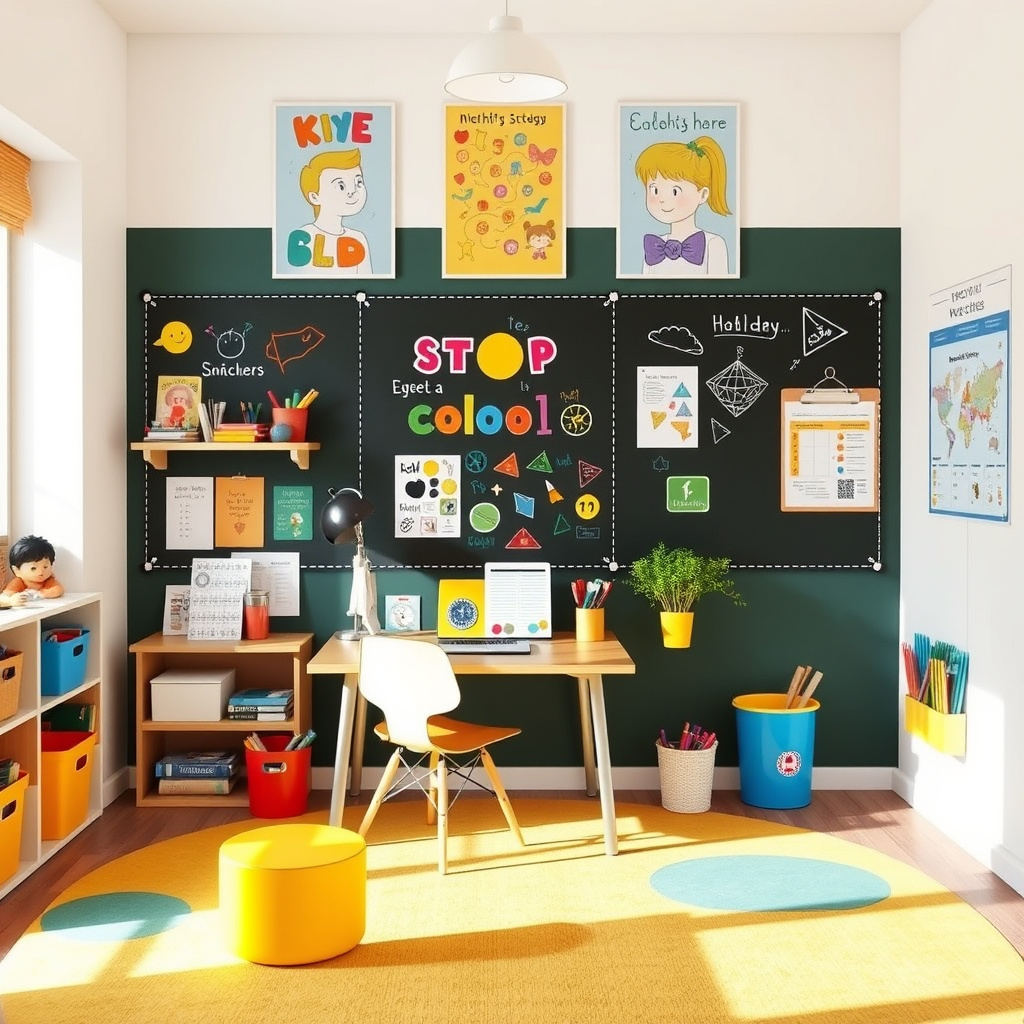
Having a well-organized and distraction-free area encourages kids to focus and associate that space with learning. Comfortable seating, good lighting, and easy access to necessary materials create an inviting atmosphere conducive to concentration.
Including visual aids like charts, bookshelves, and educational posters can stimulate interest and provide quick references. This setup also helps children develop responsibility by keeping their learning space tidy and ready for use.
- Choose a quiet corner with minimal noise
- Provide age-appropriate desks and chairs
- Ensure proper lighting and ventilation
- Organize supplies within reach
Establishing Routine and Consistency
Regular routines provide structure that children find reassuring and motivating. Scheduling consistent times for homework, reading, and play helps them develop discipline and manage expectations around learning activities.
Consistency reduces anxiety around what is expected and teaches time management skills. It is beneficial to balance study periods with breaks to avoid burnout and maintain enthusiasm.
- Set specific daily learning hours
- Include short breaks for rest and play
- Use visual timers or calendars
- Adjust routines as children grow
Using Child Learning Techniques That Engage and Motivate
Incorporating Play-Based Learning
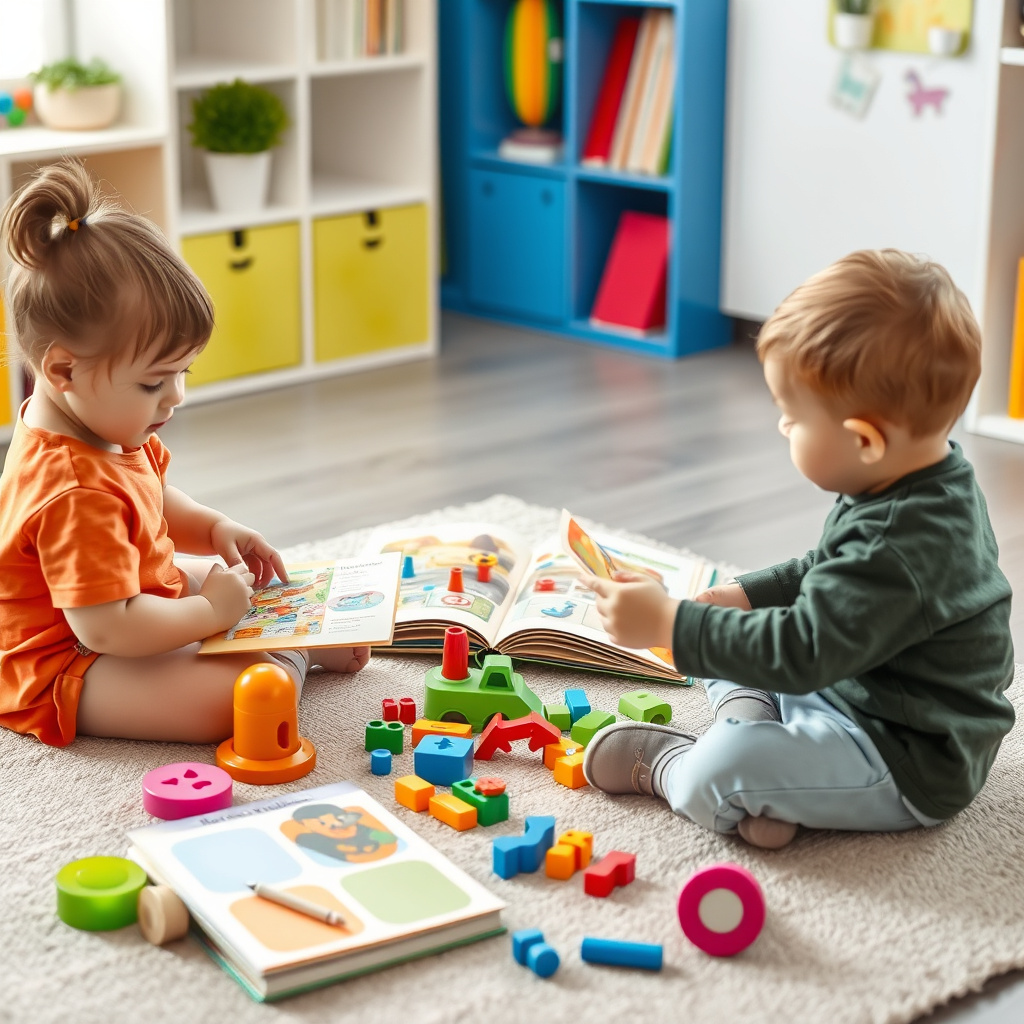
Play-based learning transforms education into an enjoyable exploration that enhances cognitive and social skills. Activities like puzzles, building blocks, and role-playing encourage creativity while reinforcing concepts through hands-on experience.
This technique supports problem-solving and vocabulary development naturally. When kids play actively, they practice collaboration and communication, making learning a social as well as intellectual process.
- Use manipulatives for math and science concepts
- Encourage imaginative play scenarios
- Combine games with storytelling
- Integrate art and music activities
Applying Positive Reinforcement
Providing praise and rewards for effort and achievement nurtures a positive attitude toward learning. Recognizing progress, no matter how small, helps build confidence and encourages kids to take on challenges without fear of failure.
Specific feedback about what was done well guides children toward effective study habits and skills development. Avoid punishments or criticism, as these can reduce motivation and create unpleasant associations with learning.
- Use verbal encouragement frequently
- Offer small incentives for milestones
- Highlight effort rather than just results
- Create a reward chart or system
Promoting Social and Emotional Growth in Learning
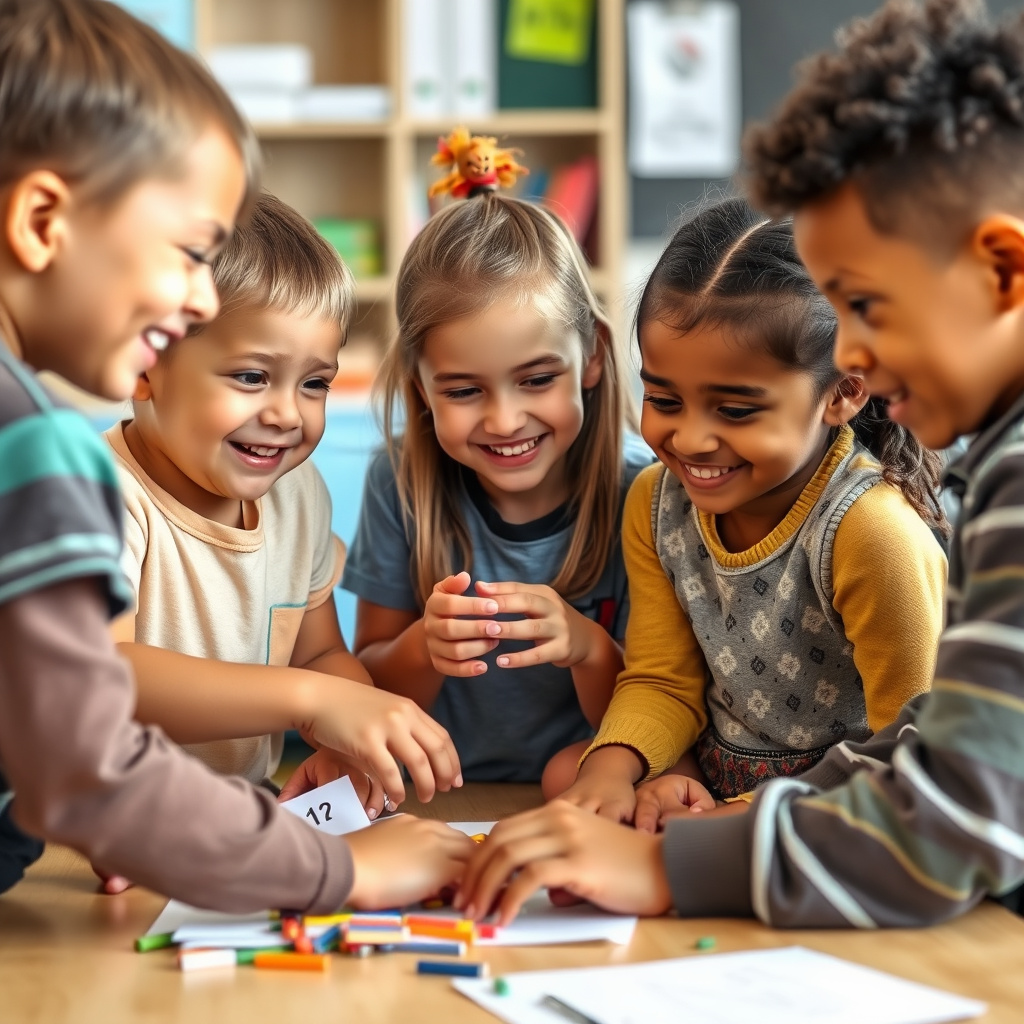
Encouraging Collaborative Learning
Group activities foster essential communication and teamwork skills by allowing kids to share ideas and solve problems together. Working with peers helps children learn patience, empathy, and how to listen actively.
Collaborative environments also introduce multiple perspectives, enriching understanding and providing opportunities to develop leadership and support roles within a group.
- Organize study groups or buddy systems
- Use cooperative games and projects
- Assign roles to balance participation
- Discuss group outcomes and feedback
Building Emotional Awareness Through Learning
Helping children recognize and express their feelings can improve focus and reduce frustration during challenging tasks. Emotional literacy supports resilience and problem-solving by teaching kids how to handle setbacks constructively.
Incorporating social-emotional lessons into academic tasks promotes holistic development and better classroom behavior, ultimately creating a healthier learning experience.
- Incorporate stories addressing emotions
- Practice mindfulness or relaxation exercises
- Discuss emotions during learning moments
- Teach coping strategies for stress
Leveraging Technology and Resources to Help Kids Learn
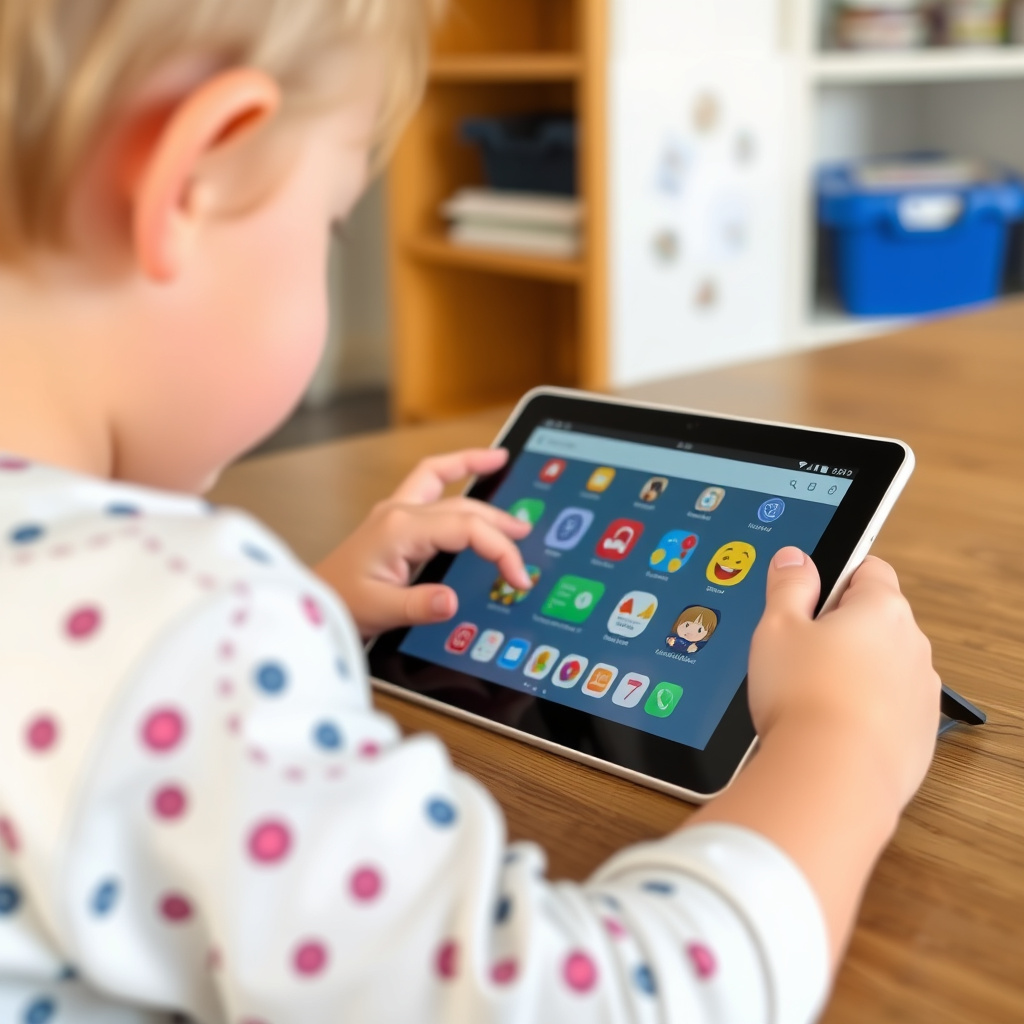
Selecting Educational Apps and Tools
Well-chosen digital resources can make learning dynamic by offering interactive lessons, quizzes, and creative activities tailored to various skill levels. Apps focusing on literacy, math, and science introduce concepts with engaging visuals and immediate feedback.
It’s important to select age-appropriate technology that complements rather than replaces traditional learning methods. Parental supervision ensures that screen time remains productive and balanced.
- Choose apps with proven educational value
- Limit daily screen time for effectiveness
- Combine technology with offline activities
- Monitor usage and progress
Using Books and Physical Educational Materials
Printed books, flashcards, and hands-on kits remain invaluable for tactile learning. These materials complement digital tools by providing varied sensory experiences that improve retention and engagement.
Parents and teachers can select materials that align with the child's interests and current curriculum to reinforce what is being learned. Reading aloud together also strengthens language skills and bonding.
- Keep a diverse home library
- Use flashcards for memorization
- Incorporate science kits for experiments
- Rotate materials to maintain interest
Adapting Teaching Methods for Different Learning Styles
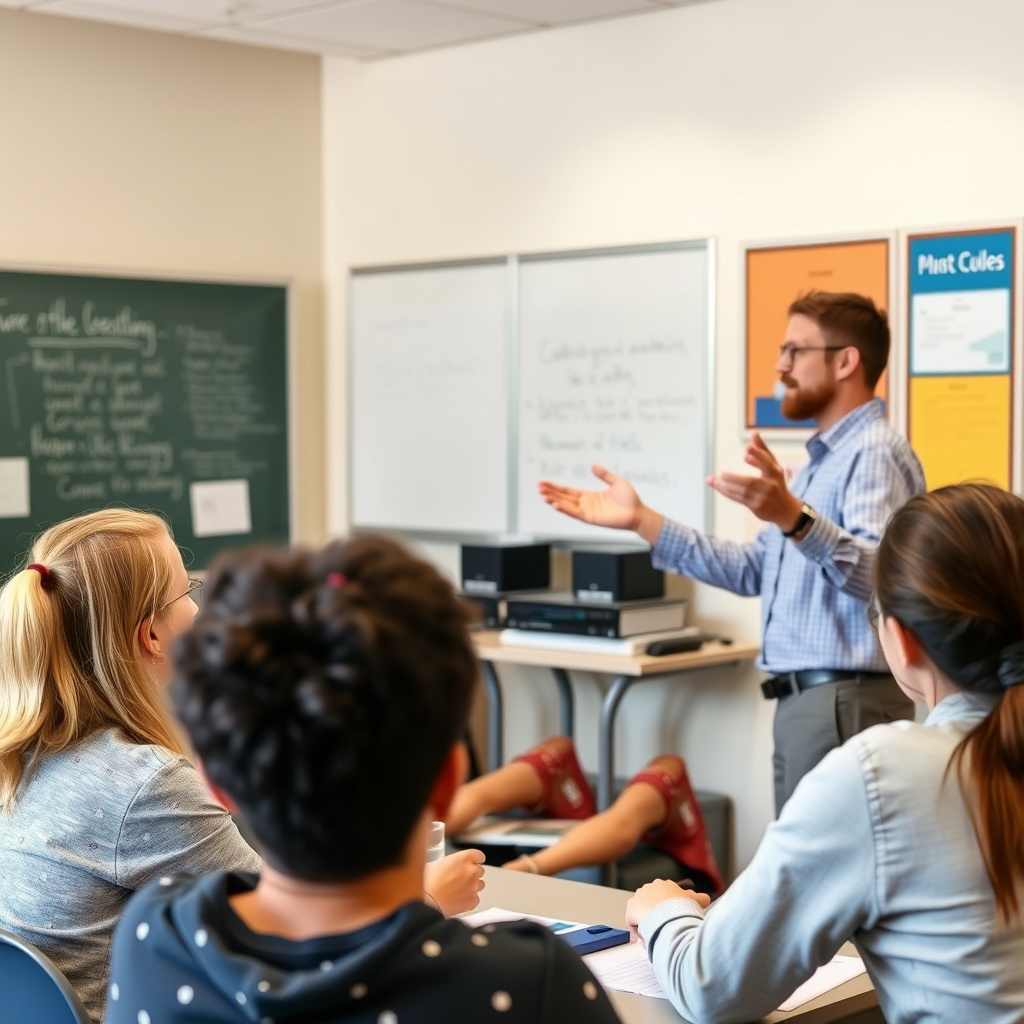
Identifying Visual, Auditory, and Kinesthetic Learners
Children absorb and process information differently. Visual learners benefit from images and demonstrations; auditory learners grasp concepts through listening and discussion; kinesthetic learners learn best by doing and hands-on activities.
Recognizing these preferences allows caregivers and educators to tailor explanations and exercises. Offering a mix of learning modalities ensures no child is left behind and enhances overall comprehension.
- Observe child’s preferred ways of engaging
- Incorporate multiple senses in lessons
- Adjust pace to fit individual needs
- Provide varied instructional materials
Customizing Approaches to Maximize Learning
Once learning styles are identified, adapting teaching techniques can improve effectiveness. For example, a visual learner might benefit from mind maps while kinesthetic learners could engage with role-play or models.
Flexibility in teaching fosters inclusion and confidence. Using child learning techniques based on individual strengths increases motivation and helps children develop a broader range of skills.
- Mix verbal explanations with visuals
- Use movement-based tasks when possible
- Encourage self-expression of understanding
- Modify assignments to fit learning style
Tracking Progress and Encouraging Continuous Improvement
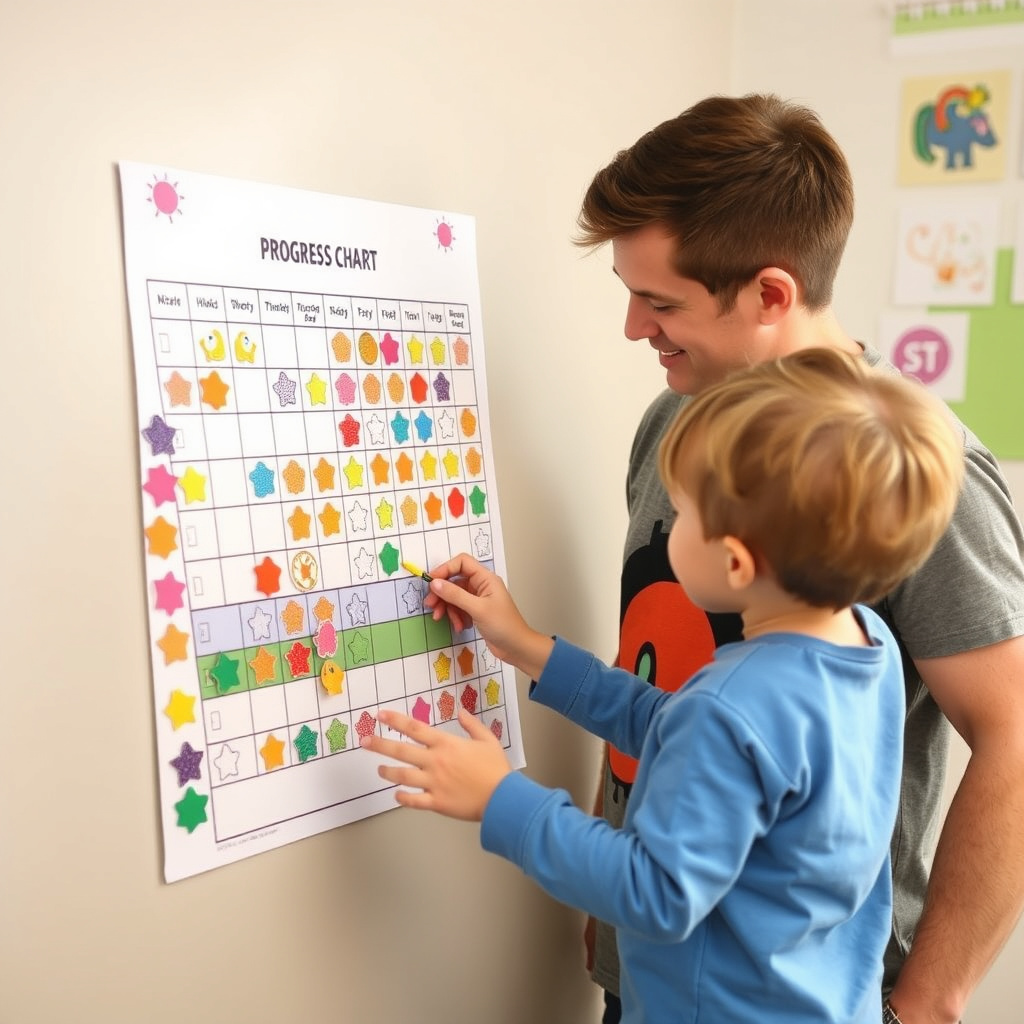
Using Assessment Tools to Gauge Learning
Regular evaluation helps identify strengths and areas needing attention. Informal assessments such as quizzes, oral questions, and observation complement formal tests to provide a rounded picture of progress.
These tools allow timely adjustments in teaching methods or support to keep children on track and motivated toward achievable goals.
- Use age-appropriate quizzes and tests
- Observe behavioral cues and engagement
- Maintain records of improvements
- Review results with the child positively
For more information on child growth and effective learning methods, refer to this comprehensive guide on child development strategies. child development strategies.
Setting Realistic Goals for Ongoing Growth
Establishing short- and long-term objectives gives children a clear sense of direction and accomplishment. Goals should be specific, measurable, and achievable to promote steady progress without overwhelming pressure.
Goal-setting encourages self-discipline and instills a growth mindset, helping children view challenges as opportunities rather than obstacles.
- Define daily or weekly learning targets
- Celebrate reaching milestones
- Adjust goals as skills develop
- Encourage self-reflection on achievements
Comparing Different Child Learning Techniques
This table offers a comparison of various child learning techniques, highlighting their strengths and ideal use cases.
| Technique | Best For | Benefits | Considerations |
|---|---|---|---|
| Play-Based Learning | Young children | Promotes creativity and social skills | May require adult guidance |
| Routine-Based Learning | All ages | Builds discipline and time management | Needs consistent implementation |
| Collaborative Learning | School-age children | Enhances communication and teamwork | May need conflict resolution |
| Technology-Assisted Learning | Tech-savvy children | Interactive and adaptive content | Risk of excessive screen time |
| Visual-Kinesthetic Methods | Diverse learners | Fits multiple learning styles | Requires varied materials |
Frequently Asked Questions
At what age should I start helping my child learn systematically?
Learning begins from birth through interaction and play. Systematic learning techniques can be gently introduced from toddlerhood, focusing on developmentally appropriate activities that encourage curiosity and skills gradually.
How can I keep my child motivated to learn daily?
Incorporate fun elements, praise effort frequently, set achievable goals, and alternate between activities to maintain interest. Positive reinforcement and variety help sustain a child’s enthusiasm for daily learning.
What is the best way to handle different learning paces in siblings?
Respect each child's individual pace by customizing activities and expectations. Encourage cooperation rather than competition and provide separate focused time to support each sibling’s unique learning needs.
Are there risks in using technology for learning?
Yes, excessive use can cause fatigue or reduce social interaction. It’s essential to choose quality educational content, limit screen time, and balance technology with hands-on and offline activities.
How can I tell if my child struggles with learning?
Signs include difficulty focusing, frustration with tasks, declining grades, or avoiding learning activities. Early identification through observation and professional assessment supports timely intervention.
Key Takeaways
- Tailor learning environments to suit children's needs and preferences.
- Incorporate play and positive reinforcement to boost engagement.
- Support social-emotional development alongside academic learning.
- Use mixed teaching methods to address different learning styles.
Conclusion
Helping kids learn effectively means understanding their individual needs and creating flexible but structured environments that promote curiosity, confidence, and discipline. Combining routine with creativity supports steady progress, while encouraging emotional skills ensures children remain resilient and motivated. Regularly adapting methods based on observation and feedback strengthens their overall development.
Specific strategies such as play-based learning for young children, routine-based approaches for building habits, and collaborative learning to foster social skills each serve important roles. Integrating technology thoughtfully and adjusting for various learning styles enhances the learning experience without overwhelming the child. Positive reinforcement fuels their willingness to engage and improve.
As a next step, consider evaluating your own child's interests and preferences, selecting a combination of the child learning techniques discussed, and gradually introducing them. Monitor progress with simple assessments and set achievable goals to encourage persistence. This way, helping kids learn becomes a personalized journey with meaningful results.