How to Reduce Homework Stress Effectively and Boost Productivity
Reducing homework stress starts with managing your time wisely and creating a clear plan for tackling assignments. Setting specific goals, breaking tasks into smaller steps, and taking regular breaks can immediately lower feelings of overwhelm related to homework. These methods empower students to handle their workload efficiently without unnecessary anxiety.
Homework stress can stem from feeling disorganized or pressured by deadlines, which affects both mental well-being and academic performance. When stress builds up, motivation drops, and the quality of work suffers. So, taking intentional steps to reduce stress not only eases discomfort but also helps maintain academic success and a balanced life.
This article explores actionable strategies to reduce homework stress, including practical time management techniques, effective organization habits, healthy lifestyle adjustments, and ways to ask for support when needed. By understanding these approaches, students can develop a routine that keeps homework manageable and stress under control.
Time Management Techniques to Reduce Homework Stress

Creating a Realistic Homework Schedule
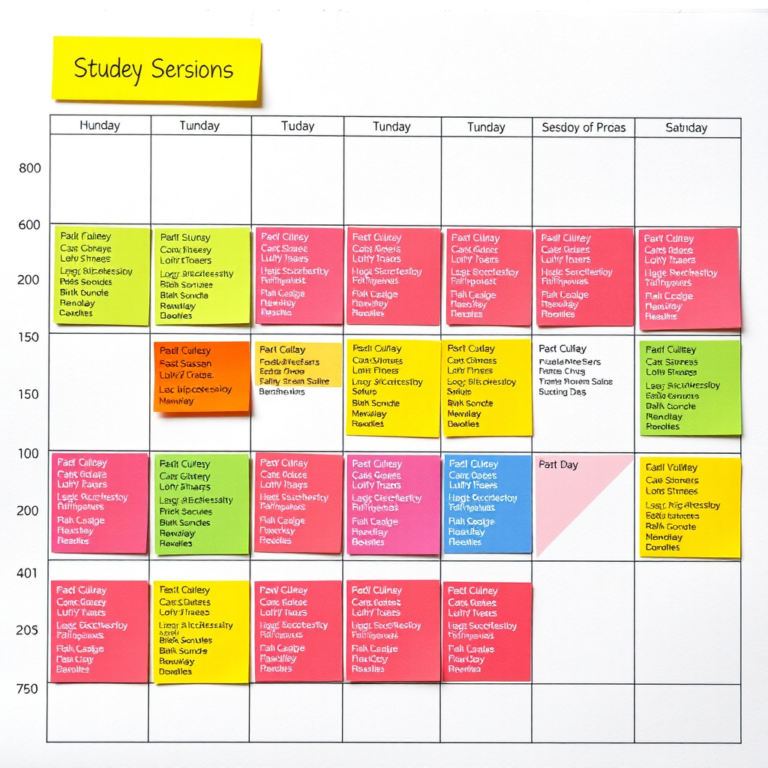
A well-structured schedule breaks down homework into manageable chunks over several days, preventing last-minute rushes. Prioritize tasks by deadline and difficulty, allocating more time to challenging assignments. Using digital calendars or planners helps visualize workloads and keeps commitments clear.
Consistency is key to maintaining this schedule. Setting designated homework periods each day builds routine and reduces procrastination. Avoid multitasking during sessions, focusing on one subject at a time to improve efficiency and reduce stress.
- Use time-blocking intervals
- Set clear start and end times
- Include short breaks every 25-30 minutes
- Review and adjust the schedule weekly
Prioritizing Tasks for Better Focus
Not all homework has the same urgency or impact. Sort assignments by deadlines, exam relevance, and difficulty level. Tackling high-priority tasks first ensures the most important work is done when mental energy is highest.
Breaking down large projects into smaller steps makes focus easier and progress visible. This prevents feeling overwhelmed and provides motivation through accomplishing milestones.
- List tasks with deadlines
- Mark urgent versus flexible tasks
- Set mini-goals for big projects
- Avoid spending excessive time on low-priority work
Organizational Strategies to Minimize Homework Anxiety

Keeping Study Materials Organized
Designate specific places for textbooks, notes, and supplies to avoid wasting time searching during study sessions. Use folders or binders categorized by subject to keep materials tidy and accessible.
Digital tools like note-taking apps or cloud storage help organize resources and homework files for easy retrieval. Consistent organization reduces visual clutter that can trigger anxiety.
- Color-code folders by subject
- Keep frequently used supplies handy
- Regularly declutter study space
- Back up digital assignments
Tracking Assignments with Homework Checklists
Maintaining a checklist or homework tracker allows you to monitor progress and avoid missing deadlines. Crossing off completed tasks provides a sense of accomplishment that lowers stress levels.
Daily or weekly reviews of the checklist help update priorities and prepare for upcoming deadlines. Sharing the list with a study buddy or parent can add accountability.
- Use apps or handwritten lists
- Update checklist after each session
- Review upcoming deadlines every evening
- Celebrate milestones with small rewards
Healthy Habits to Support Stress Reduction

Incorporating Breaks and Physical Activity
Short breaks during homework help refresh the mind and prevent burnout. Activities like stretching or a quick walk increase blood flow and concentration when returning to work.
Avoiding prolonged sitting reduces physical tension that can amplify feelings of stress. Regular movement helps balance mental and physical health for better homework endurance.
- Follow the Pomodoro technique: 25 minutes work, 5 minutes break
- Stand or walk during phone calls or reading
- Include daily exercise routines
- Practice deep breathing during breaks
For more on this, see our related guide: Effective Homework Help Tips for Students in Doral FL.
Maintaining Proper Nutrition and Sleep
Balanced meals and hydration fuel the brain for sustained focus. Avoid excessive caffeine or sugary snacks that lead to energy crashes.
Adequate sleep is critical in managing homework stress. Lack of rest impairs memory and problem-solving, making homework feel more overwhelming.
- Eat regular nutrient-rich meals
- Keep water accessible during study times
- Set a fixed bedtime and wake-up time
- Limit screen use before sleeping
Using Technology Wisely to Ease Homework Stress

Homework Apps and Digital Tools
Educational apps can simplify organizing assignments, creating study guides, and checking grammar or math problems. These tools reduce cognitive load and make homework less frustrating.
Focus apps offer timers that promote concentration and remind students to take breaks, supporting healthier study habits.
- Assignment trackers like MyStudyLife
- Grammar checkers like Grammarly
- Math aid apps such as Photomath
- Focus apps like Forest or Focus@Will
Avoiding Digital Distractions
While technology aids homework, unchecked notifications and social media can disrupt focus. Turning off non-essential alerts or using distraction-blocking software can maintain attention on tasks at hand.
Designating specific 'technology hours' for studying helps build routines that limit impulse browsing during homework time.
- Enable 'Do Not Disturb' mode
- Use website blockers during study
- Schedule social media breaks after homework
- Keep phone out of immediate reach
Seeking Support to Manage Homework Pressure

Communicating with Teachers and Peers
When feeling overwhelmed, talking to teachers about workload or unclear assignments can lead to helpful guidance or deadline extensions. Peers often share tips and can form study groups to lighten the homework load.
Open communication reduces isolation and provides practical solutions to academic stressors.
- Ask questions during or after class
- Join or create study groups
- Request clarification on difficult topics
- Discuss workload concerns respectfully
For more on this, see our related guide: How to Choose a Tutor for Struggling Students: A Practical Guide.
Engaging Family Support Systems
Parents and family members can offer encouragement, help create study environments, or assist with time management planning. Their involvement fosters emotional support that curbs homework-related anxiety.
Setting homework routines as a family habit builds accountability and structure, making the process less stressful for students.
- Share homework schedules with family
- Ask for quiet study time at home
- Discuss stress feelings openly
- Celebrate homework accomplishments together
Mindfulness and Relaxation Methods to Combat Homework Stress

Practicing Mindfulness Exercises
Mindfulness techniques such as focused breathing and meditation calm the nervous system, helping students approach homework with a clear mind. Regular practice reduces anxiety and improves concentration over time.
Even brief mindfulness sessions before starting homework can set a positive tone and reduce stress build-up.
- Deep breathing exercises
- Guided meditation apps
- Body scan relaxation
- Mindful stretching
For more detailed stress management techniques, the American Psychological Association offers valuable insights on their website. stress management techniques.
Using Visualization and Positive Affirmations
Visualizing successful completion of homework or using positive self-talk can shift mindset away from stress. Affirmations like 'I can handle this task' build confidence and motivation.
Replacing negative thoughts with constructive ones enhances resilience when facing difficult assignments.
- Create step-by-step mental walkthroughs
- Repeat empowering phrases
- Focus on progress, not perfection
- Visualize rewards after completing work
Comparison of Methods to Reduce Homework Stress
Here's a breakdown of different strategies based on ease of implementation, effectiveness, and suitability for various student types.
| Method | Ease of Use | Effectiveness | Best For |
|---|---|---|---|
| Time Management Techniques | Moderate – requires planning | High – reduces procrastination | Students who struggle with deadlines |
| Organizational Strategies | Easy – minimal tools needed | Moderate – improves focus | Those with cluttered study spaces |
| Healthy Habits | Moderate – lifestyle changes | High – boosts overall wellbeing | All students seeking balance |
| Technology Use | Easy – many free apps | Moderate – can distract if misused | Tech-savvy students |
| Support Systems | Varies – communication skills needed | High – offers emotional relief | Students feeling overwhelmed |
| Mindfulness and Relaxation | Easy – requires practice | Moderate – reduces anxiety | Students sensitive to stress |
Frequently Asked Questions
What is the quickest way to reduce homework stress?
Starting with a simple homework schedule and taking short breaks can quickly ease stress by providing structure and mental rest during study sessions.
How can I avoid procrastinating on homework?
Breaking homework into smaller tasks and setting specific goals for each study period helps minimize procrastination and makes assignments feel more manageable.
Does exercise really help with homework stress?
Yes, physical activity increases endorphins and improves focus, making it easier to handle homework without feeling overwhelmed.
Are homework apps effective in reducing stress?
Homework apps can help organize work and remind students about deadlines, but managing distractions from devices is key to their effectiveness.
How do I get my parents involved without feeling pressured?
Discussing how they can support your study routine and sharing your schedule can help parents assist without adding pressure.
Key Takeaways
- Plan homework with realistic schedules to prevent last-minute stress.
- Keep study materials and tasks well organized for clearer focus.
- Maintain healthy habits like proper sleep and breaks to support mental clarity.
- Use support systems and mindfulness techniques to handle pressure effectively.
Conclusion
Reducing homework stress involves actively managing your time, environment, and mindset. By applying clear scheduling, prioritizing tasks, and staying organized, students can transform homework from a source of anxiety into a manageable part of their daily routine. Consistency in these habits builds resilience against stress and creates a more productive study experience.
Students who integrate healthy lifestyle choices such as regular exercise, balanced nutrition, and sufficient sleep benefit from more energy and sharper focus. Combining these with digital tools or support from family and teachers customizes the approach to individual needs. Whether it's adopting time management strategies or practicing mindfulness, selecting what works best personally leads to sustained academic success and reduced anxiety.
Moving forward, start by choosing one or two methods that resonate most, such as creating a homework schedule or setting up a distraction-free study space. Gradually build on these techniques to develop a comprehensive routine that reduces homework stress. Remember, asking for help when needed and acknowledging your progress are vital steps to maintain motivation and calm throughout the school year.