How to Memorize Information for a Test: Proven Techniques That Work
Memorizing information for a test involves active engagement with the material, consistent practice, and the use of specific techniques such as spaced repetition, mnemonic devices, and self-testing. These methods help transfer knowledge from short-term to long-term memory, making recall during the test more reliable.
Good memorization doesn’t come from passive reading alone; it requires repeated exposure and meaningful interaction with the content. This process is essential because it strengthens neural connections, making it easier to access facts and concepts under exam conditions.
This article will explore key strategies for memorizing information effectively, including how to organize study sessions, use memory aids, and reinforce learning through testing, so you can enter your exam confident and well-prepared.
Active Learning Techniques to Memorize Information for a Test

Using Spaced Repetition for Long-Term Retention
Spaced repetition is a technique where information is reviewed at increasing intervals to promote durable memorization. Instead of cramming, you revisit material multiple times over days or weeks, allowing your brain to reinforce connections gradually.
By spacing out study sessions, you reduce cognitive overload and give your memory time to consolidate, which significantly improves recall during exams compared to one-time mass studying.
- Review material after 1 day, then 3 days, then a week
- Use apps like Anki or Quizlet for timed repetition
- Focus more on difficult topics with shorter intervals
Mnemonic Devices to Simplify Complex Information
Mnemonic devices help encode complex or detailed information into simple, memorable cues, like acronyms, rhymes, or visual images. These memory aids create shortcuts that make it easier to retrieve data under pressure.
Examples include acronyms for lists (e.g., PEMDAS in math), creating vivid mental images for concepts, or forming stories that link ideas sequentially. Using mnemonics taps into creative thinking, strengthening memory pathways differently than rote memorization.
- Acronyms and initialisms
- Rhymes and songs
- Visualization and association
Organizing Study Sessions for Maximum Memorization

Structuring Study Time to Improve Memory
Breaking study time into focused intervals, such as the Pomodoro Technique with 25-minute blocks and short breaks, helps maintain concentration. This structure reduces mental fatigue and improves information retention.
Allocating certain times of day when your mind is freshest—often morning or early afternoon—also supports better memorization. Consistency in scheduling reinforces a study routine that aids the brain's encoding process.
- Use timers to segment study periods
- Take 5-minute breaks to avoid burnout
- Study at peak concentration hours
Creating Effective Study Materials
Summarizing information into your own words, making flashcards, and organizing concepts visually through charts or mind maps deepens understanding and aids recall. These active methods force you to process information rather than passively reading.
Highlighting key points and writing concise notes allow you to quickly review and reinforce essential ideas without wading through excess detail, making your study sessions more efficient.
- Write summaries in your own words
- Make flashcards for frequent review
- Use diagrams or mind maps for connections
Reinforcing Memory Through Retrieval Practice

Self-Testing to Strengthen Recall
Testing yourself regularly on the material forces active retrieval, which strengthens memory far better than passive review. Practice tests, quizzes, or using flashcards with questions help identify weak areas.
Frequent retrieval encourages the brain to rebuild the memory traces, making it easier to recall information during actual tests and reduces anxiety by familiarizing you with exam formats.
- Use practice exams under timed conditions
- Quiz yourself without looking at notes
- Focus on questions you answered incorrectly
Explaining Concepts Out Loud
Teaching or explaining information aloud sharpens understanding and memory. Articulating knowledge forces you to organize thoughts logically and clarifies points you might not have fully mastered.
This method engages auditory processing and helps transfer information from short-term memory to long-term storage by reinforcing neural pathways.
- Explain topics to a peer or a mirror
- Use simple language to reinforce clarity
- Identify gaps during explanation for review
Lifestyle Habits That Enhance Memory Retention
Sleep’s Role in Memory Consolidation
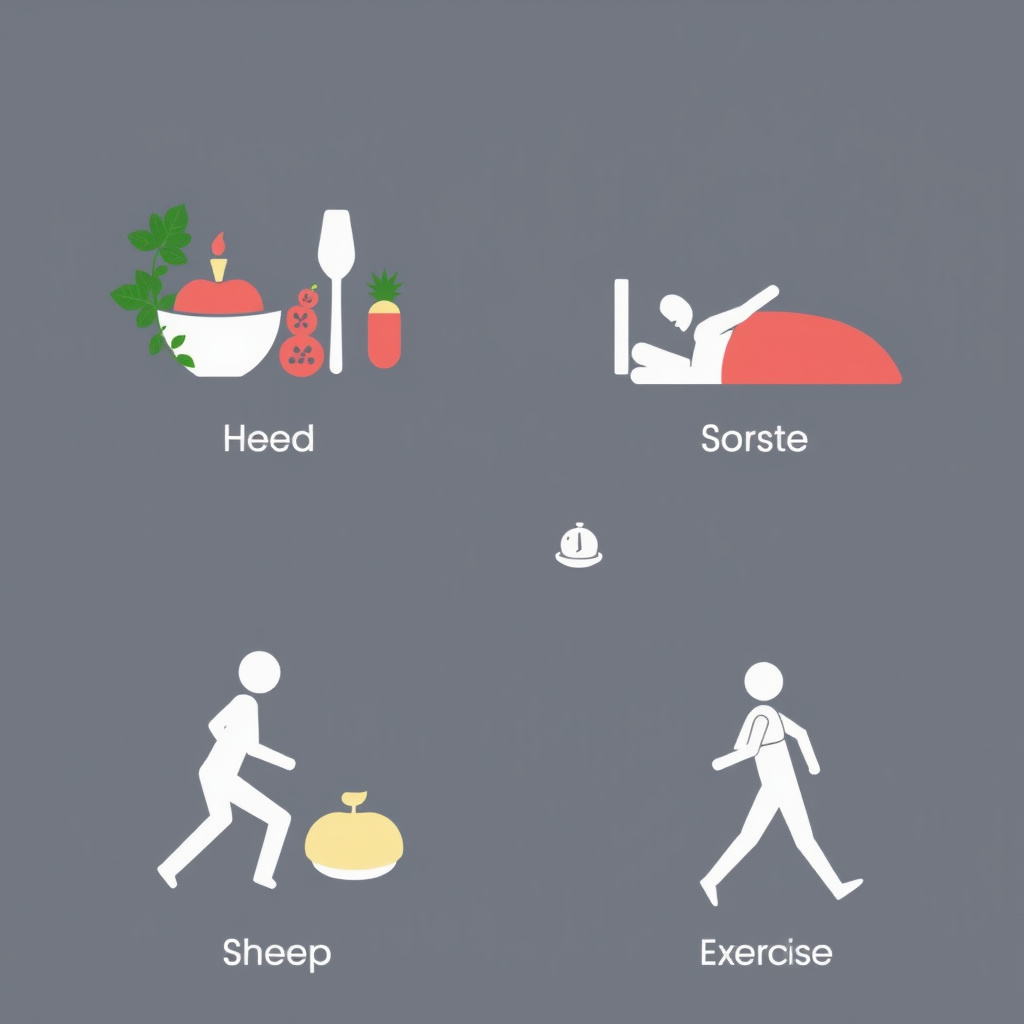
Adequate sleep after studying is vital because it facilitates memory consolidation, stabilizing newly learned information. Poor or insufficient sleep can impair recall and cognitive function during tests.
Aim for 7-9 hours of quality sleep, especially in the days leading up to the exam, to help your brain process and store study material more effectively.
- Maintain consistent sleep schedule
- Avoid stimulants close to bedtime
- Use relaxation techniques before sleeping
Nutrition and Physical Exercise Benefits
Eating a balanced diet rich in omega-3 fatty acids, antioxidants, and vitamins supports brain health and memory. Hydration also affects cognitive performance, so drinking enough water during study sessions is important.
Regular physical exercise increases blood flow to the brain, enhancing memory and concentration abilities. Even short walks or light exercise before study sessions can improve alertness.
- Consume foods like fish, nuts, and leafy greens
- Stay hydrated with water rather than sugary drinks
- Incorporate daily moderate exercise
Reducing Stress for Better Memory Performance

Mindfulness and Relaxation Techniques
Stress can impair the brain’s ability to encode and retrieve memories. Practicing mindfulness, meditation, or deep-breathing exercises before studying or testing calms the mind, improving focus and memory.
Regular mindfulness practice lowers cortisol levels, which can otherwise disrupt neural function critical for learning and recall.
- Try guided meditation apps for focus
- Use deep breathing before and during study breaks
- Schedule brief mindfulness sessions daily
For more details on mnemonic methods and memory science, explore this comprehensive resource on Memory and Learning Techniques. Memory and Learning Techniques.
Avoiding Cramming and Last-Minute Panic
Cramming increases anxiety and overloads short-term memory, making meaningful retention unlikely. Instead, spreading study sessions out and starting early reduce stress and improve memorization quality.
Preparing in advance builds confidence, lowers cortisol, and allows for better mental organization of test material.
- Begin studying weeks before the exam
- Break tasks into manageable chunks
- Use organized notes to prevent overwhelm
Memorization Techniques Category Comparison
Here’s a comparison of popular methods to memorize information for a test, highlighting their strengths and best use cases.
| Technique | Best For | Advantages | Limitations |
|---|---|---|---|
| Spaced Repetition | Long-term retention | Strengthens memory over time, reduces forgetting | Requires consistent scheduling |
| Mnemonic Devices | Complex or detailed info | Simplifies recall with creative shortcuts | May take time to create effective mnemonics |
| Self-Testing | Assessing knowledge gaps | Improves retrieval strength, reduces anxiety | Can be challenging if test materials are limited |
| Visualization | Conceptual understanding | Engages multiple senses, aids connection | Less effective for abstract data |
| Cramming | Last-minute review | Quick coverage of material | Poor retention, high stress |
Frequently Asked Questions
How much time should I spend memorizing for a test each day?
Aim for regular, focused sessions of 25-50 minutes daily rather than infrequent, lengthy cramming. Spacing study over time helps your brain retain information better.
Can listening to music help me memorize information?
Some find calm, instrumental music aids concentration, but complex music or lyrics can distract. It depends on your personal study preference and environment.
Is it better to study in the morning or at night to memorize?
Study when you feel most alert and focused. Many people memorize more effectively in the morning or early afternoon, but individual rhythms vary.
Do flashcards really help with memorization?
Flashcards support active recall and spaced repetition, making them an effective memorization tool when reviewed regularly and systematically.
How can I memorize large amounts of information quickly?
Use a combination of mnemonic devices and spaced repetition, focus on key concepts, and engage in self-testing to consolidate memory efficiently.
Key Takeaways
- Use spaced repetition for lasting memory retention
- Mnemonic devices simplify complex information recall
- Organized study sessions enhance information processing
- Regular self-testing strengthens retrieval skills
Conclusion
Developing an effective approach to memorizing information for a test requires combining active learning methods with structured study habits. Techniques like spaced repetition and mnemonic devices help your brain encode and store information more solidly, while self-testing confirms your knowledge and highlights areas needing review. Prioritizing these strategies over passive review or last-minute cramming leads to better performance and reduced exam anxiety.
Selecting the right method depends on your learning style, the content type, and available time. For memorizing detailed facts and lists, mnemonic devices shine, while spaced repetition is ideal for gradual long-term learning. Organizing study sessions and using retrieval practice ensure you engage with the material actively. Incorporating lifestyle factors—such as sufficient sleep, nutrition, and stress management—further supports memory function.
As a practical next step, start by planning a study schedule using focused intervals and integrate flashcards or spaced repetition software to reinforce your memory. Experiment with different mnemonic techniques to find what resonates best. Combining these strategies consistently over days or weeks before your test will build confidence and improve your ability to recall information when it counts.