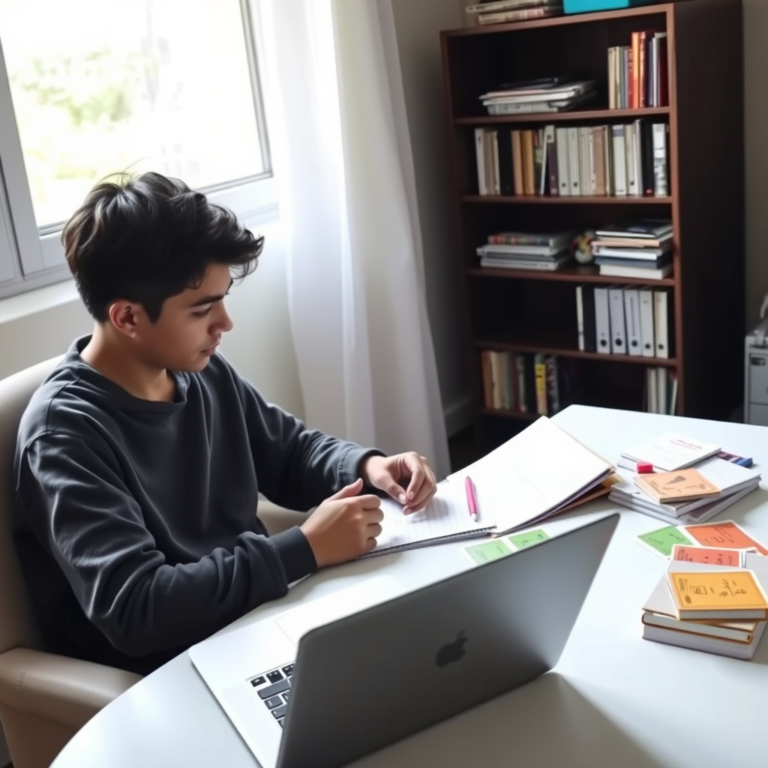
How to Help a Child Study Effectively: Practical Strategies for Parents
Helping a child study effectively starts with creating a structured, distraction-free environment tailored to their learning needs. Parents should guide study sessions with clear goals, breaks, and appropriate support to build confidence and retention.
A child's ability to study well often depends on how supportive and involved their caregivers are. Encouraging good habits early on fosters independence and strong academic skills, which impacts long-term success and attitudes toward learning.
This article explores practical ways to help a child study, including setting up the right environment, using motivational techniques, employing study tools, and balancing schedules. You'll also find advice on adapting approaches for different ages and learning styles.
Creating a Productive Study Environment
Choosing the Right Location
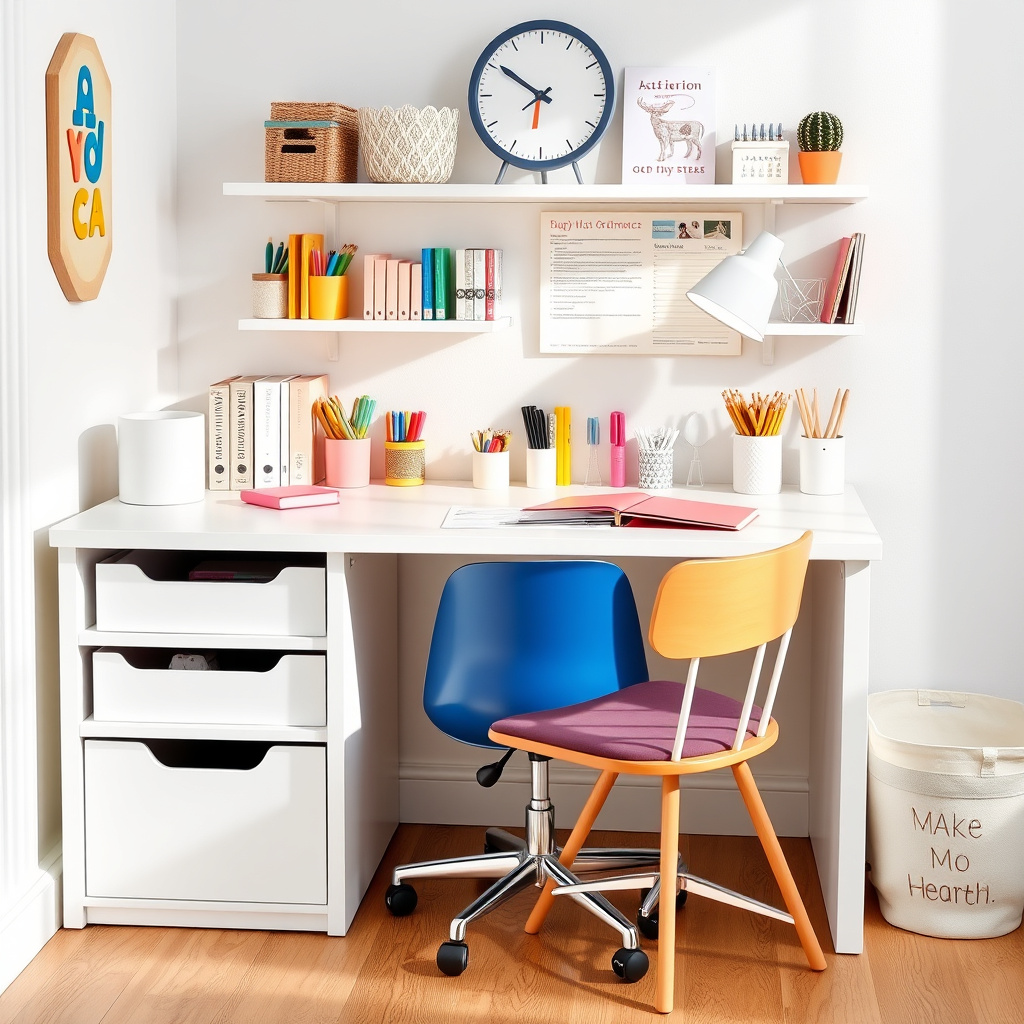
Selecting a quiet, well-lit space free from distractions helps children focus and absorb information better. Ideally, study areas should be consistent and separate from play zones to signal dedicated learning time.
Access to necessary materials like textbooks, notebooks, and stationery within arm's reach reduces interruptions. Comfortable seating and good lighting also protect posture and avoid eye strain during study sessions.
- Quiet area with minimal noise
- Good natural or artificial light
- Organized access to supplies
- Comfortable chair and desk height
Minimizing Distractions
Devices such as tablets, smartphones, and TVs should be turned off or stored away unless used for educational purposes. Visual clutter can also distract, so keeping the study spot tidy encourages concentration.
Establishing household routines during study times, like limiting loud conversations or chores, signals to the child that this is priority time for learning and helps build focus.
- Turn off non-essential electronics
- Clear clutter from desk
- Set 'quiet hours' during study
- Use headphones if needed
Motivating and Supporting Your Child’s Study Habits

Setting Achievable Goals
Breaking study tasks into smaller, manageable objectives makes progress visible and less overwhelming for children. Goals should be specific, realistic, and time-bound to maintain motivation.
Celebrating small successes fosters a sense of achievement that encourages persistence. Parents can use charts, stickers, or verbal praise to acknowledge effort and improvement.
- Divide big tasks into chunks
- Set clear deadlines
- Use visual progress trackers
- Offer praise regularly
Encouraging Consistency and Routine
Regular, consistent study times help build habits that become automatic and less dependent on parental reminders. Predictability reduces anxiety and increases willingness to engage.
Involving the child in setting a daily or weekly study schedule gives them ownership and builds responsibility. Including breaks and leisure activities creates balance and avoids burnout.
- Create a fixed study schedule
- Include frequent breaks
- Let child help plan routine
- Use timers to manage sessions
Effective Study Techniques for Young Learners
Interactive Learning Methods
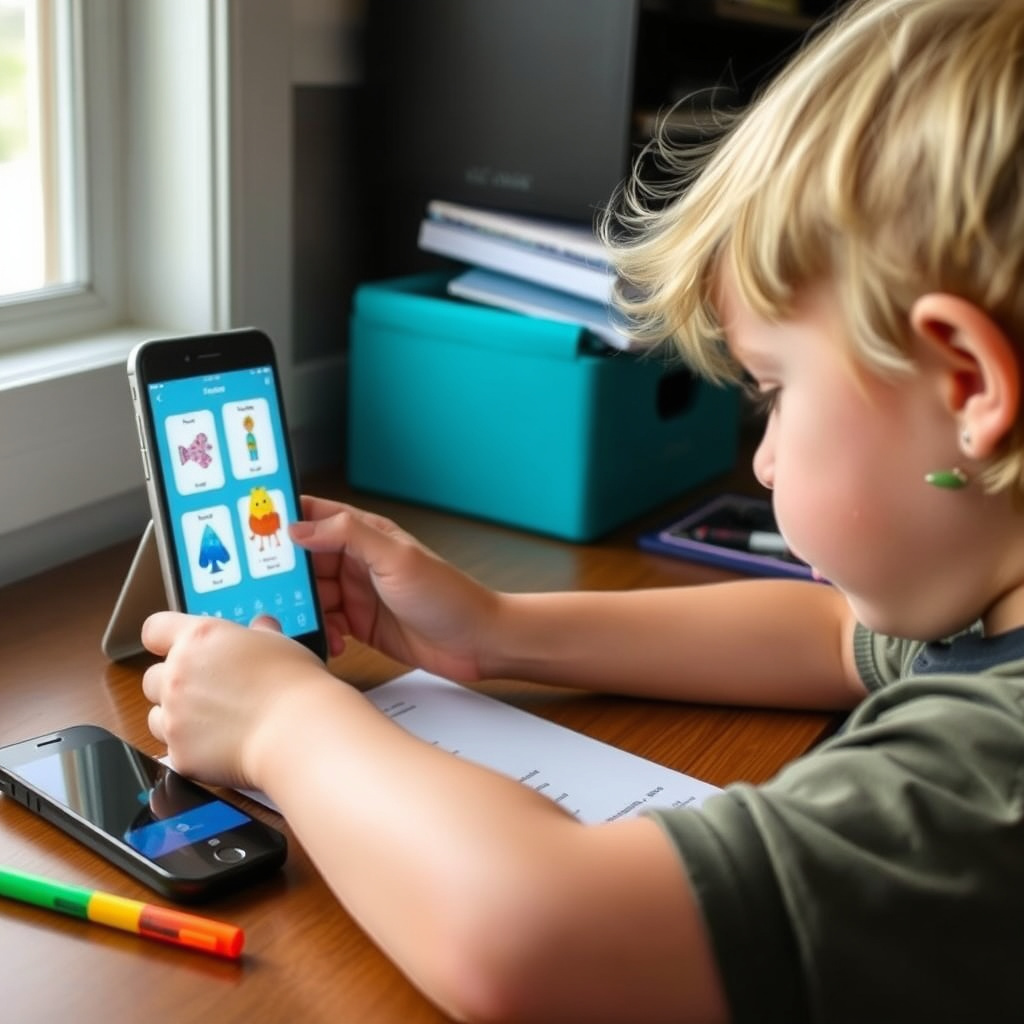
Using hands-on activities like flashcards, educational games, and drawing can make study sessions engaging and reinforce memory by appealing to different learning styles.
Incorporating technology, such as learning apps and videos, provides variety and can adapt content to the child's pace, making complex concepts easier to grasp through interactive visuals.
- Flashcards for vocabulary
- Educational games for concepts
- Learning apps and videos
- Drawing diagrams or mind maps
For more on this, see our related guide: How to Get Effective Math Homework Help Fast and Easily.
Memory and Comprehension Strategies
Techniques like summarizing information aloud, teaching the material to someone else, or using mnemonic devices boost comprehension and retention by engaging multiple cognitive processes.
Encouraging children to ask questions and make connections to real-life situations deepens understanding and helps transfer knowledge beyond the study session.
- Summarize key points verbally
- Teach concepts to others
- Use mnemonic aids
- Ask and answer questions
Managing Study Time and Avoiding Burnout

Balancing Study and Breaks
Short, frequent breaks during study help maintain attention levels and prevent fatigue. Techniques such as the Pomodoro method, which alternates focused work and rest periods, are effective for children.
Breaks should involve physical movement or relaxation activities rather than passive screen time to refresh the brain and body efficiently for the next session.
- Use timers for study intervals
- Incorporate active breaks
- Avoid screen use during breaks
- Encourage stretching or walking
Recognizing Signs of Overwhelm
Children may show irritability, avoidance, or loss of interest when overwhelmed by study demands. Parents should watch for these signs and adjust workload or provide emotional support.
Open conversations about challenges help identify specific struggles and allow parents to tailor help accordingly, reducing stress and fostering a positive study attitude.
- Monitor mood changes post-study
- Discuss difficulties openly
- Adjust study demands as needed
- Offer encouragement and breaks
Adapting Study Strategies for Different Ages and Needs

Study Approaches for Younger Children
Younger kids benefit from shorter study times mixed with play and creative activities to sustain interest. Visual aids and storytelling help explain concepts in relatable ways.
Using physical manipulatives like blocks or charts supports tactile learning and helps build foundational skills gradually without pressure.
- Limit sessions to 15-20 minutes
- Use stories and visuals
- Incorporate hands-on materials
- Include playful breaks often
For more on this, see our related guide: Effective Homework Help Tips for Students in Doral FL.
Supporting Older Children and Teens
Older students can handle longer, more focused sessions with greater independence. Introducing note-taking, self-quizzing, and organizational tools assists with complex subjects and self-directed learning.
Encouraging goal-setting aligned with upcoming tests or projects builds accountability, while discussions about stress management maintain emotional well-being.
- Use structured notes and outlines
- Apply self-testing techniques
- Promote planner or app use
- Discuss stress and coping methods
Using Parental Involvement and Resources Wisely

How Much Help to Provide
Balancing involvement is key: parents should offer guidance without completing tasks for the child. Encouraging critical thinking and problem-solving promotes self-confidence and skill development.
Being available to answer questions, review work, and provide explanations helps the child learn effectively while preserving their sense of independence.
- Guide, don’t do the work
- Encourage questions and reasoning
- Provide feedback constructively
- Support after child’s attempt
For more detailed information on various approaches, see the study techniques on Wikipedia. study techniques on Wikipedia.
Leveraging External Resources
Supplemental resources like tutors, study groups, and educational websites can reinforce learning and address gaps. Choosing age-appropriate, credible resources ensures effective use.
Libraries and community programs often offer free materials and workshops that provide alternative learning experiences beyond home study.
- Hire qualified tutors if needed
- Join or form study groups
- Use reputable educational sites
- Explore library programs
Comparing Study Techniques for Children
Here’s a comparison of popular study techniques to help determine which may best suit your child's learning style and needs.
| Technique | Best For | Pros | Cons |
|---|---|---|---|
| Flashcards | Memorization tasks | Engages active recall, portable | Can be repetitive, less suitable for complex topics |
| Pomodoro Method | Maintaining focus | Builds endurance, balances breaks | May interrupt flow if done too rigidly |
| Educational Apps | Visual and interactive learners | Engages with multimedia, personalized | May cause screen fatigue, requires supervision |
| Self-Explanation | Deeper comprehension | Enhances understanding, active learning | Can be challenging without guidance |
| Study Groups | Social learners | Motivates through collaboration | Possible distraction, depends on group dynamics |
Frequently Asked Questions
How long should a child study at one time?
Study durations vary with age and attention span. For young children, 15-20 minutes is effective, while older kids can manage 40-60 minutes. Frequent breaks help maintain focus.
What if my child resists studying?
Resistance can stem from boredom or frustration. Try varying techniques, incorporating breaks, and setting small goals. Praise effort and involve your child in planning study sessions.
Can technology help improve study habits?
When used appropriately, educational apps and online resources can make learning engaging and interactive, but screen time should be balanced with offline activities to avoid fatigue.
Should parents directly supervise every study session?
Supervision depends on the child's age and independence. Younger children benefit from guidance, while older ones may require support only when needed to foster autonomy.
How can I tell if my child is overwhelmed by studying?
Signs include irritability, avoidance, and decreased interest. Open conversations and adjusting study demands or breaks can help reduce pressure and maintain motivation.
Key Takeaways
- A distraction-free environment boosts a child's focus during study.
- Breaking tasks into small goals motivates and builds confidence.
- Interactive and varied study methods improve retention and interest.
- Balancing study time with breaks prevents burnout and maintains engagement.
Conclusion
Helping a child study effectively requires a balance of structure, encouragement, and adaptability. Parents should tailor study environments and techniques to the child’s unique needs, promoting good habits that foster independent learning. Attention to goal-setting, motivation, and appropriate breaks creates a sustainable routine that enhances academic success.
For younger kids, brief study periods with hands-on activities and visual aids work best, while older children benefit from self-testing, note-taking, and goal-oriented plans. The Pomodoro method or flashcards offer versatile tools that align well with most learning styles. Parents can support by providing guidance without taking over, helping children develop critical thinking skills.
Next steps involve observing your child’s reactions to different strategies and adjusting accordingly. Using supplementary resources like tutors or educational apps can strengthen learning when challenges arise. Ultimately, consistent involvement balanced with fostering autonomy prepares children to tackle their studies confidently and independently.