How to Improve Learning Skills for Better Information Retention
Improving learning skills starts with understanding how your brain processes and retains information. Techniques such as active recall, spaced repetition, and minimizing distractions can significantly enhance your ability to learn efficiently. By developing these skills, you can absorb new knowledge faster and remember it longer.
Learning well matters because it directly impacts your academic performance, career growth, and personal development. The way you acquire and consolidate information shapes how effectively you apply new concepts and solve problems in a variety of contexts.
This article will cover key strategies to improve your learning skills, including setting goals, optimizing your environment, leveraging memory techniques, and incorporating effective study habits. By exploring these elements, you can build a stronger foundation for lifelong learning.
Understanding How Learning Skills Work

The Science Behind Learning
Learning involves forming new neural pathways and strengthening existing ones in the brain. When you repeat information or relate new content to what you already know, those neural connections become more durable, improving recall.
Memory has different phases: encoding (learning new data), storage (keeping it in your brain), and retrieval (accessing it). Improving learning skills means enhancing each phase through deliberate practice and memory strategies.
Common Barriers to Effective Learning
Distractions, lack of motivation, poor time management, and inadequate rest can severely hinder your ability to learn. Recognizing these barriers helps you develop habits that overcome them.
Additionally, stress and multitasking reduce focus and slow neural processing. Reducing stress and prioritizing tasks can therefore improve attention and memory retention.
- External distractions (noise, devices)
- Mental fatigue and stress
- Unstructured study time
- Information overload
Setting Up Your Environment for Learning Success

Creating a Focused Study Space
A well-organized, quiet study area minimizes external distractions and promotes concentration. Good lighting and comfortable seating also reduce physical discomfort, preventing breaks in focus.
Establishing a consistent study spot cues your brain into a learning mode, helping you train your concentration more effectively with each session.
- Choose a quiet, clutter-free space
- Ensure proper lighting and ergonomics
- Keep necessary materials nearby
- Limit electronic distractions
Time Management and Breaks
Planning study sessions using techniques like the Pomodoro method (25–30 minute focused periods followed by short breaks) can increase productivity and prevent burnout.
Regular breaks restore cognitive energy, aiding learning and retention. Scheduling your study time around your peak concentration hours also maximizes effectiveness.
- Use timers to segment study periods
- Take brief, frequent breaks
- Schedule tasks during peak focus times
- Avoid all-nighters for better memory
Practical Techniques to Improve Learning Skills
Active Recall and Spaced Repetition
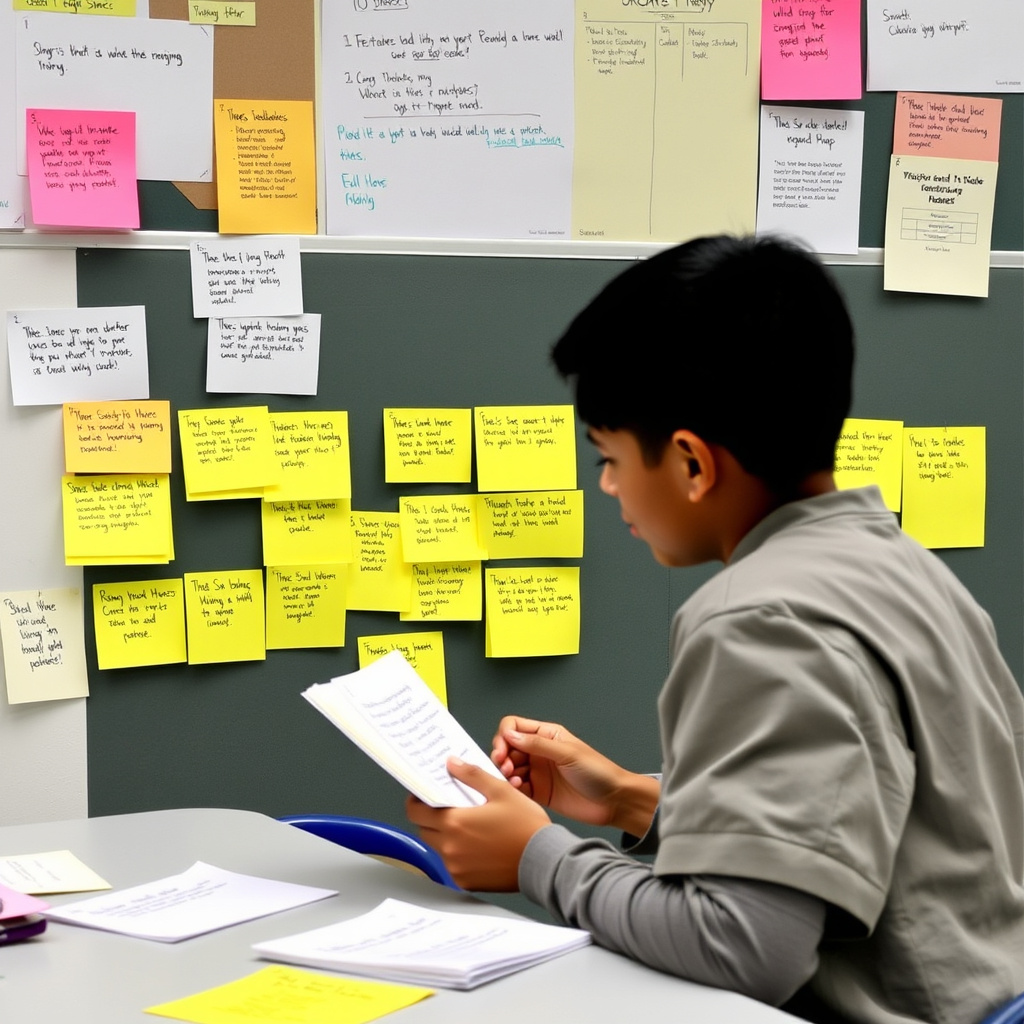
Active recall involves actively stimulating your memory during study sessions rather than passively rereading notes. This technique strengthens neural connections and improves long-term retention.
Spaced repetition spaces out review sessions over increasing intervals, exploiting the brain’s pattern of forgetting to ensure information is refreshed before it fades.
- Use flashcards for self-testing
- Schedule review sessions days apart
- Combine recall with explaining concepts aloud
- Apply apps or tools that support spaced repetition
For more on this, see our related guide: How to Choose a Reading Comprehension Tutor That Boosts Your Skills.
Using Effective Study Techniques
Incorporate methods like summarizing information in your own words, teaching material to someone else, and creating mind maps to deepen understanding.
Highlighting and note-taking can be useful if done thoughtfully, focusing on key concepts rather than copying all information verbatim.
- Summarize material after reading
- Practice teaching what you learned
- Draw conceptual connections visually
- Limit passive highlighting
The Role of Lifestyle in Learning Efficiency

Nutrition and Hydration Impact
Balanced nutrition rich in omega-3 fatty acids, antioxidants, and vitamins supports brain health and learning capacity. Staying hydrated is essential, as even mild dehydration impairs cognitive performance.
Avoiding excessive sugar and junk food helps maintain steady energy levels during study periods, preventing mental fatigue.
- Eat fish, nuts, fruits, and vegetables
- Drink plenty of water throughout the day
- Limit caffeine to moderate amounts
- Avoid heavy meals before studying
Sleep and Physical Activity
Quality sleep consolidates memories and refreshes cognitive functions necessary for learning. Lack of sleep reduces attention, problem-solving skills, and creativity.
Regular exercise increases blood flow to the brain and releases chemicals that promote neuroplasticity, helping build learning skills naturally.
- Aim for 7-9 hours of sleep nightly
- Maintain a consistent sleep schedule
- Engage in moderate aerobic exercise daily
- Avoid screen time before bedtime
Motivation and Mindset to Enhance Learning Skills
Goal Setting for Learning
Clear, achievable goals provide direction and motivation. Breaking learning into smaller tasks reduces overwhelm and helps maintain focus.
Tracking progress reinforces commitment and allows adjustment of methods that do not work effectively.
- Set specific and measurable objectives
- Use a planner or app for tracking tasks
- Reward milestones to maintain motivation
- Adjust goals based on feedback
For more on this, see our related guide: How to Choose the Best Test Preparation Tutor in Doral FL for Effective Results.
Developing a Growth Mindset
Believing that intelligence and abilities can improve with effort encourages persistence and openness to challenges. This mindset promotes better learning outcomes.
Embracing mistakes as learning opportunities rather than failures helps reduce fear and anxiety related to acquiring new skills.
- View challenges as chances to grow
- Reflect on learning progress regularly
- Replace negative self-talk with positive affirmations
- Seek feedback and use it constructively
Technology Tools to Boost Learning Skills

Apps for Study and Organization
Digital tools like flashcard apps, note-taking software, and task managers help streamline study sessions and improve memory retention through effective study techniques.
Some apps provide spaced repetition schedules and analytics to track your learning patterns, allowing personalized improvements.
- Use Anki or Quizlet for flashcards
- Try Evernote or Notion for notes
- Leverage calendar apps for scheduling
- Explore habit trackers to build routines
For a detailed scientific overview of learning processes, refer to this comprehensive resource. scientific overview of learning processes.
Online Resources and Courses
Access to diverse multimedia resources including videos, quizzes, and interactive activities can cater to different learning styles and boost engagement.
Many platforms offer structured courses that teach both subject matter and learning skills, helping users practice effective study techniques in real contexts.
- Utilize platforms like Coursera and Khan Academy
- Watch educational YouTube channels for concepts
- Join online study groups or forums
- Participate in webinars and interactive workshops
Comparison of Popular Learning Methods
The following table compares common learning techniques based on retention, ease of use, and suitability for different learners.
| Method | Retention Rate | Ease of Use | Best For |
|---|---|---|---|
| Active Recall | High (75-90%) | Moderate | Memorization and exam prep |
| Spaced Repetition | Very High (85-95%) | Moderate | Long-term learning retention |
| Highlighting and Rereading | Low to Moderate (20-40%) | Easy | Quick reviews |
| Teaching Others | High (80-90%) | Requires effort | Conceptual understanding |
| Mind Mapping | Moderate to High (60-80%) | Moderate | Visual learners and brainstorming |
Frequently Asked Questions
How long should I study in one session to improve learning?
Study sessions of about 25-30 minutes, followed by a 5-minute break, help maintain focus and prevent mental fatigue. This technique enhances overall learning effectiveness.
Can exercise really improve my learning skills?
Yes, regular physical activity boosts brain blood flow, supports neuroplasticity, and enhances memory and cognitive function, making learning easier and more efficient.
What is the best way to remember difficult information?
Combining active recall with spaced repetition is very effective. Testing yourself repeatedly over time helps solidify hard-to-remember material.
Does multitasking help me learn faster?
Multitasking generally reduces learning efficiency by dividing attention and increasing errors. Focusing on one task at a time produces better results.
Is it better to study in groups or alone?
Both have benefits: studying alone improves focus, while groups encourage discussion and deeper understanding. Choose based on your learning style and task requirements.
Key Takeaways
- Active recall and spaced repetition dramatically improve retention.
- Creating a distraction-free environment enhances focus.
- Good nutrition, sleep, and exercise support cognitive function.
- A growth mindset and clear goals increase motivation.
Conclusion
Improving learning skills is a multifaceted process involving behavioral changes, environmental adjustments, and mental strategies. By understanding how memory works and addressing common obstacles, you can develop techniques that make acquiring new knowledge less taxing and more rewarding. Integrating methods like active recall alongside proper time management fosters a systematic approach that strengthens your ability to retain and apply information.
Specific strategies such as leveraging spaced repetition enhance long-term retention, especially when combined with a dedicated study environment and prioritized rest and nutrition. Meanwhile, maintaining motivation through goal setting and adopting a growth mindset supports sustained effort—crucial for mastering difficult subjects. Technology tools complement these approaches by helping organize materials and track progress, especially when paired with effective study techniques.
The next practical step is to identify which methods suit your personal learning preferences and goals. Try incorporating active recall quizzes, create a consistent study schedule, and pay careful attention to lifestyle factors like sleep and diet. Over time, these adjustments will translate into stronger learning skills, better performance, and greater confidence in your ability to acquire knowledge efficiently.