How to Improve Test Taking Skills: Proven Strategies for Success
Improving test taking skills starts with understanding the strategies that make the process less stressful and more efficient. This involves learning how to manage time, handle different question types, and stay calm under pressure. Having strong test taking skills means approaching exams with clear techniques that maximize accuracy and speed.
Many students struggle not because they lack knowledge but because they don’t know how to apply their understanding during a test. Enhancing test taking skills can bridge this gap, making it easier to demonstrate knowledge effectively when it counts the most. Success in exams often depends as much on how you take the test as what you know going in.
This article will cover essential areas such as preparation tactics, handling exam anxiety, time management during tests, various question strategies, and the role of effective study techniques. By exploring these topics, you’ll gain actionable insights that lead to better performance on any test.
Understanding the Fundamentals of Test Taking Skills

What Makes Test Taking Skills Important
Test taking skills encompass the abilities needed to approach exams strategically rather than randomly. This includes managing time efficiently, interpreting question prompts accurately, and maintaining concentration. These skills are fundamental because they directly influence how well knowledge is translated into correct answers under timed conditions.
Good test taking skills help reduce common pitfalls like spending too long on difficult questions or misreading instructions, which can cost valuable points. They also contribute to a calm mindset that avoids becoming overwhelmed or anxious during the test.
Core Components of Effective Test Taking
Effective test taking involves four main components: time management, question analysis, answer planning, and stress control. Time management ensures that every section of the test gets adequate attention without rushing or lingering too long on any one part. Question analysis helps identify key details and avoid traps.
Answer planning directs focus on answering clearly and completely, while stress control techniques prevent panic that can cloud thinking. Building these components into your test approach creates a reliable framework that maximizes scoring potential.
- Time management
- Question analysis
- Answer planning
- Stress control techniques
Preparation Strategies to Improve Test Taking Skills

Developing Consistent Study Habits
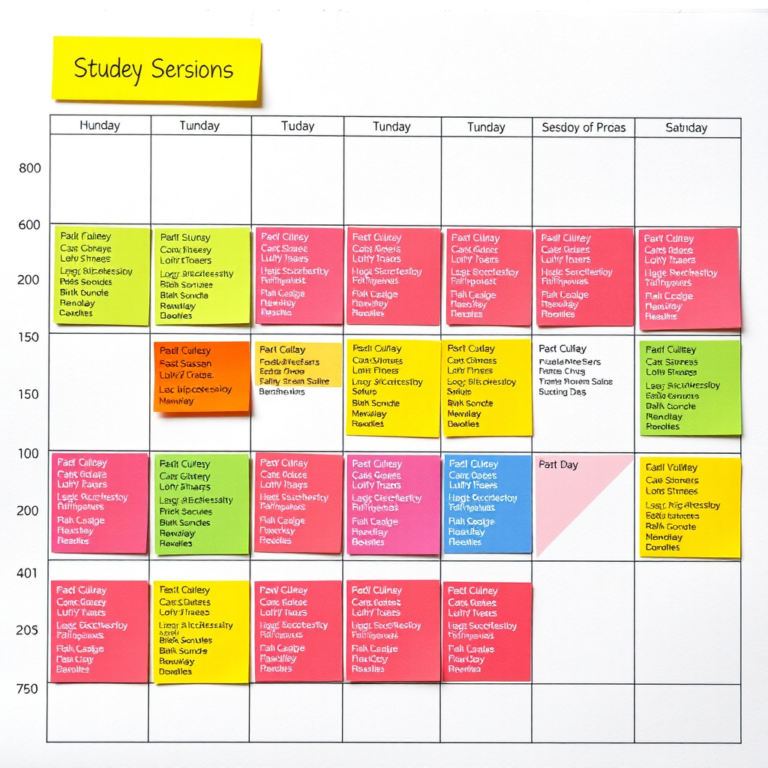
Consistent study habits lay the foundation for improved test taking skills. Creating a realistic schedule that breaks study material into manageable chunks helps retention and prevents last-minute cramming. Reviewing content regularly promotes familiarity, reducing uncertainty during the exam.
Focusing on comprehension over memorization allows for deeper understanding, which supports flexible thinking during tests. Incorporating effective study techniques such as summarizing key points and self-testing also makes study sessions more productive.
- Set fixed study times
- Break material into sections
- Use active recall and self-testing
- Summarize notes regularly
Simulating Test Conditions
Practicing under exam-like conditions strengthens your ability to apply test taking skills. This includes timing yourself during practice tests, working in quiet environments, and using only allowed materials. Simulations build familiarity with the pressure and format of actual exams.
Regularly taking practice tests boosts confidence, highlights weaker areas, and improves speed. This method also reduces the shock factor on test day, making it easier to stay calm and focused.
- Time practice strictly
- Use quiet, distraction-free spaces
- Replicate allowed materials
- Analyze results to improve
Managing Exam Anxiety and Boosting Confidence

Techniques to Reduce Test Anxiety
Exam anxiety can impair concentration and recall, negatively impacting performance. Effective methods to reduce anxiety include deep breathing exercises, positive visualization, and mindfulness practices that calm the nervous system. Preparing thoroughly beforehand also builds a sense of control.
Avoiding last-minute cramming and arriving early on test day helps maintain composure. These strategies work together to create a mental state conducive to clear thinking and better decision-making.
- Deep breathing
- Positive visualization
- Mindfulness meditation
- Early test arrival
For more on this, see our related guide: How to Choose the Best Test Preparation Tutor in Doral FL for Effective Results.
Building Test Day Confidence
Confidence grows when preparation meets reality. Reviewing key concepts the day before, organizing all required materials, and planning logistics eliminate preventable stress. During the test, focusing on one question at a time rather than the entire exam minimizes overwhelm.
Using affirmations and reminding yourself of past successes can reinforce a positive attitude. These confidence-boosting habits help maintain steady focus and promote answers based on knowledge, not panic.
Time Management Techniques for Tests
Allocating Time Across Different Question Types
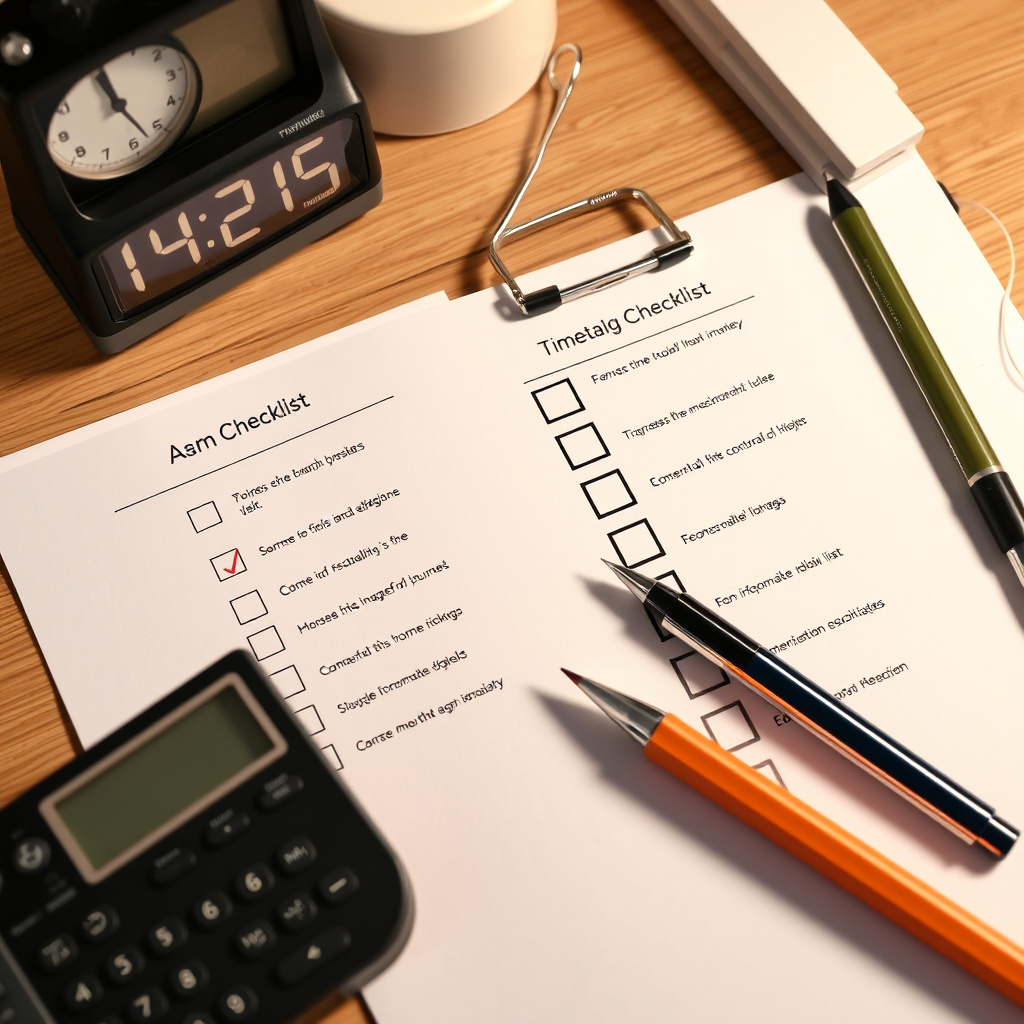
Knowing how to divide your time helps avoid spending too long on difficult questions and rushing through easier ones. Start by quickly scanning the test to identify sections or question types that require more time. Allocate time proportionally based on the points each part is worth.
For example, multiple-choice questions typically take less time than essays, so plan accordingly. Leaving challenging questions for last can also ensure you accumulate points steadily before tackling tougher items.
- Scan the entire test at the start
- Allocate time by question value
- Answer easy questions first
- Reserve time for review if possible
Using Time Keeping Tools and Techniques
Bringing a timer or using wristwatch alarms helps keep track of time without distractions. Set checkpoints during the exam to check whether you’re on pace to finish each section. This prevents last-minute panic or unfinished answers.
Some students find it helpful to jot down time targets next to sections or questions. Combining multiple techniques ensures staying consistently aware of how much time remains and encourages pacing.
- Use a silent timer or watch
- Set periodic checkpoints
- Write time goals on the test paper
- Practice timing during mock exams
Strategies for Different Question Formats
Tackling Multiple Choice and True/False Questions
For multiple-choice and true/false questions, careful reading and elimination are key. Avoid rushing to select the first answer that seems right; instead, eliminate clearly wrong options first to narrow down possibilities. This enhances accuracy.
Watch out for qualifiers such as “always” or “never” that can indicate traps. In true/false questions, verify absolutes cautiously, as many statements have exceptions. When uncertain, marking questions to revisit can save time initially.
- Read questions carefully
- Eliminate wrong answers
- Be wary of absolute terms
- Mark unsure questions to revisit
For more on this, see our related guide: How to Choose a Reading Comprehension Tutor That Boosts Your Skills.
Approaching Essay and Short Answer Questions
For essays, organizing thoughts before writing is crucial. Start with a brief outline to structure key points, then expand with examples and explanations. Keeping answers focused and concise prevents rambling and losing marks.
Short answer questions require direct responses supported by key details. Avoid vague answers by sticking closely to the question. Planning answers mentally before writing saves time and improves clarity.
- Outline key points before writing essays
- Use examples to support claims
- Be concise and focused
- Plan short answers mentally first
Incorporating Effective Study Techniques

Using Active Learning to Strengthen Recall
Active learning methods such as self-quizzing, flashcards, and teaching material to someone else improve memory retention. This approach helps move information from short-term to long-term memory, which is vital for performing well on tests.
Combining different formats, like visual aids and practice problems, keeps study sessions engaging and targets various learning styles. This versatility sharpens overall understanding and problem-solving abilities.
- Use flashcards for key terms
- Test yourself regularly
- Explain topics aloud
- Create visual study aids
For additional detailed insights and historical background on test taking strategies, refer to the test taking strategies on Wikipedia. test taking strategies on Wikipedia.
Balancing Review and Practice Testing
Reviewing notes strengthens understanding, but equally important is practice testing under timed conditions. Practice tests highlight weak areas and train you to apply knowledge under pressure. Balancing both strategies leads to more efficient preparation.
Spaced repetition where study and testing alternate over days or weeks helps prevent forgetting and builds confidence progressively leading up to the exam.
- Schedule regular review sessions
- Take timed practice exams
- Use spaced repetition methods
- Analyze mistakes thoroughly
Test Taking Skills Techniques Comparison
Here’s a comparison of common test taking techniques to help identify which suit different student needs and test formats best.
| Technique | Best For | Advantages | Challenges |
|---|---|---|---|
| Time Management Strategies | Timed exams | Prevents rushing, allocates effort | Needs practice to calibrate timing |
| Elimination Method | Multiple choice questions | Improves answer accuracy | Can be slow without training |
| Practice Testing | All test types | Builds familiarity and confidence | May require extra preparation resources |
| Anxiety Reduction Techniques | High-stress exams | Improves focus and calmness | Needs consistent practice |
| Answer Outlining | Essay questions | Organizes thoughts clearly | Requires quick planning skills |
Frequently Asked Questions
How can I manage time more effectively during tests?
Start by quickly scanning the entire test and dividing your time based on question difficulty and points. Use a watch or timer to stay aware, and answer easier questions first to build momentum.
What are good ways to reduce test anxiety?
Practicing deep breathing, positive visualization, and arriving early on test day helps calm nerves. Consistent preparation also boosts confidence, which reduces anxiety practically.
Are multiple-choice questions easier than essays?
Multiple-choice questions often take less time and focus on recognition, while essays require organizing and expressing ideas clearly. Both demand different skills, so practicing both is valuable.
How often should I take practice tests?
Regular practice tests spaced throughout your study schedule are ideal. They help track progress and improve speed, with higher frequency closer to the exam date.
What study techniques best improve test taking skills?
Active learning such as self-quizzing, summarizing, and teaching others boosts understanding. Combining this with timed practice tests prepares you for exam conditions.
Key Takeaways
- Mastering time management prevents rushing and incomplete answers.
- Reducing anxiety improves concentration and recall during tests.
- Practice tests under timed conditions build exam familiarity.
- Active learning enhances retention and flexible thinking.
Conclusion
Approaching how to improve test taking skills effectively means combining thorough preparation with practical exam strategies. Developing strong time management, question analysis, and stress control habits creates a framework to perform consistently well. By integrating these skills with ongoing study practices and mental preparedness, students can shift from uncertain to confident test takers.
Specific strategies like simulating test conditions and using elimination in multiple-choice questions address particular exam formats, while anxiety reduction techniques support overall mental clarity. For different exam types, adapting your approach such as outlining essays or pacing short answers further enhances results. Practicing these varied methods leads to steady improvement and ultimately better outcomes.
Start by evaluating your current strengths and weaknesses, then incorporate the relevant techniques outlined here through practice and reflection. With persistence and smart study, you’ll find yourself more capable and composed on test day. This not only improves scores but also fosters a more positive relationship with exams moving forward.