How to Improve Student Performance: Effective Strategies for Better Learning Outcomes
Improving student performance hinges on combining personalized support, consistent feedback, and effective study habits tailored to each learner's needs. Starting with clear goals and structured learning plans leads to measurable academic progress early on.
Many students struggle with motivation or unclear expectations, making targeted interventions and skill development vital. Understanding how learning styles and classroom environment affect performance is essential for fostering student growth.
In this article, we will explore practical methods for improving student performance, including classroom strategies, parental involvement, technology use, motivation techniques, and monitoring progress to create a holistic approach to student success.
Understanding Factors Affecting Student Performance
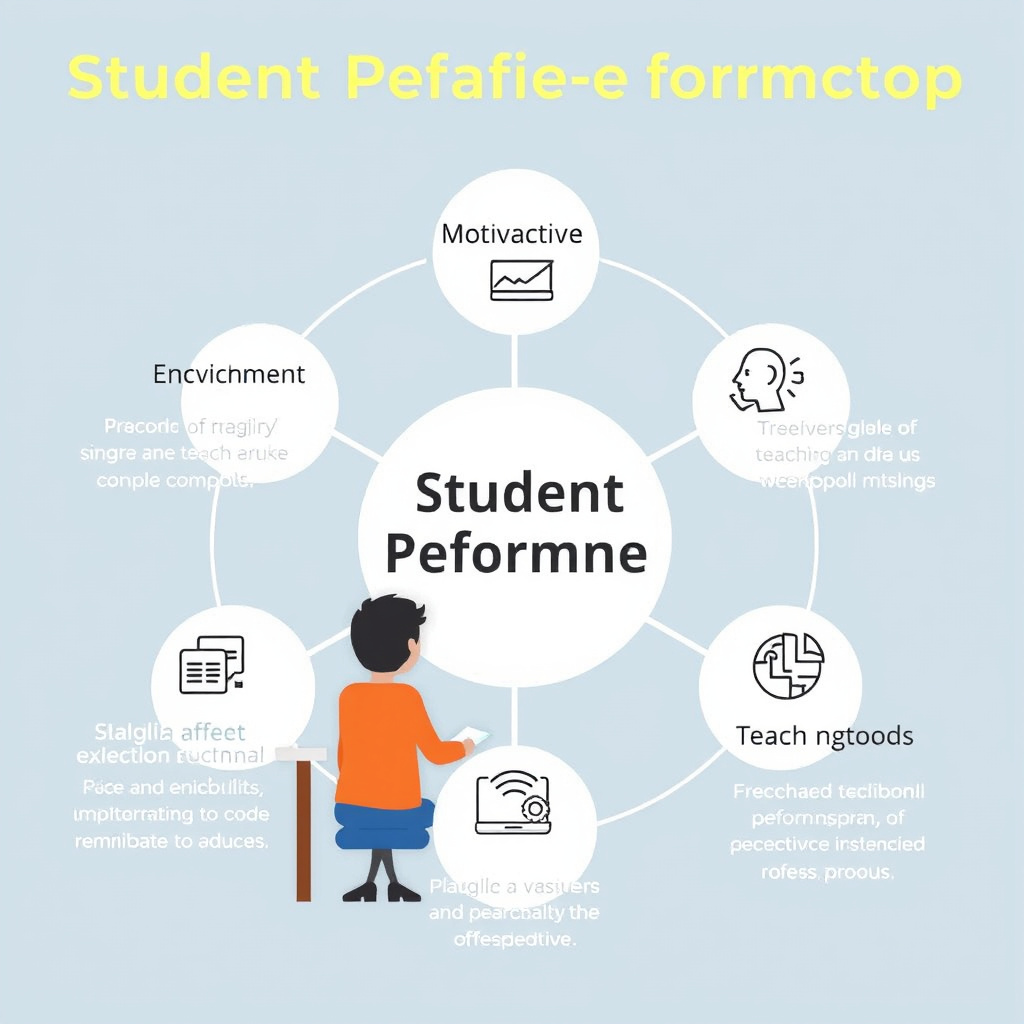
Role of Motivation and Mindset
Motivation greatly influences a student's ability to engage and retain information. Students who develop a growth mindset—believing abilities can improve through effort—tend to overcome challenges more effectively.
Encouraging intrinsic motivation through relevant content and autonomy helps students take ownership of their learning journey, promoting sustained effort and better outcomes.
- Growth mindset improves resilience
- Intrinsic motivation boosts engagement
- Extrinsic rewards have limited long-term effect
Impact of Learning Environment
A supportive and well-organized classroom environment minimizes distractions and fosters concentration. Physical setup, lighting, and available resources contribute significantly to student focus.
Safe emotional climates where students feel valued help reduce anxiety and encourage participation, directly benefiting academic performance.
- Quiet, well-lit workspaces aid concentration
- Positive teacher-student relationships build confidence
- Collaborative spaces encourage peer learning
Classroom Strategies to Improve Student Performance

Differentiated Instruction Techniques
Tailoring lessons to meet diverse student needs allows learners to work at their own pace and style. Differentiated instruction boosts understanding by varying content, processes, and assessment methods depending on individual readiness.
Using formative assessments regularly helps identify students needing more support or enrichment, making instruction more effective and personalized.
- Adjust tasks based on skill level
- Incorporate multiple learning modalities
- Provide ongoing, actionable feedback
For more on this, see our related guide: How to Choose a Tutor for Struggling Students: A Practical Guide.
Use of Technology and Interactive Tools
Integrating technology such as educational apps and interactive whiteboards can enhance engagement and accommodate different learning styles. Digital tools also enable immediate feedback and personalized learning paths.
Blended learning, combining in-person and digital methods, allows students to review materials at their convenience, reinforcing classroom instruction.
- Interactive quizzes promote active recall
- Multimedia content supports varied learners
- Online platforms enable self-paced learning
The Role of Parents and Guardians

Encouraging a Study-Friendly Home Environment
A quiet and organized space at home free from distractions is critical for productive study sessions. Establishing routines and clear expectations helps students develop discipline outside school hours.
Parents can support by providing necessary materials, limiting screen time during homework, and setting consistent schedules to improve focus and learning habits.
- Designate a dedicated study area
- Set regular study times
- Minimize noise and electronic distractions
Parent-Teacher Communication and Support
Regular communication between parents and teachers builds a shared understanding of academic goals and student progress. Collaborative approaches address challenges promptly and reinforce learning strategies at home.
Informed parents can encourage positive attitudes towards education and model lifelong learning, which boosts student motivation and accountability.
- Attend parent-teacher meetings
- Discuss progress and challenges openly
- Reinforce classroom expectations consistently
Techniques to Boost Student Motivation

Setting SMART Goals for Students
SMART goals—specific, measurable, achievable, relevant, time-bound—help students focus efforts and track progress. Breaking larger objectives into manageable steps sustains motivation and clarifies what success looks like.
Teachers and parents guiding students through this process encourage responsibility and build confidence through achievable milestones.
- Set clear, realistic targets
- Monitor progress regularly
- Celebrate small successes
For more on this, see our related guide: Effective Homework Help Tips for Students in Doral FL.
Incorporating Rewards and Positive Reinforcement
Positive reinforcement through verbal praise or non-material rewards encourages desirable behaviors and fosters a positive learning atmosphere. The focus on effort rather than innate ability strengthens motivation.
Careful use of rewards avoids dependency by emphasizing internal satisfaction and long-term benefits of learning.
- Highlight improvement and effort
- Use celebrations to reinforce progress
- Avoid excessive reliance on material rewards
Monitoring and Assessing Student Progress
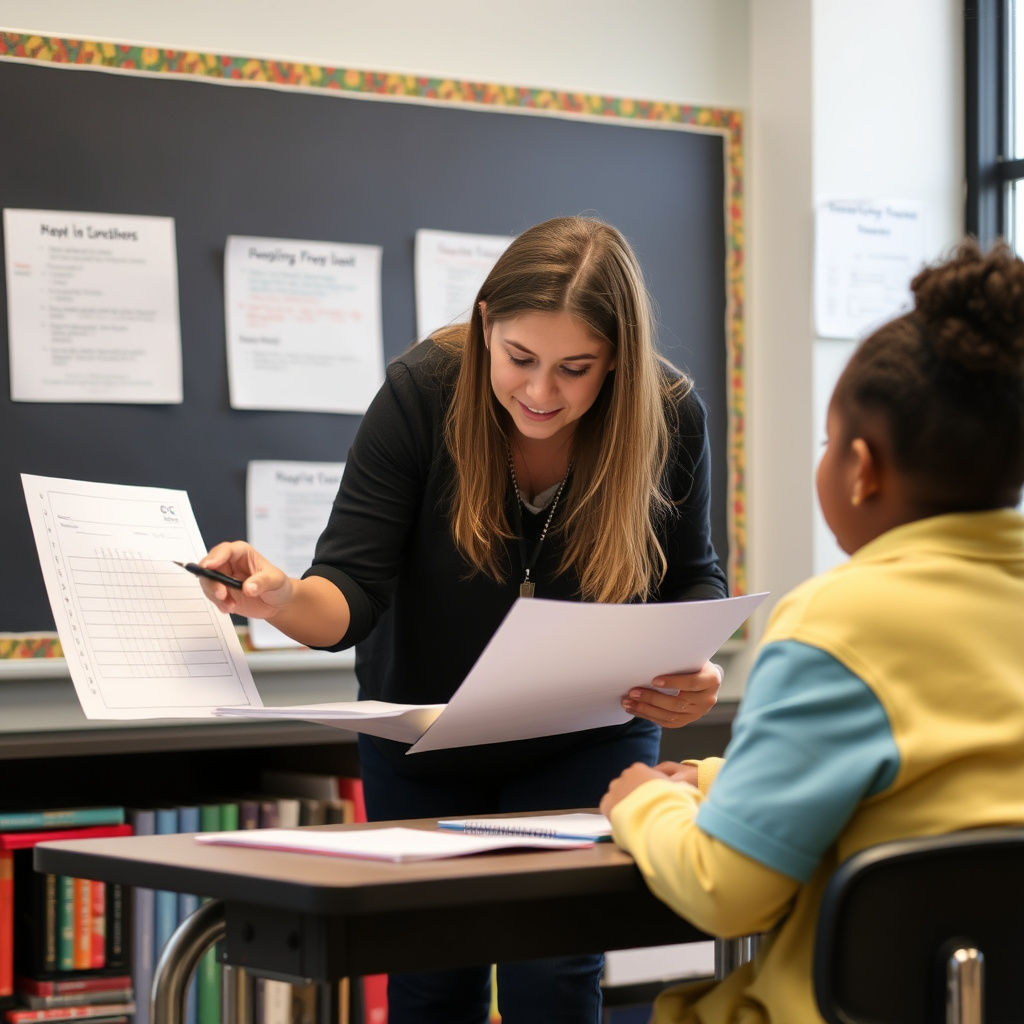
Formative and Summative Assessments
Formative assessments like quizzes and in-class activities provide real-time feedback that helps adjust teaching and identifies learning gaps before summative exams.
Summative assessments give a comprehensive overview of knowledge gained and help measure if learning goals are reached, influencing future instructional planning.
- Use frequent low-stakes quizzes
- Employ varied assessment formats
- Analyze results to guide instruction
For a detailed overview of elements influencing academic achievement, see this article on student performance factors on Wikipedia. student performance factors on Wikipedia.
Using Data to Inform Instruction
Tracking performance data assists educators in tailoring lessons to student needs. Patterns highlight areas requiring intervention or enrichment, enabling targeted support.
Student self-assessment fosters reflection on progress and encourages adjustments, promoting ownership of learning outcomes.
- Maintain detailed progress records
- Use data for personalized support
- Encourage student goal-setting based on feedback
Comparison of Methods to Improve Student Performance
This table compares common approaches used to enhance student performance across various criteria.
| Method | Effectiveness | Ease of Implementation | Cost | Suitable For |
|---|---|---|---|---|
| Differentiated Instruction | High | Moderate | Low | Diverse classrooms |
| Technology Integration | Moderate | High | Moderate | Digital-savvy students |
| Parental Involvement | High | Variable | Low | Younger students |
| SMART Goal Setting | Moderate | High | Low | All students |
| Positive Reinforcement | Moderate | High | Low | Behavior management |
Frequently Asked Questions
What role does a growth mindset play in improving student performance?
A growth mindset encourages students to view challenges as opportunities to learn, leading to increased effort and resilience, which improve academic performance over time.
How can parents help boost their child's academic success?
Parents can support by creating a distraction-free study space, maintaining consistent routines, communicating with teachers, and encouraging positive learning attitudes at home.
What technology tools effectively promote student learning improvement techniques?
Educational apps, interactive quizzes, digital flashcards, and online platforms for self-paced learning are proven tools to enhance engagement and accommodate varied learning styles.
Why is regular assessment important for student performance?
Regular assessments provide feedback that helps identify learning gaps early, allowing teachers to adjust instruction and support students before major evaluations.
Are rewards an effective way to motivate students long-term?
While rewards can encourage short-term effort, fostering intrinsic motivation and emphasizing personal growth leads to more sustainable student engagement.
Key Takeaways
- Motivation and learning environment significantly influence student performance.
- Differentiated instruction and technology enhance personalized learning experiences.
- Parental involvement and open communication support academic success.
- Regular assessment and clear goal-setting empower students to improve continuously.
Conclusion
Determining how to improve student performance requires balancing various factors, such as motivation, teaching methods, and support systems. Effective decision-making involves observing individual student needs and applying targeted strategies to foster engagement and understanding. Combining classroom efforts with parental involvement and appropriate technological tools creates a comprehensive system that sustains progress.
Specific approaches like differentiated instruction cater to diverse learners, while SMART goal-setting builds clear expectations encouraging self-regulation. For technology-oriented students, integrating digital platforms promotes interactive learning; meanwhile, parental communication ensures alignment of home and school efforts. Positive reinforcement techniques can motivate behaviors conducive to learning, though intrinsic motivation remains the foundation for long-term success.
As a next step, educators and parents should collaboratively assess the unique challenges and strengths of each student to select fitting strategies discussed here. Establishing consistent monitoring systems and flexible interventions allows continuous adaptation to changing needs, leading to improved outcomes. Emphasizing personalized support and setting realistic goals can guide students toward achieving their full academic potential.