How Much Does a Tutor Cost? Understanding Tutor Pricing in 2024
The cost of a tutor varies widely depending on factors such as subject, tutor experience, location, and tutoring format. On average, private tutoring typically ranges from $25 to $80 per hour, with specialized subjects or highly experienced tutors potentially charging more. Group sessions are usually less expensive than individual ones.
Understanding tutor pricing matters because it helps you budget effectively and select a tutoring option that fits your learning goals. Some tutors charge premium rates for advanced subjects like AP classes, SAT preparation, or college-level courses, while others offer more affordable rates for basic subjects or younger students.
This article explores different aspects that affect how much a tutor costs and breaks down pricing by tutoring type, subject, experience level, and location. You will also find a comparison of various tutoring categories, frequently asked questions, and key takeaways to help guide your next tutoring decision.
Factors That Affect How Much a Tutor Costs
Tutor Experience and Qualifications
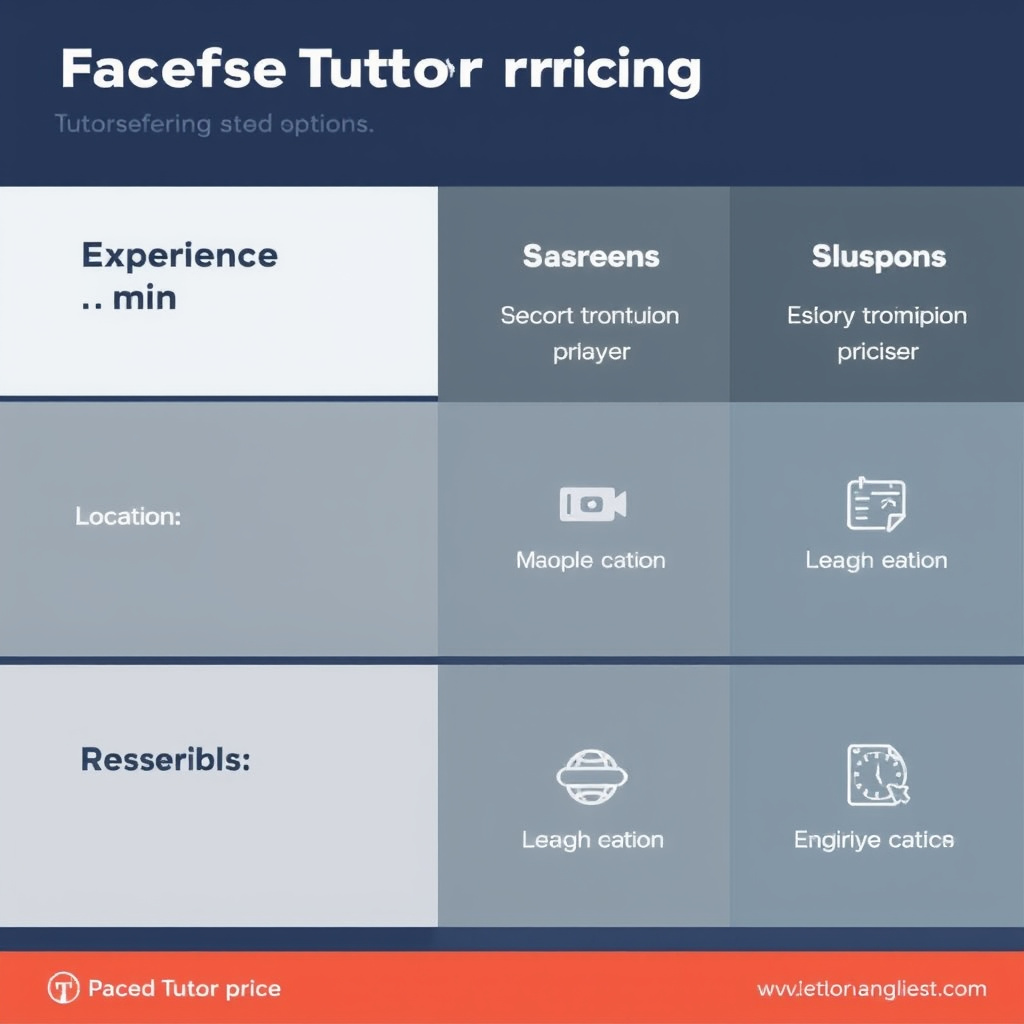
Tutors with advanced degrees, certifications, or extensive teaching experience typically charge higher rates. For instance, a tutor with a master's degree or a teaching credential usually commands more compared to a college student.
Less experienced tutors, such as current undergraduate students or high school graduates, often provide more affordable options. Their rates reflect the balance between proving effectiveness and gaining tutoring expertise.
- Certified teachers charge premium rates
- Graduate-level tutors often cost more
- Student tutors offer budget-friendly support
Subject Complexity
Subjects like math, science, or languages often require specialized knowledge, influencing tutor cost. Advanced courses like calculus, physics, or foreign languages with less common dialects tend to have higher tutoring rates.
Conversely, reading or general homework help tends to be less expensive since the necessary tutor qualifications are more common.
- Advanced STEM subjects usually cost more
- Common subjects like English or History are moderately priced
- Test prep tutoring (SAT, ACT) often commands premium fees
Types of Tutoring and Their Costs

Private One-on-One Tutoring
Individual tutoring sessions are generally the most expensive option because the tutor’s full attention is dedicated to a single student. Rates for private tutors can range from $40 to $100 per hour depending on their background and subject expertise.
This method offers personalized lesson plans and pacing, which often translates to quicker progress but at a higher price point.
- Highest cost per hour
- Customized tutoring experience
- Flexibility in scheduling and topics
Group Tutoring and Online Platforms
Group tutoring is a more affordable option, with prices often between $15 and $40 per hour per student. Sharing the tutor’s time with others reduces the hourly rate but may limit individualized attention.
Online tutoring platforms may offer both private and group sessions. These platforms provide convenience and sometimes subscription plans that lower the average cost per lesson.
- Lower cost due to shared time
- Less personalized interaction
- Availability of subscription models for savings
Geographic Influence on Tutor Pricing
Urban vs. Rural Tutoring Costs
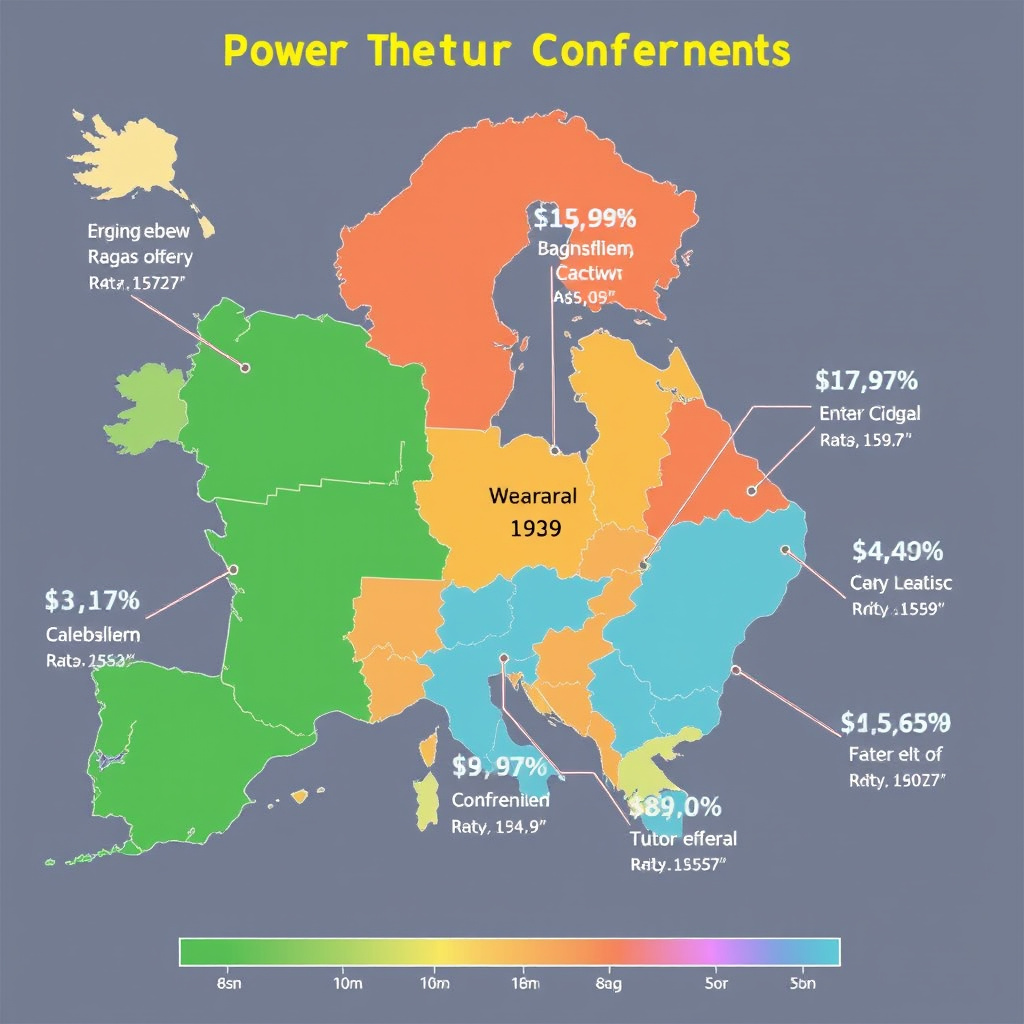
Tutors in urban areas often charge more due to higher living costs and greater demand. Cities can see rates around $50 to $100 per hour, whereas rural areas might have rates closer to $20 to $50.
Limited availability of specialized tutors in rural areas can sometimes increase prices for certain subjects despite the general trend toward lower costs.
- Higher rates in metropolitan regions
- Lower-average costs in rural settings
- Specialist tutors vary based on location
Regional Cost Differences Within Countries
Some countries have significant regional disparities; for example, tutoring in a high-cost city like New York or London often costs more than in smaller towns or secondary cities.
Economic factors and regional demand impact tutor pricing beyond just urban versus rural distinctions.
- Economic hubs have higher pricing
- Smaller cities offer moderate rates
- Cost varies with local education funding
Payment Models and Scheduling Flexibility
Hourly, Packages, and Subscription Options
Most tutors charge by the hour, but many also offer discounts for pre-paid packages or monthly subscriptions. Hourly rates offer flexibility while packages reduce overall cost per session.
Subscriptions through online platforms may include additional resources like study materials, practice tests, or recorded lessons, adding value for students.
- Hourly pricing for flexible sessions
- Discounted multi-session packages
- Monthly subscriptions with extras
Session Frequency and Cancellation Policies
Tutoring costs can be affected by session frequency; weekly or biweekly sessions often mean better learning retention but also higher accumulated costs.
Cancellation policies vary, with some tutors requiring fees or advance notice. Understanding these terms helps avoid unexpected charges.
- Frequent sessions aid faster progress
- Cancellation fees may apply
- Advance scheduling often rewarded
How to Find a Tutor Within Your Budget

Using Online Marketplaces and Reviews
Online tutoring marketplaces list rates clearly and include tutor reviews to help compare options. This makes it easier to find tutors fitting your budget and requirements.
Filtering by subject, price range, and tutor qualifications narrows choices, ensuring you invest in proven tutors without exceeding your cost limits.
- Compare ratings and prices quickly
- Filter by qualifications and subjects
- Access trial sessions or guarantees
Asking for Recommendations and Local Resources
Seeking referrals from teachers, schools, or community centers can lead to trusted tutors offering competitive rates. Local agencies may also provide discounted tutoring or group sessions.
Schools sometimes have free or low-cost programs, which can supplement paid private tutoring effectively.
- Trusted recommendations reduce risk
- Community programs offer budget options
- Schools as resource hubs
Balancing Cost and Quality in Tutor Choices

Recognizing Value Beyond Price
The cheapest tutor may not always provide the best results, so factoring in experience, teaching style, and student rapport is key. Investing slightly more often leads to better learning outcomes.
Value is about the overall effectiveness; a skilled tutor reduces wasted time and frustration, making the hourly cost more worthwhile.
- Look for proven success records
- Consider teaching approach compatibility
- Evaluate tutor responsiveness
For an in-depth look at what tutoring involves, explore the comprehensive tutoring information on Wikipedia. tutoring information on Wikipedia.
Adjusting Expectations According to Budget
When budget constraints limit options, consider group tutoring or less frequent sessions. Supplement paid tutoring with free online resources and practice to maximize benefits.
Flexibility in scheduling and openness to different learning formats can help find a balance between affordability and educational impact.
- Group sessions stretch budget
- Mix paid tutoring with self-study
- Accept varied session frequency
Comparison of Tutor Categories and Pricing
The table below compares different tutor categories by average hourly cost, tutoring format, and typical subjects offered.
| Tutor Category | Average Hourly Cost | Typical Format | Common Subjects |
|---|---|---|---|
| Certified Teacher | $60-$100 | Private or Group | General K-12 subjects, test prep |
| Graduate Student Tutor | $40-$70 | Private | Specialized subjects, college prep |
| Undergrad Student Tutor | $25-$45 | Private or Group | Basic subjects, homework help |
| Online Platform Tutor | $20-$80 | Private or Group | Wide range including test prep |
| Community Program Tutor | $10-$30 | Group | Basic subjects, supplemental help |
Frequently Asked Questions
Are online tutors cheaper than in-person tutors?
Online tutors can be more affordable due to lower overhead, and many offer flexible pricing and subscriptions, often making them less expensive than in-person options.
How many tutoring sessions are needed to see improvement?
Improvement depends on the student's goals and consistency, but many see progress after 4 to 8 weekly sessions when using a qualified tutor.
Can group tutoring be as effective as private tutoring?
Group tutoring offers cost savings but less individual attention; it can be effective for review and practice but may not suit all learning styles.
Do tutors offer discounts for multiple sessions?
Many tutors provide reduced rates when you purchase sessions in packages or commit to monthly plans, lowering the average cost per lesson.
Is it better to hire a tutor with teaching credentials?
Tutors with teaching credentials often have proven pedagogical skills, which can improve the learning experience but might be more costly.
Key Takeaways
- Tutor rates vary by experience, subject, location, and format.
- Private one-on-one tutoring is costlier but more personalized.
- Group and online tutoring provide affordable alternatives.
- Balancing cost with quality and compatibility is essential.
Conclusion
Determining how much a tutor costs depends heavily on your specific requirements including the subject area, the tutor’s background, and the mode of instruction. By comparing hourly rates, understanding payment models, and factoring in the tutor’s qualifications, you can find an option that fits your budget without sacrificing the quality of education. Evaluating these elements holistically helps you make a more informed tutoring investment.
For students needing specialized help, such as advanced calculus or SAT preparation, investing in a certified teacher or experienced graduate tutor may be worthwhile despite higher costs. Budget-conscious learners might benefit more from group sessions or online platforms offering subscriptions, which still provide access to quality instruction at lower average hourly rates. Community programs or student tutors can supplement learning affordably but may require more self-driven effort.
Ultimately, your next step should be to identify your tutoring goals clearly and use resources like online marketplaces, reviews, or recommendations to explore tutors within your price range. Try trial sessions where available to evaluate fit and teaching style before committing. Balancing cost and tutoring quality ensures you get the most value and the best possible educational outcome.