How to Practice Math Effectively for Faster Learning and Confidence
Mastering math requires consistent and focused practice rather than just passive reading or watching tutorials. How to practice math effectively involves engaging actively with problems regularly, reviewing mistakes carefully, and building foundational concepts incrementally. This approach ensures steady improvement and stronger problem-solving abilities.
Practicing math effectively matters because math skills develop through repeated effort and understanding patterns, not by chance. Many students struggle because they either rush through exercises without reflection or avoid challenging problems. Establishing a routine with diverse practice tasks strengthens mental processes and builds lasting confidence.
This article covers key strategies on how to practice math, including designing practice routines, addressing common obstacles, using resources wisely, and staying motivated. It also compares different methods for varying goals such as test prep, conceptual mastery, or competitive math. Readers will find practical tips and a clear framework to enhance their math practice journey.
Setting Up Effective Math Practice Sessions

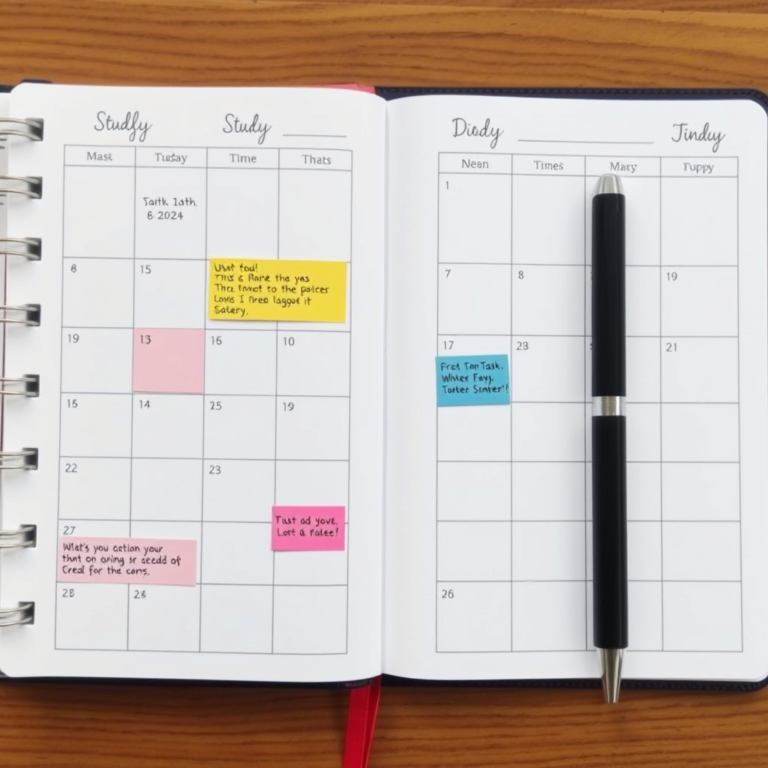
Creating a Consistent Practice Schedule
Consistency beats intensity when learning math. Scheduling 20-30 minute sessions daily or on alternate days helps the brain form strong connections without becoming overwhelmed. Incorporate short breaks every 10-15 minutes to maintain focus.
Choosing the right time—such as mornings when alertness is high—can improve retention. Linking math practice with a fixed routine, like after breakfast or during a study block, builds lasting habits.
- Daily or alternate day practice
- 20-30 minutes per session
- Short breaks for focus
- Fixed time slots for routine
Selecting Appropriate Practice Materials
Use materials that match your current skill level to keep practice challenging but achievable. Too easy materials foster boredom; too hard leads to frustration.
Incorporate textbooks, online problem sets, math apps, and past test papers. Variety prevents monotony and exposes you to multiple problem styles.
- Level-appropriate worksheets
- Interactive apps for engagement
- Past exam questions
- Textbook exercises
Techniques to Maximize Math Learning

Active Problem Solving and Error Analysis
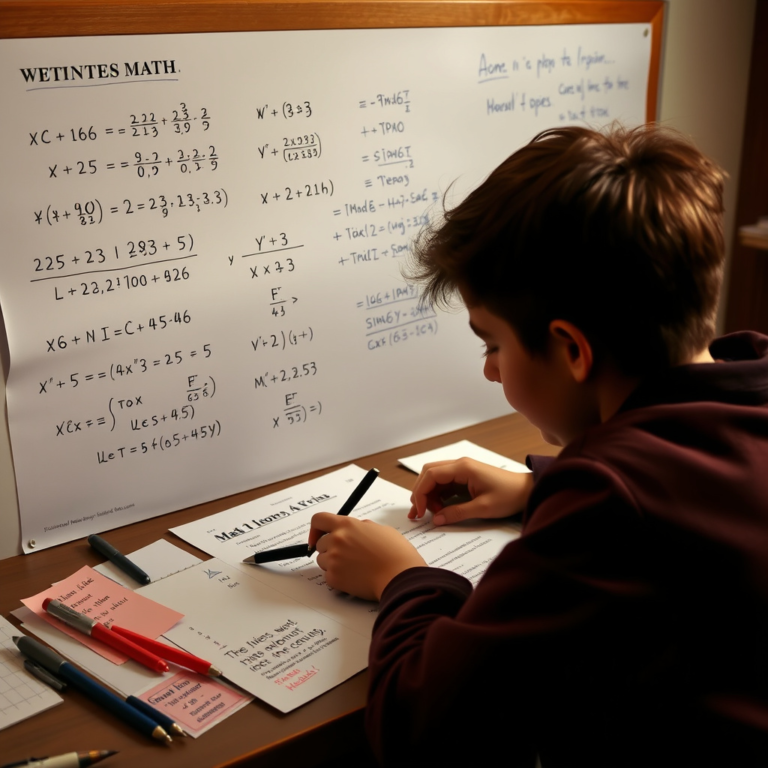
Solve problems actively by writing out full solutions rather than just answers. This reinforces concepts and clarifies thought processes.
Review errors thoroughly by identifying where and why mistakes happened. This feedback loop is critical to avoiding the same errors and strengthening weak areas.
- Write out detailed solutions
- Compare solutions to answer keys
- Analyze and learn from errors
Using Math Practice Techniques to Build Conceptual Understanding
Practice math techniques such as spaced repetition and interleaved practice by mixing different topics and revisiting concepts over time. This enhances long-term retention and problem flexibility.
Visual aids like number lines or diagrams support understanding of abstract ideas. Explaining solutions aloud or teaching someone else can deepen comprehension.
- Spaced repetition
- Interleaved topic practice
- Visual aids and diagrams
- Teaching or verbalizing solutions
Motivation and Mindset During Math Practice

Developing a Growth Mindset
Believing that abilities improve with effort motivates sustained math practice. View challenges as opportunities to learn rather than signs of failure.
Celebrate small wins and progress rather than perfection. Recognize that mistakes are part of learning math and build resilience.
- Value effort over innate skill
- Celebrate incremental progress
- View mistakes as learning moments
For more on this, see our related guide: How to Get Effective Math Homework Help Fast and Easily.
Avoiding Common Motivation Pitfalls
Avoid burnout by balancing math practice with relaxing activities. Overworking leads to fatigue and diminished returns.
Set realistic goals to prevent frustration. Chunk learning into manageable tasks instead of overwhelming sets.
- Manage practice workload
- Set achievable goals
- Include breaks and rewards
Tailoring Math Practice to Specific Goals

Preparing for Exams and Standardized Tests
Focus practice on past exams and timed problem sets to simulate test conditions. Reviewing test-taking strategies improves confidence.
Identify common question types on exams and allocate extra time for those areas to increase familiarity and speed.
- Use past exams for practice
- Practice under timed conditions
- Focus on common test topics
Improving Conceptual Mastery and Critical Thinking
Engage with open-ended problems that require reasoning beyond formulas. This deepens understanding beyond rote memorization.
Discuss math problems with peers or mentors to explore different approaches and reinforce concepts.
- Open-ended, challenging problems
- Group discussions and tutoring
- Focus on underlying principles
Leveraging Technology and Online Resources
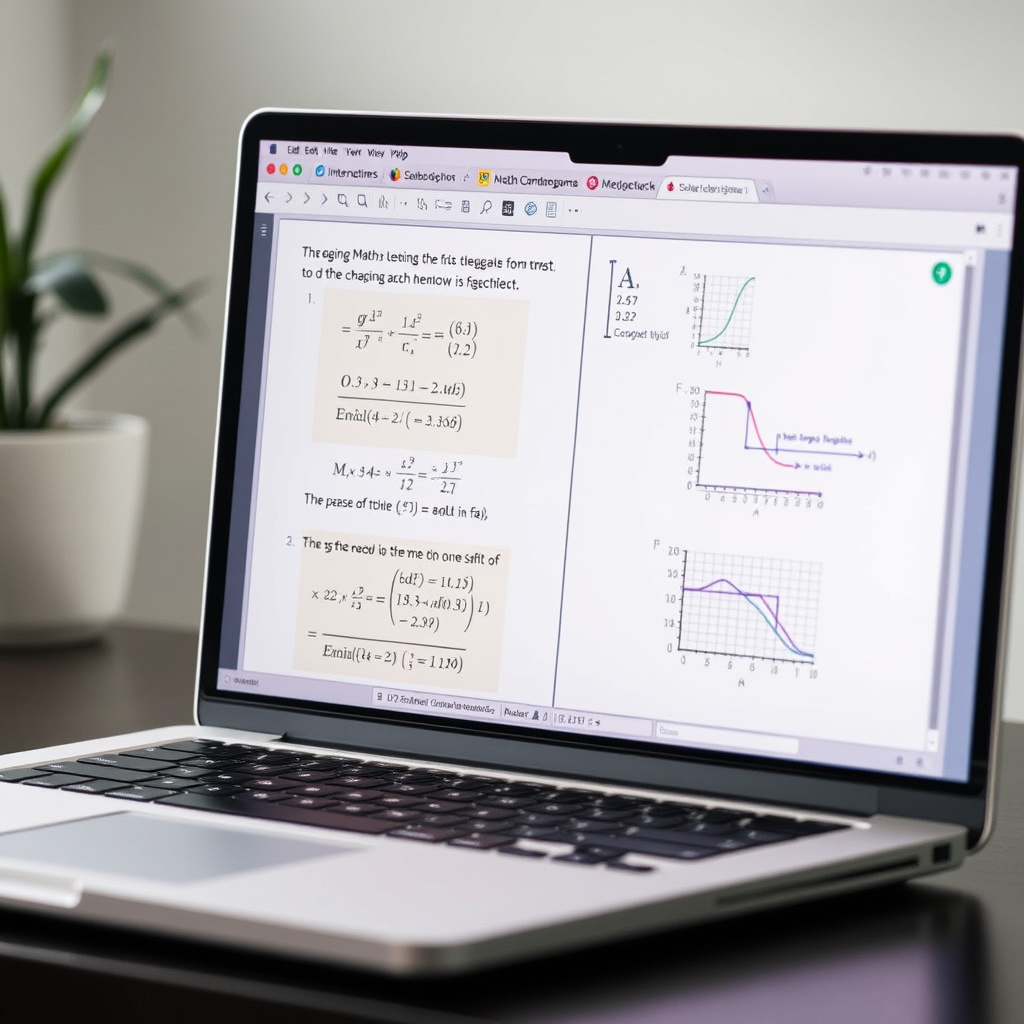
Using Apps and Online Platforms for Practice
Apps like Khan Academy, IXL, and Photomath provide interactive problems with instant feedback, making practice engaging and efficient.
Online platforms often allow customization by topic and difficulty level, enabling targeted practice tailored to individual needs.
- Interactive math apps
- Instant feedback tools
- Customizable difficulty levels
For more on this, see our related guide: How to Choose an Elementary Math Tutor in Doral FL for Your Child’s Success.
Incorporating Video Tutorials and Forums
Viewing detailed video explanations helps clarify complex concepts and alternative solution methods.
Math forums and communities provide access to diverse problem sets, peer support, and expert advice, enriching the learning experience.
- Educational math videos
- Peer discussion forums
- Expert Q&A platforms
Tracking Progress and Adjusting Practice

Keeping a Math Practice Journal
Recording problems solved, errors made, and concepts studied highlights trends in progress and identifies persistent challenges.
Journaling encourages reflection on learning techniques and fosters accountability for regular practice.
- Daily problem logs
- Error tracking
- Learning reflections
For a broader overview of math learning theories and methods, see the mathematics learning strategies on Wikipedia. mathematics learning strategies on Wikipedia.
Adapting Practice Based on Feedback
Modify practice sets to focus on weak areas identified through assessments and journal entries.
Increase challenge gradually by introducing advanced topics once fundamentals solidify to maintain growth.
- Target weak topics
- Gradual difficulty increase
- Use assessment feedback
Math Practice Methods Comparison
The table below compares popular math practice methods to help you choose the best approach for your learning style and goals.
| Method | Focus | Ideal For | Pros | Cons |
|---|---|---|---|---|
| Timed Practice Drills | Speed and accuracy | Test preparation | Builds quick recall, simulates exam conditions | Can cause stress, less depth |
| Conceptual Problem Solving | Deep understanding | Critical thinking enhancement | Improves reasoning, long-term retention | Slower pace, less procedural practice |
| Mixed Topic Practice | Retention and flexibility | General skill building | Good for varied knowledge, prevents boredom | May confuse beginners |
| Video Tutorials and Guided Practice | Visual learning | Clarifying difficult concepts | Step-by-step explanations, accessible | Less active problem solving |
| Peer Discussion and Study Groups | Collaborative learning | Conceptual mastery and motivation | New perspectives, motivation boost | Dependent on group dynamics |
Frequently Asked Questions
How often should I practice math to improve?
Practicing math consistently, ideally 20-30 minutes daily or on most days, allows steady progress by reinforcing concepts without burnout.
What is the best way to learn from my math mistakes?
Review each error carefully by retracing your steps, understanding where you went wrong, and practicing similar problems to avoid repeating mistakes.
Can technology replace traditional math practice?
Technology enhances practice with interactive feedback and diverse materials but works best combined with active problem solving on paper for deeper learning.
How do I stay motivated when math gets difficult?
Break problems into manageable parts, celebrate small achievements, and remind yourself that struggle is part of learning math skills.
Is it better to focus on one math topic at a time or mix topics?
Beginners benefit from focused practice, while mixing topics later improves retention and adaptability by reinforcing varied skills.
Key Takeaways
- Consistent, focused practice builds math skills more effectively than sporadic effort.
- Active problem solving with error review deepens understanding and avoids repeating mistakes.
- Incorporate varied materials and tech tools to keep practice engaging and well-rounded.
- Tailor practice methods to specific goals like test prep or conceptual mastery for best results.
Conclusion
Establishing an effective math practice routine begins with consistent and well-structured sessions focused on active engagement rather than passive review. Prioritizing clarity in problem solving and learning from mistakes forms the backbone of continuous improvement in mathematics. Incorporating diverse materials such as textbooks, apps, and past tests prevents monotony and deepens skills by exposing you to multiple problem types and strategies.
Depending on your objectives—whether preparing for an exam, developing critical thinking, or competing in math contests—you should choose practice approaches that suit those aims. Timed drills excel in building speed and exam readiness, while conceptual problem solving enhances understanding for long-term mastery. Combining these with tools like video tutorials and study groups creates a balanced learning experience tailored to your needs, leveraging both individual and collaborative strengths.
For anyone looking to improve at math, setting achievable goals, maintaining motivation through acknowledging progress, and adapting practice based on feedback are vital next steps. Begin with manageable daily routines focusing on your current level, integrate math practice techniques such as spaced repetition, and utilize available online resources to keep engaged. This focused and consistent effort lays the foundation for a confident and ongoing math journey.