How to Improve Reading Comprehension: Practical Strategies That Work
Improving reading comprehension starts with actively engaging with the text using focused techniques. By practicing skills like prediction, summarization, and questioning, readers can better grasp meaning and retain information when reading.
These skills matter because strong reading comprehension is foundational for academic success, professional tasks, and everyday information processing. Without comprehension, reading becomes a mechanical activity rather than a meaningful one.
This article explores multiple ways to improve reading comprehension, including setting clear purposes for reading, using note-taking methods, developing vocabulary, and practicing with diverse texts. You will find practical advice to apply immediately.
Setting a Purpose and Previewing Text for Better Reading Comprehension
Defining a Clear Reading Purpose
Having a clear goal when you start reading guides your focus and helps you filter relevant information. For example, reading to find a specific fact requires different techniques than reading for general understanding.
Clarifying your purpose helps you decide whether to skim, scan, or read deeply. This approach prevents wasting cognitive effort on irrelevant parts and strengthens comprehension by concentrating on what matters most.
- Identify if you need details, overview, or critical analysis
- Adjust pace according to reading goal
- Revisit the purpose if confused during reading
Previewing to Activate Prior Knowledge
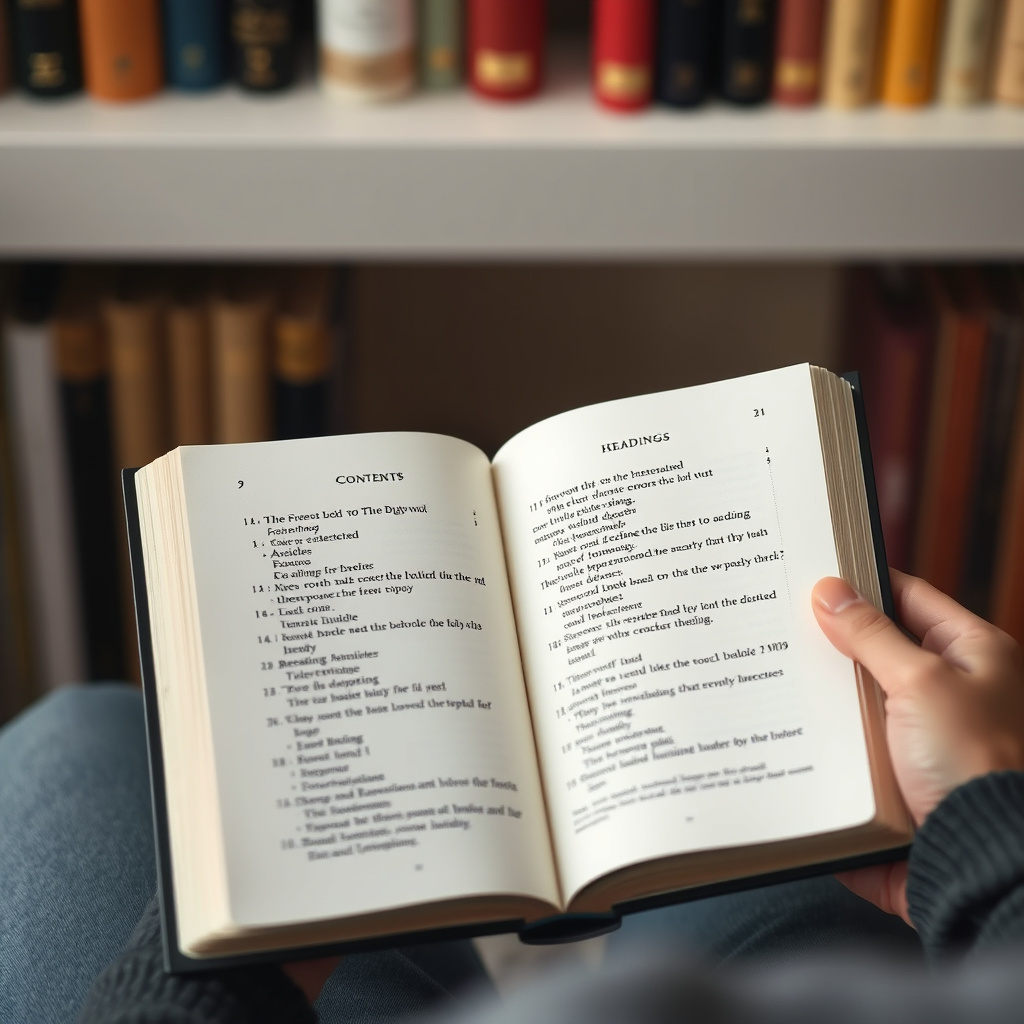
Previewing involves skimming titles, subtitles, images, and summaries before full reading. This primes your brain to connect new information with what you already know.
By anticipating content, readers create a mental framework that aids understanding. Previewing also highlights unfamiliar vocabulary or concepts you may need to research for better comprehension.
- Read headlines and subheadings
- Look over any charts or pictures
- Note bold or italicized words
- Read introductory and concluding paragraphs
Active Reading Techniques to Improve Reading Comprehension

Annotating and Highlighting Key Information
Marking important points and writing brief notes in the margins helps reinforce understanding and memory. Highlighting should be selective, focusing on main ideas and essential details.
Annotations encourage interaction with the text rather than passive reading. They create visual cues for review and help identify parts needing further clarification.
- Use different colors for themes or questions
- Write summaries beside paragraphs
- Circle unclear words for later lookup
For more on this, see our related guide: How to Choose a Reading Comprehension Tutor That Boosts Your Skills.
Asking Questions While Reading
Posing questions about the text—such as why an author wrote something or what the main argument is—engages higher-level thinking. This strategy improves comprehension by prompting deeper analysis.
Questions can be literal, inferential, or evaluative. Creating these questions acts as a compass, guiding your attention and signaling when to reread or seek additional information.
- What is the main idea here?
- How does this relate to previous passages?
- What evidence supports this argument?
Expanding Vocabulary and Background Knowledge

Improving Vocabulary for Smoother Reading
A stronger vocabulary reduces interruptions and confusion while reading. Learning prefixes, suffixes, and root words enables guesswork for unfamiliar terms.
Regularly noting and reviewing new words encountered in texts strengthens language skills and builds reading confidence over time.
- Maintain a vocabulary journal
- Use flashcards for tough words
- Practice context clues to infer meanings
Building Background Knowledge
Understanding the context or subject matter makes complex texts more accessible. Familiarity with related topics provides a framework for absorbing details and subtle nuances.
Supplementing reading with videos, articles, or discussions about relevant topics enhances overall comprehension and recall.
Utilizing Summarization and Note-Taking Methods
Writing Summaries to Solidify Understanding
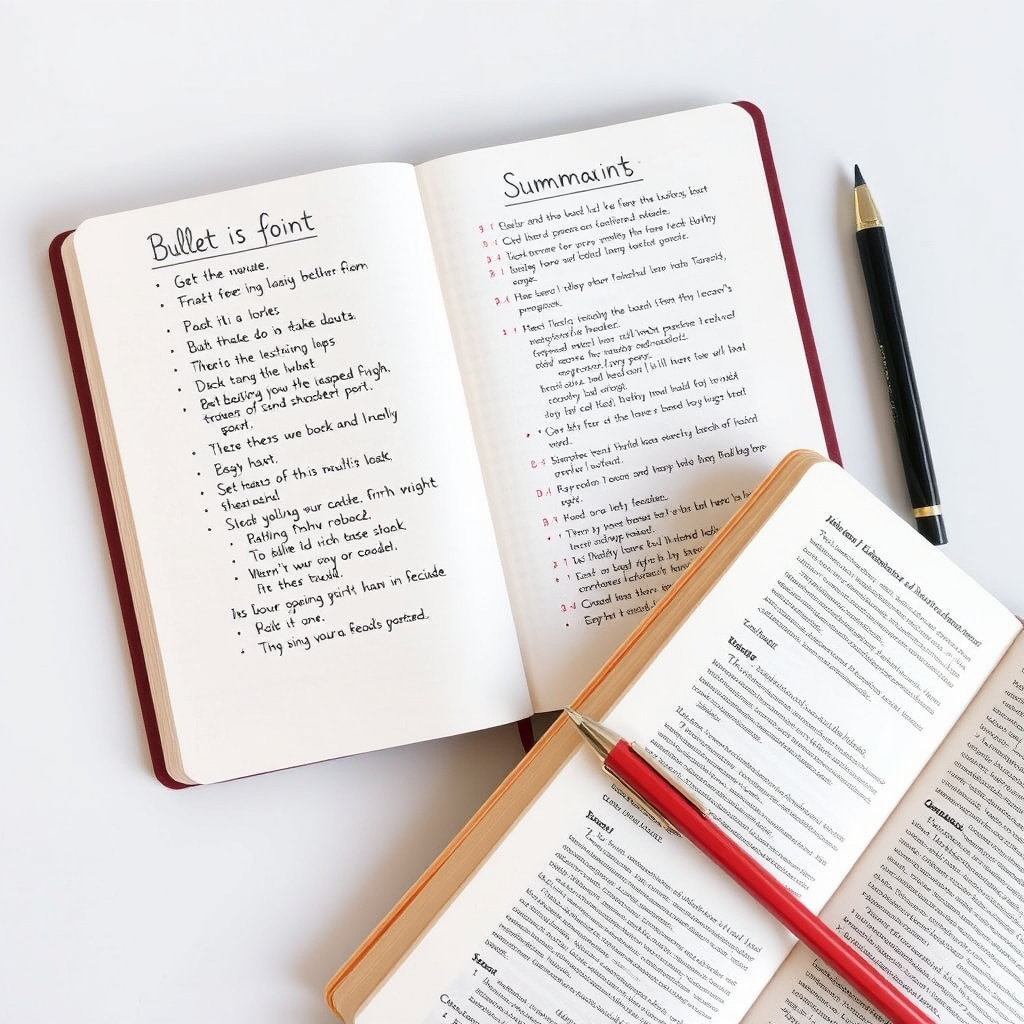
Summarizing key points in your own words after reading forces you to process and rephrase information, which deepens comprehension.
Frequent summaries, whether brief or detailed, aid memory retention and make review sessions more effective.
- Use bullet points for clarity
- Focus on main ideas and omit minor details
- Compare summaries with the original text for accuracy
For more on this, see our related guide: How to Choose an Elementary Reading Tutor in Doral FL for Your Child.
Effective Note-Taking Strategies
Note-taking organizes thoughts and highlights relationships in the text. Methods like the Cornell system or mind mapping cater to different learning styles.
Well-structured notes act as useful study aids and allow quick retrieval of critical information during revisions.
- Divide page into sections (cue, notes, summary)
- Use symbols or abbreviations to save space
- Review and revise notes regularly
Practicing Regular Reading and Choosing Diverse Texts

Building a Habit of Consistent Reading
Frequent reading improves fluency and stamina, both essential for comprehension. Setting aside daily reading time reinforces skills and expands exposure to different styles and vocabularies.
Over time, regular readers develop a natural rhythm to process texts faster and with better understanding.
- Read for at least 20 minutes daily
- Select materials appropriate to skill level
- Track progress to stay motivated
Read more about effective reading comprehension techniques from a reliable, comprehensive source. reading comprehension techniques.
Incorporating Various Genres and Formats
Exposure to different types of writing—fiction, nonfiction, technical articles, news reports—broadens comprehension abilities and adaptability.
Diverse reading formats, including printed books, ebooks, and audiobooks, can enhance engagement and understanding by appealing to multiple senses.
Reading Comprehension Strategies Category Comparison
Here is a comparison of four common categories of reading comprehension strategies to consider for different reading goals and styles.
| Category | Best For | Complexity Level | Key Benefits |
|---|---|---|---|
| Previewing & Purpose Setting | Introductory reading, skimming | Low | Improves focus, guides attention |
| Active Reading (Annotations & Questions) | Academic texts, detailed study | Medium | Deepens engagement, aids critical thinking |
| Vocabulary & Background Building | Challenging texts, technical material | High | Reduces misunderstandings, strengthens overall literacy |
| Summarization & Note-Taking | Review sessions, long-term retention | Medium | Organizes ideas, enhances memory |
Frequently Asked Questions
How can I improve reading comprehension quickly?
Start by setting a clear purpose before reading and previewing the text. Combine this with active reading techniques like highlighting and asking questions for immediate improvement.
Does reading more books help with comprehension?
Yes, regular reading builds vocabulary, fluency, and familiarity with different writing styles, all of which contribute to better comprehension over time.
Are there tools that can assist with reading comprehension?
Tools like digital highlighters, vocabulary apps, and note-taking software can aid comprehension by helping organize thoughts and expand language skills.
How does background knowledge affect reading comprehension?
Having prior knowledge about a topic helps you understand new information more quickly and accurately by connecting ideas and making sense of context.
Is summarizing important for reading comprehension?
Summarizing after reading reinforces understanding by requiring you to restate information in your own words, which solidifies memory and comprehension.
Key Takeaways
- Set a clear purpose and preview text to guide reading focus.
- Use active reading strategies like annotation and questioning.
- Expand vocabulary and background knowledge to ease comprehension.
- Summarize and take organized notes to enhance retention.
Conclusion
Improving reading comprehension involves a deliberate approach that combines several interrelated strategies. Setting a purpose directs attention efficiently, while previewing helps establish context. Active reading skills, including annotating and questioning, deepen engagement with the material. An expanded vocabulary and relevant background knowledge reduce stumbling blocks posed by unfamiliar words or abstract concepts. Finally, summarization and note-taking preserve and organize understanding for later review. Together, these techniques empower readers to transform texts from mere words into meaningful knowledge. The journey to better comprehension is marked by consistent practice and applying these methods strategically across different reading situations rather than relying on a single technique.
Different readers benefit from different combinations based on their goals and materials. For rapid information gathering, previewing and purpose-setting suffice. For academic or dense texts, active reading combined with vocabulary work proves invaluable. Those reviewing large amounts of information gain from regular summarizations and note-taking. Readers who commit to daily reading routines progressing to challenging genres will naturally build skills and confidence. Integrating a variety of text formats, including digital and audio, further enhances comprehension by engaging diverse cognitive pathways. Recognizing your specific needs and adapting these strategies accordingly is the most effective way to improve reading comprehension systematically.
To begin enhancing your reading comprehension today, start with a simple step like previewing your next text and defining what you want to learn from it. Introduce active reading by highlighting key points and jotting quick questions in the margins. Gradually add vocabulary exercises and summarize chapters after finishing. Keep track of your progress and adjust methods as you notice improvements or face obstacles. With commitment to these practical practices, comprehension gains will follow naturally, empowering you to read more efficiently and critically across various contexts.