How to Improve Reading Skills: Effective Strategies for All Ages
Improving reading skills requires targeted practice and the use of specific techniques that enhance comprehension, vocabulary, and fluency. By focusing on active reading habits and structured exercises, anyone can significantly elevate their ability to understand and engage with texts.
Strong reading skills are foundational for academic success, effective communication, and lifelong learning. Enhancing these skills not only increases reading speed but also deepens understanding, allowing readers to absorb and recall information more efficiently.
This article explores various methods such as expanding vocabulary, practicing reading comprehension strategies, building fluency, and using tools that support better reading habits. These approaches will help you develop stronger reading skills suitable for any age or proficiency level.
Developing Vocabulary to Support Reading
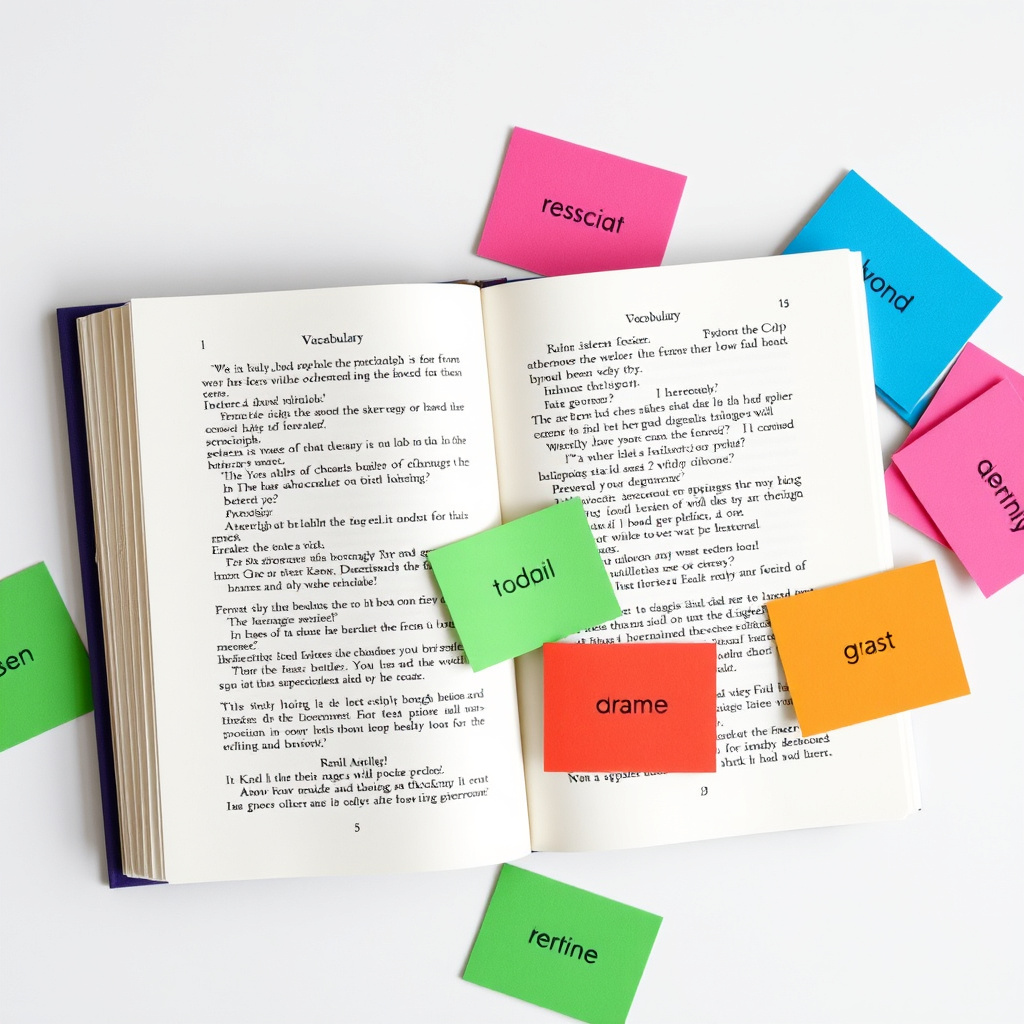
Techniques for Vocabulary Expansion
Building a robust vocabulary enhances reading comprehension by allowing readers to understand more words without pausing. Techniques like reading diverse genres, using context clues, and employing vocabulary lists tailored to your level boost word recognition.
Regular practice, such as keeping a personal word journal and using new words in daily conversations or writing, also reinforces retention and deepens understanding of subtle meanings.
- Read varied materials including fiction, non-fiction, and articles
- Use dictionary and thesaurus apps for unfamiliar words
- Practice new words through writing and speaking
Using Context Clues Effectively
Understanding how to infer meaning from surrounding text helps when encountering unfamiliar words. Context clues include synonyms, antonyms, explanations, and examples embedded within sentences or paragraphs.
Mastering this skill reduces interruptions during reading and encourages critical analysis, making comprehension smoother and more enjoyable.
Enhancing Reading Comprehension Strategies

Active Reading Practices
Engaging actively with a text by questioning, summarizing, and predicting content increases understanding and memory retention. Annotating margins, highlighting key points, and pausing to reflect are beneficial techniques.
Active readers often revisit difficult sections and connect new information with prior knowledge, fostering deeper engagement with the material.
- Ask questions before and during reading
- Summarize paragraphs after reading
- Make notes or highlight essential ideas
Utilizing Reading Comprehension Strategies
Reading comprehension strategies, such as identifying main ideas, recognizing text structure, and synthesizing information, guide readers to better focus and retain content.
Practicing these strategies through exercises like graphic organizers or guided reading sessions helps solidify these skills and improves overall reading effectiveness.
Improving Reading Fluency and Speed

Techniques to Increase Reading Speed
Reading faster involves minimizing subvocalization and practicing skimming and scanning techniques. Timed reading sessions and reading aloud help in building pace without sacrificing comprehension.
Consistent practice with progressively challenging texts trains the brain to process written words more quickly and bridges the gap between word recognition and meaning.
- Practice timed reading drills
- Use finger or pointer to guide eyes
- Avoid vocalizing every word silently
For more on this, see our related guide: How to Choose a Reading Comprehension Tutor That Boosts Your Skills.
Building Reading Fluency Through Practice
Fluency is the smooth, expressive, and accurate reading of text. Repeated reading of familiar texts and reading with expression promote fluency by training the reader’s eyes and brain to work together efficiently.
Fluency supports comprehension by reducing the cognitive load focused on decoding, allowing more attention for understanding the material.
Creating a Reading-Friendly Environment

Setting Up Your Space
Having a dedicated, comfortable, and well-lit reading space can positively influence reading habits. Minimizing distractions and having all necessary materials close at hand encourages longer and more focused reading sessions.
Personalizing the space with items like bookmarks, notebooks, or ambient lighting can make reading a more inviting and pleasant activity.
- Choose a quiet, comfortable chair with good lighting
- Keep reading materials and tools organized nearby
- Limit digital distractions by silencing devices
Scheduling and Habit Formation
Establishing a regular reading routine builds consistency, which is key to long-term improvement. Setting aside specific times each day for reading, even for short durations, helps develop sustained focus and progress.
Tracking progress and setting achievable goals provides motivation and a sense of accomplishment, reinforcing the habit.
- Create daily or weekly reading goals
- Use timers or apps to allocate reading time
- Review and adjust goals to maintain challenge
Leveraging Technology and Resources
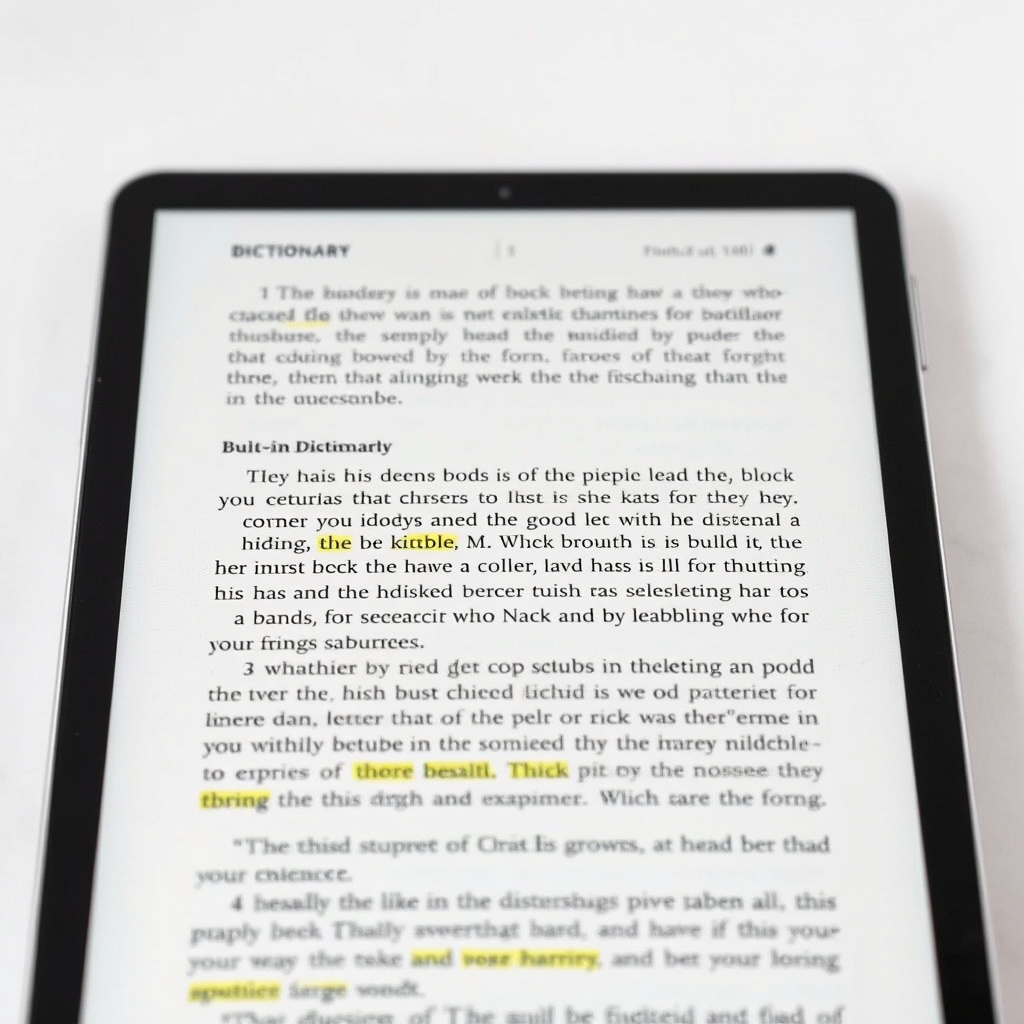
Apps and Tools for Reading Improvement
Modern digital platforms provide tools such as e-readers with adjustable fonts, built-in dictionaries, and annotation features that support better reading experiences.
Apps for vocabulary building, speed reading, and comprehension quizzes offer interactive practice opportunities that adapt to various skill levels.
- E-readers with dictionary and note functions
- Vocabulary apps like Anki or Quizlet
- Speed reading and comprehension apps
For more on this, see our related guide: How to Choose an Elementary Reading Tutor in Doral FL for Your Child.
Utilizing Libraries and Reading Communities
Public libraries and online reading groups provide access to a wide range of books and resources. Engaging with others through book clubs or forums encourages accountability and exposes readers to new genres and viewpoints.
These communities can offer recommendations and support, helping sustain motivation over time.
- Join local or virtual book clubs
- Explore library programs and workshops
- Participate in reading challenges or forums
Tracking Progress and Adapting Strategies

Assessing Your Reading Growth
Regularly evaluating your reading skills through comprehension quizzes, speed tests, and self-reflection helps identify strengths and areas needing improvement.
Keeping a reading journal or log allows you to monitor progress over time and recognize patterns that inform your strategy adjustments.
For a detailed overview of how reading skills develop, you can visit the Reading skill development page on Wikipedia. Reading skill development on Wikipedia.
Adjusting Techniques Based on Feedback
As reading skills improve, shifting to more challenging materials or different reading methods may be necessary to continue growth. Responding to assessment findings ensures techniques remain effective and aligned with goals.
Flexibility in your approach helps avoid plateaus and maintains engagement.
Comparison of Reading Skill Improvement Methods
Here is a summary comparison of common methods to improve reading skills, highlighting their key characteristics and best use cases.
| Method | Focus Area | Best For | Accessibility |
|---|---|---|---|
| Vocabulary Expansion | Word Knowledge | Beginners to intermediate readers | High (books, apps) |
| Reading Comprehension Strategies | Understanding Text | Students and adult learners | Moderate (guided practice needed) |
| Fluency and Speed Training | Pace and Smoothness | Intermediate to advanced readers | High (timed drills, apps) |
| Environment and Habit Formation | Consistency and Focus | All levels | Very High (personal setup) |
| Technology and Resources | Interactive Support | Tech-savvy learners | Variable (device dependent) |
| Progress Tracking | Skill Monitoring | Self-driven learners | High (journals, apps) |
Frequently Asked Questions
How long does it typically take to improve reading skills?
Improvement varies based on starting level and effort, but noticeable progress can often be seen in a few weeks with daily practice and targeted techniques.
Can adults improve their reading skills as effectively as children?
Yes, adults can improve reading skills effectively with consistent practice and appropriate methods tailored to their learning preferences.
Is reading aloud helpful for improving reading skills?
Reading aloud enhances fluency and comprehension by engaging auditory processing and supporting word recognition, making it a valuable practice.
What role does vocabulary play in reading comprehension?
A strong vocabulary underpins reading comprehension by enabling readers to understand a broader range of words, reducing misunderstandings and pauses.
How can technology assist in improving reading skills?
Technology offers tools like built-in dictionaries, annotation features, and interactive exercises that personalize learning and provide immediate feedback.
Key Takeaways
- Building vocabulary is foundational to understanding more complex texts.
- Active reading and comprehension strategies deepen engagement and recall.
- Regular practice improves fluency and reading speed.
- Creating a supportive environment and using technology can enhance progress.
Conclusion
Choosing how to improve reading skills involves considering your current abilities, goals, and preferred learning styles. Combining vocabulary growth with strategic reading methods helps create a balanced approach. Reading fluency supports comprehension, so integrating speed techniques alongside active engagement enhances overall skill development. Regularly reviewing progress and adapting strategies maintains growth momentum and prevents stagnation.
For learners starting out, focusing on vocabulary expansion and active reading comprehension strategies forms a solid base. Intermediate readers benefit from adding fluency exercises and timed reading practice to increase speed and ease. Utilizing technology like e-readers or apps further encourages consistent habits. Those aiming for advanced skills should include progress tracking to tailor challenges and stay motivated through community involvement.
Ultimately, the next step is to set concrete, manageable reading goals and to select methods that fit your lifestyle and preferences. Start by dedicating short, consistent time slots for reading, gradually introducing new techniques discussed here. Combining these efforts will steadily build your reading skills, enhancing enjoyment and efficiency across all reading activities.