How to Get Better at Math: Practical Strategies for Improved Skills
Getting better at math involves consistent practice with clear strategies tailored to your current skill level. By breaking down complex concepts into manageable parts and regularly solving problems, you can enhance your understanding and improve accuracy over time. Structured practice and focused review are key to mastering mathematical topics.
Math skills matter in academics, professional fields, and practical daily tasks like budgeting or problem-solving. Strengthening your math abilities can open doors to more advanced studies and increase confidence when facing challenges involving numbers.
This article explores proven approaches to improve your math skills, including identifying weaknesses, implementing effective study habits, choosing appropriate resources, and practicing efficiently. You'll also find comparisons of various learning tools and tips to maintain motivation throughout your learning journey.
Understanding Your Math Strengths and Weaknesses

Identifying Specific Problem Areas
Assessing which math topics cause consistent challenges is the first step in targeted improvement. Focused attention on these areas helps prevent frustration and directs your efforts more efficiently. Class tests, practice quizzes, or self-assessments can reveal patterns in mistakes or gaps.
Once you identify specific weak spots, such as geometry or algebra, dedicate practice sessions to them rather than overwhelming yourself with broad reviews. This approach builds confidence as you gradually overcome difficult concepts.
- Use diagnostic tests to highlight weaknesses
- Keep a journal of recurring mistakes
- Seek feedback from teachers or tutors
Leveraging Strengths to Build Confidence
Recognizing your math strengths can motivate continued learning and allow you to apply familiar patterns when tackling tougher problems. Use your stronger skills as stepping stones to approach unfamiliar topics by relating concepts where possible.
For instance, if arithmetic fluency is a strength, use it to simplify algebraic expressions or check calculations in more complex problems. This balance maintains enthusiasm and offset frustration during targeted practice.
- Practice problems that integrate your strengths
- Use mental math to speed up calculations
- Teach simpler concepts to peers to reinforce skills
Effective Study Routines to Get Better at Math
Creating a Consistent Practice Schedule
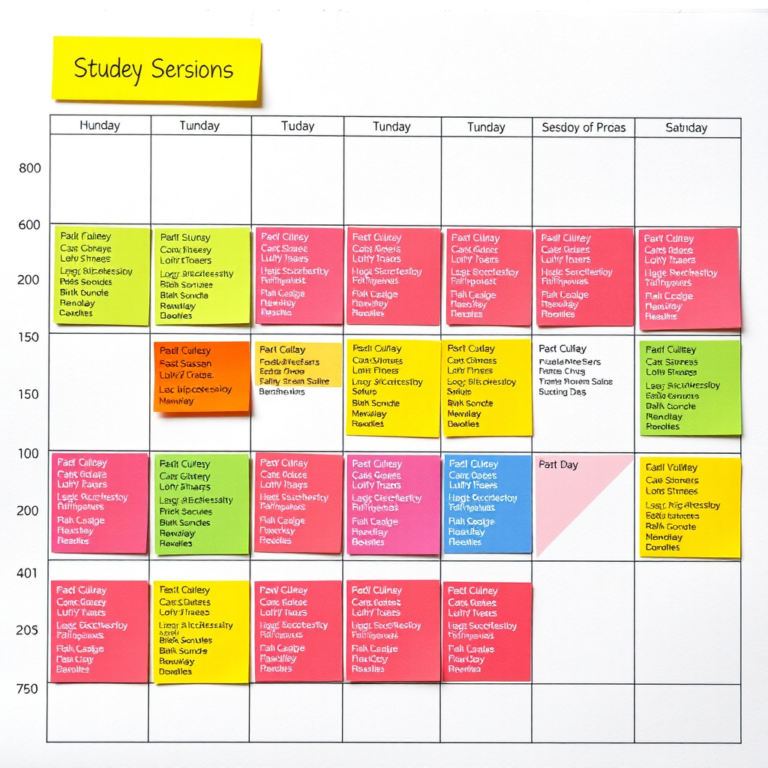
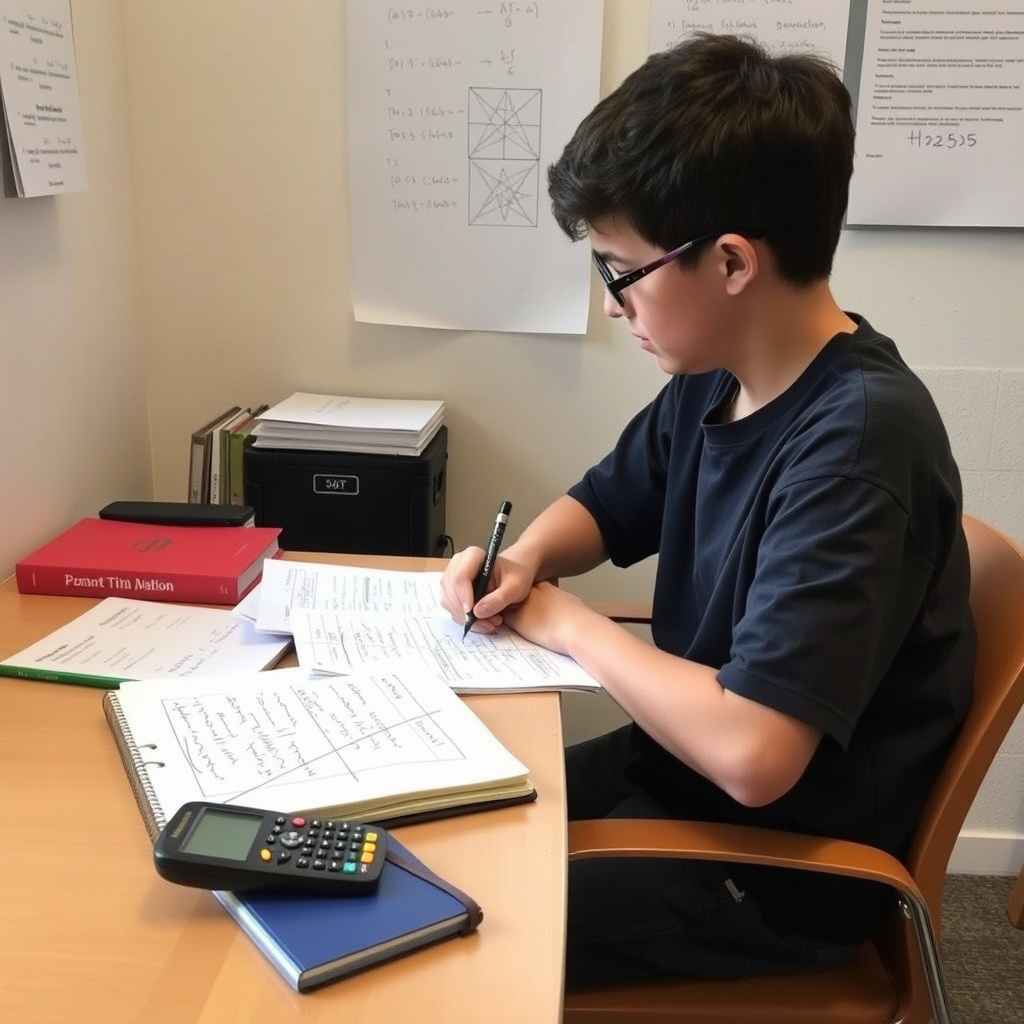
Regular, focused practice sessions are essential for improvement. Instead of sporadic long sessions, consistent shorter periods daily or several times a week encourage retention and reduce burnout.
Setting clear goals for each session, like mastering a specific formula or solving a set number of problems, provides direction and measurable progress markers. Break study time into warm-ups, skill drills, and review.
- Schedule 30-60 minute math sessions several times weekly
- Alternate topics to maintain interest
- Use timers to focus without distractions
Adopting Active Learning Techniques
Passive reading of examples alone rarely leads to improvement. Instead, solve problems actively by writing out each step and explaining reasoning aloud or in writing. This clarifies thought processes and identifies misunderstandings.
Try to predict problem outcomes before solving and self-test regularly. Applying math concepts to real scenarios or teaching concepts to others reinforces comprehension effectively.
- Work through problems without looking at solutions first
- Create your own example problems
- Discuss problems with study partners to deepen understanding
Using the Right Resources for Math Improvement

Choosing Quality Textbooks and Workbooks
Finding textbooks and workbooks that explain concepts clearly and provide a variety of practice problems is crucial. Look for materials aligned with your curriculum or specific math topics you want to strengthen.
Textbooks with step-by-step solutions and explanations help you learn problem-solving strategies rather than just answers. Workbooks focused on drills enhance speed and precision.
- Select books like 'Basic Mathematics' by Serge Lang for comprehensive coverage
- Use workbooks with graded difficulty levels
- Refer to solution manuals for guided help
For more on this, see our related guide: How to Get Effective Math Homework Help Fast and Easily.
Leveraging Online Platforms and Math Practice Techniques
Online resources offer interactive exercises and instant feedback, which are beneficial for adapting your practice. Platforms like Khan Academy, Coursera, or math-specific apps provide structured paths and visual explanations.
Incorporating math practice techniques such as spaced repetition and varied problem types on these platforms keeps engagement high and reinforces learning over time.
- Use websites offering adaptive problem sets
- Practice with apps that gamify math learning
- Join online forums for peer support and discussions
Building Problem-Solving Skills Through Practice

Practicing Different Problem Types
Exposure to a variety of problem formats within each topic enhances flexibility and deeper understanding. This prevents surprise during exams and helps apply math knowledge in multiple contexts.
Include word problems, equation solving, proof writing, and application-based questions in your practice routine for comprehensive skill development.
- Work on previously tested exam questions
- Try puzzles and challenges involving math concepts
- Mix numeric, graphical, and theoretical problems
Reviewing Mistakes to Improve Accuracy
Analyzing errors after each practice session reveals gaps and misconceptions. Instead of skipping wrong problems, work through them slowly and understand the underlying mistake.
Create a dedicated error log, noting problem types and errors. Returning to this log regularly helps track progress and prevents repeating the same mistakes.
- Identify calculation vs. conceptual errors
- Reattempt incorrect problems after revision
- Seek explanations for persistent difficulties
Maintaining Motivation and Tracking Progress

Setting Realistic Short- and Long-Term Goals
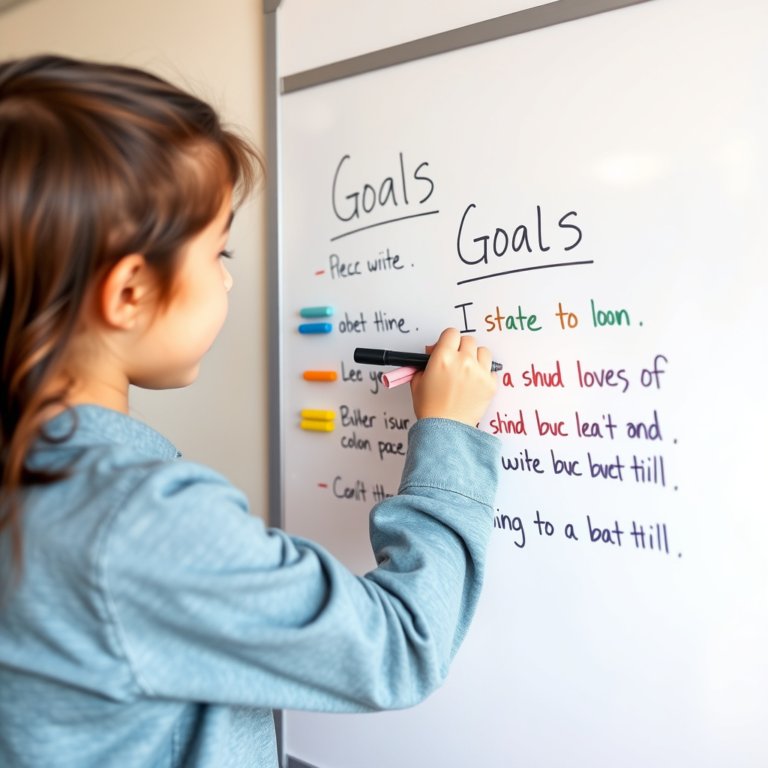
Defining achievable goals gives direction and helps maintain motivation during challenging periods. Short-term goals, like completing a chapter or mastering a formula, provide quick wins.
Long-term goals, such as passing an exam or improving a grade, keep efforts aligned and give purpose. Regular review and adjustment of goals ensure they stay relevant.
- Break large objectives into smaller tasks
- Celebrate milestones to reinforce motivation
- Use a journal or app to record goals and achievements
For more on this, see our related guide: How to Choose an Elementary Math Tutor in Doral FL for Your Child’s Success.
Monitoring Improvement with Regular Assessments
Periodic self-testing or formal quizzes allow you to measure knowledge gains and adjust study plans accordingly. Objective feedback prevents frustration from stagnation and highlights growth areas.
Comparing scores and problem-solving speed over time reflects progress clearly and boosts confidence.
- Schedule monthly practice tests
- Use timed quizzes to track efficiency
- Seek external feedback from teachers or tutors
Incorporating Math into Daily Life

Applying Math to Everyday Situations
Using math for budgeting, cooking measurements, or travel planning makes concepts practical and memorable. This contextual learning reinforces skills by connecting abstract ideas with real-world uses.
Try calculating discounts while shopping or estimating time and distance on trips to enhance mental calculation abilities.
- Calculate grocery expenses and compare prices
- Convert units during cooking or projects
- Estimate time needed for activities
For a deep overview of math fundamentals and history, consider exploring mathematics on Wikipedia. mathematics on Wikipedia.
Engaging with Math-Related Games and Activities
Games that involve logic, numbers, and strategy sharpen mathematical thinking in a fun way. Puzzles, Sudoku, and card games develop concentration and pattern recognition, all useful for math success.
Engaging socially through math clubs or competitions can further boost enthusiasm and provide new perspectives.
- Play number puzzle games regularly
- Participate in math challenges or contests
- Join community or school math groups
Comparison of Popular Math Learning Methods
This table compares several common math learning methods based on customization, engagement, cost, and ideal users to help you choose the right approach.
| Method | Customization Level | Engagement | Cost | Best For |
|---|---|---|---|---|
| Textbooks and Workbooks | Medium | Low | Low to Moderate | Self-motivated learners |
| Online Platforms and Apps | High | High | Free to Moderate | Visual and interactive learners |
| Private Tutoring | High | Moderate | High | Personalized instruction seekers |
| Group Classes or Workshops | Medium | Moderate | Moderate | Social learners |
| Math Games and Puzzles | Low | High | Low | Casual practice and motivation |
| Study Groups with Peers | Variable | High | Free | Collaborative learners |
Frequently Asked Questions
How often should I practice math to see improvement?
Practicing math at least three to five times a week in focused sessions of 30-60 minutes ensures steady progress and helps retain concepts effectively.
Can using calculators affect my ability to learn math?
Calculators can be helpful for complex computations but relying on them too early may hinder your development of fundamental skills like mental arithmetic and estimation.
What if I struggle to understand a math concept even after studying it?
Try breaking the concept into smaller parts, seek alternative explanations from videos or tutors, and apply active problem-solving to reinforce understanding.
How can I avoid getting frustrated with difficult math topics?
Set small achievable goals, take breaks when needed, and remind yourself of progress made. Practice patience and seek support from teachers or peers.
Are math apps effective tools for improving skills?
Yes, math apps provide interactive exercises and instant feedback, making practice engaging and adaptable to your learning pace.
Key Takeaways
- Target your weak areas by analyzing mistakes and focusing practice accordingly.
- Establish a consistent study schedule using active learning techniques.
- Select resources like textbooks and online platforms that match your needs and learning style.
- Maintain motivation by setting achievable goals and monitoring your progress.
Conclusion
Improving at math hinges on understanding your current abilities and systematically working to fill gaps. Combining targeted practice with self-assessment allows you to direct your efforts efficiently and build a solid foundation. Avoid overwhelming yourself by focusing on manageable chunks and aligning your practice methods with your preferred learning style to maintain engagement. Active problem-solving and error review ensure that you deepen your comprehension rather than memorizing procedures superficially.
Depending on your situation, different strategies might be more effective. For independent learners, integrating textbooks with math practice techniques on adaptive online platforms can provide flexibility and tailored challenges. Those seeking personalized guidance benefit from private tutoring or group classes to clarify difficulties quickly. Meanwhile, incorporating math into daily scenarios and using games fosters practical understanding and motivation. Periodically reassessing your progress ensures you stay on course and adjust plans if needed.
The first step toward getting better at math is committing to consistent, thoughtful practice aligned with a clear plan. Begin with a self-analysis of strengths and challenges, then choose appropriate resources and schedule regular sessions. Balance problem-solving practice with conceptual review and situational application. Over time, your math skills will grow stronger and more confident, opening opportunities both academically and in everyday problem-solving.