How to Improve Math Skills Effectively: Proven Strategies for All Levels
Improving math skills starts with consistent practice and understanding core concepts deeply. Focusing on problem-solving techniques and learning to think logically about math problems can lead to noticeable progress. Using a blend of mental math, written exercises, and real-world applications sharpens skills efficiently.
Many struggle with math due to gaps in foundational knowledge or anxiety around the subject. Enhancing math skills matters because it builds analytical thinking and can open doors in education and careers. Reinforcing concepts step-by-step rather than rushing through difficult topics creates a more solid math proficiency.
This article explores practical methods to improve math skills, including study habits, resource recommendations, mindset tips, and how to track your progress. By applying these strategies, learners from beginners to advanced students can improve their math abilities systematically and with greater confidence.
Foundations for How to Improve Math Skills

Master Basic Arithmetic
Strong math skills rely on a solid grasp of basic arithmetic operations such as addition, subtraction, multiplication, and division. These are the building blocks for more advanced topics like algebra and calculus. Without fluency in basics, solving complex problems becomes unnecessarily difficult.
Regular practice using flashcards, timed drills, or math apps focused on arithmetic helps reinforce these skills and increase speed and accuracy. Gaining confidence here lays a strong foundation for continued math success.
- Practice mental math frequently
- Use visual aids for understanding
- Try daily drills with increasing difficulty
Understand Mathematical Concepts
Improving math skills isn’t just about memorizing formulas but deeply understanding why processes work. Conceptual comprehension helps when tackling unfamiliar problems or adapting to new math areas.
Breaking down problems into smaller steps and asking 'why' each step is necessary develops this understanding. Engage with interactive tools or tutoring if concepts remain unclear to build confidence.
Study Techniques to Boost Your Math Skills
Use Active Learning Methods
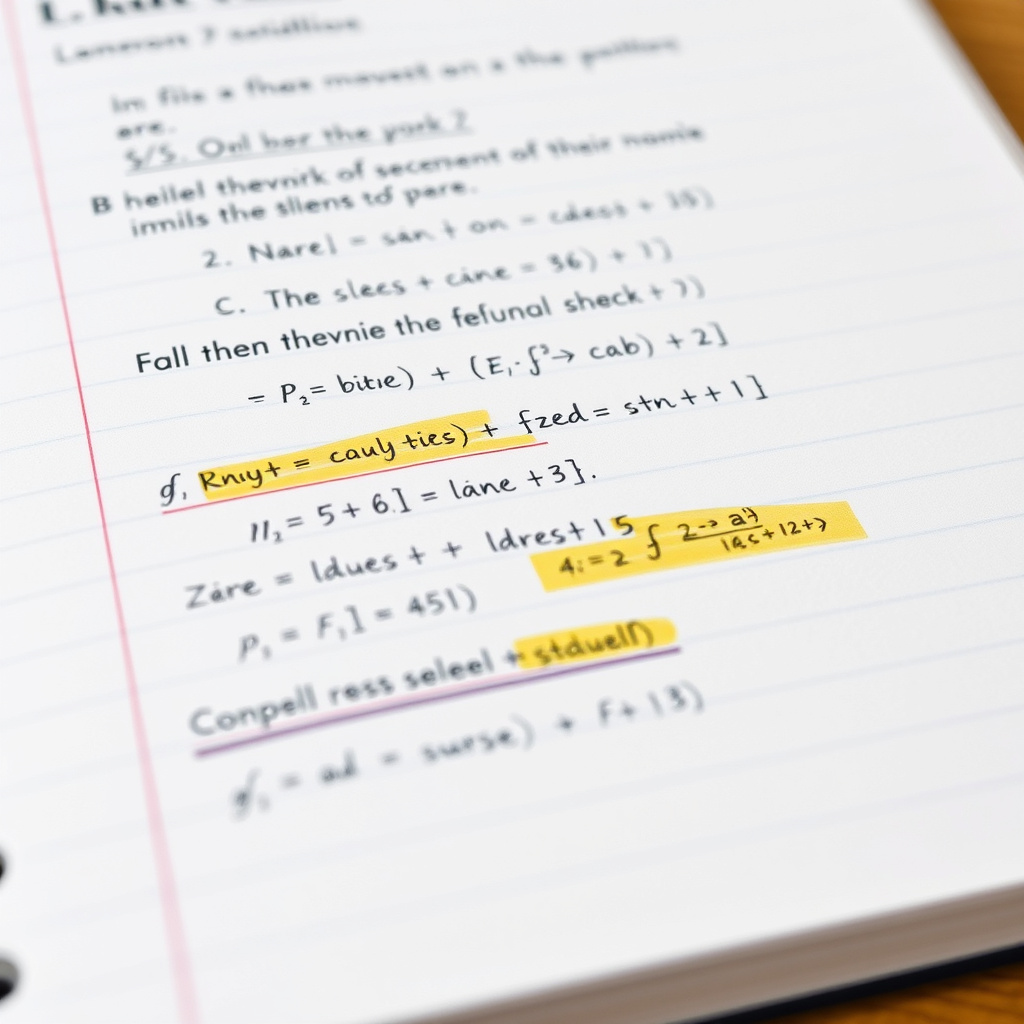
Active learning means engaging directly with the material rather than passively reading. Solving problems, explaining reasoning aloud, or teaching a concept to another learner enhances retention and understanding.
Techniques such as spaced repetition and self-testing force recall and expose gaps in knowledge. These methods support long-term improvement rather than short-term cramming.
- Work on varied problem sets regularly
- Study in short, focused sessions
- Teach math concepts to friends or family
Create a Dedicated Study Routine
Consistency beats intensity for math skill improvement. Setting aside specific time blocks daily or weekly to practice ensures steady progress without burnout.
A routine that balances homework, review, and new challenges builds confidence progressively. Tracking your progress also motivates sticking with your plan over weeks or months.
Leveraging Tools and Resources for Math Practice
Use Online Mathematics Platforms
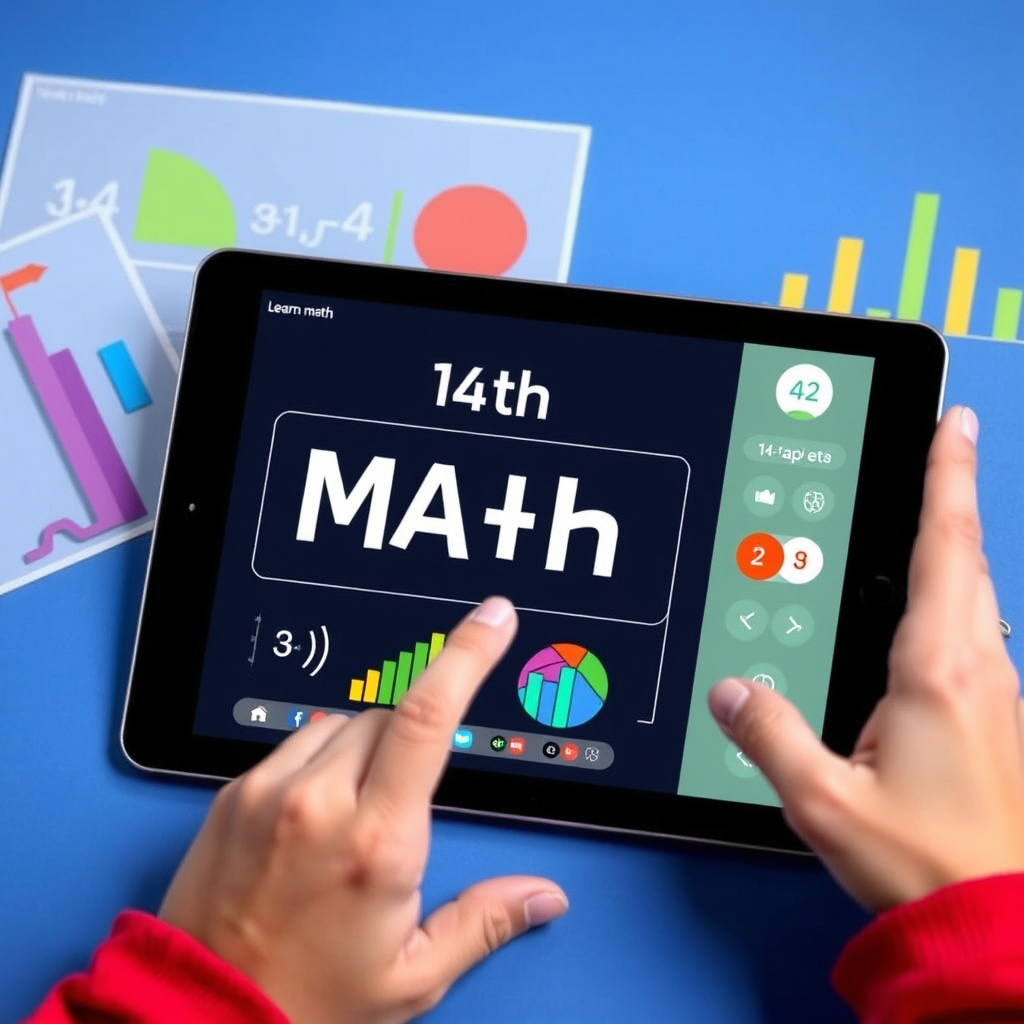
Many websites and apps offer interactive problems and tutorials tailored to various levels. These platforms allow instant feedback and adapt to your skill progression, which helps reinforce learning efficiently.
Examples include Khan Academy, IXL, and Mathway. These tools can supplement traditional learning and provide extra practice targeting your weaknesses.
- Find platforms that match your skill level
- Use progress tracking features
- Mix guided lessons with free problem-solving
For more on this, see our related guide: How to Get Effective Math Homework Help Fast and Easily.
Incorporate Physical and Visual Aids
Some learners benefit from using manipulatives like counting blocks or visual tools such as graphs and charts. These aids make abstract concepts tangible, especially in geometry and fractions.
Creating your own visual summaries or concept maps also helps internalize math topics and see connections more clearly.
Mindset and Psychological Approaches to Improve Math Skills

Cultivate a Growth Mindset
Believing your math ability can improve with effort fosters persistence and reduces fear of failure. This mindset encourages embracing challenges as opportunities to learn rather than obstacles.
Replacing negative self-talk with positive affirmations and celebrating small improvements boosts motivation and long-term commitment.
- View mistakes as valuable feedback
- Set realistic goals and reward progress
- Focus on effort, not just results
Manage Math Anxiety
Math anxiety can block concentration and reduce working memory, impacting performance drastically. Techniques such as mindful breathing, visualization, and taking timed breaks help reduce stress during practice or tests.
Addressing anxiety openly with teachers or counselors can also provide additional coping strategies tailored to individual needs.
Applying Math Skills in Real-Life Contexts

Use Everyday Situations to Practice
Improving math skills is easier when you apply them in real life such as budgeting, cooking measurements, or sports statistics analysis. This contextual practice deepens understanding and relevance.
Try converting units, estimating totals while shopping, or analyzing data from news reports to build a habit of thinking mathematically in daily life.
- Calculate discounts and tax mentally
- Measure ingredients with precision
- Track sports scores and averages
For more on this, see our related guide: How to Choose an Elementary Math Tutor in Doral FL for Your Child’s Success.
Engage with Math Challenges and Games
Games like Sudoku, logic puzzles, and math competitions encourage creative problem solving. These fun activities improve critical thinking and maintain interest in practicing.
Participating in math clubs or online contests also introduces you to diverse problem types not found in textbooks, broadening your skills.
Tracking Progress and Adjusting Strategies

Set Measurable Goals and Review Regularly
Goal setting like mastering a math topic or achieving a certain test score directs your efforts efficiently. Reviewing achievements weekly helps identify what works and what needs change.
Use journals, apps, or spreadsheets to log completed exercises and monitor speed and accuracy improvements over time.
- Break large goals into smaller milestones
- Celebrate when milestones are reached
- Adjust study methods based on results
For more detailed information on approaches and history of learning mathematics, you can visit mathematics education on Wikipedia. mathematics education on Wikipedia.
Seek Feedback and Collaboration
Getting feedback from teachers, tutors, or peers provides new perspectives and clarifies misunderstandings. Group study sessions can expose you to different strategies and motivate persistence.
Collaboration builds communication skills with math language and encourages accountability to maintain consistent practice.
Comparison of Common Methods to Improve Math Skills
Here is a comparison of different approaches to improving math skills, highlighting their advantages and best use cases.
| Method | Best For | Pros | Cons |
|---|---|---|---|
| Online Learning Platforms | Self-paced learners | Interactive content, instant feedback, adaptable difficulty | Dependent on internet access, motivation required |
| Traditional Tutoring | Learners needing personalized guidance | Tailored explanations, immediate Q&A, structured | Typically costly, scheduling constraints |
| Math Games and Puzzles | Those wanting fun practice | Engaging, improves problem-solving, low pressure | Less comprehensive, may lack core concept drills |
| Self-Study with Textbooks | Independent learners with discipline | Thorough, includes exercises and theory | Can be dry, lacks immediate feedback |
| Group Study Sessions | Social learners | Collaborative, exposes to different methods | Group dynamics can distract, pace varies |
Frequently Asked Questions
How often should I practice math to improve?
Daily or near-daily practice sessions, even brief ones of 20-30 minutes, help maintain continuity and solidify math learning more than sporadic long sessions.
Can mental math exercises really improve my math skills?
Yes, mental math sharpens number sense and calculation speed, foundational for tackling more complex problems effectively.
What if I get stuck on a math problem for a long time?
Take a break to clear your mind, revisit foundational concepts involved, or seek help from a tutor or peer to gain new insights.
Are math apps better than traditional textbooks?
Math apps often provide interactive feedback and adaptive learning paths, making them excellent supplements, but textbooks offer depth and comprehensive theory.
How can I overcome math anxiety?
Techniques like slow, deep breathing, positive affirmations, and breaking problems into manageable parts help reduce anxiety during practice or tests.
Key Takeaways
- Consistent practice and mastering basics form the foundation of improved math skills.
- Active learning methods and dedicated routines enhance retention and understanding.
- Using a variety of resources keeps practice engaging and addresses different learning needs.
- Maintaining a positive mindset and managing anxiety are vital for steady progress.
Conclusion
Improving your math skills requires a blend of focused practice, conceptual understanding, and psychological resilience. Approaching math incrementally, reinforcing fundamental operations, and actively engaging with problems will build a robust foundation. Equally important is adopting a positive mindset that views challenges as chances to learn, which helps maintain motivation even when difficulties arise.
Depending on your current level and goals, combining resources like online platforms for self-paced exercises, traditional tutoring for focused instruction, and applying math in real-life contexts yields the best results. For beginners, concentrating on arithmetic fluency and foundational concepts is crucial, while advanced learners benefit from targeted problem sets and analytical puzzles. Incorporating games and group study can add variety and social engagement, aiding long-term consistency.
The next step is to design a study plan that fits your schedule and preferences, commit to manageable daily practice, and periodically assess your improvement. Utilize feedback mechanisms and don’t hesitate to seek support when needed. With steady effort and the right approach, your math skills will improve significantly, opening opportunities in academics and daily problem-solving.