How to Help Your Child Stay Organized: Practical Strategies for Every Parent
Helping your child stay organized begins with establishing simple, consistent routines that fit their age and personality. Providing clear tools like labeled bins or planners can make a big difference right away in managing daily activities and school responsibilities.
Organization skills deeply impact a child’s academic success and reduce everyday stress for both kids and parents. When children learn how to keep track of their belongings and plans, they gain independence and confidence, which benefits their overall growth and self-discipline.
This article covers practical strategies to teach organization, key tools to use at home and school, ways to maintain routines without frustration, and realistic approaches to support various age groups and personalities. By the end, you’ll have useful ideas to help your child develop habits that last.
Understanding the Importance of Organization for Children
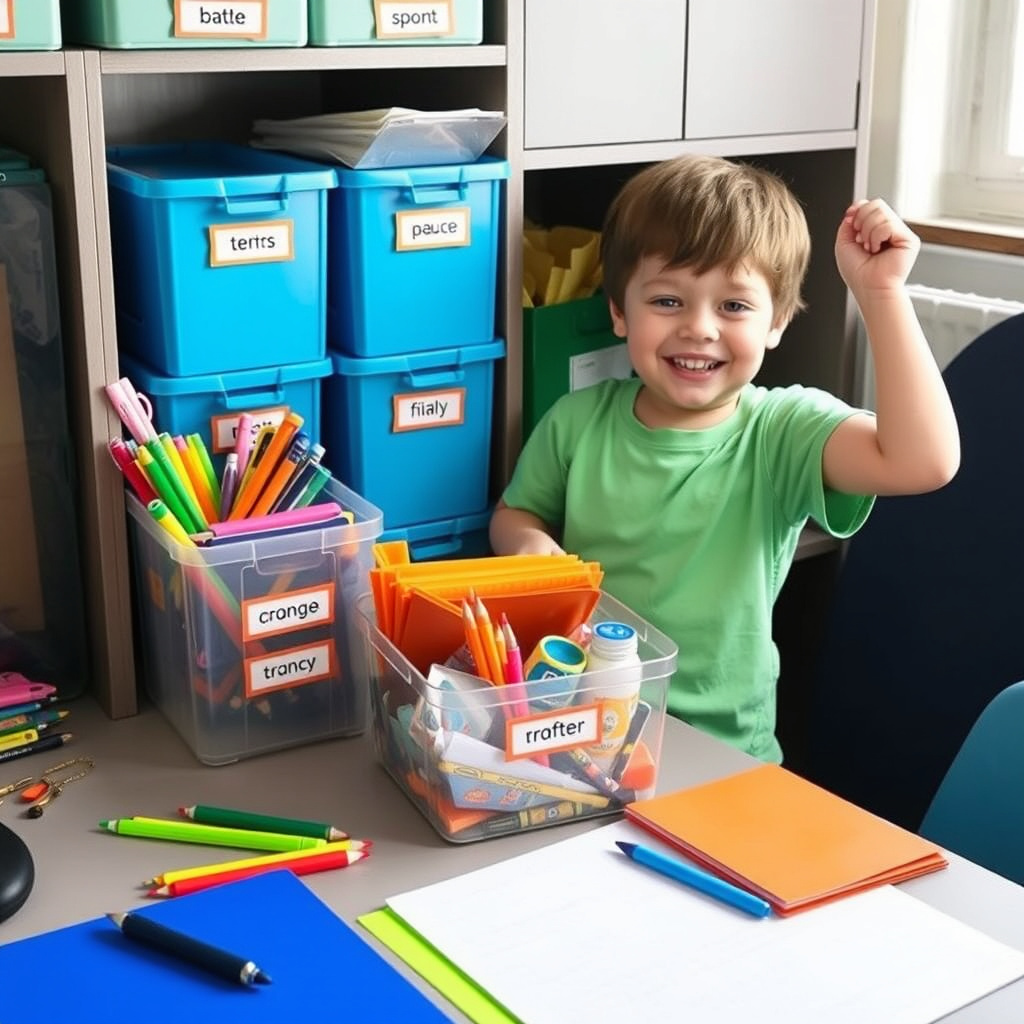
How Organization Impacts Learning and Focus
Organized children tend to be more focused because they spend less time searching for materials and more time on learning tasks. The process of organizing also develops executive functions, such as planning and prioritizing, which support their academic progress.
When a child’s space and schedule are well-managed, distractions decrease and motivation improves. This foundation helps build long-term habits needed for future educational challenges and everyday problem-solving.
Emotional Benefits of Staying Organized
Feeling in control of their belongings and tasks gives children a sense of security and reduces anxiety. Disorganization can cause frustration and overwhelm, leading to avoidance or negative attitudes toward schoolwork.
Regularly practicing organization fosters responsibility and pride, boosting self-esteem. It can transform chaotic environments into calm spaces where kids feel capable and ready to tackle challenges.
Practical Tools to Help Your Child Stay Organized
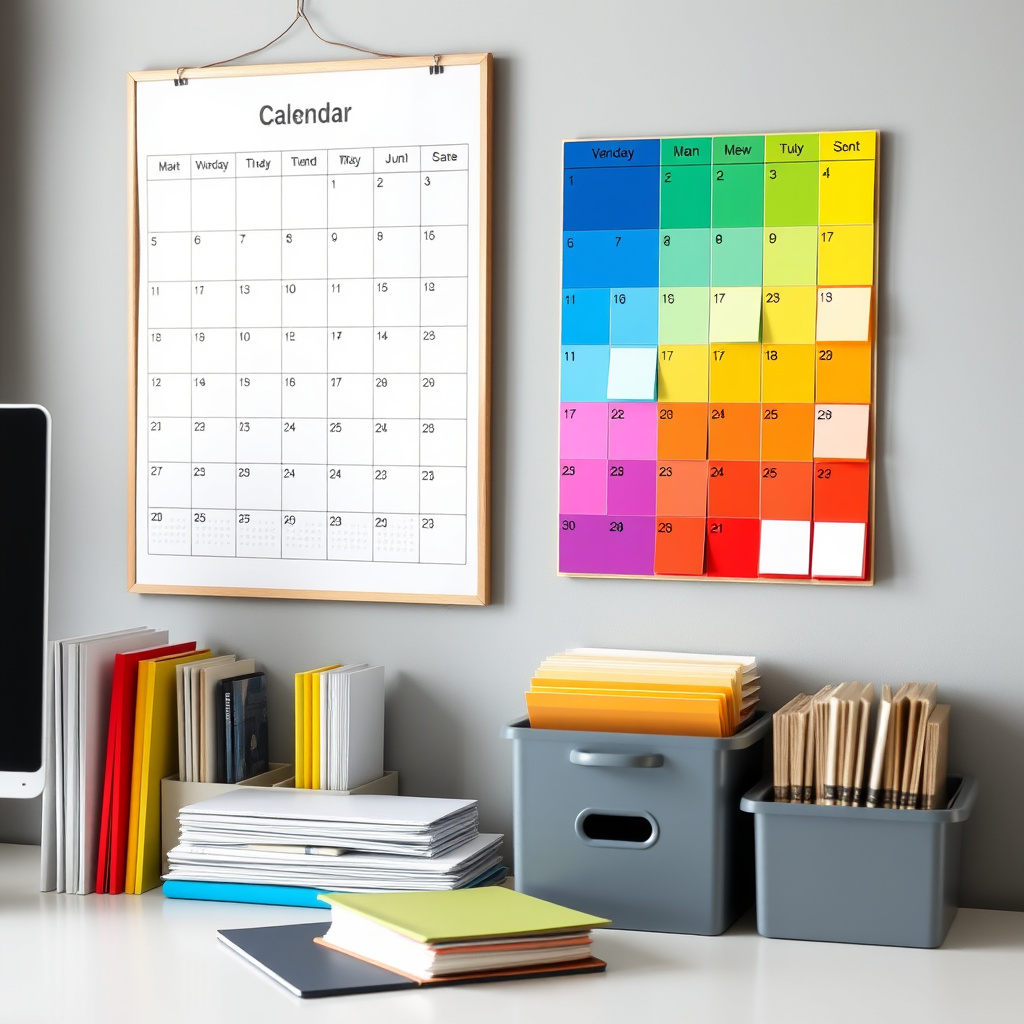
Using Planners and Visual Schedules
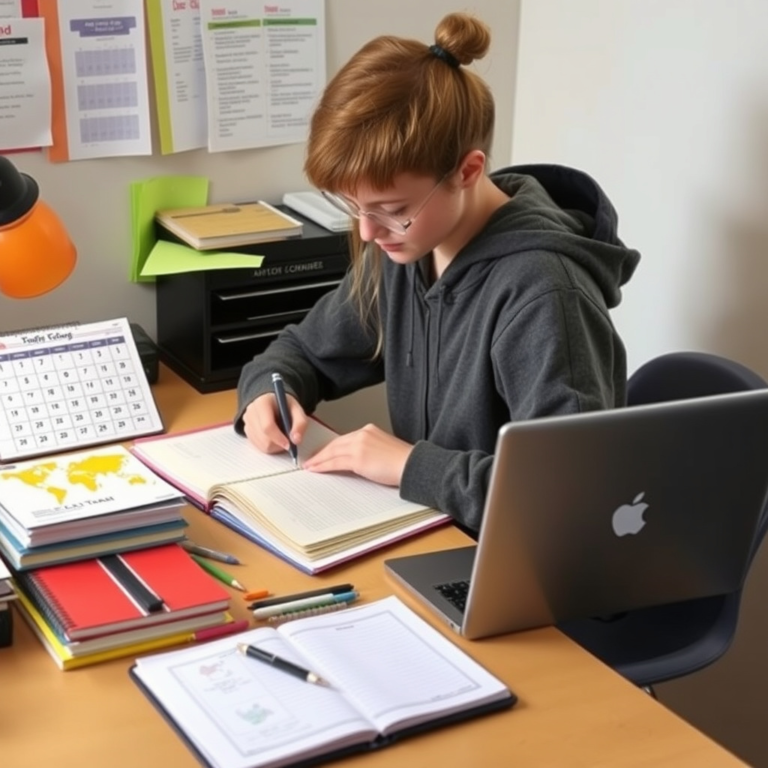
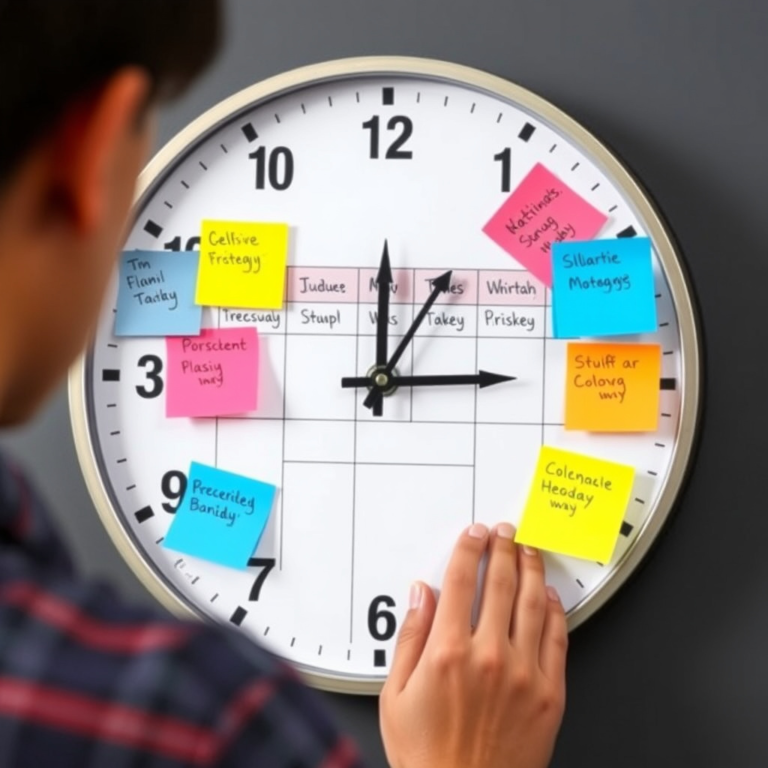
Planners or calendars help children keep track of assignments, tests, and activities. Visual schedules with pictures or color-coding support younger kids or those who struggle with reading, making routines clearer and easier to follow.
Help your child check off completed tasks to build a sense of accomplishment and to reduce last-minute rushing. Digital apps designed for kids can be a fun alternative for older children who prefer tech solutions.
- Choose age-appropriate planners
- Color-code subjects or activities
- Use stickers or symbols for motivation
Organizational Supplies and Storage Solutions
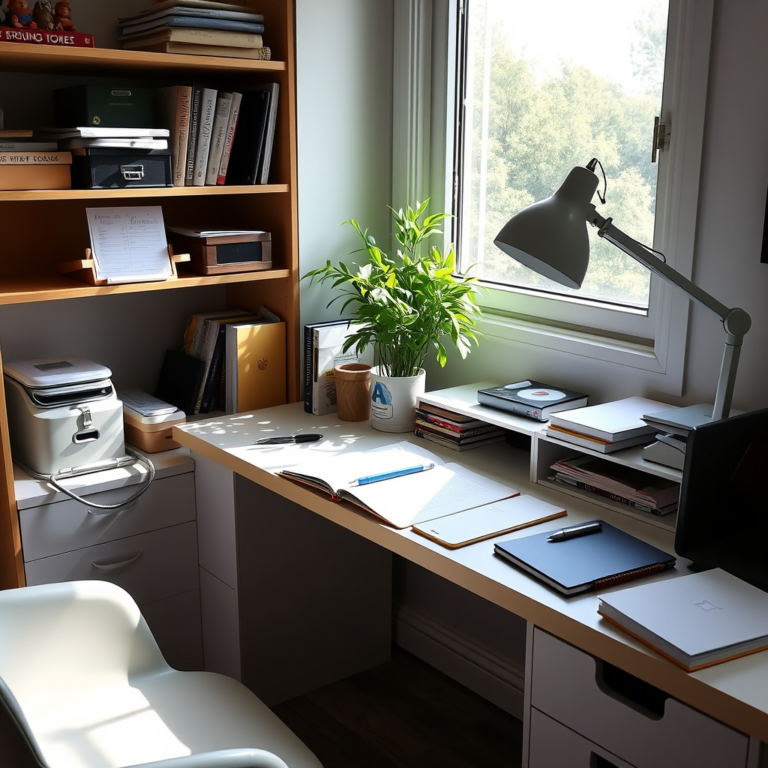
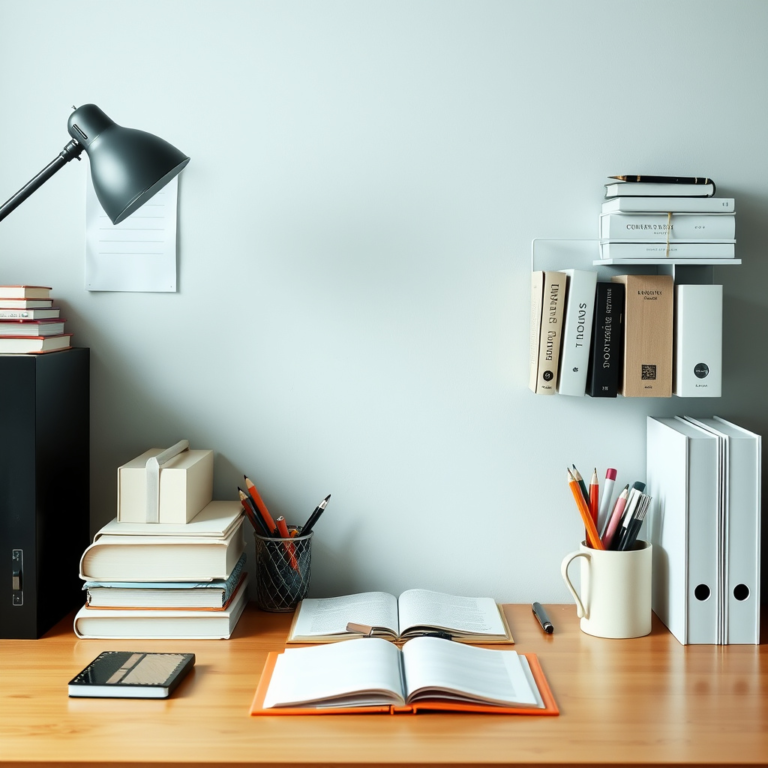
Designate specific spaces for school supplies, backpacks, and paperwork. Labeling bins, drawers, and folders helps prevent mix-ups and builds habits of returning items to their place after use.
Transparent containers allow kids to see contents easily, which minimizes the time spent looking for things. Rotating supplies seasonally or decluttering regularly keeps the system manageable.
- Labeled binders for each subject
- Desk organizers with compartments
- Use hooks or cubbies for bags and coats
Establishing Daily Routines That Support Organization
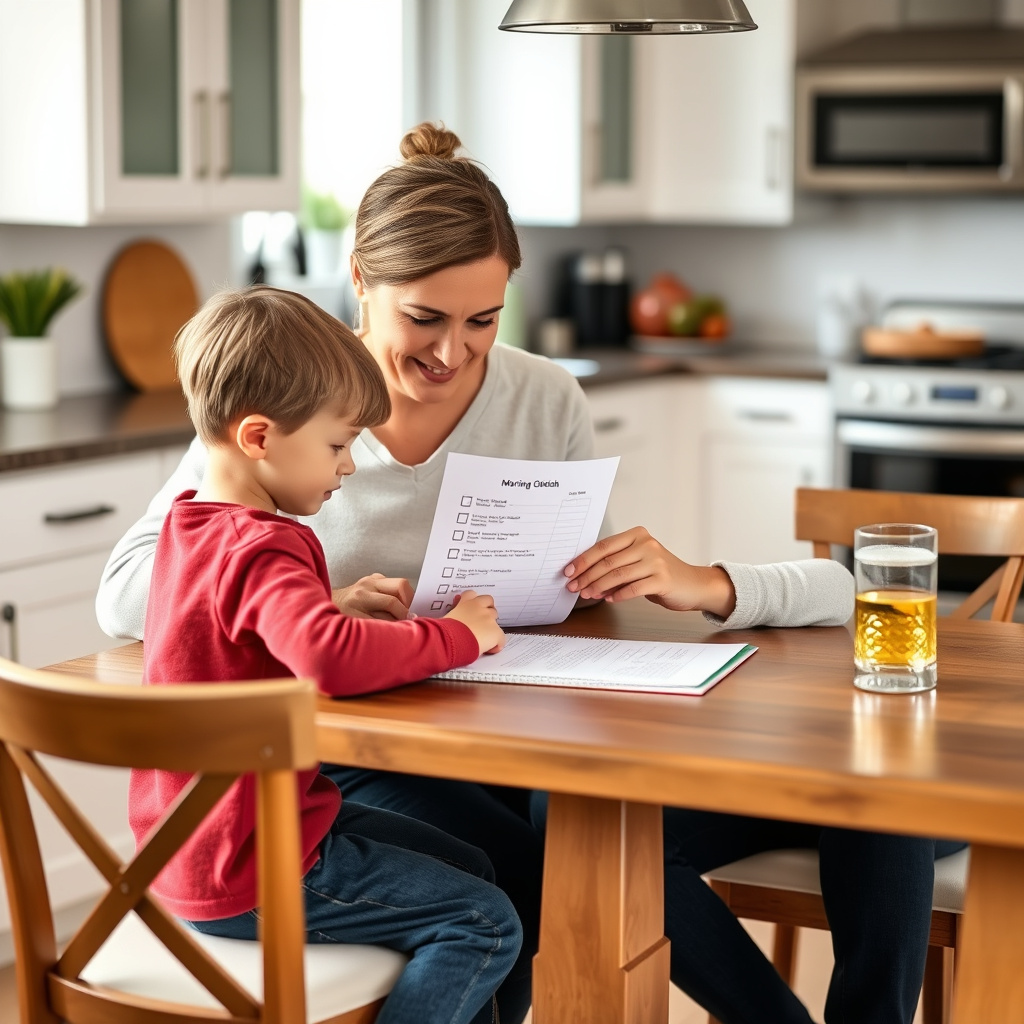
Morning and Evening Rituals
Consistent routines before and after school anchor your child’s organizational habits. Mornings focused on packing bags and checking schedules reduce forgotten items, while evening routines that include setting out clothes or organizing homework help prepare for the next day.
Keeping these rituals simple and predictable ensures they don’t feel like chores but rather natural steps everyone follows. Positive reinforcement encourages the child to maintain these behaviors independently.
- Create a checklist for packing backpacks
- Set specific times for homework and reading
- Review schedules together each night
Managing Distractions and Time
Helping children manage their time with short, focused work periods and breaks improves productivity. Limiting screen time during homework and organizing study zones free of distractions supports concentration.
Teach children to prioritize tasks by deadlines and complexity. Breaking bigger assignments into manageable steps discourages procrastination and improves workflow.
- Use timers for study sessions
- Create quiet, clutter-free workspaces
- Encourage task prioritization
Tailoring Organizational Strategies to Age and Personality
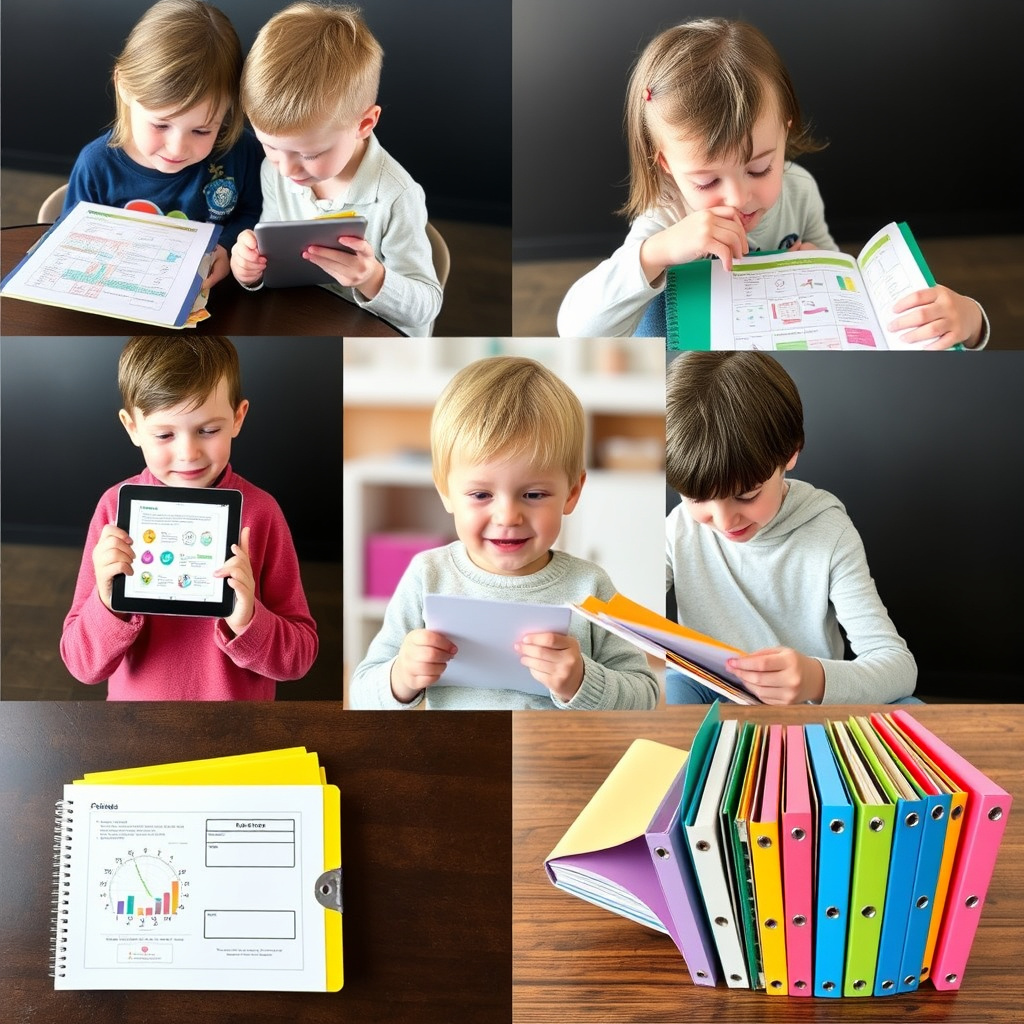
Approaches for Younger Children
Young kids benefit from visual cues such as picture charts, colorful labels, and simple sorting activities. Reward systems like sticker charts motivate participation while making organization feel fun.
Hands-on involvement in setting up their spaces empowers children to take ownership of their belongings early on, building foundational habits that grow with them.
- Use pictures on storage labels
- Incorporate games into tidying up
- Set short, achievable goals
Methods for Older Kids and Teens
Older children often prefer tools that respect their growing independence, such as digital planners, apps, or personalized organization systems. Encourage decision-making about what tools work best for them.
Discuss time management openly and offer strategies tailored to their personality, whether they need reminders, structured deadlines, or flexibility amid busy schedules.
- Introduce calendar apps and reminders
- Help set realistic goals and deadlines
- Promote self-reflection on organization habits
Maintaining Organization with Positive Reinforcement and Flexibility
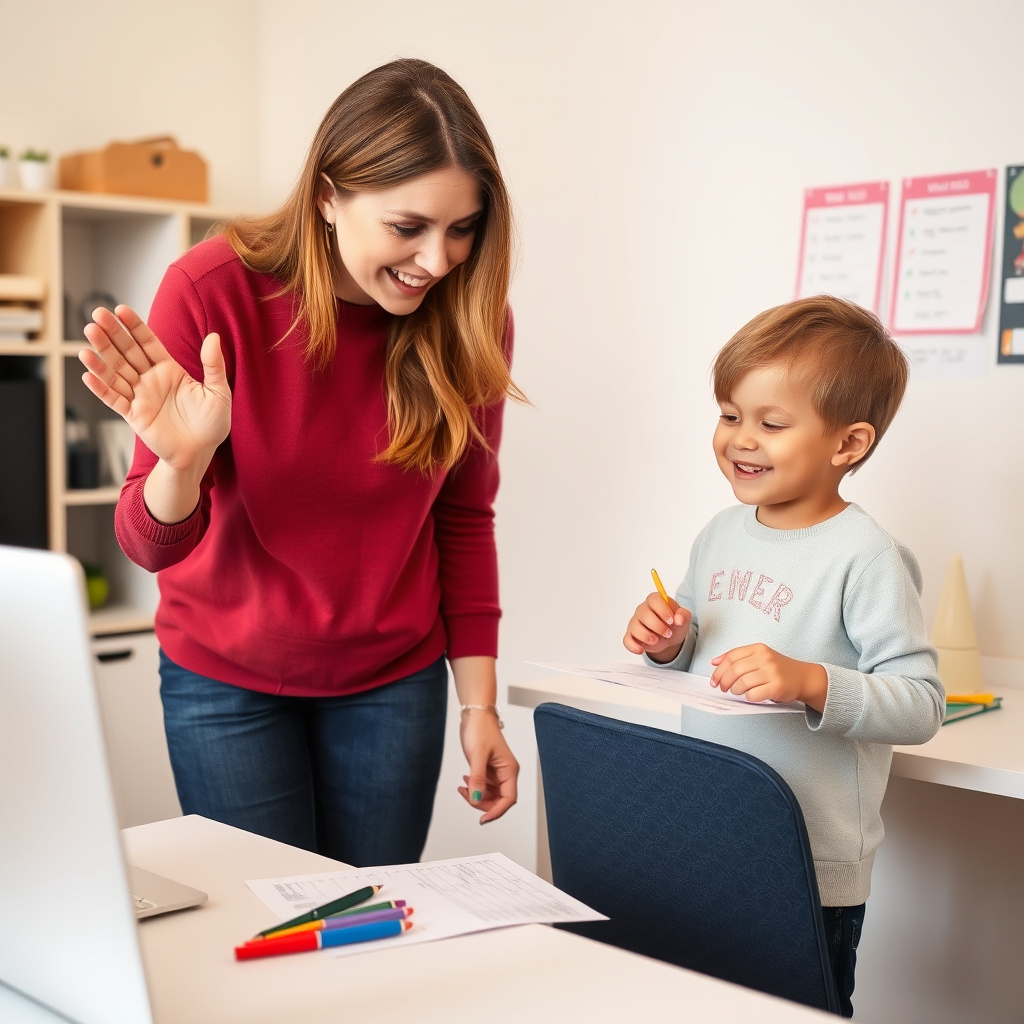
Encouraging Consistency Through Praise
Recognizing efforts, no matter how small, motivates children to keep practicing organization. Verbal praise, reward tokens, or family acknowledgment turn habits into positive experiences rather than chores.
Help children see how organization benefits them directly, like more free time or less stress, to increase their intrinsic motivation to stay organized.
Allowing Room for Flexibility and Growth
Organization skills develop over time and sometimes require adjustments. Be patient and willing to modify systems if certain methods aren’t working or as your child’s needs change.
Encourage a growth mindset where mistakes or disorganization are opportunities to improve rather than reasons for frustration or punishment.
How to Help Your Child Stay Organized at School
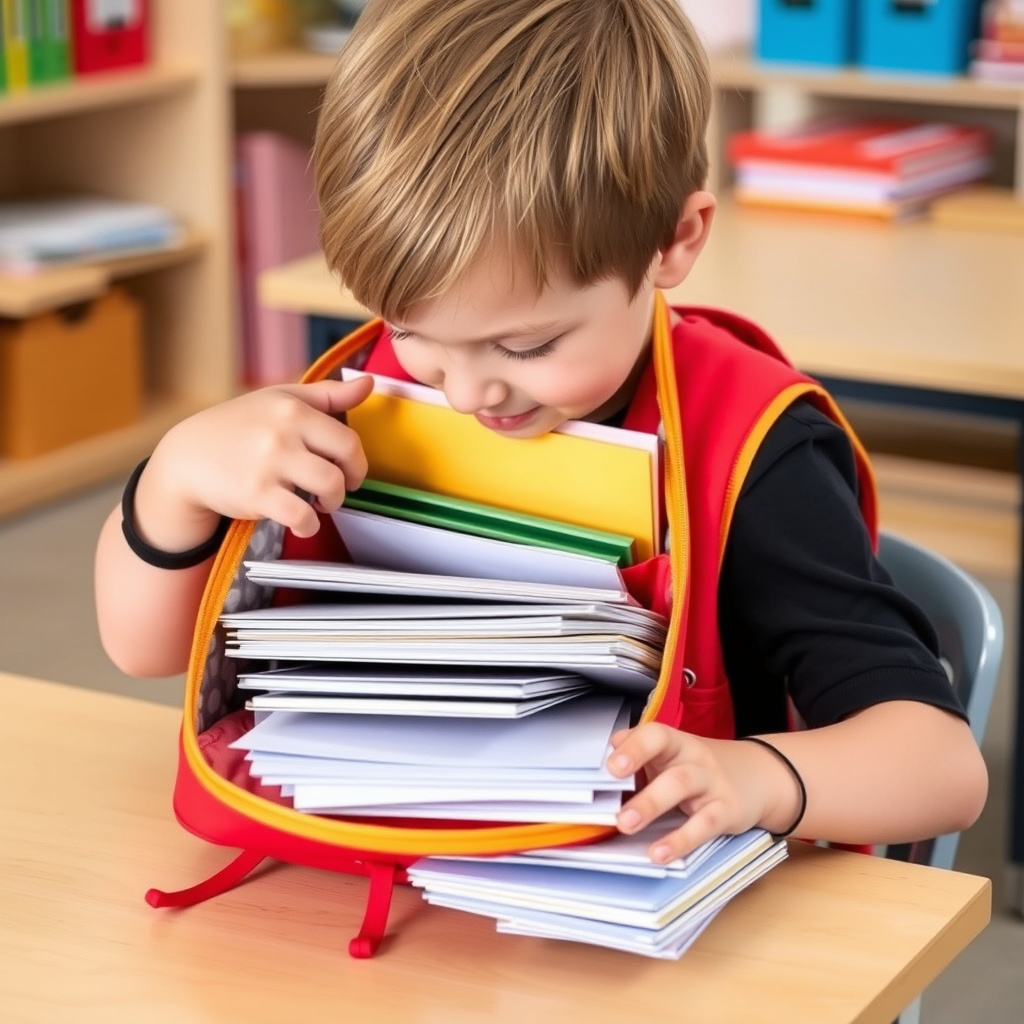
Coordinating with Teachers and School Staff
Teachers can provide insights about your child's organizational strengths and challenges during school hours. Collaborating on strategies, like using planners or ensuring timely homework tracking, supports consistency between home and school.
Some schools offer organizational workshops or tools that parents can request. Staying involved helps catch potential issues early and reinforces habits.
To better understand how organization enhances learning, explore the role of executive function skills in children. executive function skills in children.
Tips for Organizing Kids’ Schoolwork Effectively
Organizing kids’ schoolwork at home involves setting up systems like subject-specific folders or binders, a regular review schedule, and spaces allocated for homework completion and study.
Regularly assessing and decluttering old papers prevents overwhelm and keeps only the most relevant materials at hand. Encouraging your child to take responsibility for this process builds independence.
- Sort papers by subject and date
- Use folders or binders with labels
- Schedule weekly organization check-ins
Organizational Tools and Techniques Category Comparison
Here’s a comparison of popular organizational tools and techniques suited for different child ages and goals.
| Category | Best For Age Group | Ease of Use | Cost | Effectiveness |
|---|---|---|---|---|
| Physical Planners | 8-12 years | High | $5-$15 | High for daily tracking |
| Digital Apps | 13+ years | Medium | Free to $10/month | High for tech-savvy kids |
| Visual Charts and Stickers | 3-7 years | Very High | Low ($0-$10) | Good for motivation |
| Storage Bins and Labels | All ages | High | $10-$30 | Very high for tidiness |
| Reward Sticker Systems | 4-9 years | High | Low ($0-$10) | Good for habit reinforcement |
Frequently Asked Questions
What is the best way to start teaching my child organization?
Begin with small, clear routines using visual aids and designate specific places for items. Starting early with simple steps builds consistency without overwhelming your child.
How can I make organizing fun for my child?
Use games, reward charts, and colorful labels to turn organizing into an enjoyable activity. Positive reinforcement encourages children to adopt habits willingly.
What should I do if my child resists staying organized?
Patience is key. Involve your child in creating systems, listen to their preferences, and adjust approaches as needed to find what works best for them.
Are digital tools better than physical planners for organization?
Both have benefits depending on your child’s age and preferences. Digital tools appeal to tech-savvy older kids, while physical planners often suit younger children better.
How can parents keep their children’s schoolwork organized at home?
Set up labeled folders or binders for each subject, schedule regular review sessions, and encourage your child to maintain these systems independently over time.
Key Takeaways
- Simple routines and designated spaces improve a child’s organizational habits.
- Using age-appropriate tools like planners and storage solutions helps manage schoolwork.
- Positive reinforcement and flexibility foster consistent, stress-free organization.
- Collaboration with schools enhances organizational support and success.
Conclusion
Finding the right balance when teaching your child how to stay organized requires a personalized approach. It involves setting clear routines, choosing practical tools, and encouraging responsibility in ways that resonate with your child’s unique personality and developmental stage. By focusing on straightforward methods, you can help your child develop habits that support both their academic and personal growth without creating tension or frustration.
For younger children, visual schedules and reward charts paired with fun organizational tasks create an engaging introduction to tidiness. Older children may benefit more from digital planners or personalized systems that respect their growing independence. Tools such as labeled folders and storage bins are valuable for all ages to maintain order daily. Integrating support from teachers and maintaining communication about your child’s progress ensures consistency and reinforces the importance of these habits.
Start by introducing one or two organizational strategies that feel manageable to both you and your child, like setting up a homework station or using a planner. Observe what works well, and be open to adjustments as your child’s needs change. With patience, encouragement, and practical tools, helping your child stay organized becomes a rewarding journey that boosts their confidence and prepares them for lifelong success.