How to Encourage Your Child to Study Effectively and Stay Motivated
Encouraging your child to study starts with creating a supportive environment where learning feels rewarding, not like a chore. Establishing clear routines, positive reinforcement, and understanding their individual learning style can immediately boost their willingness to focus on schoolwork.
Motivation to study isn't just about discipline; it’s about connecting study habits with your child's interests and personal goals. When children see the purpose behind their effort, whether it’s mastering a subject or achieving good grades, they’re more likely to stay engaged and develop lifelong learning skills.
This article outlines practical strategies, from setting up an ideal study space to using effective motivation techniques for children. You'll learn how to balance discipline with encouragement while addressing common challenges parents face in fostering good study habits.
Creating a Study-Friendly Environment
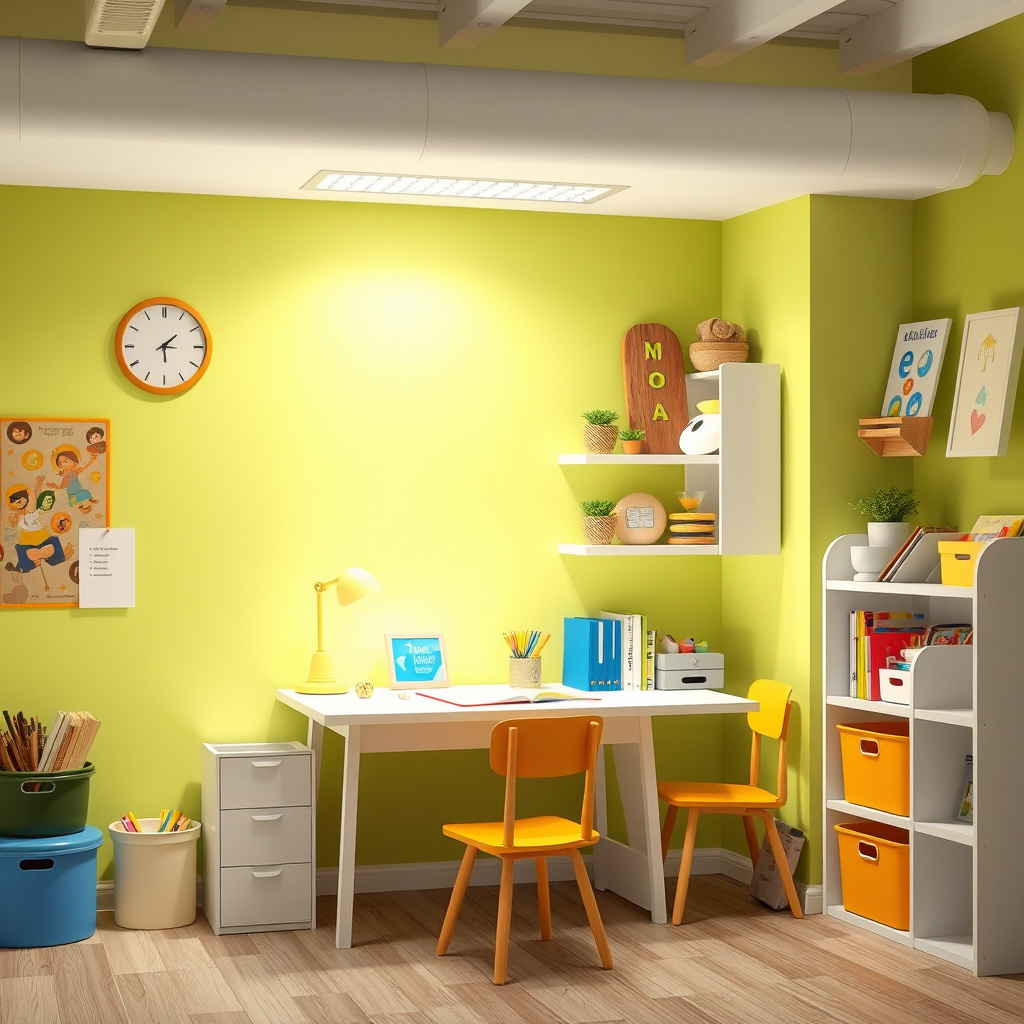
Designing the Ideal Study Space
A quiet, well-lit, and distraction-free area helps children focus better on their studies. Personalized touches like favorite colors or inspirational posters can make the space inviting, while keeping supplies handy reduces interruptions during study time.
Consider ergonomics too—comfortable seating and an appropriate desk height prevent discomfort that can distract young learners. Regularly updating the study space with new materials keeps it fresh and stimulating.
- Good natural or adjustable lighting
- Organized desk with necessary supplies
- Comfortable chair and proper desk height
- Minimal distractions like noise or clutter
Establishing Consistent Study Routines
Children thrive with predictable schedules; setting specific daily times for studying builds habit and discipline. Consistency cues their brain to focus during those periods, even if the duration varies based on age.
Include breaks to prevent burnout. A typical approach is 25-30 minutes of focused work followed by a 5-10 minute break, helping maintain energy and attention.
- Same study time each day
- Short frequent breaks
- Wind-down routine after study
Using Motivation Techniques for Children
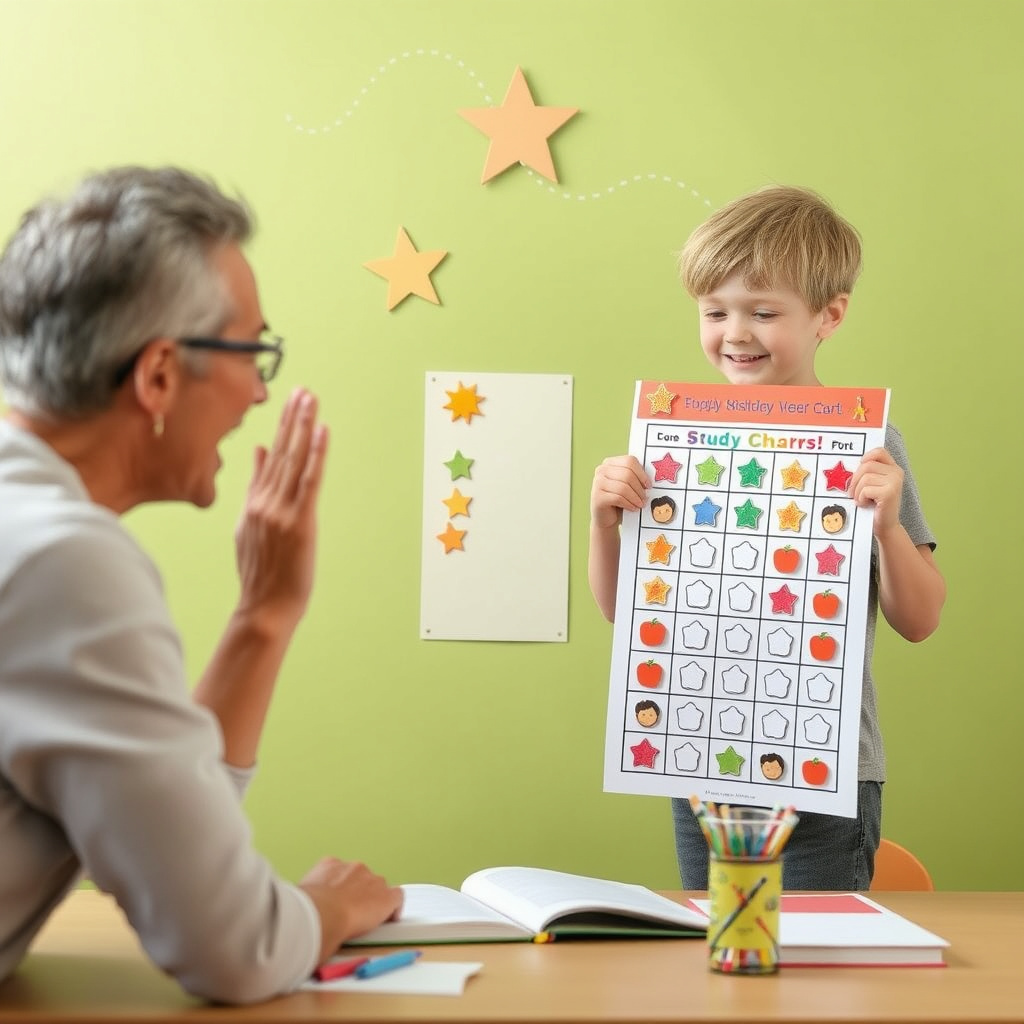
Positive Reinforcement and Reward Systems
Recognizing effort rather than just results encourages persistence. Simple rewards such as verbal praise, stickers, or extra playtime can motivate children to keep trying even when material is challenging.
Effective reward systems connect task completion with immediate positive feedback, reinforcing good habits. Gradually shifting from tangible rewards to intrinsic motivation builds deeper commitment over time.
- Praise for effort and progress
- Reward charts or token systems
- Celebrate milestones with small treats
For more on this, see our related guide: How to Find the Best Tutoring in Doral FL for Your Child’s Success.
Incorporating Child’s Interests into Study
Relating study topics to a child’s hobbies or passions makes learning more compelling and meaningful. For example, using sports statistics to explain math or stories from history that align with favorite movies can spark curiosity.
This personalized approach leverages natural enthusiasm, making study sessions less tedious and enhancing retention.
- Use examples from favorite activities
- Encourage creative projects linked to subjects
- Discuss real-world applications of lessons
Building Accountability and Self-Discipline
Teaching Goal-Setting Skills
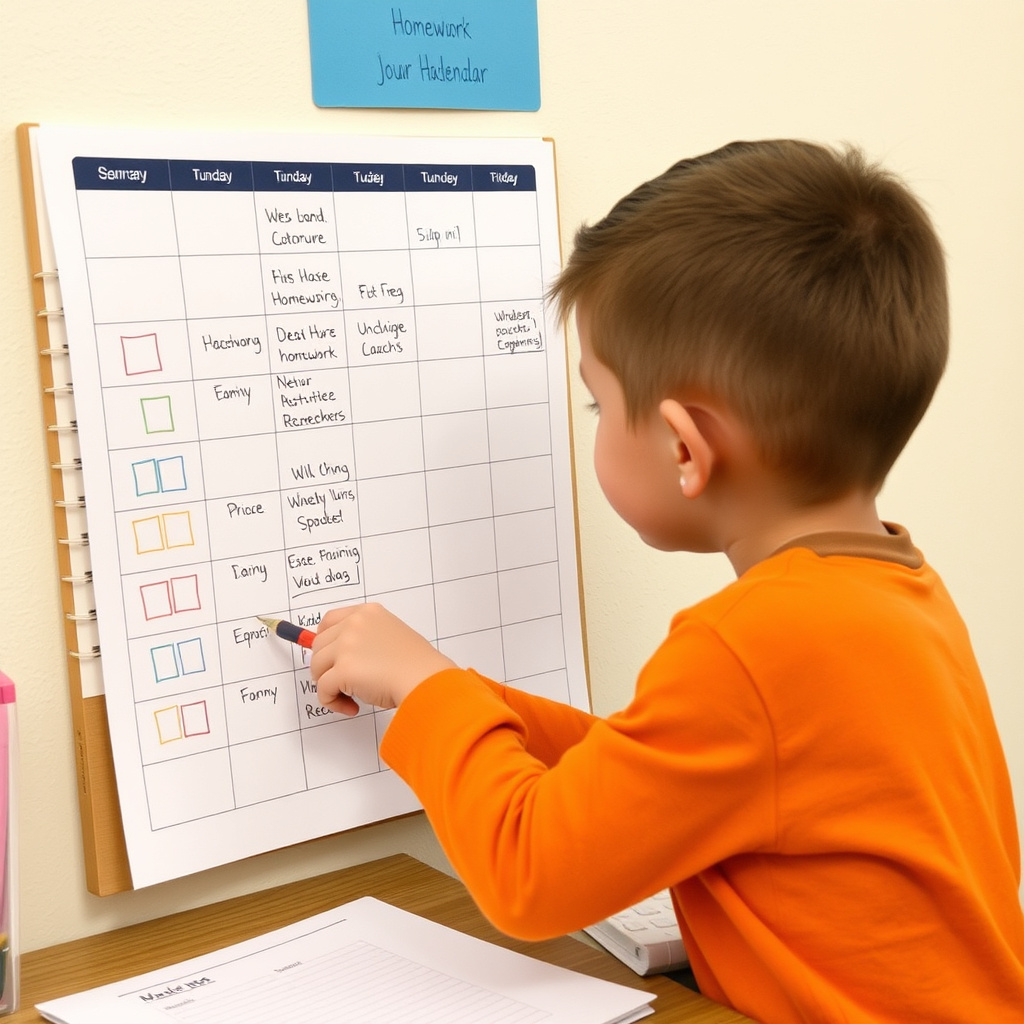
Helping children set realistic, clear goals gives them direction and a sense of achievement as they progress. Break larger projects into small, manageable steps to avoid feeling overwhelmed and keep motivation steady.
Goal-setting also improves time management, as children learn to prioritize studying alongside other activities.
- Set daily or weekly study goals
- Use charts or planners to track progress
- Review and adjust goals regularly
Encouraging Independent Study Habits
Gradually transferring responsibility to the child fosters independence. Parents can guide with gentle reminders but allow children to plan and complete homework in their own way.
This autonomy supports self-discipline and confidence, preparing children to manage more complex academic tasks as they grow.
- Minimize parental micromanagement
- Teach organization skills
- Promote problem-solving during study
Supporting Emotional and Mental Well-being

Addressing Study-Related Stress
Stress or anxiety around studying can decrease motivation and focus. Recognizing signs like irritability or avoidance allows parents to intervene with reassurance and relaxation techniques.
Creating a balanced routine with time for play and rest reduces pressure, making study time more productive and less daunting.
For more on this, see our related guide: How to Get Effective Math Homework Help Fast and Easily.
Encouraging a Growth Mindset
Teaching children that skills improve with effort promotes resilience. Instead of labeling themselves as 'not good at' a subject, children learn to view challenges as chances to grow.
Praise for persistence and learning from mistakes builds confidence and reduces fear of failure.
Leveraging Technology and Resources

Using Educational Apps Wisely
Interactive apps can make studying engaging by offering quizzes, games, or visual aids tailored to a child’s grade level. Selecting apps with proven educational benefits supports both motivation and comprehension.
However, screen time should be monitored and balanced with offline activities to avoid fatigue.
- Choose age-appropriate learning apps
- Set daily limits on screen time
- Combine app use with traditional study methods
For more insights into motivational strategies for students, this article from Edutopia offers helpful research-based tips. motivational strategies for students.
Accessing External Support and Tutoring
Sometimes professional help through tutors or study groups benefits children who struggle with certain subjects or need extra encouragement. Tutors can customize lessons and boost confidence with one-on-one attention.
Parents should communicate regularly with tutors to align goals and track progress.
Common Study Encouragement Methods Comparison
Below is a comparison of popular methods parents use to encourage their children to study, highlighting strengths and best-use scenarios.
| Method | Best For | Pros | Cons |
|---|---|---|---|
| Reward Systems | Younger children needing immediate motivation | Builds quick positive reinforcement; fun | May create dependence on external rewards |
| Study Routines | All age groups | Promotes discipline and predictability | Requires consistency and parental involvement |
| Interest-Based Learning | Kids with clear hobbies | Increases engagement and retention | Time-consuming to tailor lessons |
| Goal Setting | Older children and teens | Builds planning skills and accountability | Needs monitoring to stay realistic |
| Tutoring | Children struggling academically | Provides personalized support | Can be costly and depend on quality of tutor |
Frequently Asked Questions
How can I help my child stay focused while studying?
Create a quiet, organized space free from distractions and encourage short study sessions with regular breaks to maintain attention.
What if my child is not motivated by rewards?
Try connecting study material to their interests or offer verbal praise and encouragement instead to foster intrinsic motivation.
Is it better to study in the morning or evening?
It depends on your child's natural energy levels; some focus better in the morning, others in the evening. Observe and adapt the schedule accordingly.
How can technology support my child's study routine?
Educational apps and online tools can make learning interactive and fun, but balance screen time with offline study to prevent fatigue.
When should I consider hiring a tutor?
If your child is consistently struggling despite your support, or needs extra help with specific subjects, a tutor can offer tailored guidance.
Key Takeaways
- Create a consistent, distraction-free study environment
- Use positive reinforcement and connect learning to interests
- Teach goal-setting and encourage independence in studying
- Balance study with emotional support and appropriate breaks
Conclusion
Choosing methods on how to encourage your child to study depends heavily on the child's personality, age, and learning style. Starting with a well-organized study space and clear routines provides a solid framework. Incorporating motivational techniques like rewards, interest-based learning, and fostering a growth mindset can keep children engaged and reduce resistance. It’s a process that needs patience and adjustment as your child develops.
Parents may find that a mixture of approaches works best: younger children often respond well to reward systems combined with structured routines, while older children benefit from goal-setting and developing autonomy. For children with specific challenges, tutoring or supplemental resources can support progress and confidence. Focus on balancing discipline with empathy to create a positive learning experience.
Ultimately, the next step is to observe your child’s responses to different strategies and keep communication open. Small changes over time—like adjusting study duration, varying rewards, or introducing new resources—can make a significant difference in motivation. Encouraging study becomes easier when children feel supported and connected to their own learning journey.