How to Find a Reading Tutor: A Step-by-Step Guide to Effective Learning Support
Finding a reading tutor starts by identifying the specific reading challenges that need attention, such as comprehension, fluency, or decoding skills. From there, you can look for tutors with relevant experience and teaching styles that match the learner’s needs. Directly contacting local tutors or searching online tutoring platforms often yields good options.
Choosing the right reading tutor matters because tailored instruction can significantly improve literacy skills and boost confidence. Different tutors bring varied expertise — some specialize in phonics while others focus on older students’ reading comprehension. Knowing what kind of help is needed clarifies the search and makes the process more efficient.
This article will cover key factors in finding a reading tutor, including where to look, what qualifications matter, pricing considerations, tutoring formats, and questions to ask. You’ll also find a comparison of popular tutoring options to help pick the right fit for your reading goals.
Where to Search for a Reading Tutor

Local Schools and Libraries as Resources
Many schools and libraries offer reading programs or keep lists of vetted tutors. These institutions often recommend tutors who have experience with a range of reading difficulties and can offer either in-person or digital lessons.
Checking in with teachers or literacy coordinators can also point you towards qualified tutors known in the community. These resources can provide trustworthy leads without extensive online searching.
- Contact school literacy specialists
- Ask at local library information desk
- Look for community bulletin boards
- Inquire about free or low-cost tutoring programs
Online Tutoring Platforms
Websites dedicated to tutoring services allow you to filter by subject, experience, availability, and location, making it easier to find tutors who specialize in reading. Reviews and ratings offer insight into past student satisfaction.
Many online platforms also offer trial sessions so you can test a tutor’s teaching style before committing. This is an advantage over strictly local options where in-person meetings may require more upfront scheduling.
- Use filters to narrow search by expertise
- Review tutor profiles and ratings
- Consider trial or first-lesson options
- Check for tutors certified in literacy instruction
Evaluating Tutor Qualifications

Educational Background and Experience
Look for tutors with a background in education, especially those trained in reading instruction or literacy education. Experience working with students at the learner’s age and skill level is key to effective support.
Specialized credentials such as certifications in reading tutoring methods (e.g., Orton-Gillingham, Reading Recovery) often indicate deeper expertise that can address particular reading challenges.
- Degrees in education or English
- Literacy or special education certifications
- Years of tutoring experience
- Experience with specific reading difficulties
Teaching Style and Compatibility
A tutor’s teaching style should match the learner’s personality and learning preferences to foster engagement and progress. Some students do better with structured phonics drills, others with discussion-based comprehension practice.
Requesting a trial lesson or initial consultation is a good way to assess rapport and instructional approach. Open communication about goals and feedback preferences also supports an effective tutor-student relationship.
- Personalized lesson plans
- Patience and clear explanations
- Use of varied teaching materials
- Flexibility to adapt methods
Pricing and Scheduling Considerations
Average Costs of Reading Tutors
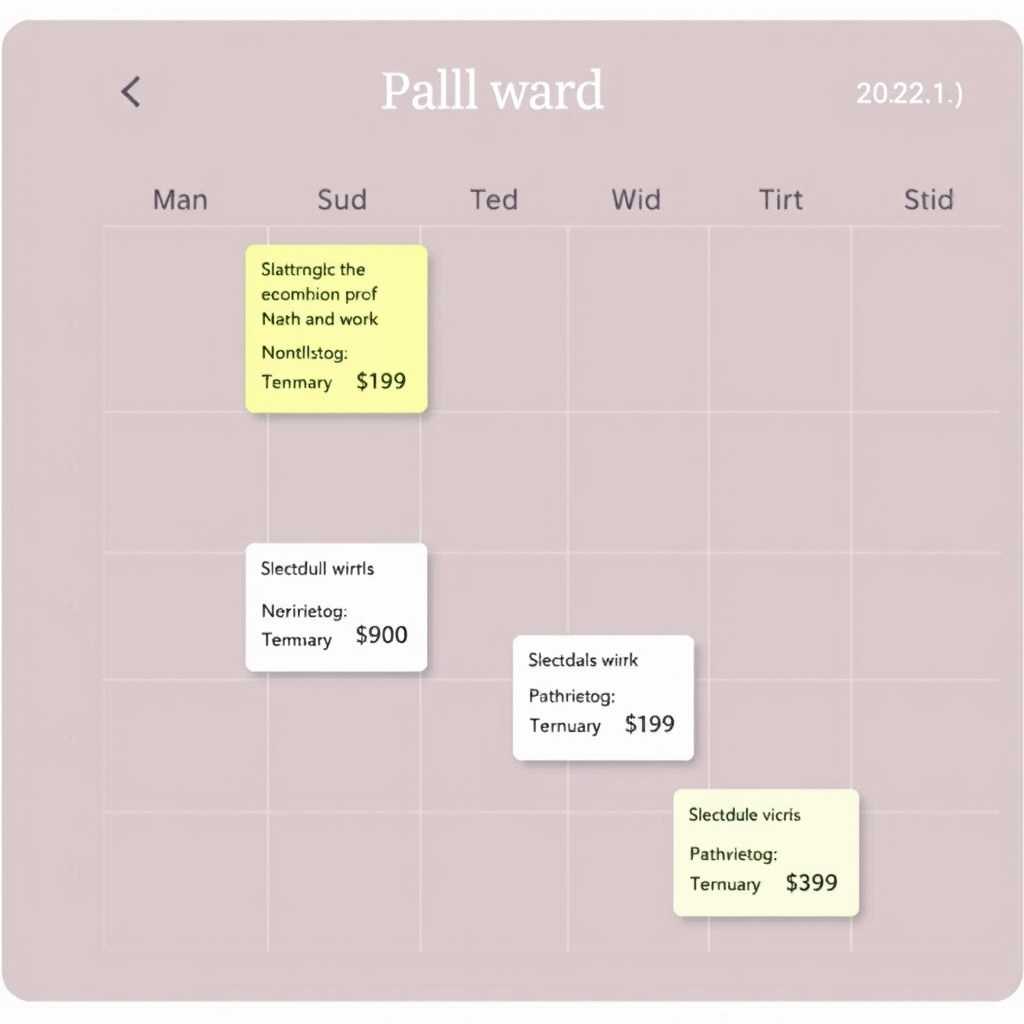
The price for a reading tutor varies widely depending on location, experience, and session length. On average, private tutors charge $25 to $80 per hour. Group sessions or online platforms may offer more affordable options.
Be clear on what is included in the rate—such as lesson materials, progress reports, or homework assignments—to compare costs fairly across different providers.
- Typical hourly rates between $25-$80
- Packages or discounts for multiple sessions
- Group tutoring as a budget-friendly alternative
- Check for additional fees or materials costs
For more on this, see our related guide: How to Find the Best Reading Tutor in Doral FL for Your Child.
Flexibility in Scheduling
Finding a tutor whose availability fits well with the student’s routine can make a huge difference in consistency and progress. Some tutors offer weekend or evening hours, which can accommodate school or work schedules.
Online tutoring adds flexibility by eliminating commute time, while in-person options may feel more personal and interactive for some learners.
- Look for tutors with convenient session times
- Consider options for in-person and online lessons
- Regular and consistent scheduling improves outcomes
- Check cancellation and rescheduling policies
Types of Reading Tutoring Services
One-on-One Tutoring
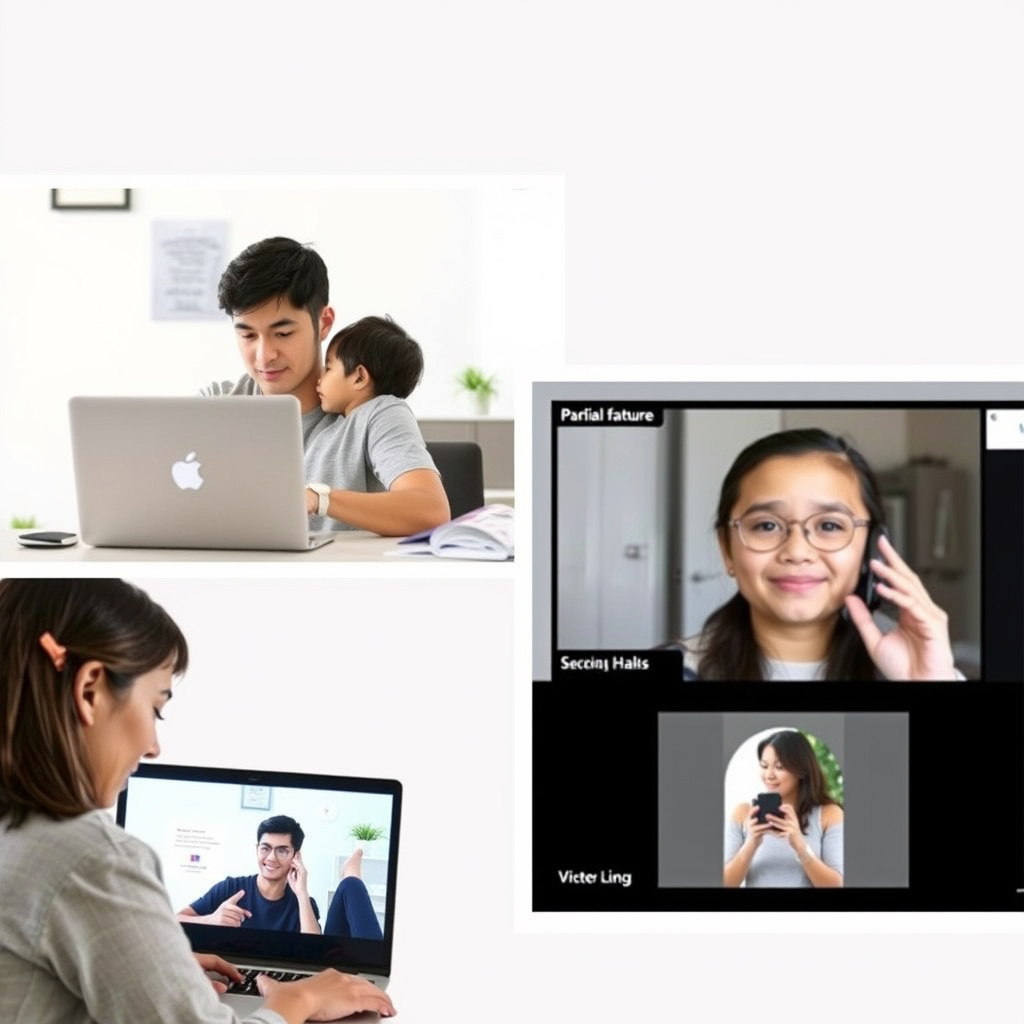
Individual tutoring delivers personalized focus on the student’s specific reading challenges. It allows tutors to tailor lessons precisely and adjust pacing in real time, which can accelerate improvement.
Such sessions can cover phonics, fluency, vocabulary, or comprehension depending on needs, and are often preferred for learners requiring extra attention.
Group and Online Tutoring Options
Group tutoring can be more affordable and offer peer interaction, beneficial for motivation and social learning. However, instruction may be less individualized compared to one-on-one sessions.
Online tutoring platforms often provide access to a wide range of experts and flexible scheduling, with video calls and interactive tools that enhance learning despite physical distance.
Questions to Ask Potential Reading Tutors

Assessing Qualifications and Approach
Ask about the tutor’s training, experience, and strategies for addressing reading challenges similar to those your learner faces. Understanding their approach to assessment and progress tracking helps align expectations.
Inquire about their familiarity with reading programs or interventions used in schools, and how they integrate these into tutoring sessions.
- What is your background in reading instruction?
- How do you tailor lessons to individual needs?
- What assessments do you use to track progress?
- How do you collaborate with parents or teachers?
For more on this, see our related guide: How to Choose the Best Test Preparation Tutor in Doral FL for Effective Results.
Logistics and Trial Sessions
Clarify fees, session length, cancellation policies, and availability. Also, check if the tutor offers trial lessons or initial evaluations at reduced rates or no cost to confirm a good fit.
Discuss communication methods for feedback and how homework or practice outside sessions is handled to support continued learning.
- What are your rates and cancellation policy?
- Do you offer trial or introductory sessions?
- How do you provide feedback and updates?
- What is expected outside of tutoring time?
How to Make the Most of Reading Tutoring

Setting Clear Goals and Tracking Progress
Work with the tutor to establish specific, measurable reading goals tailored to the learner’s needs. Regularly reviewing progress keeps motivation high and helps adjust teaching methods if needed.
Using reading logs, fluency checks, or comprehension quizzes can provide tangible evidence of improvement over time.
- Define achievable milestones
- Use assessment tools regularly
- Adjust goals as skills develop
- Celebrate progress and effort
For more details on what to look for in a reading tutor, explore comprehensive reading tutoring information available through trusted literacy resources. reading tutoring information.
Supporting Learning Outside Tutoring
Encourage reading practice at home that complements tutoring sessions. This includes age-appropriate books, educational games, and engaging reading activities.
Creating a positive reading environment and keeping communication open with the tutor bridges tutoring with daily literacy experiences.
- Read together regularly
- Use educational reading apps
- Create a distraction-free reading space
- Discuss reading materials to build comprehension
Reading Tutor Options Comparison
Here’s an overview comparing different categories of reading tutors based on cost, flexibility, and personalization to help guide your decision.
| Category | Average Hourly Rate | Flexibility | Personalization Level | Best For |
|---|---|---|---|---|
| Private In-Person Tutors | $40-$80 | Moderate (local availability) | High (one-on-one focus) | Students needing personalized, hands-on teaching |
| Online Tutoring Platforms | $25-$60 | High (anytime, anywhere) | Varies (trial options available) | Tech-savvy learners needing scheduling flexibility |
| School-Based Tutors | Often free or low cost | Limited to school hours | Moderate (standardized methods) | Students integrated with school curriculum |
| Group Tutoring Sessions | $15-$40 | Moderate | Low-Medium (shared attention) | Budget-conscious families wanting peer interaction |
| Volunteer or Nonprofit Programs | Free or donation-based | Varies | Low-Medium | Families seeking affordable support and community resources |
Frequently Asked Questions
How do I know if a reading tutor is qualified?
Check their educational background, certifications in literacy instruction, and experience with students of similar reading levels. Ask for references or reviews to confirm their effectiveness.
Can online tutors be as effective as in-person tutors?
Yes, online tutors can provide effective reading support, often with added benefits like flexible scheduling and access to specialists. Success depends on teaching style and student engagement.
How long does it usually take to see improvement with a reading tutor?
Improvement varies but many students show progress within a few months of consistent tutoring, especially when sessions are regular and combined with home practice.
Are group reading tutoring sessions worth considering?
Group sessions can provide social motivation and cost savings, though they offer less personalized attention. They work well for learners who benefit from peer interaction.
What should I prepare before the first tutoring session?
Gather recent reading assessments or examples of challenging texts and note specific goals. Share the learner’s strengths and difficulties with the tutor to tailor the first session.
Key Takeaways
- Identify specific reading needs to guide tutor search
- Consider both local and online tutoring options
- Evaluate tutor qualifications and teaching compatibility
- Set clear goals and support practice outside sessions
Conclusion
Finding a reading tutor involves a clear understanding of the learner’s needs and the options available. By focusing on qualifications, teaching styles, and logistical factors like cost and scheduling, you can make an informed decision that matches your goals. The best choices balance expertise with accessibility and learner engagement.
For students requiring intensive, personalized help, private in-person tutors or specialized online educators offer strong results. Those on a budget might explore group sessions or volunteer programs, while school-based tutors often integrate well with academic schedules. Trial lessons and direct communication with tutors help fine-tune the fit before committing.
Your next step should be to reach out to several tutors or programs to discuss your learner’s needs. Scheduling trial sessions or consultations provides insights into teaching approach and rapport. With clear goals and supportive tutoring, reading skills can grow steadily, building confidence and a lifelong love of reading.