Can Tutoring Improve Reading Skills? A Practical Guide to Enhanced Literacy
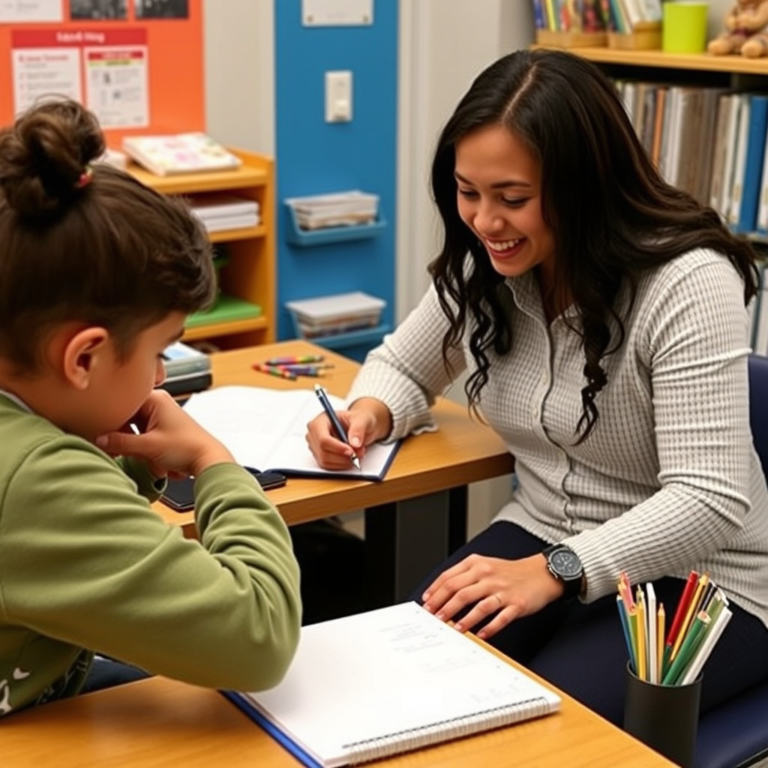
Tutoring can significantly improve reading skills by providing individualized instruction tailored to a learner’s specific needs, enabling targeted practice and feedback. With specialized techniques and focused attention, tutors help strengthen decoding, comprehension, fluency, and vocabulary—core components of effective reading.
Reading proficiency affects academic success and everyday communication, so improving these skills is foundational for people of all ages. While classroom teaching supports literacy development, tutoring offers additional personalized guidance that accelerates progress and addresses unique challenges such as dyslexia or language barriers.
This article explores the mechanisms behind tutoring’s impact on reading improvement, examines various tutoring approaches, compares different program categories, answers common questions, and offers practical advice to choose the best tutoring option to enhance reading skills effectively.
How Tutoring Personalizes Reading Skill Development

Assessment-Driven Instruction
Tutoring often begins with a thorough assessment of the student's current reading level, strengths, and weaknesses. This evaluation guides the tutor in creating an individualized learning plan focused on the specific areas that require improvement.
By targeting skills such as phonemic awareness, decoding accuracy, or reading fluency, tutors can use customized exercises and reading materials that match the student's pacing and interests, making learning more effective.
- Phonemic awareness tests
- Reading comprehension quizzes
- Fluency timing exercises
- Vocabulary assessments
Adaptive Learning and Feedback
Tutors provide real-time feedback and adjust teaching methods based on student responses, allowing for instant correction of reading mistakes and reinforcement of correct techniques.
This adaptive approach helps students build confidence by overcoming frustration that can arise when reading challenges go unaddressed in larger classroom settings.
Strategies Used in Reading Tutoring
Phonics-Based Techniques
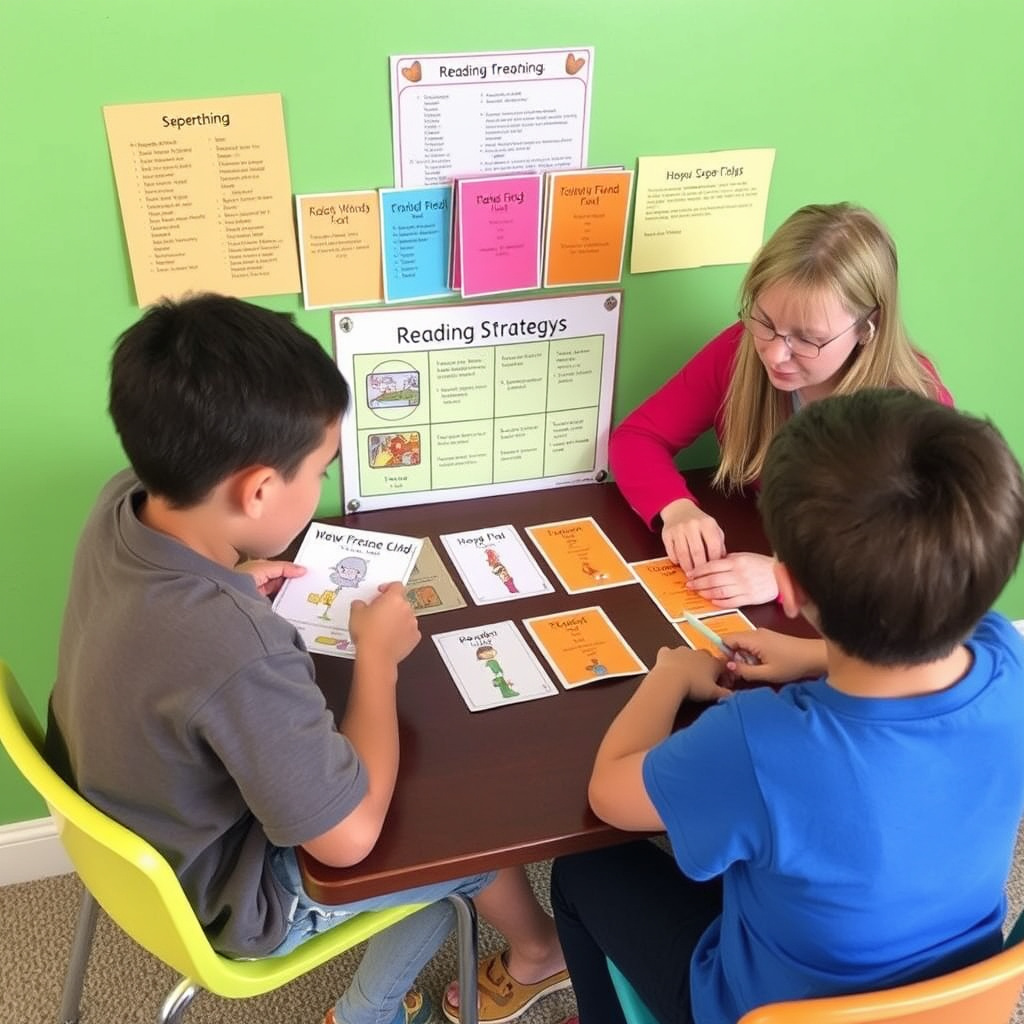
Phonics instruction involves teaching the relationships between letters and sounds to improve decoding. Tutors often use multisensory activities that integrate visual, auditory, and kinesthetic cues to engage multiple learning pathways.
This method helps struggling readers sound out unfamiliar words with greater ease, laying the foundation for fluent reading and comprehension.
- Letter-sound matching
- Blending sounds exercises
- Segmenting words into phonemes
Comprehension Enhancement Methods
Tutors introduce strategies like summarization, questioning, and predicting to boost understanding of texts. Discussing stories and asking guided questions develop critical thinking and inference skills.
Regular reading followed by reflection helps students connect ideas within and beyond the text, fostering deeper engagement and stronger comprehension.
- Story mapping
- Question-answer relationships
- Making text-to-self connections
Evaluating the Effectiveness of Tutoring in Improving Reading Skills
Measuring Fluency and Accuracy Gains
Tracking reading speed and error rates over time provides clear indicators of progress. Tutors periodically assess fluency improvements by timing oral readings and noting accuracy, enabling adjustments to instruction.
Sustained gains in fluency often correlate with increased confidence and motivation to read independently.
- Words correct per minute (WCPM)
- Error frequency tracking
- Repeated reading exercises
For more on this, see our related guide: How to Choose a Reading Comprehension Tutor That Boosts Your Skills.
Assessing Comprehension and Retention
Effective tutoring should demonstrate improvements in a student's ability to recall and interpret text information. Comprehension assessments can involve quizzes, oral retelling, or written summaries.
These tools help identify if tutoring is helping not just with word recognition but also with meaningful understanding of materials read.
Different Types of Reading Tutoring Programs

One-on-One Tutoring
Personalized one-on-one sessions allow tutors to tailor instruction completely to a student's pace and preferences, making it the most intensive option for improving reading skills.
This method is particularly effective for learners who need focused attention on specific reading challenges.
- Customized lesson plans
- Immediate feedback
- Flexible scheduling
Group and Online Tutoring
Group tutoring can provide peer interaction and motivation, often at a lower cost, but may offer less individualized attention. Online tutoring offers convenience and access to diverse reading resources.
Many find blended approaches which combine these formats beneficial for maintaining progress while adapting to their lifestyles.
- Peer support dynamics
- Use of interactive digital tools
- Access to a broad range of materials
Choosing the Right Tutor for Reading Improvement

Qualifications and Experience
A qualified reading tutor should have a background in literacy education or a related field, along with experience working with learners at your level and specific challenges like dyslexia.
Certifications in reading instruction methods can indicate specialized training that enhances tutoring effectiveness.
- Teaching certifications
- Experience with similar learners
- Knowledge of evidence-based methods
For more on this, see our related guide: How to Find Effective One on One Tutoring in Doral FL.
Compatibility and Communication
Good rapport between tutor and student is essential. Tutors who communicate clearly and adapt their style to the learner's personality encourage engagement and sustained effort.
Transparent communication with parents or guardians about progress also supports consistent improvement.
Costs and Accessibility of Reading Tutoring

Pricing Structures and Value
Reading tutoring costs vary based on format, tutor qualifications, and session length. While private tutors command higher rates, investment in quality tutoring often yields measurable reading gains.
Some programs offer sliding scale fees or packages to improve affordability.
- Hourly rates
- Package discounts
- Free trial sessions
For additional background and historical context on tutoring methods, check out this detailed overview of tutoring on Wikipedia. Reading tutoring on Wikipedia.
Access Options and Resources
Many communities provide free or low-cost tutoring through libraries or nonprofit organizations, increasing access for families on tight budgets.
Additionally, online platforms have expanded global reach, allowing students to connect with skilled tutors regardless of location.
Reading Tutoring Program Category Comparison
Here is a comparison of popular reading tutoring program categories to help you decide which best suits your needs.
| Program Type | Cost per Hour | Customization Level | Best For | Accessibility |
|---|---|---|---|---|
| One-on-One Private Tutor | $40-$80 | High | Students needing focused individualized help | Varies by location |
| Online Tutoring Platforms | $25-$60 | Medium to High | Flexible scheduling and remote access | Widely accessible |
| Group Tutoring Sessions | $15-$40 | Low to Medium | Students who benefit from peer interaction | Available in many communities |
| Library/Nonprofit Programs | Free or low-cost | Low to Medium | Budget-conscious families | Limited by location and availability |
| School-Based Tutoring | Usually free | Medium | Students identified with academic needs | School-dependent |
Frequently Asked Questions
How often should tutoring sessions occur to see improvement in reading?
Typically, sessions held two to three times per week allow for consistent practice and skill reinforcement, speeding up improvements in reading fluency and comprehension.
Are online tutoring programs as effective as in-person sessions?
Online tutoring can be very effective due to its flexibility and access to digital resources, though in-person tutoring offers tactile interaction some learners prefer.
What age groups benefit most from reading tutoring?
Reading tutoring benefits all ages—from young children developing foundational skills to adults aiming to improve literacy or reading speed for work or study.
Can tutoring help with reading disabilities like dyslexia?
Yes, specialized tutors trained in evidence-based methods can provide targeted interventions that help manage and improve reading skills despite dyslexia.
How do I measure if tutoring is improving my reading skills?
Monitoring fluency improvements, increased reading comprehension scores, and greater confidence while reading are good indicators of successful tutoring.
Key Takeaways
- Tutoring offers personalized instruction that targets specific reading challenges.
- Phonics and comprehension strategies are central to effective reading tutoring.
- Different program types vary in cost, customization, and accessibility.
- Consistent sessions and qualified tutors maximize reading skill gains.
Conclusion
Choosing to engage with tutoring to improve reading skills means prioritizing tailored, focused support beyond standard classroom instruction. The main goal is to identify specific areas such as decoding, fluency, or comprehension that require reinforcement and to work with a tutor whose methods align with those needs. Balancing tutoring frequency, type, and tutor qualifications offers the best chance for measurable progress and increased motivation to read independently.
For learners who prefer individualized attention, one-on-one private tutors deliver high customization and direct feedback. Those seeking more flexibility might consider online tutoring platforms, which balance cost and access to qualified educators. Group tutoring sessions add social interaction that can enhance engagement, while community programs increase affordability for families. Understanding these options helps select a pathway matching your goals and resources to boost reading effectively.
The next practical step is to evaluate your current reading abilities with a preliminary assessment, then research tutors or programs with proven success in those areas. Scheduling trial sessions allows assessment of tutor compatibility and method effectiveness. Regular progress tracking ensures adjustments can be made. By approaching tutoring deliberately, you can transform reading from a struggle into an enjoyable and confident skill.