How to Study for a Final Exam: Proven Strategies for Success
Preparing efficiently for a final exam involves planning your study sessions, focusing on key material, and practicing active recall. How to study for a final exam effectively hinges on organizing your time and resources well before the test day.
Exams often assess broad topics, making it vital to break study material into manageable segments. This reduces overwhelm and helps cement knowledge in your memory. Many students find that combining different study techniques improves retention and boosts confidence.
This article explores various study methods, time management strategies, and practical tips to help you successfully prepare for your final exam. We’ll also examine common mistakes and how to avoid them to ensure your review sessions are productive.
Creating a Study Schedule for Final Exam Preparation
Importance of Early Planning
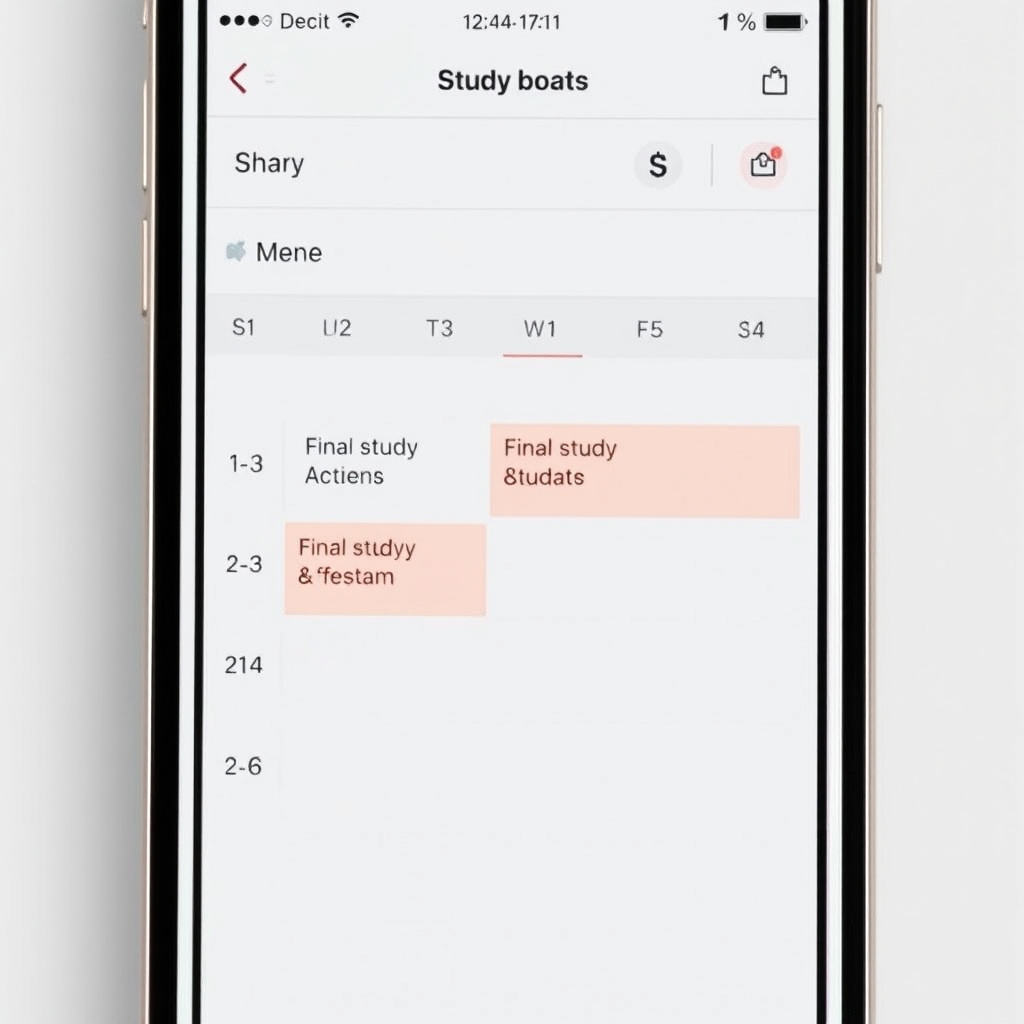
Starting your study plan weeks ahead helps avoid last-minute cramming. Early planning offers enough time to cover each subject thoroughly and revisit challenging topics. It also decreases stress and increases your capacity to absorb information.
Breaking the syllabus into daily goals ensures consistent progress. Reviewing your schedule regularly allows adjustments based on your pace and comprehension, keeping you on track for exam day.
- Set specific goals for each study session
- Allocate more time to difficult subjects
- Include short breaks between study intervals
Balancing Study Time with Rest
Rest periods are essential to prevent burnout. Techniques like the Pomodoro method—studying for 25 minutes followed by a 5-minute break—can maintain focus and productivity.
Getting plenty of sleep consolidates memory and sharpens concentration. Avoiding all-nighters the night before ensures you approach the exam mentally fresh, ready to apply what you’ve studied.
- Use timers to enforce study and break cycles
- Plan light activities during breaks to refresh your mind
Active Study Techniques to Boost Exam Performance

Using Flashcards and Practice Tests
Flashcards encourage active recall by testing your memory through questions and answers. Creating your own sets promotes deeper understanding than merely reading notes.
Practicing with old exams or sample questions simulates the testing environment, helping to familiarize yourself with question formats and time constraints.
- Write concise questions on one side and answers on the other
- Schedule regular practice test sessions
- Review mistakes to learn from errors
Summarizing and Teaching the Material
Summarizing key points in your own words clarifies concepts and helps identify gaps in knowledge. Writing summaries after study sessions reinforces retention.
Teaching the material to a peer or even aloud to yourself engages multiple senses, making the information more memorable and boosting confidence.
- Create concise summary notes
- Explain concepts aloud without referencing notes
- Ask questions to clarify your understanding
Managing Exam Stress and Staying Motivated

Stress Reduction Strategies
Stress can hinder memory and focus, so managing it is critical. Techniques such as deep breathing, mindfulness, and physical exercise calm nerves and improve mental clarity.
Limiting caffeine and maintaining healthy eating habits also help stabilize energy levels throughout study sessions and on exam day.
- Practice daily relaxation exercises
- Avoid negative self-talk
- Stay hydrated and eat balanced meals
Keeping Motivation High
Setting small, achievable milestones throughout your study plan provides motivation by marking progress. Rewarding yourself after completing tasks keeps morale up.
Visualizing exam success and reminding yourself of your goals can inspire persistence even when studying feels challenging.
- Break study material into manageable chunks
- Celebrate completing each section
- Focus on long-term benefits of passing
Organizing Study Materials Effectively
Selecting Relevant Resources
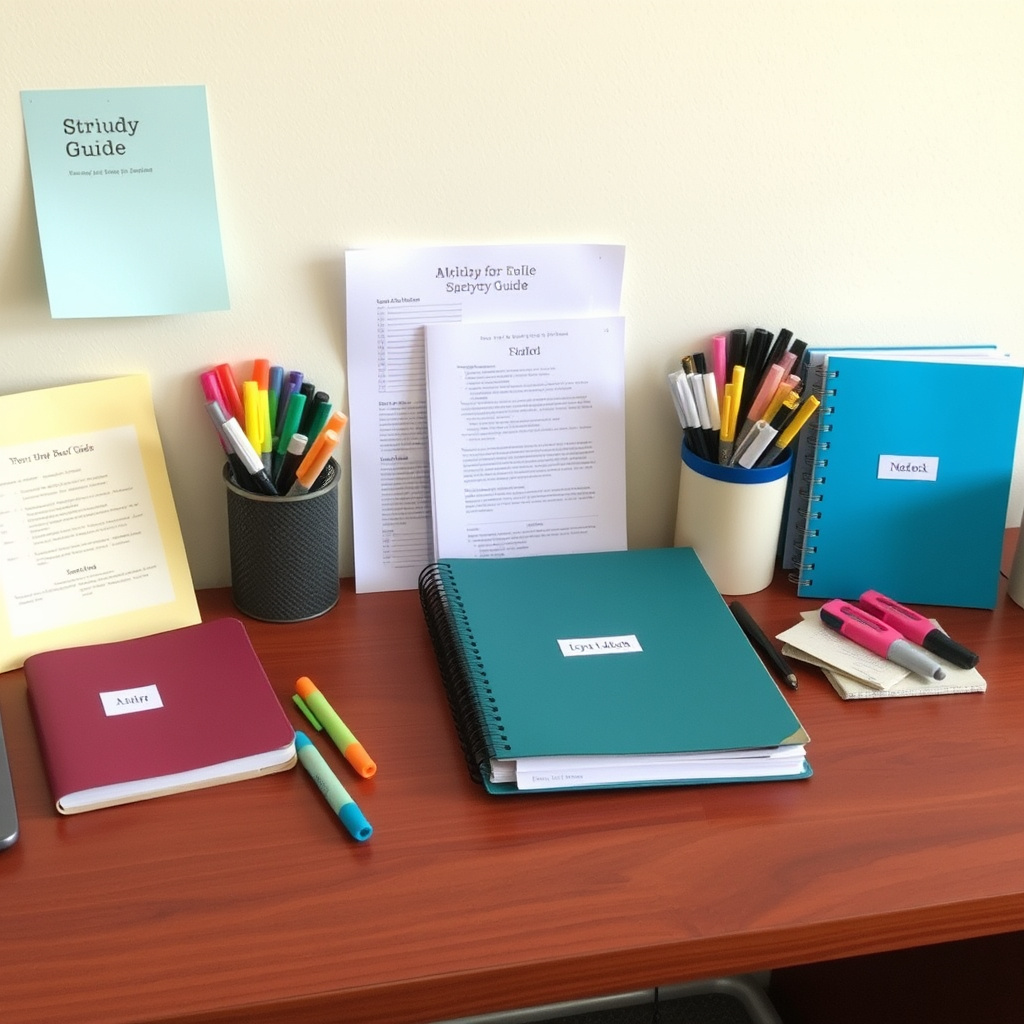
Distinguishing essential notes from peripheral information prevents wasted time. Use class handouts, textbook summaries, and instructor-provided outlines as your study foundation.
Digital resources like educational videos or online practice quizzes can supplement your study plan and offer alternative explanations.
- Gather all syllabi and assignment sheets
- Identify primary textbooks and lecture notes
- Use reputable online educational platforms
Organizing Notes and Highlighting
Highlighting key terms and important facts in notes draws attention to critical material. Using a color system can separate concepts, dates, or formulas.
Keeping notes organized by topic or chapter simplifies review sessions and prevents confusion during study.
- Use different colors to categorize information
- Rewrite or type notes to enhance retention
- Keep notes in chronological or thematic order
Adapting Study Methods to Different Subjects

Strategies for Memorization-heavy Subjects
Subjects like biology or history require memorizing facts, dates, and terminology. Mnemonics, acronyms, and charts enhance memorization by creating associations.
Repeated review of flashcards and practice quizzes reinforces recall and helps commit details to long-term memory.
- Use mnemonic devices to simplify complex facts
- Create timelines for historical events
- Practice spaced repetition for retention
Approaches for Problem-solving Subjects
Math, physics, and chemistry exams demand problem-solving skills. Practicing sample problems and understanding underlying concepts builds proficiency.
Reviewing formulas and learning to apply them within different contexts bolsters confidence in solving exam questions accurately.
- Practice diverse problems with step-by-step solutions
- Summarize formulas and their applications
- Work on time management during problem drills
Final Review Techniques Before Exam Day

Effective Last-minute Review
On the day before or morning of your exam, focus on high-yield summaries rather than trying to learn new material. Reviewing summaries helps refresh key points without overwhelming your brain.
Testing yourself with quick quizzes or flashcards reinforces memory and highlights any last topics needing brief revision.
- Avoid intense cramming to reduce anxiety
- Focus on weak areas identified earlier
- Get a good night's sleep for memory consolidation
For more effective study methods, check out this comprehensive resource on proven techniques to improve learning and retention. effective study methods.
Preparing Mentally and Physically
Eating a nutritious meal before the exam supplies steady energy. Arriving early and organizing your materials gives you time to settle and focus.
Positive self-talk and deep breathing techniques can calm nerves, helping you enter the exam with a clear, confident mindset.
- Prepare all necessary items the night before
- Use relaxation techniques to stay calm
- Visualize success to boost confidence
Study Schedule Category Comparison
A quick look at different study schedule types helps identify which fits various student needs best.
| Schedule Type | Duration Per Session | Ideal For | Pros | Cons |
|---|---|---|---|---|
| Pomodoro Technique | 25 minutes | Maintaining focus | Enhances concentration, balances study and breaks | May interrupt flow during complex topics |
| Block Study Sessions | 90-120 minutes | Deep learning | Allows in-depth coverage, fewer transitions | Can cause fatigue, needs good discipline |
| Distributed Practice | Multiple short sessions daily | Long-term retention | Prevents burnout, improves memory | Requires consistent commitment |
| Cramming | 5-8 hours once | Last-minute review | Quick coverage of material | High stress, low retention |
Frequently Asked Questions
How many hours should I study for a final exam?
The ideal study time varies, but spreading study sessions over several weeks with 1-2 hours daily is more effective than cramming the night before.
What is the best way to memorize large amounts of information?
Using active methods like flashcards, mnemonics, and regularly reviewing material helps memorization far better than passive reading.
How can I stay motivated while studying?
Setting small goals, rewarding progress, and envisioning exam success are powerful ways to keep motivation high during exam preparation.
Is it better to study alone or in groups?
Both methods can be beneficial; solo study suits personal focus needs, while groups offer diverse explanations and can reinforce learning through discussion.
What should I do the night before the exam?
Avoid heavy studying; instead, review summaries, prepare your materials, get adequate sleep, and relax to ensure you’re rested for the test.
Key Takeaways
- Start preparing early with a well-structured study schedule
- Employ active study techniques like flashcards and practice tests
- Manage stress through rest, exercise, and positive habits
- Adapt your study methods to fit the subject matter
Conclusion
Effective preparation for a final exam involves balancing careful planning with diverse study techniques. How to study for a final exam successfully depends on creating a realistic schedule, breaking material into manageable parts, and using active learning strategies to reinforce knowledge. Staying organized and regularly reviewing helps prevent the anxiety of last-minute studying and builds confidence.
Different subjects and learning styles require varied approaches. Students facing memorization-heavy exams benefit from flashcards and mnemonics, while those tackling problem-solving tests should practice questions and understand processes deeply. Using study schedules like the Pomodoro technique or distributed practice keeps motivation up and enhances retention without causing burnout.
Ultimately, the best next step is to start crafting your personalized study plan today. Gather your materials, set clear goals, and apply the proven study techniques discussed. Paired with rest and stress management, these steps will maximize your performance and help you face your final exam confidently.