How to Catch Up on School Work Efficiently and Stress-Free
Catching up on school work requires a clear plan that prioritizes tasks, organizes your materials, and breaks down overwhelming study sessions into manageable chunks. Immediately start by listing all pending assignments and deadlines to map out what needs urgent attention.
Falling behind in school often leads to stress and anxiety, but understanding how to manage your time and resources helps restore control. This approach not only aids in catching up but also builds routines that prevent future backlog.
This article will cover practical steps to assess your workload, methods to organize and prioritize school tasks, tips on effective study techniques, balancing your course demands, and how to maintain motivation throughout the catch-up process.
Assessing Your School Workload to Catch Up

Creating a Master List of Pending Tasks
Begin by gathering all your syllabi, notes, and reminders to compile a comprehensive list of incomplete assignments, readings, and upcoming tests. Do not rely on memory alone; writing everything down provides a clear scope of work.
This master list serves as a foundational tool for planning your catch-up schedule and helps prevent any task from being overlooked, especially those with looming deadlines.
- Collect all class materials
- List assignments with due dates
- Include exam preparation requirements
- Update list daily for new tasks
Evaluating Deadlines and Importance
Once the master list is complete, assign priority levels based on deadlines and the weight each assignment carries toward your final grade. Focusing first on high-impact, near-due tasks streamlines your effort where it matters most.
Avoid underestimating the time needed to complete difficult projects or study for exams. Honest appraisal of your available hours each day ensures your timetable remains realistic and effective.
- Highlight urgent tasks
- Identify high-value assignments
- Consider study time needed
- Plan buffer time for unexpected issues
Organizing and Prioritizing for Efficient Catch-Up

Using Planners and Digital Tools
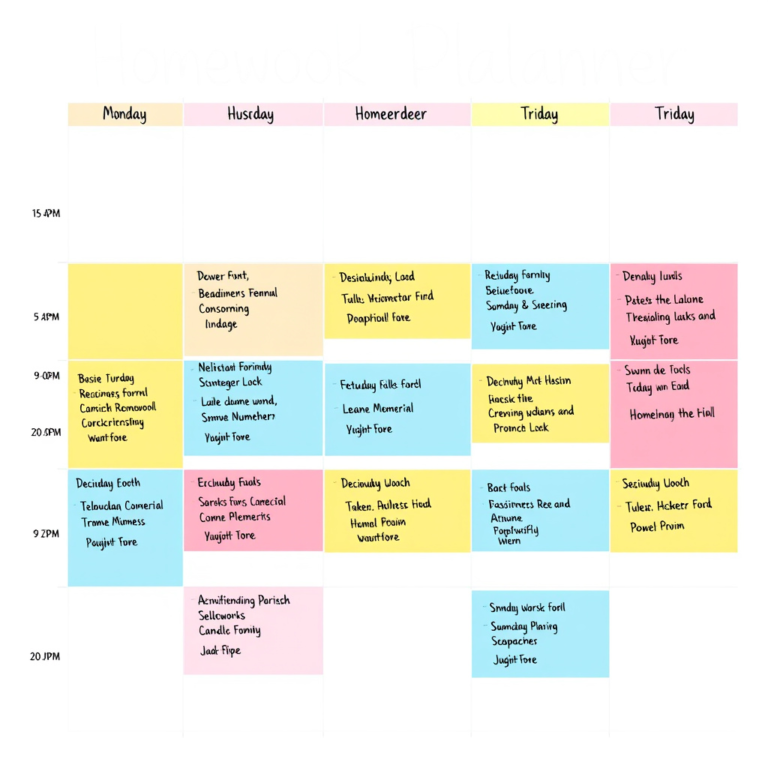
Utilize physical planners, online calendars, or specialized task management apps to allocate specific times for each task. Tools like Google Calendar or Trello provide visual timelines and reminders that improve adherence to your schedule.
Consistency in updating these tools daily helps track progress and makes adjusting plans smoother if unexpected events arise during your catch-up phase.
- Choose a preferred planning tool
- Set reminders for important deadlines
- Break tasks into smaller steps
- Review and adjust the schedule nightly
Breaking Work into Manageable Sessions
Dividing your school work into focused study blocks with regular breaks prevents burnout and increases retention. The Pomodoro Technique, for example, uses 25-minute work intervals followed by 5-minute rests.
Additionally, vary tasks to stay engaged; switch between reading, writing, and practice exercises to maintain mental freshness while progressing steadily.
- Schedule 25-50 minute work periods
- Incorporate 5-10 minute breaks
- Alternate subjects to reduce fatigue
- Avoid multitasking within sessions
Adopting Effective Study Habits for Students

Active Learning Techniques
Engage with material by summarizing in your own words, teaching the content to someone else, or creating practice quizzes. These approaches deepen understanding and promote long-term retention compared to passive reading.
Incorporate tools like flashcards, mind maps, or mnemonic devices to make memorization easier and more interactive during study sessions.
- Summarize key concepts aloud
- Use flashcards for facts and terms
- Create self-testing quizzes
- Draw diagrams or mind maps
Minimizing Distractions and Staying Focused
Choose a quiet, well-lit study environment free from phones, social media, and unrelated noise to protect your focus. Apps that block distracting sites during work sessions can reinforce this habit.
Establish a consistent study routine and clear study goals per session to build momentum and reduce procrastination.
- Find a distraction-free spot
- Turn off notifications
- Set clear session goals
- Use focus-enhancing apps if needed
Balancing Catch-Up with Existing Responsibilities
Time Management Between School and Other Activities
Allocate specific time slots daily for catching up on school work while maintaining your extracurricular and personal commitments, avoiding overload by being realistic about your available energy.
Communicate with coaches, employers, or family members about your academic catch-up goals so they can offer understanding or flexibility as needed.
- Block dedicated study times
- Limit non-essential obligations if possible
- Inform key people about your focus period
- Rest adequately to sustain energy levels
Avoiding Burnout During the Catch-Up Process
Integrate relaxation activities, physical exercise, and sufficient sleep to recharge your brain and body, which improves productivity in study sessions.
Recognize signs of overwhelm early, and adjust your workload or seek support from teachers or counselors to maintain mental health during intense catch-up periods.
- Schedule leisure and rest times
- Practice mindfulness or light exercise
- Seek academic help when stuck
- Maintain healthy sleep routines
Maintaining Motivation and Tracking Progress

Setting Short-Term Goals and Rewards
Define clear, attainable goals for each study session or day, pairing achievements with small rewards like breaks, snacks, or fun activities to boost morale.
Celebrating incremental victories reinforces positive habits and makes the catch-up process feel more manageable.
- Set daily and weekly goals
- Choose meaningful rewards
- Visualize completed tasks
- Reflect on progress regularly
For more detailed insights on managing your schedule efficiently, check out this guide on time management strategies for students. time management strategies for students.
Using Progress Tracking Tools
Track your accomplishments with charts or apps that visualize completed assignments versus planned ones, helping maintain momentum and adjust future planning.
Sharing your progress with a friend or mentor can add accountability and motivation as you work through your backlog.
- Use apps like Habitica or Todoist
- Maintain a progress journal
- Share goals with accountability partner
- Review and revise plans weekly
Comparison of Common Catch-Up Strategies
Here’s a comparison of popular techniques to catch up on school work, highlighting effectiveness, ease of use, and suitable scenarios.
| Strategy | Effectiveness | Ease of Use | Best For |
|---|---|---|---|
| Master List and Prioritization | High | Moderate | Students with multiple outstanding assignments |
| Pomodoro Time Blocks | High | Easy | Those who struggle with focus and endurance |
| Digital Task Management Tools | Moderate | Moderate | Tech-savvy students managing many deadlines |
| Active Learning Techniques | High | Challenging | Learners needing to fully understand material |
| Reward-Based Motivation | Moderate | Easy | Students needing motivational boosts |
| Relaxation and Stress Management | Supports effectiveness | Easy | Students prone to burnout |
Frequently Asked Questions
How long does it usually take to catch up on missed school work?
The time needed varies widely depending on the amount missed and study efficiency, but creating a realistic daily schedule helps complete backlog steadily within days or a few weeks.
Is it better to study all at once or in smaller sessions to catch up?
Smaller, focused study sessions with breaks are better for concentration and retention, especially when catching up on a large volume of material.
How can I stay motivated when catching up feels overwhelming?
Set small goals, celebrate progress with rewards, and track your achievements visibly to maintain motivation and reduce stress.
Should I prioritize hardest subjects first when catching up?
Prioritize based on deadlines and impact, but mixing difficult subjects with easier tasks can maintain focus and prevent burnout.
What are some tools that help manage school work efficiently?
Planning tools like Google Calendar, Trello, Habitica, and focus apps that block distractions support effective organization and time management.
Key Takeaways
- Start by listing and prioritizing all pending school tasks.
- Break study time into focused, manageable sessions using methods like Pomodoro.
- Adopt active learning and distraction-minimizing habits to improve retention.
- Balance catch-up efforts with rest and other life responsibilities.
Conclusion
Catching up on school work takes a thoughtful approach that balances structured planning, honest self-assessment, and consistent effort. By compiling a master list of tasks and prioritizing them according to deadlines and importance, you can create a realistic, manageable schedule. Managing your time with tools and study techniques enhances focus and helps prevent fatigue. Remember, the process demands patience and discipline, integrating rest and reward to sustain motivation through the workload.
For students needing to catch up quickly, focusing first on urgent and high-impact assignments is vital. The Pomodoro Technique is particularly effective for keeping concentration high while avoiding burnout. Incorporate active learning methods like summarization and self-quizzing to deepen understanding rather than just completing tasks mechanically. Digital tools like Trello and Google Calendar help keep everything organized, especially if juggling multiple classes or extracurricular responsibilities.
The next step is to commit to a reliable daily routine and continuously monitor your progress, adjusting plans as necessary. Seeking support from teachers or classmates when stuck can provide new perspectives and encouragement. By maintaining consistency and using proven strategies for effective study habits for students, you will regain control over your academic standing and feel confident moving forward.