How to Reduce Test Anxiety: Practical Strategies for Calm and Confidence
Test anxiety can seriously affect your performance, but there are several practical steps you can take right now to reduce it. Techniques like focused breathing, positive visualization, and organized preparation help calm your mind and improve focus during exams.
Feeling overwhelmed before a test is common because pressure to perform triggers stress responses that interfere with thinking. Understanding how test anxiety works and adopting stress management strategies can change your experience and lead to better results.
This article explores effective ways to reduce test anxiety, including mental techniques, study habits, lifestyle adjustments, and what to do on exam day. With the right approach, you can face tests with greater calm and confidence.
Understanding Test Anxiety and Its Effects

What is Test Anxiety?
Test anxiety is a type of performance anxiety characterized by nervousness and fear before or during an exam. It results from a combination of pressure, self-doubt, and physical reactions like a racing heart or sweating.
This anxiety activates the body's stress response, which can impair memory recall and concentration, making it harder to demonstrate what you know even if you are well prepared.
Signs and Symptoms of Test Anxiety
Common symptoms include sweating, nausea, rapid heartbeat, dry mouth, or blackout moments. Emotionally, students may feel overwhelmed, panicked, or have negative thoughts about their ability.
Recognizing these signs early helps in taking steps to manage anxiety before it escalates and disrupts performance.
- Physical symptoms: sweating, nausea, shaking
- Cognitive symptoms: blanking out, negative thoughts
- Emotional symptoms: fear, panic, irritability
Effective Study Habits to Reduce Test Anxiety
Creating a Consistent Study Schedule
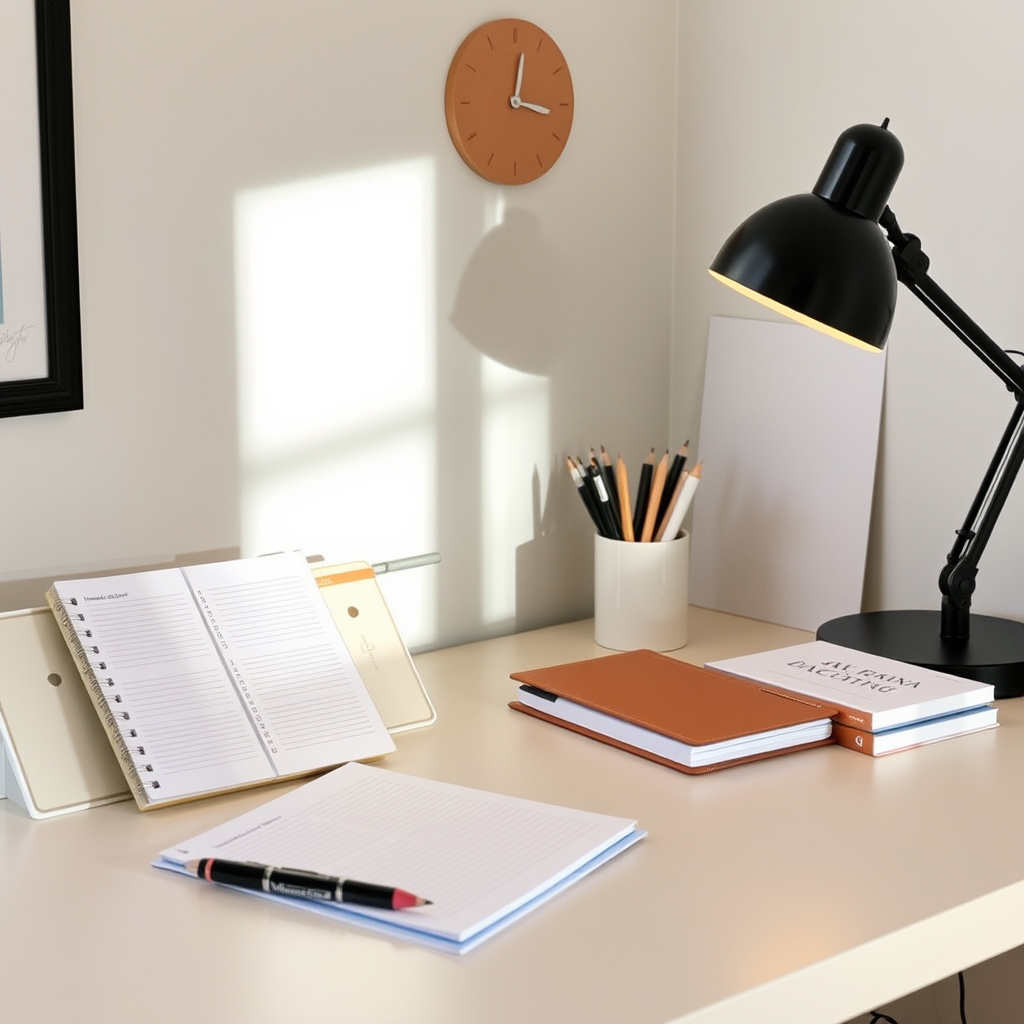
Establishing a regular study routine reduces last-minute cramming, which often triggers anxiety. Breaking material into smaller chunks and planning study sessions over weeks allows for better understanding and confidence.
Use planners or digital calendars to mark deadlines and review times. Consistency helps build familiarity with content and reduces the uncertainty that fuels test anxiety.
- Set daily study goals
- Use time blocks for focused sessions
- Include regular review periods
Active Learning Techniques
Engage actively with material through summarizing, self-quizzing, and teaching the content to others. These methods improve retention and reduce feelings of unpreparedness.
Practice under simulated exam conditions helps increase comfort with the format and timing, directly decreasing anxiety during the real test.
- Summarize notes in your own words
- Create flashcards for key concepts
- Time yourself on practice questions
Mental and Physical Techniques to Reduce Test Anxiety
Breathing and Relaxation Exercises
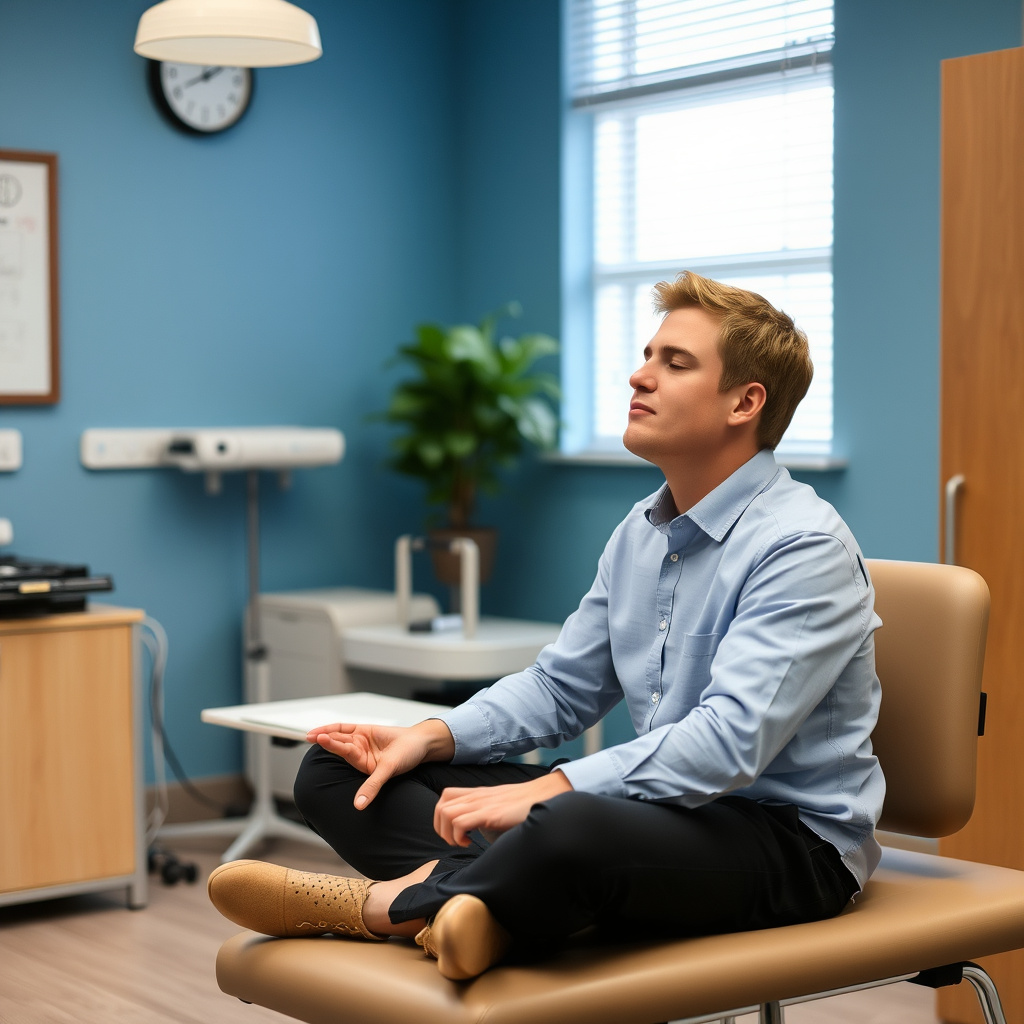
Controlled breathing techniques, such as diaphragmatic breathing, slow your heart rate and relax muscles. Even a few minutes can reduce tension and clear the mind.
Incorporate visualization or progressive muscle relaxation before and during the exam to maintain calm.
- 4-7-8 breathing method
- Progressive muscle relaxation sequence
- Visualization of a calm place
For more on this, see our related guide: How to Choose the Best Test Preparation Tutor in Doral FL for Effective Results.
Mindfulness and Positive Self-Talk
Mindfulness encourages staying present instead of worrying about possible failure. It helps break the cycle of anxious thoughts.
Replace negative thoughts with affirmations like “I have prepared well” or “I can handle this test.” This shifts the mindset from fear to confidence.
- Practice daily mindfulness meditation
- Use positive affirmations
- Focus on task, not outcome
Lifestyle Choices That Influence Test Anxiety

Nutrition and Hydration
Eating balanced meals rich in whole grains, protein, and vegetables supports brain function and energy levels. Avoid excessive caffeine and sugar, which can worsen anxiety symptoms.
Adequate hydration is essential to prevent headaches and fatigue that impair concentration during exams.
- Eat a nutritious breakfast
- Drink plenty of water
- Limit stimulants before the test
Exercise and Sleep
Regular physical activity reduces stress hormones and improves mood, which lowers overall anxiety. Even light exercise like walking can help.
Getting 7-9 hours of quality sleep before the test consolidates memory and increases focus. Avoid all-nighters as they impair cognitive function.
- Engage in daily moderate exercise
- Prioritize consistent sleep schedules
- Avoid screens before bedtime
Test Day Strategies to Reduce Anxiety

Preparation and Arrival
Prepare all materials needed the night before, including pens, ID, and calculator to avoid last-minute panic.
Arrive early to get comfortable with the exam environment and take a moment to breathe before starting.
- Pack exam essentials beforehand
- Plan arrival time with margin
- Do light stretching upon arrival
For more on this, see our related guide: How to Choose a Tutor for Struggling Students: A Practical Guide.
During the Exam: Managing Anxiety in the Moment
If anxiety spikes during the test, pause briefly and perform a few deep breaths. Focus on the question at hand rather than the overall test.
Start with questions you know well to build confidence and gradually move to harder problems.
- Pause to breathe deeply if stressed
- Answer easy questions first
- Avoid dwelling on difficult questions
When to Seek Professional Help for Test Anxiety

Recognizing When Anxiety is Disabling
If test anxiety causes extreme panic attacks or consistently leads to poor grades despite preparation, professional support may be needed.
Identifying persistent symptoms that affect daily life helps understand the need for counseling or therapy.
- Frequent panic attacks
- Avoidance of tests
- Severe physical symptoms
For more detailed information about test anxiety and its effects, you can visit the test anxiety information on Wikipedia. test anxiety information on Wikipedia.
Types of Professional Support Available
Cognitive behavioral therapy (CBT) is effective in reframing negative thoughts related to exams.
Educational counselors can provide test-taking strategies and accommodations, while medication might be considered in some cases under medical supervision.
- Cognitive behavioral therapy
- School counseling services
- Possible medication management
Comparison of Common Ways to Manage Exam Stress
This table summarizes various methods to help manage exam stress, highlighting their benefits, ease of use, and typical effectiveness.
| Method | Benefits | Ease of Use | Effectiveness Level |
|---|---|---|---|
| Breathing Exercises | Quick calming effect | Easy | High |
| Study Scheduling | Improved preparedness | Moderate | High |
| Mindfulness Meditation | Reduces anxious thoughts | Requires practice | Moderate |
| Physical Exercise | Lowers stress hormones | Easy to Moderate | Moderate |
| Professional Therapy | Long-term anxiety management | Requires commitment | High |
Frequently Asked Questions
Can test anxiety cause physical symptoms?
Yes, test anxiety often triggers physical symptoms such as sweating, nausea, rapid heartbeat, and muscle tension, which can interfere with exam performance.
How can study habits reduce test anxiety?
Organizing study time and engaging actively with material reduces feeling unprepared, which lowers stress and increases confidence during tests.
Is caffeine recommended before exams to stay alert?
Moderate caffeine might enhance alertness, but excessive intake can increase anxiety symptoms and cause jitteriness, so it should be consumed carefully.
What should I do if I blank out during an exam?
Pause, take deep breaths, and move on to another question. Returning to the difficult problem later can help restore focus without overwhelming anxiety.
When should I consider seeking professional help for test anxiety?
If anxiety causes frequent panic or seriously disrupts your ability to take tests despite using self-help techniques, consulting a mental health professional is advisable.
Key Takeaways
- Test anxiety affects mental and physical functions, impacting performance.
- Consistent study routines and active learning reduce anxiety significantly.
- Breathing exercises and mindfulness provide immediate stress relief.
- Healthy lifestyle choices support better focus and emotional balance.
Conclusion
Reducing test anxiety requires a well-rounded approach that combines mental, physical, and practical strategies. Understanding your anxiety and how it manifests helps identify the best methods to manage it. Whether through breathing techniques, structured study habits, or lifestyle adaptations, taking deliberate steps can transform how you handle exams and reduce stress effectively.
For those who want to improve gradually, developing a consistent study schedule paired with active learning practices can build strong confidence. On the other hand, if anxiety frequently overwhelms you, techniques like mindfulness or seeking support from counselors might provide relief. Incorporating regular exercise and maintaining good nutrition also complements these efforts by keeping the body and mind balanced during preparation.
Ultimately, knowing how to reduce test anxiety enables you to approach exams with a calmer mindset and clearer focus. Start by applying a few strategies from this guide and observe their impact. If needed, don't hesitate to explore professional help to address stronger anxiety. The goal is to create an environment where your knowledge can shine through, free from fear or distraction.