How to Understand Fractions: A Clear Guide for Learners
Understanding fractions starts with recognizing that a fraction represents a part of a whole, shown as one number over another. The top number, called the numerator, tells how many parts are taken, while the bottom number, the denominator, indicates the total parts that make up the whole. This simple concept forms the foundation for working with fractions in math.
Grasping fractions matters because they appear in everyday life—from measuring ingredients while cooking to interpreting data or dividing objects evenly. Developing a strong comfort level with fractions allows you to handle these situations confidently and paves the way for mastering more advanced math topics like ratios, proportions, and algebra.
This article will explain the basic fraction concepts, including how to read, compare, and manipulate fractions. We will also cover types of fractions, ways to convert them, and practical tips to understand fractions better. By the end, you'll have clear strategies to approach fractions effectively.
Understanding the Basics of Fractions
What is a Fraction?
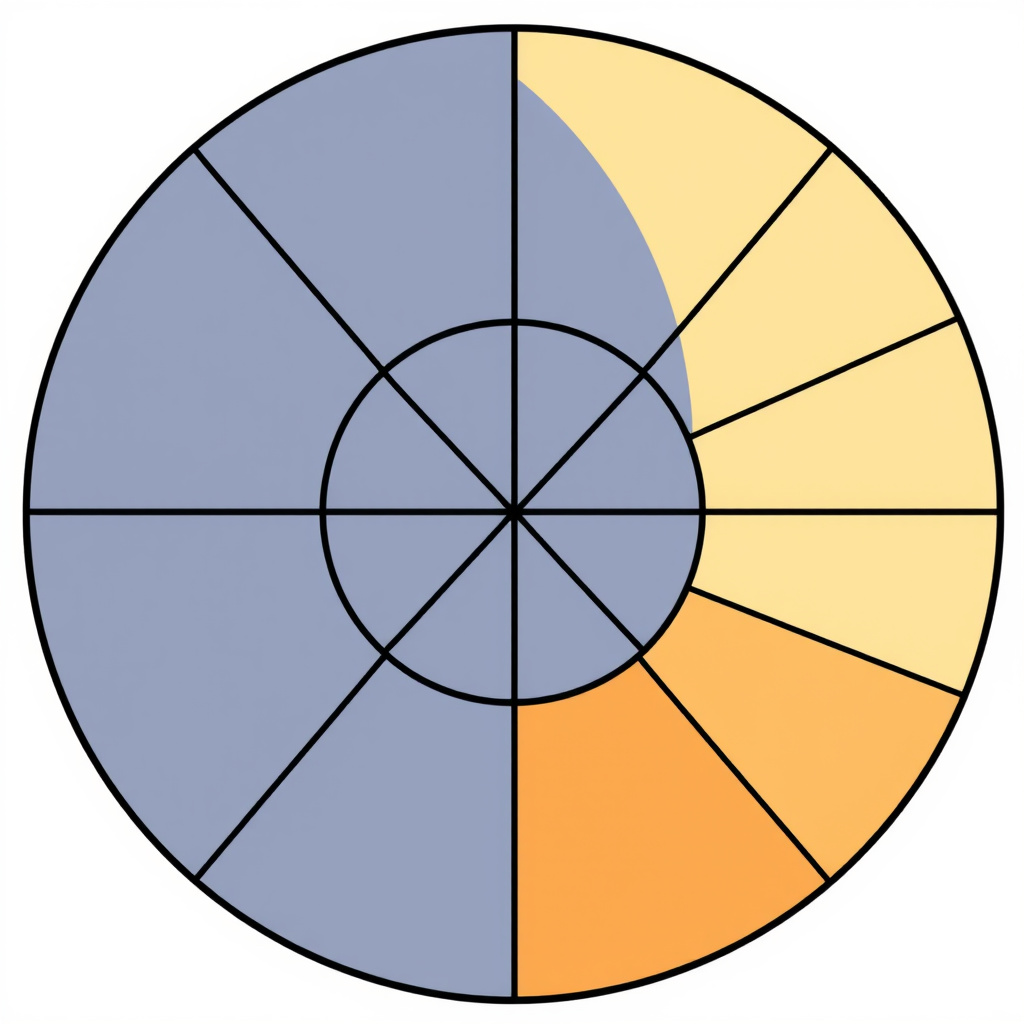
A fraction represents a part of a whole quantity, expressed as a numerator over a denominator. The numerator counts the parts considered, while the denominator shows the total number of equal parts that compose the whole object or set.
For example, 3/4 means three parts out of four equal parts. This concept applies to shapes, quantities, or any divisible unit, making fractions a versatile way to describe partial amounts.
Types of Fractions
Fractions come in several forms: proper fractions where the numerator is less than the denominator (like 2/5), improper fractions where the numerator exceeds the denominator (like 7/4), and mixed numbers combining a whole number with a fraction (like 1 3/4).
Each type behaves differently in calculations. Proper fractions are always less than one, improper fractions represent values equal to or greater than one, and mixed numbers combine whole and part values.
- Proper fractions
- Improper fractions
- Mixed numbers
Reading and Writing Fractions Correctly
How to Read Fractions
Reading fractions aloud involves naming the numerator followed by the denominator’s appropriate form: for denominators 2, 3, 4 say halves, thirds, fourths; for others use ordinal numbers like fifths, sixths, and so on.
For example, 5/8 is read as 'five-eighths,' and 1/2 as 'one-half.' Mixed numbers combine the whole number with the fraction read last, such as 'two and three-fifths.'
Writing Fractions in Different Ways
Fractions can be written in fractional notation (numerator over denominator), as mixed numbers, or converted to decimal and percentage forms depending on the context.
Being fluent in switching between these formats helps with understanding and communication, especially in real-world scenarios like shopping discounts or cooking recipes.
Performing Basic Operations with Fractions
Adding and Subtracting Fractions
To add or subtract fractions, their denominators must be the same. If denominators differ, find the least common denominator (LCD), convert each fraction accordingly, then operate on the numerators.
For example, to add 1/4 and 1/6, convert both to twelfths: 3/12 + 2/12 = 5/12.
- Find LCD for different denominators
- Convert fractions
- Add/subtract numerators
- Keep denominator unchanged
For more on this, see our related guide: How to Choose an Elementary Math Tutor in Doral FL for Your Child’s Success.
Multiplying and Dividing Fractions
Multiplying fractions involves multiplying numerator by numerator and denominator by denominator directly. For division, multiply the first fraction by the reciprocal of the second.
For instance, multiplying 2/3 by 4/5 gives (2×4)/(3×5) = 8/15. To divide 2/3 by 4/5, multiply 2/3 by 5/4 to get 10/12, which simplifies to 5/6.
- Multiply numerators and denominators
- Use reciprocal for division
- Simplify results if possible
Comparing and Simplifying Fractions
How to Compare Fractions
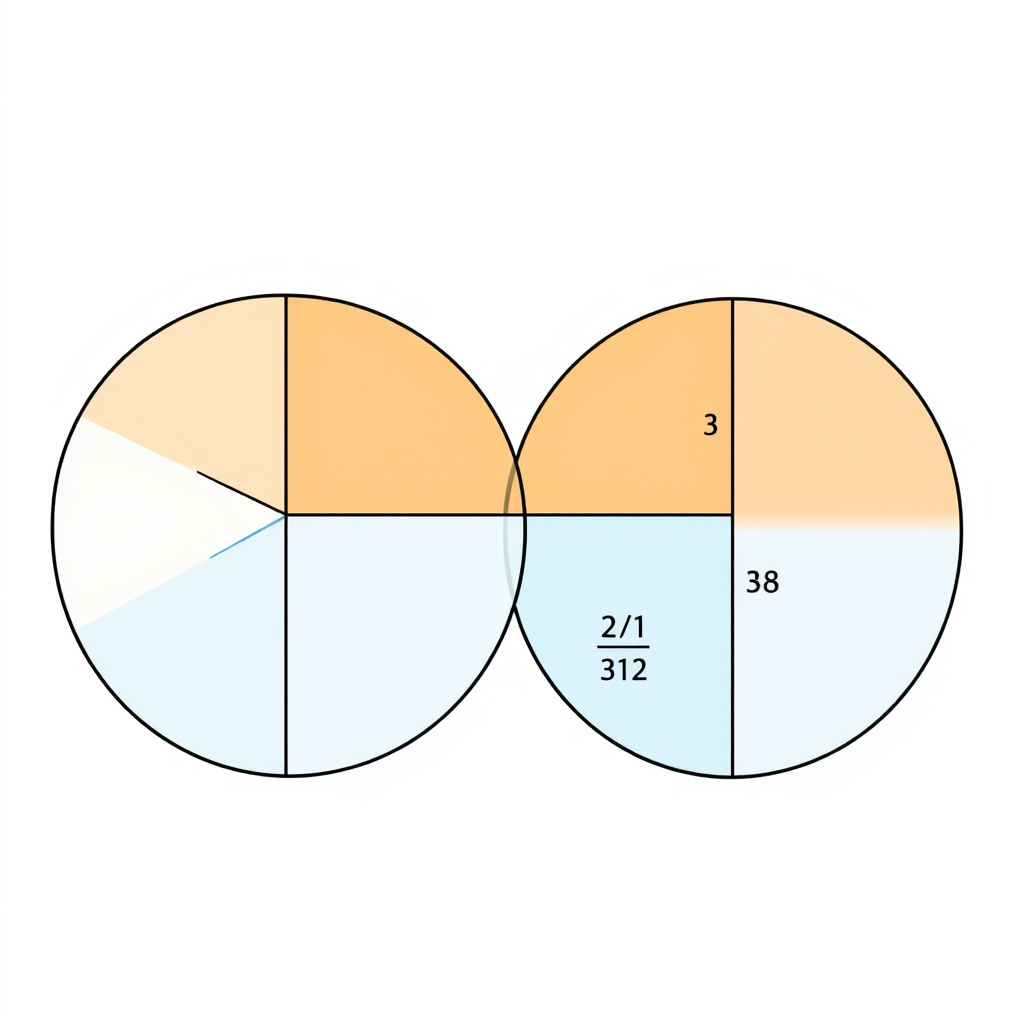
Comparing fractions is easier when they share the same denominator: the larger numerator indicates the larger fraction. If denominators differ, convert to a common denominator or compare decimal equivalents.
For example, 3/4 is greater than 2/5 because converting 2/5 to eighths (3.2/8) shows 3/4 equals 6/8, which is larger.
Simplifying Fractions
Simplifying reduces fractions to their lowest terms by dividing numerator and denominator by their greatest common divisor (GCD). This makes fractions easier to work with and compare.
For example, 8/12 simplifies to 2/3 by dividing both numbers by 4, their GCD.
- Find the GCD
- Divide numerator and denominator by GCD
- Express fraction in simplest form
Converting Fractions to Decimals and Percentages
Converting Fractions to Decimals
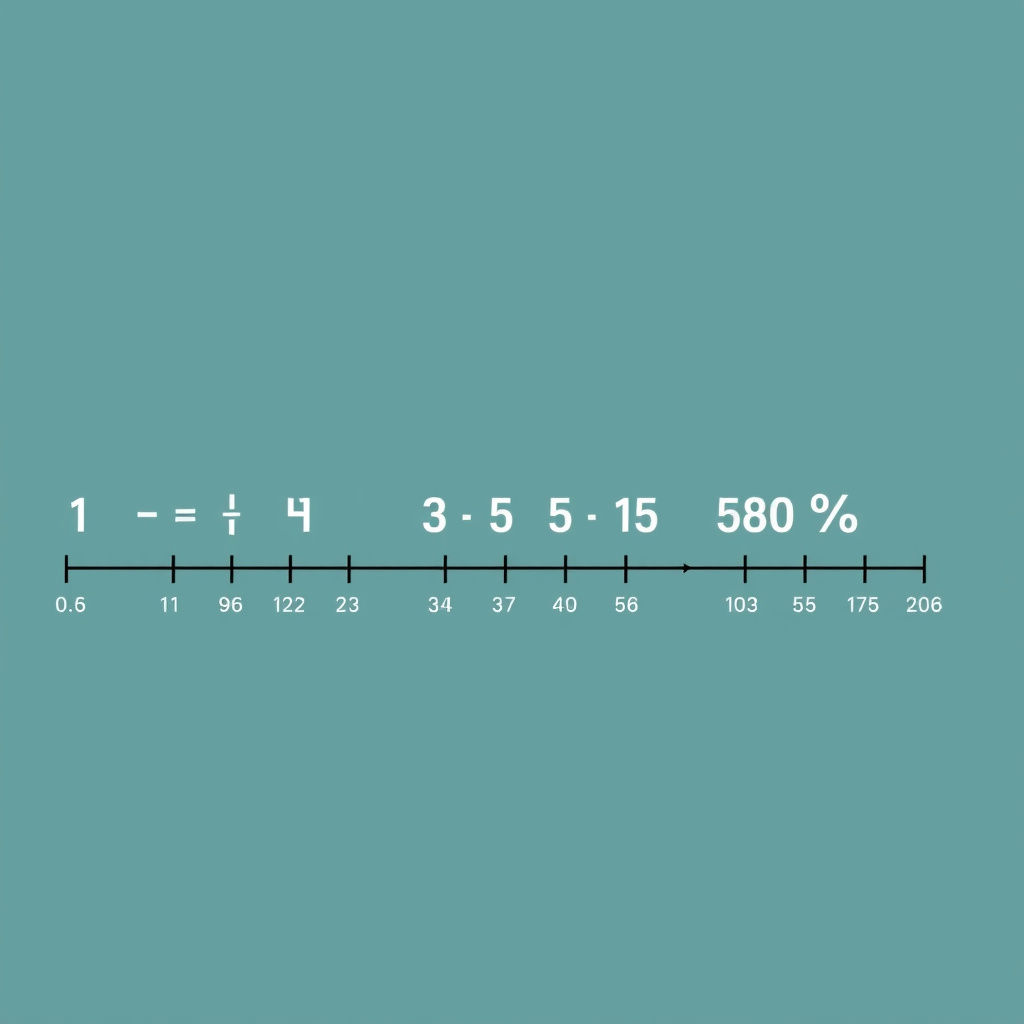
To convert a fraction to a decimal, divide the numerator by the denominator using a calculator or long division. Decimals help compare fractional values easily and are common in measurements.
For example, 3/4 equals 0.75 in decimal form.
Converting Fractions to Percentages
Convert decimals to percentages by multiplying by 100 and adding the percent symbol. This is helpful in understanding proportions in everyday contexts like discounts and probabilities.
For instance, 0.75 corresponds to 75%, which means 75 parts out of 100.
Practical Tips to Understand Fractions Better
Using Visual Models
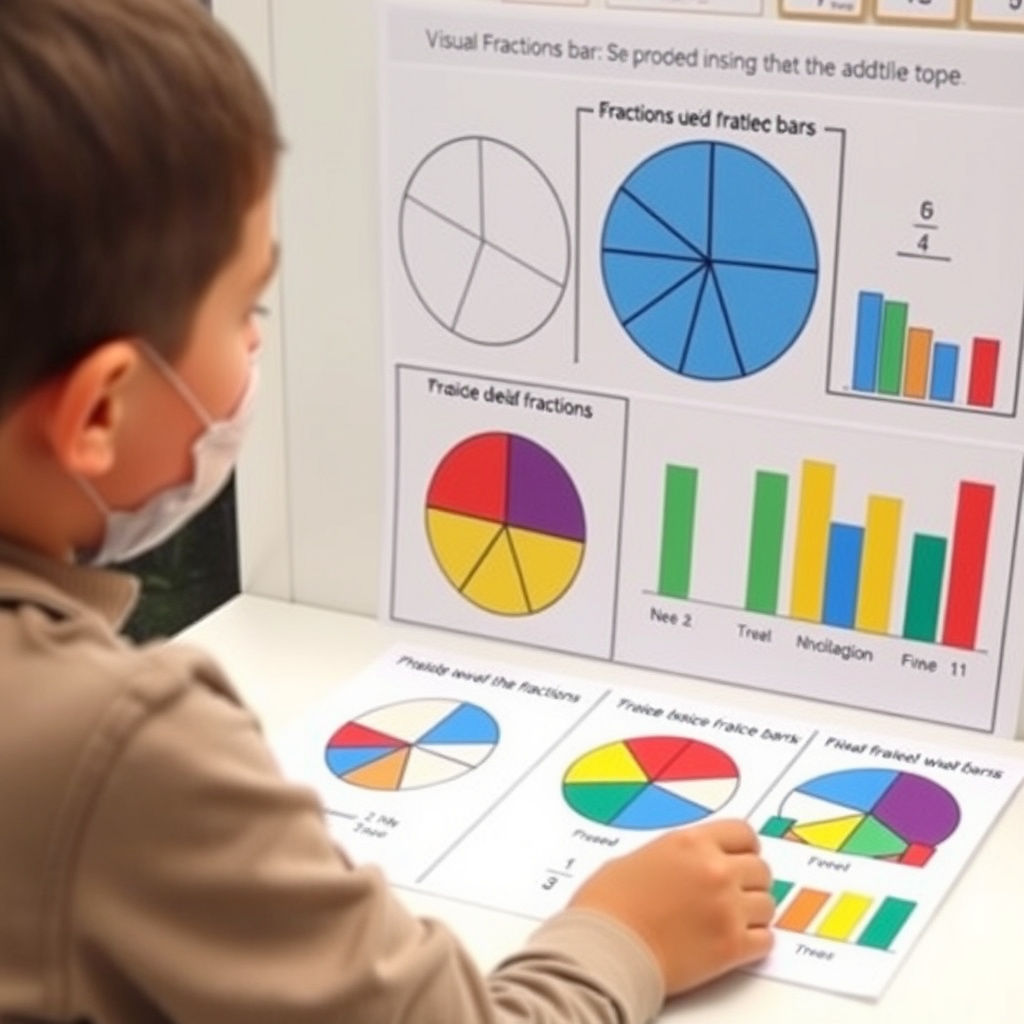
Visual aids such as pie charts, fraction bars, and number lines help internalize how fractions represent parts of a whole. Seeing fractions in picture form makes abstract concepts more concrete and easier to grasp.
These visuals assist in comparing sizes, performing operations, and understanding equivalent fractions quickly.
For a detailed explanation and history, visit this comprehensive resource on the fraction concept. Fraction concept details.
Applying Fractions in Real Life
Practical experience with fractions in cooking, budgeting, or measuring helps solidify knowledge. Regular practice in relatable contexts builds intuition and confidence with fractions beyond textbooks.
Trying tasks like doubling a recipe or dividing a pizza makes fractions less intimidating and more relevant.
Fraction Types and Their Uses Comparison
Here’s a comparison of common fraction types highlighting when and how they are used.
| Fraction Type | Example | Value Range | Common Uses |
|---|---|---|---|
| Proper Fractions | 3/5 | Less than 1 | Basic parts of a whole in measurements |
| Improper Fractions | 7/4 | Equal to or greater than 1 | Advanced math operations, converting to mixed numbers |
| Mixed Numbers | 2 1/2 | Greater than 1 | Everyday use in recipes and measurements |
| Equivalent Fractions | 1/2 = 2/4 | Equals same value | Simplifying and comparing fractions |
| Decimal Fractions | 0.75 | Between 0 and 1 | Digital calculations and percentage conversions |
Frequently Asked Questions
Why is the denominator important in a fraction?
The denominator shows how many equal parts the whole is divided into, defining the size of each part and giving context to the numerator.
How can I quickly simplify a fraction?
Find the greatest common divisor (GCD) of numerator and denominator, then divide both by that number to reduce the fraction to simplest form.
What’s the difference between an improper fraction and a mixed number?
An improper fraction has a numerator larger than the denominator, representing values ≥ 1; a mixed number combines a whole number with a proper fraction.
Are all fractions less than one?
No, proper fractions are less than one, but improper fractions and mixed numbers represent values equal to or greater than one.
How do I convert a fraction to a percentage?
First convert the fraction to a decimal by dividing numerator by denominator, then multiply by 100 to get the percentage value.
Key Takeaways
- Fractions express parts of a whole using numerators and denominators.
- Types include proper, improper, and mixed numbers each with distinct uses.
- Operations require common denominators or reciprocals depending on the task.
- Visual models and real-life practice improve understanding of fractions.
Conclusion
To understand fractions, focus on their key parts—the numerator and the denominator—and remember that they represent parts of a whole. Learning to recognize different types of fractions and how to read and write them lays the groundwork for confidently handling various math problems. Consistent practice with fraction operations, comparisons, and simplifications builds a strong foundation for more advanced math.
Choosing the right approach depends on what you need: if you want to visualize fractions easily, use proper fractions and mixed numbers with visual aids like pie charts or fraction bars. For calculations or comparing values, converting fractions to decimals or percentages may be simpler. Remember that mastering basic fraction concepts allows smooth progress to topics including ratios, proportions, and even algebra.
Start by practicing operations and conversions with basic fraction concepts daily, and complement your work with visual tools or real-world examples like cooking. Over time, fractions will become less abstract, making handling any math problem easier. Embracing fractions as parts of daily life rather than a purely academic challenge can transform your understanding for good.