How to Create a Learning Routine That Actually Works
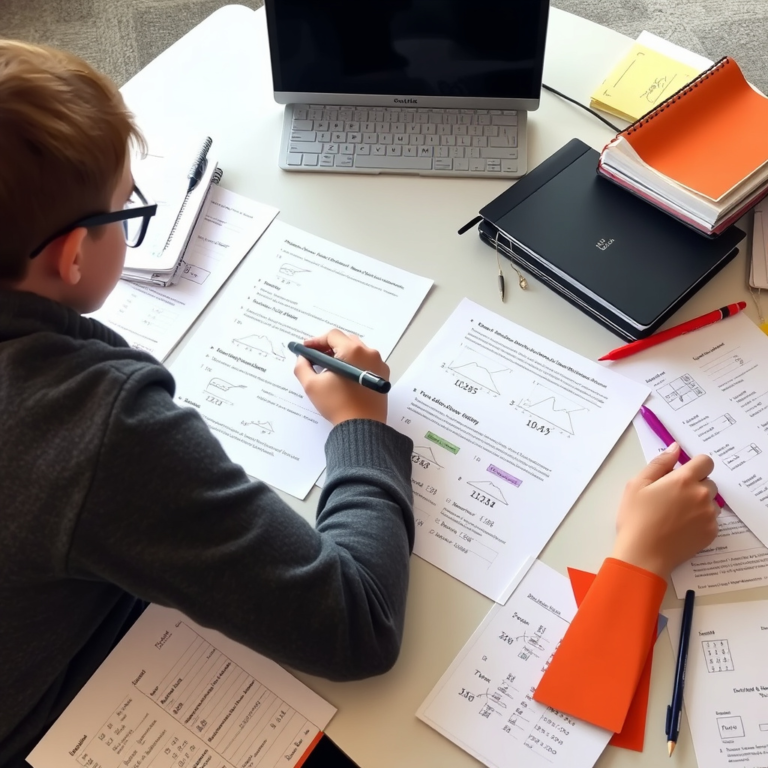
Creating a learning routine starts with setting consistent times and clear goals for studying to build a habit that sticks. Begin by identifying your peak focus hours and dedicating specific blocks during those times for learning activities. Integrate short breaks to maintain concentration and review previously covered material regularly to reinforce retention. By doing this, you create a structure that supports steady progress and minimizes procrastination.
A well-designed learning routine matters because it transforms scattered efforts into organized, purposeful study sessions that yield better results. Without structure, it's easy to get overwhelmed or lose motivation, making it harder to absorb new information. A routine serves as a roadmap, helping you track progress, avoid burnout, and develop discipline over time. This approach benefits all learners, from students to professionals seeking continuous improvement.
This article will explore essential steps to build a learning routine, including time management, goal setting, environment setup, and review techniques. We'll also cover how to adjust your routine when needed, tools that can assist, and common pitfalls to avoid. Whether you’re looking to learn a new skill or prepare for exams, these guidelines provide a practical framework to enhance your learning journey.
Choosing the Right Time and Duration for Your Learning Routine

Identifying Your Peak Focus Periods
Most people have times during the day when they are most alert and focused. Pinpointing these periods helps you plan learning sessions when you can absorb information better. Some may find morning hours productive, while others thrive in the evening after daily tasks wind down.
Experiment by tracking your energy and concentration levels for a week to discover your personal peak periods. Once identified, prioritize scheduling learning activities during these windows to maximize efficiency.
- Track your focus levels hourly for 7 days
- Note times with minimal distractions
- Choose consistent slots within your peak periods
Determining Ideal Study Session Lengths
The optimal duration for a learning session balances focus and fatigue. Research suggests that studying in 25- to 50-minute intervals, interrupted by short breaks, supports better retention and reduces burnout.
Use techniques like the Pomodoro method to structure your sessions: 25 minutes of focused study followed by a 5-minute break, repeated multiple times. Longer sessions may work for some, but frequent breaks prevent mental fatigue.
- Try 25-50 minute study blocks
- Include 5-10 minute breaks
- Adjust based on personal endurance
Setting Clear Goals and Priorities for Each Session

Defining Specific Learning Objectives
Before each session, establish what you want to achieve—whether it's mastering a concept, completing exercises, or summarizing notes. Clear goals keep your study time focused and purposeful.
Avoid vague aims like 'study math'; instead, specify targets like 'solve quadratic equations' or 'memorize formula sheets.' Writing these down helps reinforce commitment and track your progress.
- Set measurable and achievable objectives
- Break down complex topics into smaller tasks
- Review and adjust goals regularly
Prioritizing Learning Tasks Based on Importance
Not all study tasks carry equal weight. Focus on high-impact activities first, such as challenging topics or subjects crucial for upcoming exams. This helps allocate your best focus time to areas that matter most.
Use tools like the Eisenhower Matrix to classify tasks by urgency and importance, ensuring your routine targets priorities efficiently without wasting effort.
- Identify urgent vs. important tasks
- Tackle difficult subjects early in sessions
- Reserve easier or review items for later
Creating a Productive Study Environment
Minimizing Distractions Around Your Study Area
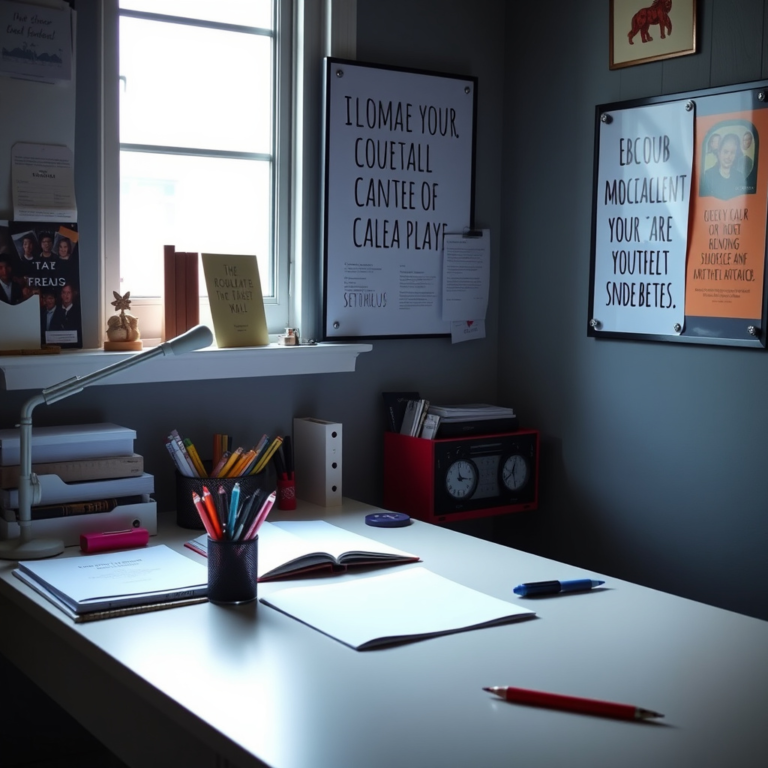
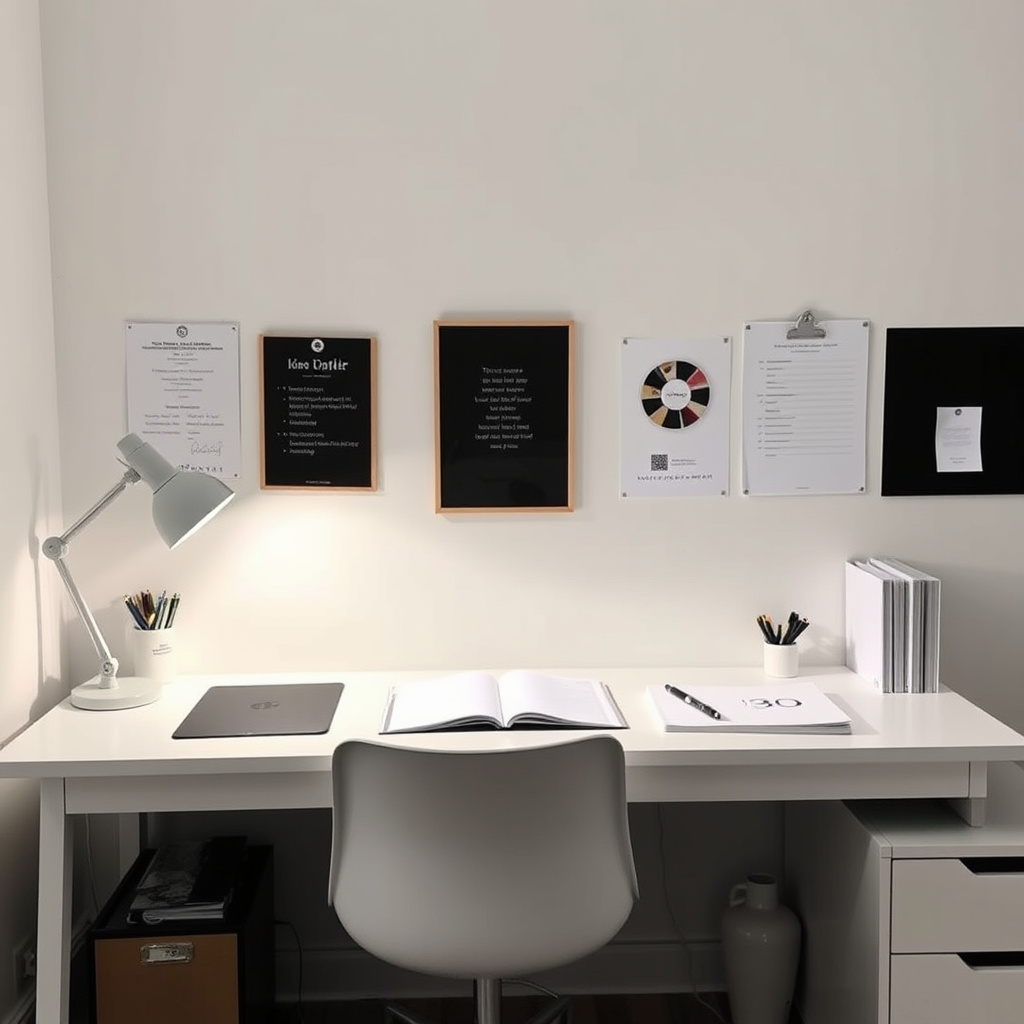
Distractions derail concentration and fragment study flow. Choose a quiet, comfortable location where interruptions are minimal. Keep phones on silent or in another room unless needed for learning apps.
Use noise-cancelling headphones or ambient sound apps to block background noise. Clear your workspace of unrelated items to avoid visual clutter that can divert attention.
- Select a dedicated study zone
- Limit phone and social media use
- Organize materials before starting
For more on this, see our related guide: How to Find Effective One on One Tutoring in Doral FL.
Optimizing Lighting and Posture for Longer Sessions
Proper lighting reduces eye strain, improving focus and endurance. Natural light is best; if unavailable, use bright but soft artificial lighting positioned to avoid glare or shadows.
Maintain good posture with an ergonomic chair and desk setup to prevent discomfort. Small adjustments like monitor height and seat support can make longer learning periods sustainable.
- Use natural or quality artificial lighting
- Adjust chair and desk for comfort
- Take stretch breaks to reduce stiffness
Incorporating Review and Reflection into Your Learning Routine

Scheduling Regular Review Sessions
Repetition solidifies memory and understanding. Integrate periodic reviews of past material into your routine—daily, weekly, or monthly depending on content complexity.
Spaced repetition techniques help retain information effectively by increasing intervals between reviews as familiarity grows. This approach turns short-term gains into long-term knowledge.
- Plan reviews after initial study sessions
- Use spaced repetition apps or flashcards
- Adjust frequency based on retention
Reflecting on Progress and Adjusting Your Plan
Reflection helps identify what works and where improvements are needed. After each week, evaluate which techniques improved understanding and which caused frustration.
Adjust your routine accordingly—alter session lengths, change goals, or modify your environment. Staying flexible enhances motivation and continuous improvement.
- Keep a learning journal or log
- Note successes and challenges
- Modify goals and schedules as needed
Using Tools and Techniques to Support Your Learning Routine

Leveraging Technology for Scheduling and Tracking
Digital calendars, task managers, and reminder apps help structure your routine and keep you accountable. Setting alerts prevents missed sessions, and visual schedules promote consistency.
Use apps like Google Calendar, Todoist, or Notion to organize tasks and monitor progress. Many tools offer analytics to track study time and productivity trends.
- Use calendar apps for scheduling
- Set reminders for study blocks
- Track time spent on tasks
For more on this, see our related guide: Effective Homework Help Tips for Students in Doral FL.
Applying Effective Study Techniques Within Your Routine
Techniques like active recall, summarization, and mind mapping enhance understanding when incorporated regularly. These methods engage your brain beyond passive reading, improving retention.
Mix different styles depending on the subject and your learning preferences. For example, use flashcards for vocabulary and diagrams for complex concepts.
- Practice active recall frequently
- Summarize key points after sessions
- Use visuals to organize information
Adjusting Your Learning Routine Over Time

Recognizing When to Change Your Routine
If motivation wanes or results plateau, it may be time to rethink your approach. Signs include persistent fatigue, boredom, or missed sessions. Identifying these early helps prevent burnout.
Stay attentive to life changes like new commitments or stressors that affect study time. Flexibility allows your routine to evolve with your needs rather than becoming a rigid burden.
- Watch for declining motivation
- Note slipping consistency
- Respond proactively to challenges
For further insights into different learning methods and how routines impact retention, explore learning strategies on Wikipedia. learning strategies on Wikipedia.
Incorporating Feedback and New Learning Opportunities
Seek feedback from teachers, peers, or self-assessments to gauge effectiveness. Incorporate new resources or study methods that may better suit your evolving goals.
Continuously updating your routine with fresh material or approaches maintains engagement and growth, reflecting how learning is a dynamic process.
- Solicit input on progress
- Explore new study tools
- Adapt routine based on feedback
Types of Learning Routines Compared
Here's a comparison of common learning routine types based on structure, flexibility, and ideal users.
| Routine Type | Structure Level | Flexibility | Best For |
|---|---|---|---|
| Fixed Schedule | High | Low | Highly disciplined learners |
| Flexible Blocks | Medium | Medium | Busy professionals |
| Task-Oriented | Medium | Medium | Project-based learners |
| Adaptive Routine | Low | High | Creative or varied schedules |
| Pomodoro-Based | Medium | Medium | Those needing frequent breaks |
Frequently Asked Questions
How long should each learning session ideally last?
Effective learning sessions typically last between 25 and 50 minutes with short breaks to maintain focus and prevent fatigue.
Is it better to study at the same time every day?
Studying at consistent times strengthens habit formation, but aligning sessions with your personal peak focus periods is more beneficial.
How often should I review material to remember it well?
Spaced repetition with reviews scheduled days or weeks apart improves long-term memory retention effectively.
What are some tools that can help maintain a learning routine?
Digital calendars, task management apps, flashcard software, and note-taking tools can organize and track your study plan.
Can I adjust my learning routine if my schedule changes?
Yes, flexibility in your routine is important to accommodate life changes and keep your study habits sustainable.
Key Takeaways
- Schedule learning sessions during your peak focus times.
- Set clear, specific goals for every study period.
- Create a distraction-free and ergonomic study environment.
- Use tools and review strategies to reinforce learning.
Conclusion
Crafting an effective learning routine begins with honest self-assessment of your daily rhythms and study habits. By aligning your sessions with moments of high alertness, defining precise goals, and constructing an environment conducive to focus, you can transform sporadic efforts into steady advancement. This approach relies on balancing consistency with flexibility to keep motivation high and deter burnout. Multiple techniques and support tools also play roles in building a personalized system that fits your unique learning needs.
Different learning routines suit different lifestyles and personalities. For learners who thrive on predictability, a fixed schedule ensures discipline, while those with unpredictable days may prefer flexible blocks or adaptive routines. Methods like the Pomodoro technique offer structured intervals that handle attention spans effectively, making them ideal for many users. Incorporating effective study habits, such as active recall and spaced repetition, within your routine amplifies learning efficiency. Adjusting your plan as you go keeps it relevant and practical.
Starting involves simple steps: pick your best time, clear your workspace, and set an achievable goal for your next session. Gradually introduce review periods and experiment with study techniques to find what works best. Use readily available tools to track progress and hold yourself accountable. Remember, consistency trumps intensity; small, regular steps compound into meaningful knowledge gains over time. With some patience and mindful tweaks, you’ll have a learning routine that serves your goals well.