How to Improve Algebra Skills: Practical Strategies for Faster Mastery
Improving algebra skills begins with consistent practice and understanding core concepts like variables, equations, and functions. Engage actively with problems, review mistakes carefully, and build a strong foundation by mastering each step logically. This hands-on approach helps clarify abstract concepts and develops problem-solving intuition quickly.
Algebra forms the backbone of many mathematical disciplines and is essential for subjects like calculus and statistics. Strengthening these skills not only boosts academic performance but also enhances logical thinking and analytical abilities valuable in real-world problem solving and STEM careers.
This article will cover practical strategies such as effective study habits, targeted exercises, resource recommendations, and common pitfalls to avoid. Whether you're a student needing a boost or a lifelong learner seeking to refresh your skills, these methods will guide you toward algebra mastery.
Understanding Key Algebra Concepts

Mastering Variables and Expressions
Variables are the basic building blocks of algebra used to represent unknown values. Developing familiarity with how variables interact in expressions is critical. Practice simplifying algebraic expressions and combining like terms to build confidence before moving to solving equations.
By manipulating expressions regularly, you start recognizing patterns that make complex problems manageable. Focus on understanding operations with variables such as addition, subtraction, multiplication, and division within expressions.
Building Equation-Solving Skills
Equations are statements of equality containing variables, and learning to solve them is central to algebra. Begin with linear equations and progress gradually to quadratic and systems of equations, making sure you understand each method.
Work on isolating variables through inverse operations like adding the opposite or multiplying by reciprocals. This solidifies your grasp of balancing both sides of an equation and prepares you for more advanced algebraic challenges.
Effective Study Techniques for Algebra

Using Algebra Practice Methods
Regular practice using diverse algebra problems improves your skills steadily. This includes timed drills, worksheets, and interactive online exercises that provide instant feedback.
Practice methods like spaced repetition, where you revisit topics after intervals, strengthen memory retention. Solving problems repeatedly allows you to spot mistakes and correct misconceptions early.
- Practice daily for short sessions
- Use flashcards for formulas and definitions
- Mix problem types to avoid monotony
Leveraging Study Groups and Tutorials
Collaborating in study groups can expose you to alternative solution approaches and clarify confusing concepts through discussion. Peer teaching also reinforces your understanding.
Additionally, online tutorials and video lessons offer visual and step-by-step explanations that cater to different learning styles, making abstract ideas more tangible.
Utilizing Resources to Enhance Algebra Skills

Choosing the Right Algebra Textbooks and Apps
Select textbooks known for clear explanations and abundant practice problems graded by difficulty. Many contemporary algebra books also include real-world applications to make concepts relatable.
Algebra apps provide interactive problem-solving experiences with immediate feedback, hints, and tutorials. Look for apps with adaptive learning systems that adjust difficulty based on your progress.
- Popular textbooks include 'Algebra for College Students' and 'Elementary Algebra'
- Apps like Khan Academy and Photomath offer useful practice tools
For more on this, see our related guide: How to Get Effective Math Homework Help Fast and Easily.
Online Forums and Help Centers
Sites like Stack Exchange and Reddit have active math communities where you can ask questions and read detailed explanations. These forums offer diverse perspectives on challenging algebra problems.
Many educational websites also provide free printable worksheets, quizzes, and step-by-step guides tailored for different skill levels, helping you track your improvement.
Common Challenges in Algebra and How to Overcome Them

Managing Anxiety and Building Confidence
Math anxiety often hinders progress in algebra. To counter this, break problems into smaller steps and celebrate small victories, which boosts motivation and reduces fear.
Developing a positive mindset through affirmations and practice eliminates the intimidation factor associated with complex equations. Confidence grows as you master each topic.
Avoiding Common Mistakes
Typical errors include misapplying operations, neglecting to balance both sides of equations, and skipping steps. Awareness of these habits helps you pause and verify your work thoroughly.
Use methods such as writing down intermediate steps and checking answers by substitution to catch mistakes before they compound.
- Check for sign errors
- Recalculate each step before moving forward
- Use estimation to validate results
Applying Algebra Skills to Advanced Topics
Transitioning to Functions and Graphing
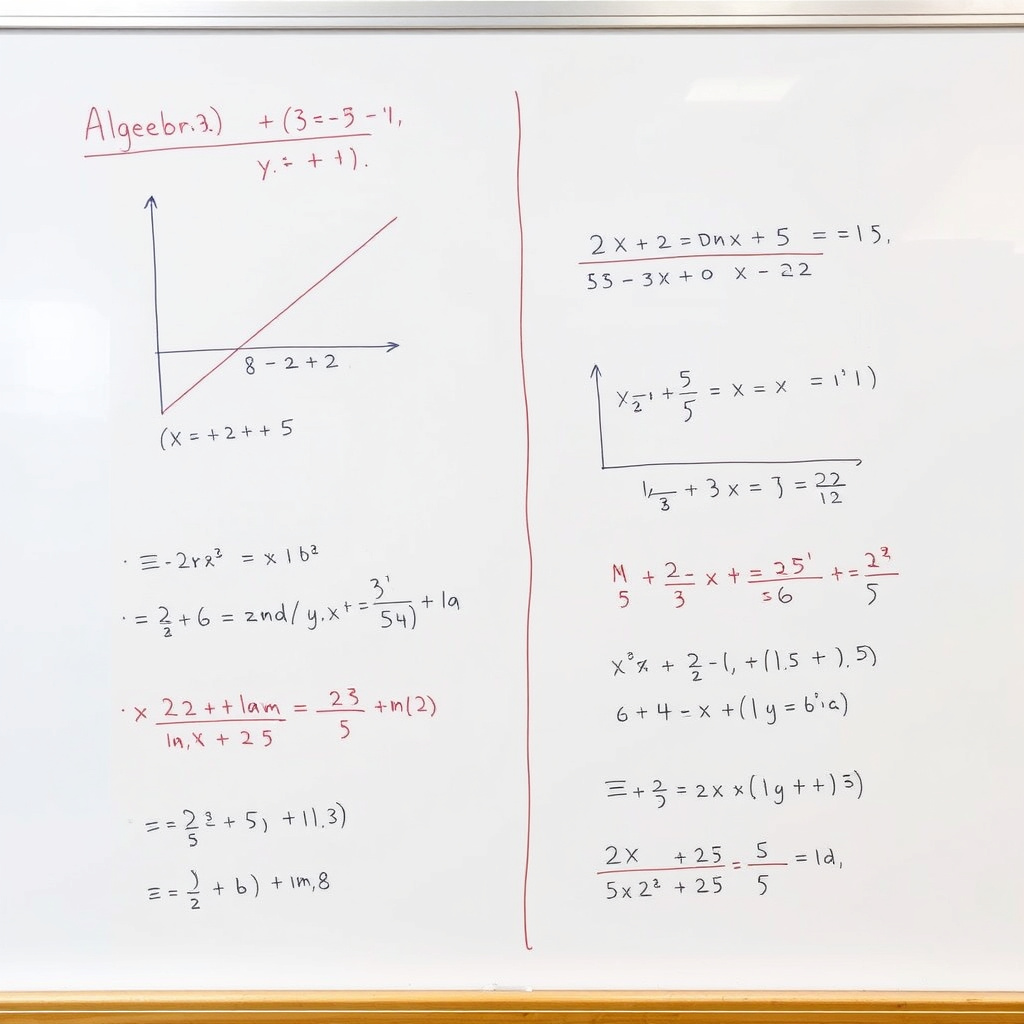
Understanding algebra is essential before tackling functions, which describe how one quantity changes with another. Get comfortable with plotting linear and quadratic functions, interpreting slopes and intercepts.
Graphing bridges abstract equations into visual forms, aiding comprehension and revealing patterns or solutions otherwise hidden.
For more on this, see our related guide: How to Choose a Tutor for Struggling Students: A Practical Guide.
Preparing for Calculus and Beyond
Strong algebra skills underpin success in calculus. Topics like factoring, working with exponents, and simplifying complex expressions are frequently prerequisites.
Mastery here ensures smoother learning of limits, derivatives, and integrals, as they rely heavily on manipulating algebraic expressions.
Tracking Progress and Adjusting Your Learning Plan
Setting Measurable Algebra Goals
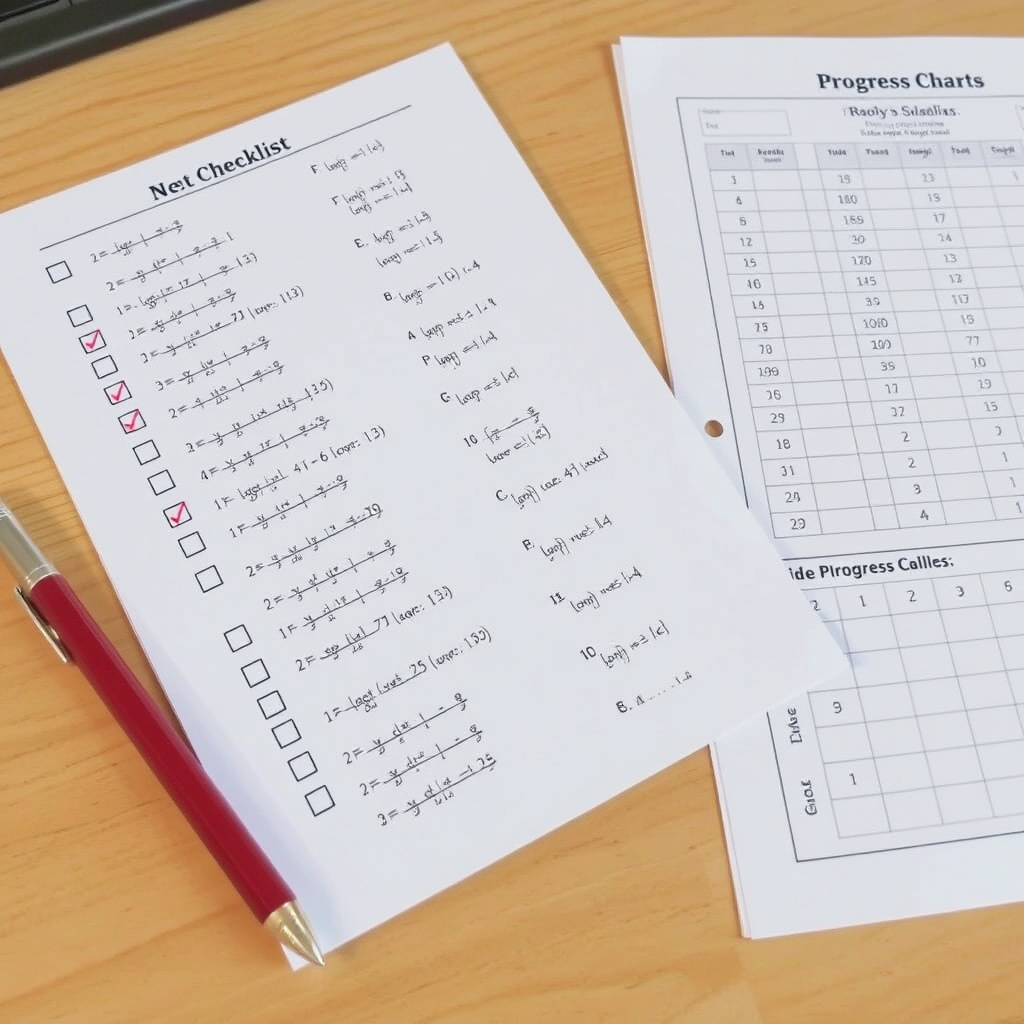
Define clear objectives such as mastering solving linear equations or factoring polynomials within a specific timeframe. Measurable goals help maintain focus and allow you to monitor growth effectively.
Break goals into weekly milestones for motivation and regular accomplishment recognition.
For a detailed overview of algebra's history and principles, you can visit the comprehensive Algebra entry on Wikipedia. Algebra – Wikipedia.
Using Assessments to Guide Practice
Periodic tests or quizzes highlight strengths and weaknesses, directing your study efforts efficiently. Reviewing incorrect questions pinpoints areas needing reinforcement.
Online self-assessment tools with adaptive difficulty provide tailored feedback, helping you focus on trouble spots without wasting time on concepts you’ve already mastered.
Algebra Practice Methods Category Comparison
Here’s a comparison of popular algebra practice methods to help you find the best fit for your learning style and goals.
| Method | Advantages | Disadvantages | Best For |
|---|---|---|---|
| Worksheets & Textbook Exercises | Structured, wide coverage | Can be repetitive, less immediate feedback | Traditional learners |
| Online Interactive Tools | Instant feedback, adaptive difficulty | Can be distracting, requires internet | Visual and tech-savvy learners |
| Study Groups & Tutoring | Collaborative, personalized guidance | Scheduling challenges, variable quality | Students seeking explanations |
| Flashcards & Drills | Great for memorization and formulas | Limited problem variety | Building foundational knowledge |
| Video Tutorials | Visual, step-by-step learning | Passive if not engaged actively | Visual learners needing explanations |
Frequently Asked Questions
How often should I practice algebra to see improvement?
Daily practice sessions of 20 to 30 minutes help reinforce learning and build muscle memory, leading to noticeable improvement within a few weeks.
Can algebra be self-taught effectively without a teacher?
Yes, with access to quality resources and consistent practice, self-study can be very effective, especially when using tutorials, forums, and structured exercises.
What are the most common mistakes beginners make in algebra?
Beginners often forget to apply operations to both sides of an equation, mismanage negative signs, or skip writing intermediate steps, which leads to errors.
Do calculators help or hinder learning algebra?
Calculators can assist with tedious calculations, but over-reliance may hinder concept understanding. Use them as a tool, not a crutch, especially in early learning stages.
How can I stay motivated when algebra feels difficult?
Setting attainable goals, celebrating small successes, and mixing different study methods like group work and apps can maintain motivation and reduce frustration.
Key Takeaways
- Consistent practice and understanding variables are essential to improve algebra skills.
- Effective study techniques like spaced repetition and group study boost retention.
- Using diverse resources including textbooks, apps, and forums expands learning opportunities.
- Tracking progress with goals and assessments helps tailor your study plan efficiently.
Conclusion
Improving algebra skills requires a blend of steady practice and a clear understanding of fundamental concepts such as variable manipulation and equation solving. Building confidence through manageable challenges and revisiting mistakes deepens comprehension and retention. This approach to skill development helps you progress naturally toward mastering complex problems without feeling overwhelmed.
Different learners benefit from tailored strategies—those who work well independently may find algebra practice methods like interactive apps and worksheets most useful, while others thrive in study groups or with tutoring for personalized explanations. Combining these strategies, especially with structured goals and regular assessments, ensures steady improvement and readiness for higher math topics.
To advance your algebra skills effectively, start by assessing your current level and setting achievable milestones. Incorporate a variety of resources such as textbooks, online tools, and community forums to diversify your learning experience. With patience and persistence, you will gain the proficiency needed for academic success and practical applications.