How to Retain Information Effectively: Practical Strategies That Work
To retain information effectively, it’s essential to use active methods such as spaced repetition, visualization, and testing yourself regularly. Passive reading or listening is usually not enough to embed knowledge deeply into your memory.
Memory retention matters because the ability to recall information enhances learning, decision-making, and problem-solving. Whether you're studying for exams or trying to absorb new skills at work, retaining what you learn ensures that your efforts translate into lasting knowledge.
This article explores key strategies to improve how you retain information, including how to organize content, use mnemonic devices, create effective learning habits, and adapt your approach based on the subject matter and personal preferences.
Understanding How Memory Works
The Basics of Memory Formation
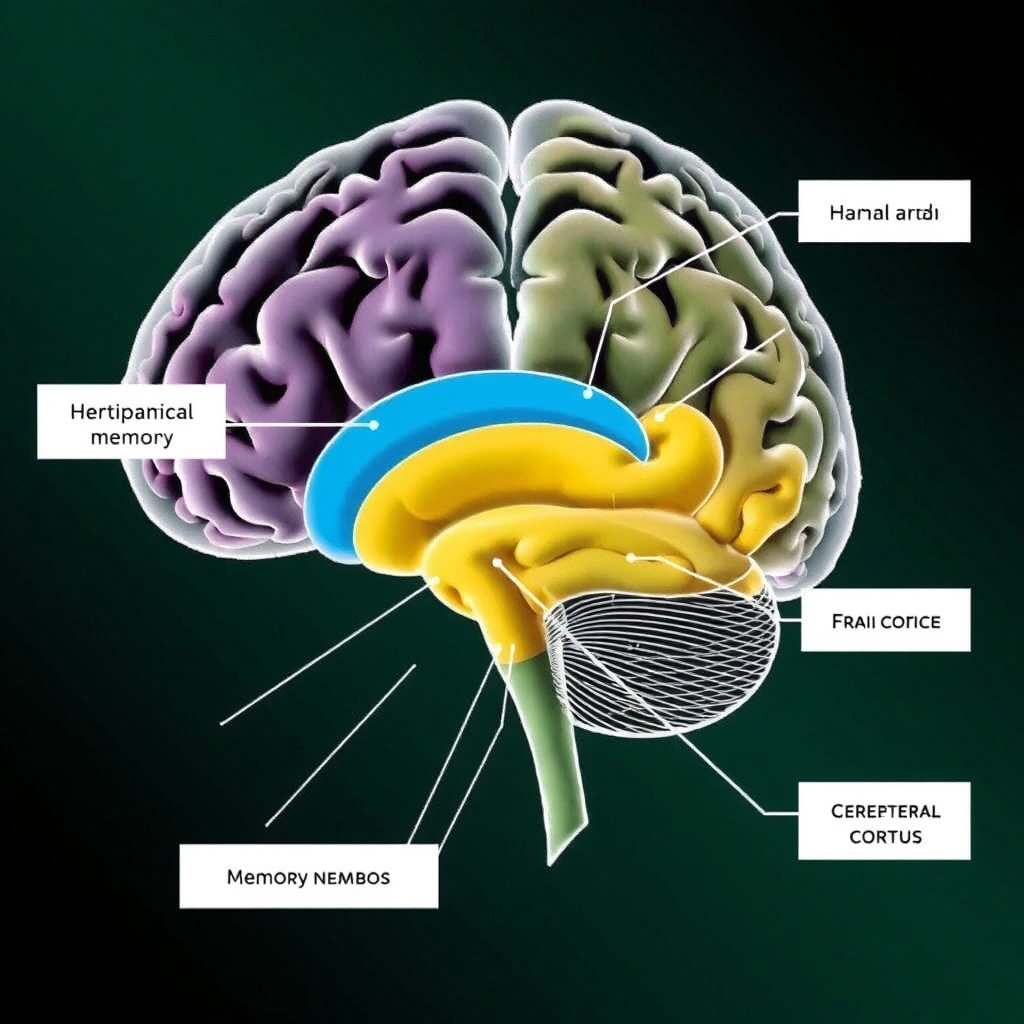
Memory forms through encoding, storage, and retrieval processes in the brain. Information first passes through sensory memory, then short-term memory where it is processed, and finally into long-term memory if repeated or deeply understood.
Understanding these stages helps explain why repetition and active engagement with material improve retention. Weak encoding often leads to forgetting, while strong neural connections lock information in for easy recall.
Common Forgetting Factors
Forgetting occurs due to interference from similar information, lack of retrieval practice, or the decay of memory traces over time. Stress and distractions also negatively impact how effectively your brain encodes new learning.
Being aware of these barriers allows you to plan study sessions and revisions that combat forgetting, like spaced review and minimizing multitasking.
Active Learning Techniques to Retain Information

Using Spaced Repetition
Spaced repetition involves reviewing information at increasing intervals over time to reinforce memory. This approach exploits how the brain consolidates knowledge through repeated exposure spaced out appropriately.
Tools like flashcards and apps can automate spaced repetition schedules, making it easier to revisit key points just before you are likely to forget them, which boosts retention significantly.
- Schedule reviews after 1 day, 3 days, 1 week, then 1 month
- Use flashcard apps with built-in spaced repetition algorithms
Engaging in Retrieval Practice
Testing yourself by recalling information instead of passively reviewing notes improves retention. Retrieval practice strengthens neural pathways and highlights gaps in your knowledge.
Quizzes, practice questions, and teaching material to others are effective ways to implement retrieval practice, turning passive exposure into active learning sessions.
- Create summary questions after reading
- Regularly self-quiz without notes
Memory Retention Techniques Using Visualization and Mnemonics

Visualization Strategies
Visualizing information as vivid images or stories activates more brain areas, making memories more durable. Associating abstract information with concrete mental images enhances recall.
Techniques like the memory palace, where you link information to imaginary locations, leverage spatial memory and improve how well you retain and retrieve details.
- Create mental images representing concepts
- Use storytelling to connect facts
For more on this, see our related guide: How to Choose the Best After School Tutoring in Doral FL for Your Child.
Using Mnemonics and Acronyms
Mnemonics simplify complex or long lists by encoding them into easier-to-remember formats, like acronyms or rhymes. These memory aids reduce cognitive load and increase speed of recall.
For example, using the acronym 'HOMES' to remember the Great Lakes helps lock in information that might otherwise be forgotten among many details.
- Generate rhymes or phrases from first letters
- Create acronyms for key terms
Creating a Supportive Learning Environment

Eliminating Distractions
A focused environment reduces external interference with memory encoding. Limiting phone use, silencing notifications, and choosing quiet, clean spaces help your brain concentrate better.
Consistent study settings can also condition your mind to associate that space with productive learning, boosting concentration and retention.
- Turn off digital distractions during study
- Set up dedicated areas for learning
Balancing Study Sessions and Breaks
Long, uninterrupted bursts can lead to mental fatigue reducing retention. Short study intervals spaced with brief breaks keep your brain refreshed and maintain high focus.
Techniques like the Pomodoro method—25 minutes studying followed by a 5-minute break—help capitalize on attention spans and increase overall learning efficiency.
- Use timers to manage study and rest
- Avoid multitasking during sessions
Adapting Information Retention Methods to Different Contexts

Retaining Academic vs. Practical Information
Academic retention often relies on understanding concepts deeply and repeated review, while practical skills benefit more from hands-on experience and teaching others.
Adapting your strategy to the type of content ensures better retention. For example, applying theory through practice cements knowledge more than memorization alone.
Tailoring Techniques for Different Learning Styles
Visual learners may benefit more from diagrams and color-coded notes, whereas auditory learners recall information better when listening or discussing material aloud.
Identifying your preferred learning style and customizing your retention techniques—like combining reading with audio summaries—can improve the effectiveness of your study sessions.
Lifestyle Factors Impacting Memory Retention

The Role of Sleep in Memory Consolidation
Sleep is vital to transferring short-term memories into long-term storage. Lack of quality sleep impairs attention and the ability to encode new information effectively.
Establishing regular sleep patterns and avoiding late-night screen time supports memory consolidation and overall cognitive function.
- Aim for 7-9 hours of sleep nightly
- Create a calming bedtime routine
For a detailed explanation of how memory works, including the biological processes behind retention and recall, see this overview on memory formation. Memory formation and retention overview.
Nutrition and Physical Activity's Effect on Memory
Balanced diets rich in antioxidants, healthy fats, and vitamins support brain health. Exercise increases blood flow to the brain, which enhances cognitive functions including memory.
Staying hydrated and managing stress through physical activity also improve your capacity to retain and recall information effectively.
- Include omega-3 fatty acids and leafy greens
- Engage in regular aerobic exercise
Comparison of Popular Memory Retention Techniques
This table compares key memory retention techniques to help identify which fits different learning needs and contexts best.
| Technique | Best for | Effort Level | Effectiveness | Tools Needed |
|---|---|---|---|---|
| Spaced Repetition | Long-term factual recall | Moderate | High | Flashcard apps |
| Retrieval Practice | Active recall and examination prep | High | Very High | Quizzes, self-tests |
| Visualization | Abstract or complex concepts | Moderate | High | Imagination, diagrams |
| Mnemonics | Lists and sequences | Low | Moderate | Simple acronyms or rhymes |
| Focused Environment | All types of study | Low | Moderate | Quiet space and minimal distractions |
| Balanced Lifestyle | Overall memory and cognition | Moderate | High | Sleep hygiene, nutrition, exercise |
Frequently Asked Questions
How often should I use spaced repetition to retain information?
Use spaced repetition by reviewing new information the day after learning it, then gradually extending intervals to several days, a week, and a month for effective long-term retention.
Can mnemonic devices work for complex topics?
Yes, mnemonics simplify complex information into memorable chunks, but they work best combined with understanding the material deeply rather than solely relying on shortcuts.
Does multitasking reduce memory retention?
Multitasking divides attention and impairs memory encoding, so focusing on one task at a time leads to better retention and recall.
What lifestyle changes help improve memory retention?
Regular sleep, balanced nutrition, staying hydrated, and exercise greatly improve memory formation and recall capacities.
How important is retrieval practice compared to rereading notes?
Retrieval practice is significantly more effective than merely rereading because it actively engages your brain to recall information, strengthening memory.
Key Takeaways
- Active methods like spaced repetition and retrieval practice improve retention more than passive review
- Visualization and mnemonics make abstract or complex information easier to remember
- Creating a focused study environment and paced sessions supports effective learning
- Healthy lifestyle habits such as sleep and exercise enhance memory functions
Conclusion
Deciding how to retain information effectively depends on understanding how your memory works and selecting strategies that engage your brain actively. Integrating techniques such as spaced repetition and retrieval practice in your study sessions can significantly boost long-term recall, while visualization and mnemonics help transform difficult information into memorable formats. Additionally, minimizing distractions and balancing study with rest allows the brain to operate at its best, ensuring that what you learn today remains accessible tomorrow.
When choosing specific approaches, consider the nature of the material and your personal learning preferences. For example, if you need to memorize detailed facts for exams, spaced repetition combined with frequent self-testing offers strong results. If the information is conceptual or abstract, visual imagery and memory palaces can anchor your understanding more effectively. Supporting these methods with a lifestyle that prioritizes sleep, nutrition, and physical activity will also boost your ability to retain and recall information consistently.
To improve your memory retention starting now, identify one or two techniques that feel manageable, like creating flashcards with spaced repetition or taking short retrieval quizzes after each study session. Establish a quiet, distraction-free workspace and maintain a consistent schedule that includes adequate rest. Over time, as these habits become routine, your ability to hold onto new knowledge will grow naturally, making learning more efficient and less stressful.