How to Memorize Math Formulas Efficiently and Retain Them Long-Term
Memorizing math formulas effectively comes down to using methods that enhance understanding and repetition rather than rote learning alone. Techniques such as associating formulas with visual aids, practicing regularly, and applying formulas in problem-solving help you retain them better. Simple tricks like mnemonic devices or chunking formula components can accelerate recall.
Math formulas often appear daunting due to their abstract nature, making them tricky to remember by memorizing alone. When formulas are understood conceptually and used actively in solving problems, they become easier to commit to memory. Over time, these strategies help embed the formulas in your long-term memory rather than fleeting short-term recall.
This article covers proven strategies to memorize math formulas, including visualization, spaced repetition, and contextual learning. Each technique is broken down with practical steps and examples, followed by a comparison of different approaches and answers to common questions about formula memorization.
Understanding Before Memorizing: The Key to Retaining Math Formulas
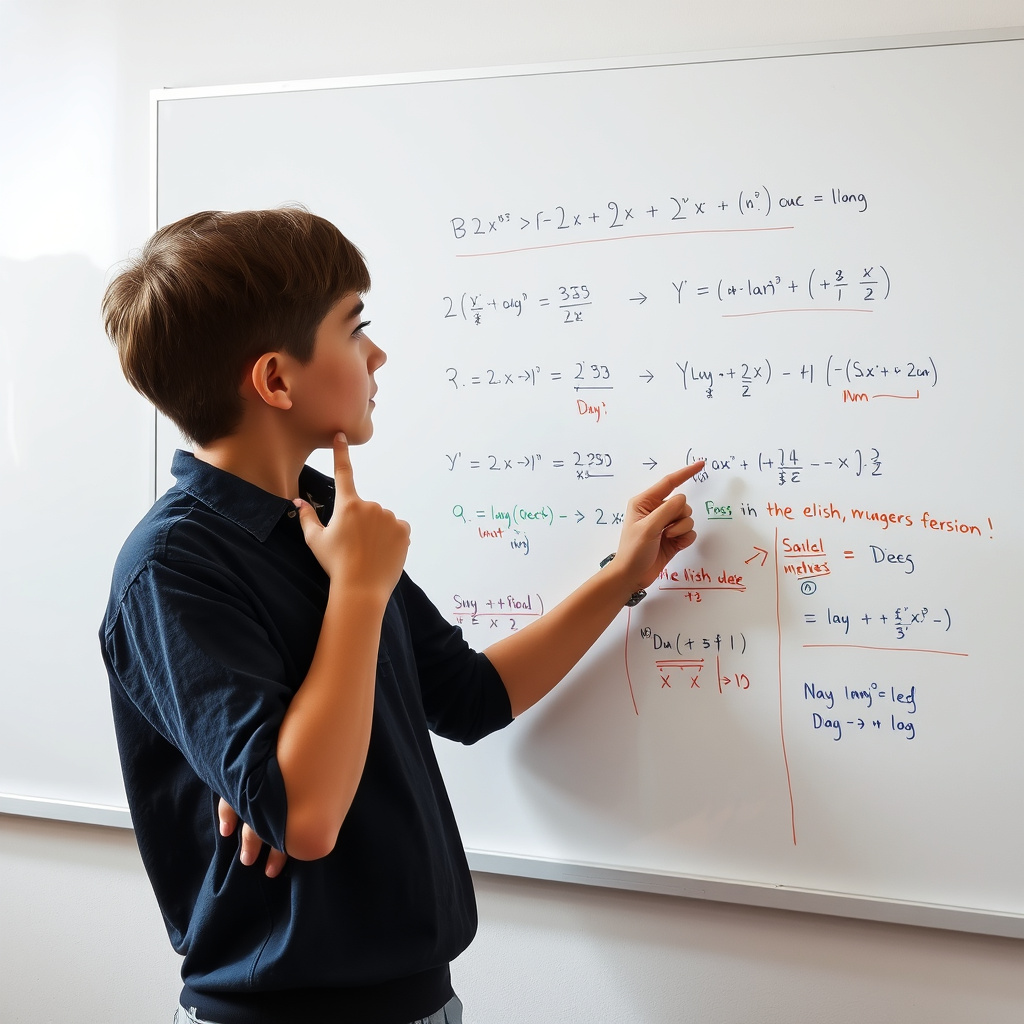
Why Understanding a Formula Helps Memorization
Comprehending what a math formula represents makes memorization intuitive rather than mechanical. Instead of forcing yourself to remember symbols, you connect each component to a concept or a real-world application, cementing your recall.
When you understand how a formula is derived or what it calculates, your brain builds a network of associations around it. This makes it easier to retrieve the formula by retracing these logical links, strengthening your memory.
Breaking Down Complex Formulas into Manageable Parts
Complex formulas can be intimidating, but dismantling them into smaller parts simplifies memorization. Analyze the formula for repeated elements, constants, and variables to organize learning into segments.
Chunking enables you to learn each part individually before assembling the entire formula. This modular approach reduces cognitive load and makes recalling the full formula less overwhelming.
Applying Visualization Techniques to Strengthen Memory
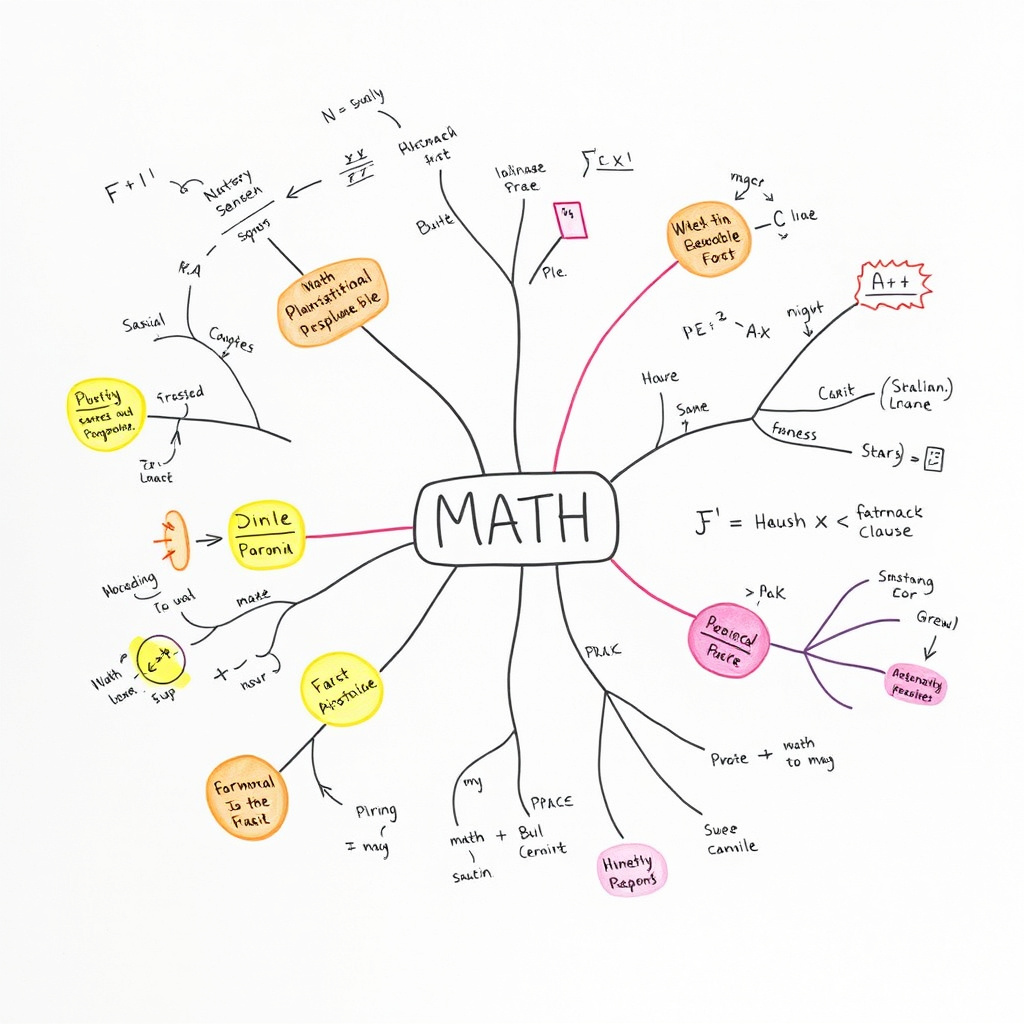
Using Diagrams and Graphs to Represent Formulas
Visualizing formulas through diagrams or graphs translates abstract expressions into concrete images. For example, plotting the quadratic formula's effect helps link its components to a curve shape, making recall easier.
Creating your own drawings connects different parts of the formula with visual cues unique to you, tapping into spatial memory which is often stronger than verbal memory.
Employing Mnemonic Devices and Memory Palaces
Mnemonic tools turn complicated formulas into memorable phrases or associations. For example, acronyms or rhymes can summarize formula components succinctly.
The memory palace technique assigns parts of a formula to specific locations in a familiar place, using spatial memory to retrieve them in order.
- Acronyms representing variables
- Rhymes or catchy phrases for formula structures
- Memory palace locations to sequence parts
Active Practice: The Best Way to Memorize Math Formulas
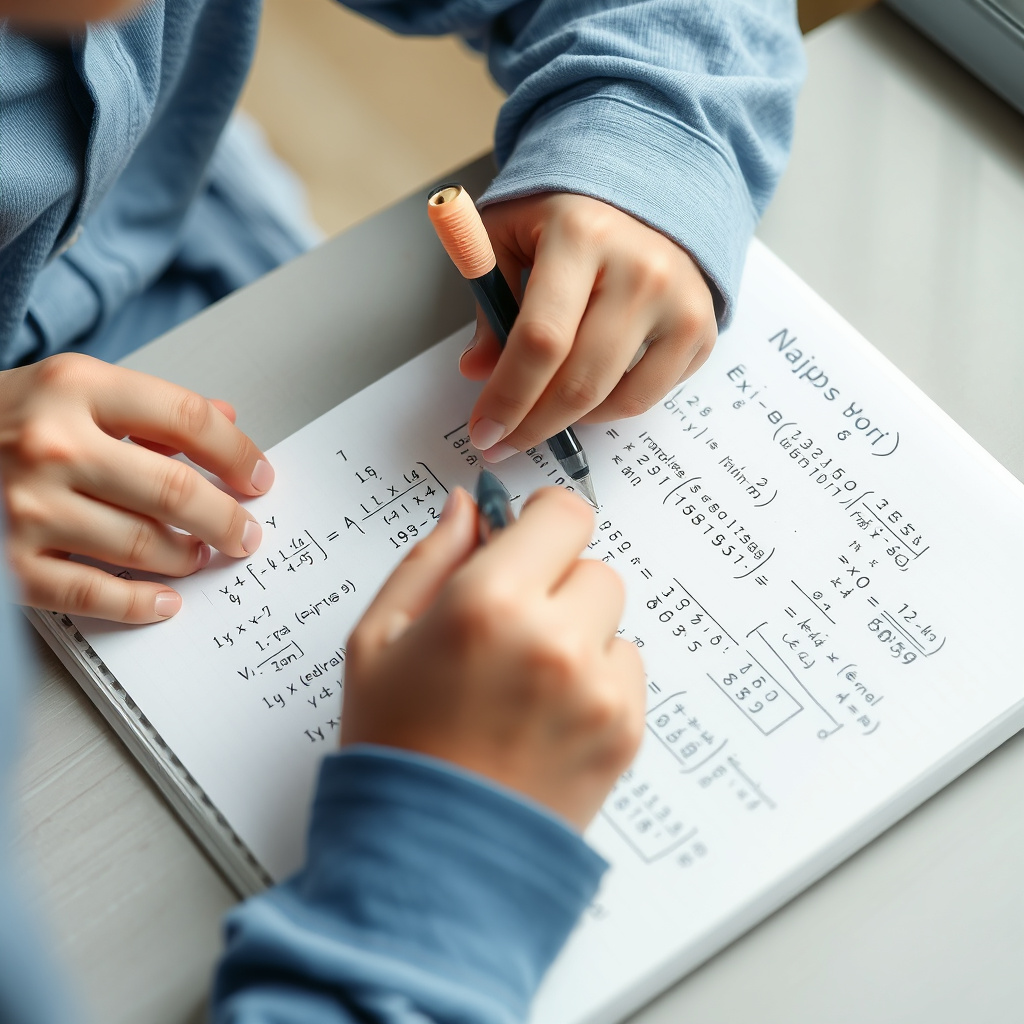
Solving Various Problems to Reinforce Memory
Using formulas repeatedly to solve different types of problems helps cement them in memory. Active recall combined with application builds familiarity beyond passive reading or rote repetition.
When you apply formulas to varying contexts, you learn to recognize which formulas suit which problems, strengthening both recall and conceptual understanding.
Teaching Others or Explaining Formulas Aloud
Verbalizing and teaching a formula forces you to organize your knowledge and fill in gaps. Explaining formulas to peers or even to yourself solidifies understanding and makes memorization durable.
This technique leverages the 'protégé effect' where preparing to teach improves your own memory and comprehension dramatically.
Leveraging Spaced Repetition and Regular Review Schedules
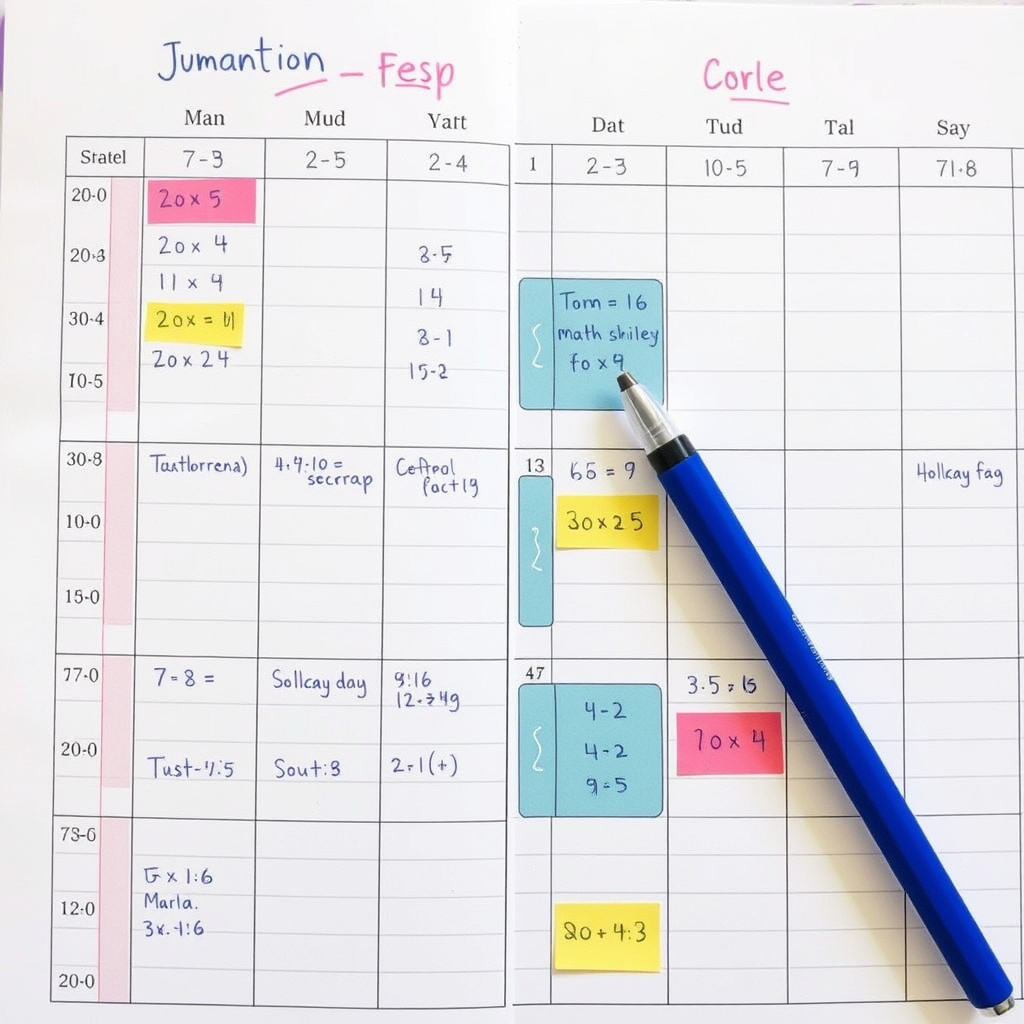
Implementing Spaced Repetition Systems (SRS)
Spaced repetition is a proven technique where review intervals increase over time. Using apps or flashcards with SRS helps you revisit formulas just before they fade from memory, solidifying retention.
This approach reduces forgetting dramatically compared to massed cramming sessions. It emphasizes quality, timed repetition that suits the brain’s learning rhythms.
Creating Effective Study Schedules for Formula Review
Designing regular study blocks specifically for formula review and problem practice reinforces memorization. Balancing new learning with reviewing older formulas ensures long-term retention.
Using planners or digital reminders helps keep your practice consistent. A well-structured schedule avoids last-minute exams panic and builds confidence gradually.
- Set daily or weekly review targets
- Mix new formulas with older ones
- Use active recall during review sessions
Integrating Technology and Apps for Memorizing Math Formulas
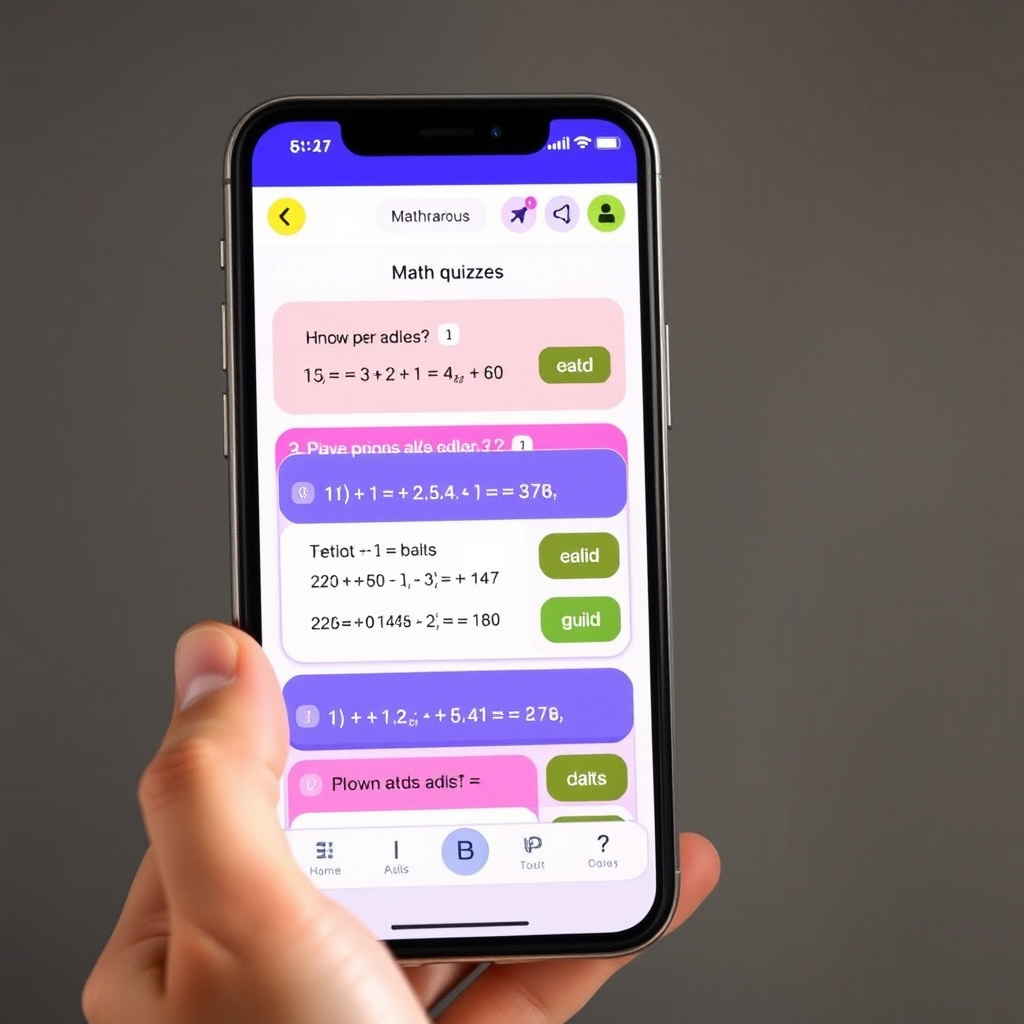
Popular Apps Designed for Formula Memorization
Several educational apps specialize in formula memorization using flashcards, quizzes, and spaced repetition. Options like Anki, Quizlet, and Brilliant provide interactive, customizable content tailored to math learners.
These apps help embed formulas with regular practice and immediate feedback, beneficial for learners who want flexible study tools accessible anytime.
Using Online Resources and Video Tutorials to Complement Memory
Video tutorials and online lectures explain formulas in dynamic ways, providing visual and auditory reinforcement. Seeing real-time problem-solving can make formulas stick better.
Combining these resources with practice apps creates a well-rounded approach using multiple senses, further improving memorization.
Common Challenges and How to Overcome Them When Memorizing Math Formulas

Dealing with Formula Overload and Confusion
Overwhelmed by numerous formulas? Prioritize learning by relevance and difficulty to your needs. Focus on foundational formulas before advanced ones to avoid burnout.
Creating organized notes and formula sheets helps reduce confusion and gives quick access during practice, aiding gradual mastery.
- Group formulas by topic
- Use color coding or symbols
- Review difficult ones more often
To understand the formal definition and classification of mathematical formulas, you can explore this detailed mathematical formula article on Wikipedia. mathematical formula article on Wikipedia.
Improving Concentration and Reducing Anxiety While Studying
Distractions and stress undermine memorization. Set a quiet, comfortable study environment and use short, timed sessions with breaks (Pomodoro technique).
Mindfulness exercises or brief physical activity before studying can enhance focus. A calm, attentive mind absorbs formula memorization more effectively.
Comparison of Popular Techniques for Memorizing Math Formulas
Here is an overview comparing various common methods used to memorize math formulas, highlighting their strengths and limitations.
| Technique | Effectiveness | Ease of Use | Best For | Limitations |
|---|---|---|---|---|
| Understanding Conceptually | High | Moderate | Long-term retention | Requires initial effort |
| Mnemonic Devices | Moderate | Easy | Quick recall | May oversimplify |
| Spaced Repetition | Very High | Moderate | Sustained memorization | Needs disciplined schedule |
| Visualization | High | Moderate | Visual learners | Time-consuming |
| Active Practice | Very High | Challenging | Skill application | Requires consistent work |
| Teaching Others | High | Moderate | Deep knowledge | Needs peer interaction |
Frequently Asked Questions
How long does it typically take to memorize a math formula?
The time varies depending on complexity and memorization techniques, but with effective methods like spaced repetition and active practice, formulas can be memorized within days to weeks.
Is it better to memorize math formulas verbatim or understand their derivation?
Understanding a formula’s derivation improves long-term retention and helps you apply it flexibly, making it a better approach than mere rote memorization.
Can mnemonic devices work for all types of math formulas?
Mnemonic devices work best with formulas that can be broken into memorable components or sequences but may be less effective for highly complex or abstract expressions.
How often should I review math formulas to avoid forgetting them?
Reviewing formulas using spaced intervals—initially after one day, then after several days, and later weeks—helps prevent forgetting and solidifies memory.
What is the role of practice in memorizing math formulas?
Regular practice reinforces formulas by applying them in various problems, which strengthens recall and builds confidence in their use.
Key Takeaways
- Understanding formula concepts improves memorization and application.
- Visualization and mnemonics help encode formulas into memory.
- Active practice and teaching enhance long-term retention.
- Spaced repetition optimizes review timing for durability.
Conclusion
Memorizing math formulas is most effective when it involves comprehension combined with repetition and active use. This integrated approach helps avoid forgetting and allows formulas to become tools rather than obstacles. Focusing on understanding the meaning behind formulas first supports creating mental links that are easier to recall. Breaking down formulas into smaller parts and associating each piece with a concept or image provides memorable anchors that dramatically increase retention. Memorization methods are not one-size-fits-all, so customizing your approach based on your learning style and the math topic proves beneficial.
Concrete recommendations include using spaced repetition apps for structured review, coupled with daily problem-solving practice to apply formulas contextually. Visualization techniques, such as drawing diagrams or employing mnemonics, particularly help when formulas seem abstract or complicated. For students who benefit from verbalization, explaining formulas aloud or teaching peers reinforces understanding. Address formula overload by prioritizing those most essential to your course or purpose, and keep organized notes to combat confusion. Matching techniques like conceptual understanding with active practice combines the benefits of memory and skill development.
Begin your memorization journey by selecting one or two strategies that feel natural to you, such as incorporating spaced repetition with visual aids or engaging in regular practice sessions. Be patient and consistent, allowing time for gradual internalization. Use available technology tools to keep track of your schedule and progress. Over time, these efforts will lead to automatic recall and practical proficiency, transforming math formulas from intimidating symbols into familiar, usable knowledge. Following the strategies outlined can help any learner improve their math skills significantly by mastering formulas effectively.