How to Improve Memory for Studying: Practical Techniques That Work
Improving memory for studying hinges on adopting methods that enhance both retention and retrieval of information. Techniques such as spaced repetition, active recall, and minimizing distractions can make a measurable difference in how well you remember study material.
Memory plays a pivotal role in academic success, influencing how efficiently you learn new concepts and retain facts over time. Strengthening your memory isn't about simply working harder; it involves using smart strategies that align with how the brain processes and stores information.
This article will explore practical tips and scientifically supported methods on how to improve memory for studying. We'll cover effective habits, mental exercises, lifestyle factors, and tools that can help you hold onto what you learn, making your study sessions more productive.
Understanding Memory and Learning Processes

How Memory Works in the Brain
Memory involves encoding, storing, and retrieving information. The hippocampus plays a key role in converting short-term memories into long-term ones, while the prefrontal cortex manages active recall during studying sessions.
Studying effectively means engaging these brain processes by creating meaningful connections, which makes memories stronger and easier to access later.
Types of Memory Relevant to Studying
There are several types of memory important for learning: sensory memory, short-term memory, and long-term memory. Studying strategies focus on transferring information from short-term to long-term memory for durable retention.
Declarative memory stores facts and information you typically use during exams, while procedural memory relates to skills and routines, both playing roles in academic performance.
Active Recall: The Cornerstone of Memory Improvement

What Is Active Recall?
Active recall requires retrieving information from memory without looking at notes, strengthening neural pathways. This practice outperforms passive review by forcing the brain to reconstruct the knowledge.
Using flashcards, practice tests, or self-quizzing are concrete ways to apply active recall during study sessions.
- Flashcards with questions on one side
- Practice exam questions
- Summarizing material from memory
Incorporating Active Recall Into Study Routines
To embed active recall, alternate between reviewing material and testing yourself repeatedly over multiple days. Break study content into chunks and recall those progressively.
Spacing out recall practice improves long-term retention by letting the memory trace strengthen with each session rather than cramming.
- Spread study sessions over days or weeks
- Mix old and new material when testing
- Use apps designed for active recall
Leveraging Spaced Repetition for Long-Term Retention

Principles of Spaced Repetition
Spaced repetition spaces out review sessions at increasing intervals, counteracting the natural forgetting curve. This helps embed information firmly in long-term memory.
Repeated exposure to material at timely intervals reactivates memory circuits, making recall easier and more reliable over time.
- Start with short intervals (hours or a day)
- Gradually increase gaps between reviews
- Avoid massed cramming sessions
Tools and Techniques for Spaced Repetition
Digital apps like Anki or Quizlet automate spaced repetition scheduling, flagging cards that need review as memory weakens.
Manual methods include marking calendar reminders or reviewing topic folders at planned intervals, maintaining consistent study rhythm.
- Use spaced repetition software
- Create review schedules
- Combine with active recall methods
Lifestyle Factors That Enhance Memory
Sleep’s Critical Role in Memory Consolidation
Deep sleep stages are crucial for consolidating memories formed during the day. Lack of quality sleep impairs both learning and recall efficiency.
Aim for 7-9 hours per night, keeping a consistent sleep schedule to support brain recovery and memory stabilization.
Nutrition and Physical Activity
Adequate hydration and balanced nutrition rich in omega-3 fatty acids, antioxidants, and vitamins B and E support cognitive functioning.
Regular aerobic exercise promotes blood flow to the brain, improving memory-related neural plasticity and responsiveness.
- Eat fatty fish, nuts, and vegetables
- Stay hydrated with water
- Engage in 30 minutes of aerobic exercise daily
Study Environment Optimization for Memory Enhancement
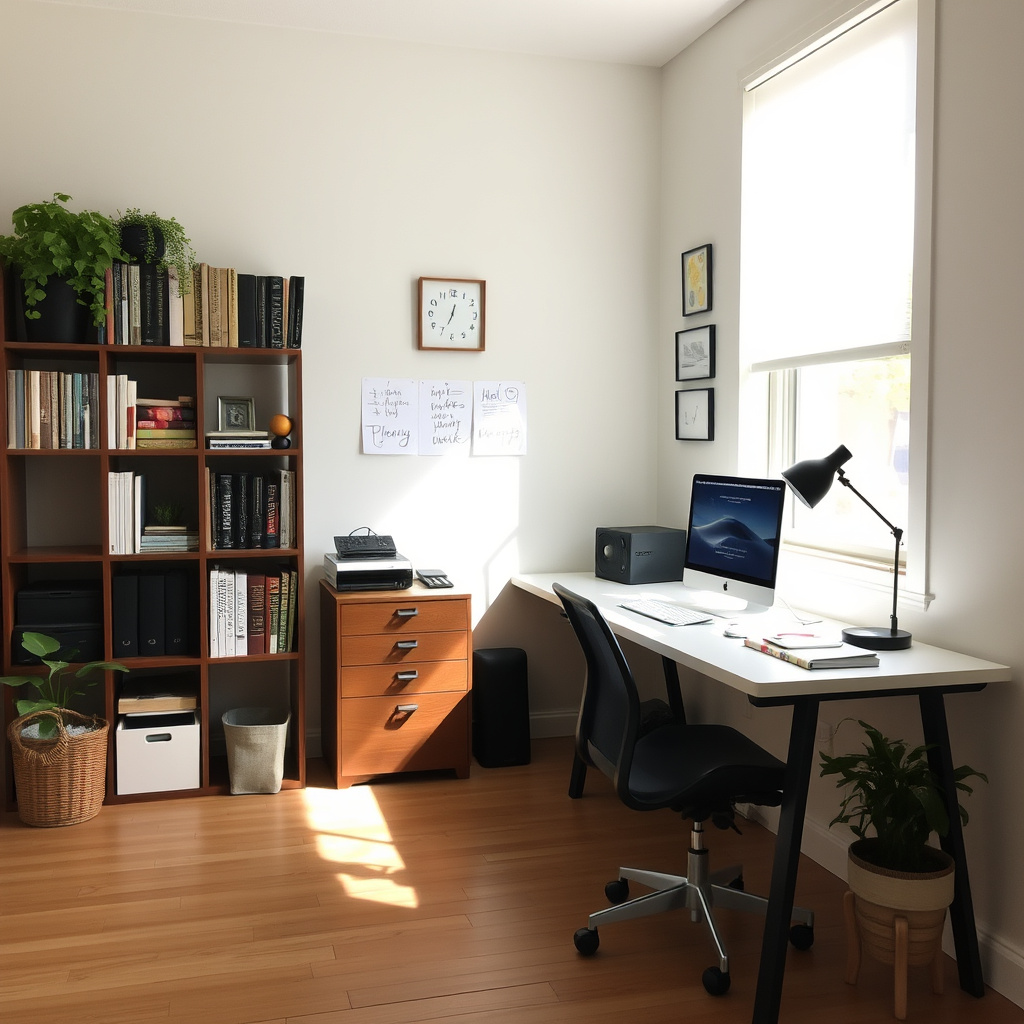
Reducing Distractions to Improve Focus
A clutter-free, quiet environment minimizes interruptions that break concentration and hinder memory encoding during study sessions.
Limit smartphone use, choose a dedicated study area, and use noise-cancelling headphones if needed to maintain flow.
- Turn off notifications
- Use dedicated workspace
- Control ambient noise
Organizing Study Materials Effectively
Organizing notes and resources logically helps memory by creating clear mental schemas, making it easier to retrieve related information later.
Use color-coding, summaries, and concept maps to link ideas and support memory connections.
- Color-code subjects or topics
- Summarize key points
- Create mind maps or diagrams
Memory Enhancement Strategies for Different Learning Styles

Visual Learners and Memory
Visual learners benefit from diagrams, charts, and written notes that create vivid mental images to anchor memory.
Using infographics and highlighting key information enhances understanding and recall for these learners.
- Use colored markers
- Incorporate diagrams
- Create flashcards with images
For more details on the science of memory, you can visit the comprehensive explanation provided by Wikipedia. How Memory Works – Wikipedia.
Auditory and Kinesthetic Learners’ Techniques
Auditory learners retain information better through listening. Recording notes or discussing topics aloud aids memory for them.
Kinesthetic learners learn best by doing, so incorporating movement or hands-on activities helps reinforce concepts in memory.
- Read notes aloud or explain concepts
- Use mnemonic songs or rhythms
- Practice with models or simulations
Comparison of Memory Improvement Techniques for Studying
This table compares popular memory improvement techniques, highlighting their effectiveness, ease of use, and best use scenarios.
| Technique | Effectiveness | Ease of Use | Best For |
|---|---|---|---|
| Active Recall | High | Moderate | All learners needing long-term retention |
| Spaced Repetition | Very High | Easy with apps | Subjects requiring memorization over time |
| Mnemonic Devices | Moderate | Easy | Quick recall of lists or facts |
| Visualization | Moderate | Moderate | Visual learners and complex concepts |
| Lifestyle Adjustments | Supports all techniques | Varies | Improving overall cognitive function |
| Environmental Optimization | Supports all techniques | Easy to implement | Maintaining focus and memory encoding |
Frequently Asked Questions
Can drinking water improve memory during studying?
Yes, staying hydrated supports brain function since dehydration can negatively affect concentration and short-term memory during study sessions.
How often should I use spaced repetition when studying?
Start by reviewing new material within 24 hours, then space reviews over several days or weeks to strengthen memory traces optimally.
Is multitasking harmful to memory when studying?
Multitasking disrupts focus and makes memory encoding less effective. It's better to study in focused blocks without distractions.
Do brain-training apps really improve memory?
Some apps offer exercises that boost specific cognitive skills, but their general effectiveness for long-term study memory is still under research.
What role does exercise play in memory improvement?
Regular aerobic exercise enhances blood flow and neural plasticity, which can improve memory performance and learning capacity.
Key Takeaways
- Active recall strengthens memory by forcing retrieval of information.
- Spaced repetition combats forgetting by spacing review intervals.
- Good sleep and nutrition support brain functions vital for memory.
- A focused study environment reduces distractions and aids encoding.
Conclusion
Improving memory for studying is most effective when combining cognitive techniques with supportive lifestyle changes. Engaging active recall and spaced repetition taps into how the brain naturally consolidates information, enabling stronger retention and easier recall. Meanwhile, quality sleep and physical health create the ideal conditions for memory formation. Assessing your own learning preferences and adjusting your study habits accordingly will yield lasting gains.
For students aiming to memorize extensive material over time, spaced repetition tools integrated with active recall methods can maximize study efficiency. Visual learners should complement these with diagrams and color coding, while auditory and kinesthetic learners can incorporate discussion and hands-on activities. Attention to minimizing distractions and maintaining a dedicated study space further enhances memory by promoting deeper focus during sessions.
To get started, try setting aside short, frequent study blocks using active recall flashcards and then spacing out reviews using apps or planners. Prioritize sleep hygiene and hydration as you develop your habits. By combining smart memory enhancement strategies with consistent effort, you can transform study sessions into lasting knowledge gains and improve academic performance.