How to Do Better in School: Practical Strategies for Academic Success
Doing better in school involves adopting specific strategies that boost your learning efficiency and overall performance. Key actions include organizing your time, actively engaging in classes, and refining your study techniques to suit your personal learning style.
Academic success matters because it opens up future opportunities and builds confidence. Many students struggle because they rely on passive learning or inconsistent schedules, but with targeted effort, improvement is achievable regardless of your current performance.
This article explores practical ways to improve in school. You'll learn about enhancing study habits, managing your time effectively, participating actively in class, handling stress, and using resources like teachers and technology to your advantage.
Understanding Effective Study Habits

Adapting Study Techniques to Your Learning Style
Identifying whether you learn best through visual, auditory, or kinesthetic methods can dramatically improve how you absorb information. Visual learners benefit from diagrams and color-coded notes, while auditory learners retain knowledge better through discussions or reading aloud.
Tailoring your study habits to your preferred learning style helps prevent wasted effort and makes study sessions more productive and less frustrating.
- Visual: charts, mind maps, flashcards
- Auditory: recorded lectures, group discussions
- Kinesthetic: hands-on activities, practice problems
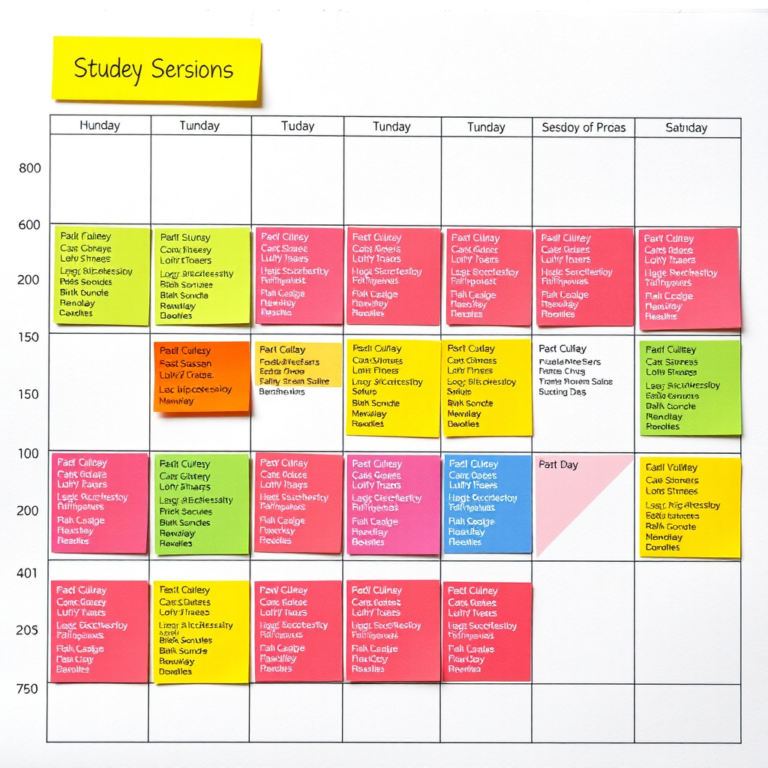
Scheduling Regular and Focused Study Sessions
Consistency beats cramming when it comes to academic performance. Setting aside dedicated, distraction-free blocks of time daily helps information retention and reduces last-minute stress.
Breaks during study sessions, such as the Pomodoro technique where you study for 25 minutes and break for 5, increase focus and prevent burnout.
- Use planners or digital calendars
- Set specific goals for each session
- Eliminate distractions like phones and social media
Mastering Time Management Skills

Prioritizing Tasks and Avoiding Procrastination
Breaking assignments into smaller, manageable tasks can reduce overwhelm and make deadlines easier to meet. Prioritize based on due dates and the effort required.
Techniques such as the Eisenhower Box help distinguish urgent and important tasks, guiding where to focus your energy first.
- List all assignments and deadlines
- Use to-do lists with prioritization
- Set mini-deadlines for larger projects
For more on this, see our related guide: How to Choose the Best Test Preparation Tutor in Doral FL for Effective Results.
Balancing Schoolwork with Extracurricular Activities
Managing your schedule so that extracurricular engagements don't encroach on study time is vital. Use time-blocking to allocate specific hours to homework, hobbies, and rest.
Maintaining a balance prevents burnout and supports mental well-being, which in turn enhances school performance.
- Track weekly time commitments
- Reserve buffer periods for unforeseen tasks
- Communicate schedules with parents or mentors
Active Participation in Class

Engaging with Teachers and Peers
Asking questions and contributing to discussions deepen understanding and retention. Don't hesitate to seek clarification on concepts you find challenging.
Group study sessions promote collaborative learning and expose you to different perspectives that can enhance comprehension.
- Prepare questions before class
- Join or form study groups
- Attend office hours or tutoring sessions
Taking Quality Notes
Effective notes capture key points and examples, helping anchor new information. Techniques like Cornell Notes or mind mapping can organize information clearly.
Reviewing and revising your notes soon after class reinforces memory and readiness for exams.
- Use abbreviations and symbols for speed
- Highlight or underline important concepts
- Summarize notes in your own words
Managing Stress and Maintaining Motivation

Recognizing and Addressing Stress Signs
Stress can impair concentration and performance. Physical symptoms like headaches or fatigue, along with emotional signs such as irritability, indicate it's time to pause and reassess workload.
Simple relaxation techniques, exercise, and adequate sleep help manage school-related stress.
- Practice deep breathing exercises
- Maintain a sleep routine
- Seek support when overwhelmed
For more on this, see our related guide: Affordable Tutoring in Doral FL: How to Find the Best Local Options.
Setting Realistic Goals to Stay Motivated
Breaking larger objectives into achievable targets keeps motivation steady and provides a sense of accomplishment.
Reward yourself appropriately for meeting goals to foster a positive attitude toward learning.
- Use SMART goals (Specific, Measurable, Achievable, Relevant, Time-bound)
- Track progress visually
- Celebrate small successes
Utilizing Available Resources for Improvement

Leveraging Teacher Feedback and School Resources
Regularly reviewing teachers’ comments on assignments can highlight areas for improvement. Don't hesitate to ask for extra help or clarification.
Many schools offer tutoring, counseling, and library services that support learning.
- Attend review sessions
- Make use of school libraries
- Access tutoring or mentoring programs
For more insight into strategies that contribute to academic success, you can review this detailed explanation. academic success strategies.
Incorporating Technology and Online Tools
Digital apps and websites can improve study habits by offering interactive quizzes, study plans, and reminders. Using technology smartly adds variety and accessibility to your routine.
Tools like flashcard apps, scheduling software, and educational videos complement traditional studying effectively.
- Use apps like Anki for flashcards
- Set calendar alerts for deadlines
- Watch tutorials for difficult topics
Comparison of Study Methods for Better School Performance
Explore how different study methods stack up in terms of engagement, retention, and time investment to find what suits you best.
| Method | Engagement Level | Information Retention | Time Required |
|---|---|---|---|
| Reading Textbooks | Medium | Moderate | High |
| Using Flashcards | High | High | Moderate |
| Group Study | High | Variable | Moderate |
| Listening to Lectures | Low | Low to Moderate | Low |
| Practice Tests | High | Very High | Moderate |
Frequently Asked Questions
How can I improve my concentration while studying?
Minimize distractions by turning off notifications, create a quiet study space, and use focused study intervals like the Pomodoro technique to boost concentration.
What are effective ways to organize my schoolwork?
Use planners or digital apps to track assignments and deadlines. Break tasks into smaller chunks and prioritize them to manage workload efficiently.
How can I stay motivated during challenging courses?
Set realistic goals, celebrate small achievements, and remind yourself of the long-term benefits of mastering the material to maintain motivation.
Is group study beneficial for all students?
Group study can be very helpful for discussing concepts and gaining new perspectives, but it depends on personal learning preferences and group dynamics.
What role does sleep play in academic success?
Sufficient sleep improves memory consolidation and cognitive function, making it essential for performing well in school.
Key Takeaways
- Customize your study habits based on your learning style for better retention.
- Consistent time management and task prioritization reduce stress and improve productivity.
- Active class participation and quality note-taking deepen understanding.
- Using school and digital resources enhances study effectiveness.
Conclusion
Assessing which strategies align with your personal learning preferences is the foundation of doing better in school. A focused approach that balances active participation, organized study habits, and time management sets you up for continuous improvement over time. Instead of relying on last-minute efforts, steady and intentional work yields stronger understanding and results.
For example, adapting your study sessions to your learning style—whether that’s visual aids like mind maps or interactive methods like practice tests—can significantly boost your performance. Combining this with prioritized scheduling and breaking down larger tasks makes assignments more manageable and less stressful. Additionally, engaging with teachers and peers provides clarity that textbooks cannot always deliver.
Start by identifying one or two changes, such as implementing a study schedule or improving note-taking techniques, and build from there. Remember, improvement in school is a gradual process that benefits from persistence and adaptability. Taking practical steps today can lead to more confidence and academic success tomorrow.