Is Tutoring Expensive? Understanding Costs and Value in Education Support
Tutoring can be expensive, but the cost varies widely depending on factors like subject, tutor credentials, location, and session format. On average, tutoring rates in the U.S. range from $25 to over $80 per hour, which can add up quickly for long-term support.
The reason tutoring prices fluctuate is tied to the tutor's experience, specialized skills, and whether sessions are in-person or online. Some subjects, such as advanced math or test prep, often demand higher fees because of the expertise required. While some families find tutoring costly, many consider it an investment in academic success that can save time and reduce stress.
This article breaks down what impacts tutoring expenses, compares various tutoring types, explores ways to find affordable tutoring services, and helps you decide when the benefits justify the costs.
Factors Influencing Tutoring Expenses

Tutor Qualifications and Experience
Highly qualified tutors with advanced degrees or specialized certifications generally charge more due to their expertise. In-demand tutors, such as those with teaching licenses or extensive experience in standardized test prep, command premium rates.
Conversely, peer tutors or college students often offer lower fees, making tutoring more accessible. The quality difference can be substantial, but the right match depends on the student’s needs.
Subject Complexity and Demand
Subjects like calculus, chemistry, or SAT/ACT preparation typically cost more than basic reading or general homework help. These subjects require deeper knowledge and tailored approaches, leading tutors to charge higher prices.
Lower-demand subjects or broad study skills tutoring tend to fall on the more affordable end, especially if the tutor is less specialized.
Types of Tutoring and Their Cost Differences
Private One-on-One Tutoring
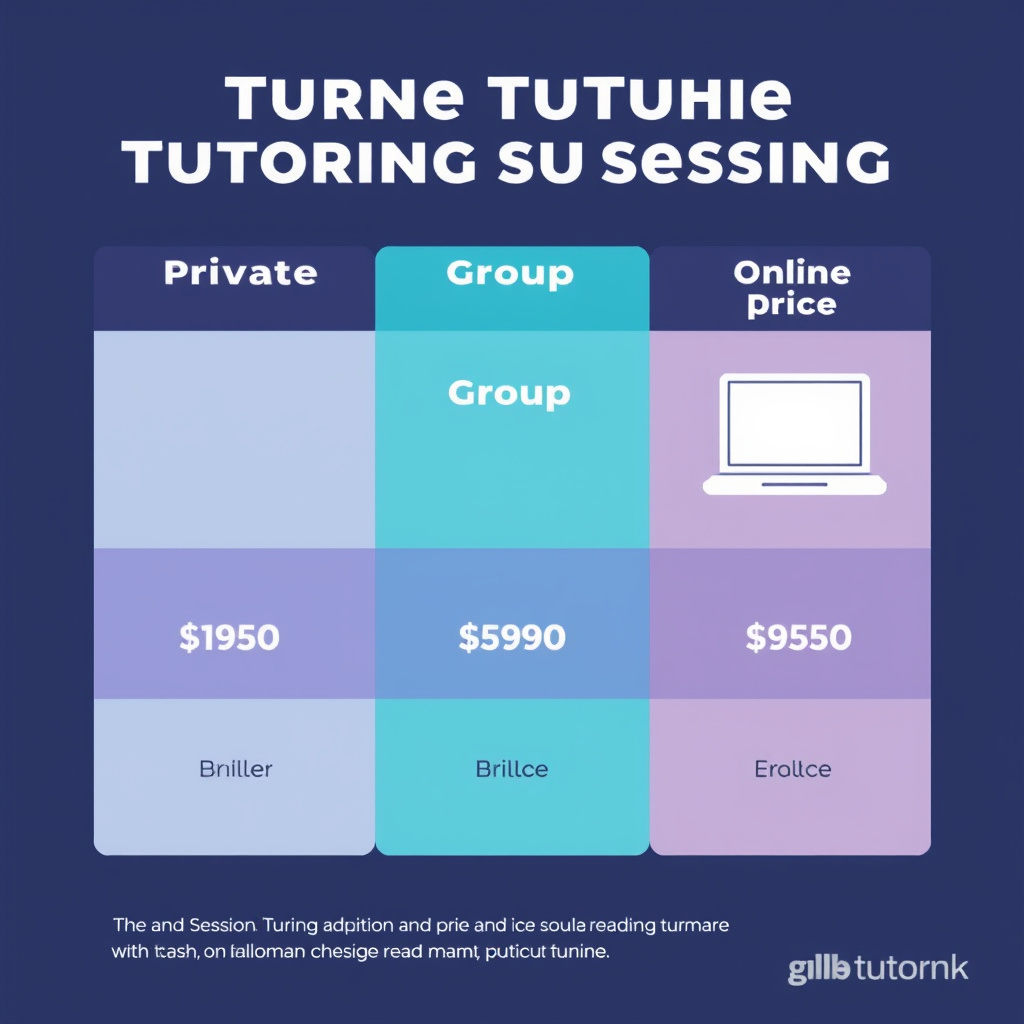
Private tutoring usually costs the most because it offers individualized attention. Sessions can be tailored fully to the student's pace and style, which often leads to better outcomes but at a higher hourly rate.
Prices for private tutors typically range from $40 to $100 per hour based on expertise and region, making it a significant but often effective investment.
Group Tutoring and Online Options
Group tutoring reduces per-student cost by sharing the tutor’s time among multiple learners. Prices per person can drop to $15–$30 an hour, but customization drops too.
Online tutoring platforms offer competitive pricing due to convenience and scale, often featuring flexible packages and subscriptions, appealing to budget-conscious families.
How to Find Affordable Tutoring Services

Local Tutoring Centers and Community Programs
Community centers, libraries, and nonprofit organizations may offer tutoring at lower rates or free of charge. These programs are particularly valuable for families looking to manage costs without compromising support.
Many schools provide after-school tutoring or peer mentoring that can serve as affordable alternatives to private tutors.
Online Platforms and Subscription Models
Online tutoring websites often provide lower hourly fees and subscription plans spread over weeks or months. They let students access expert tutors remotely, which cuts travel time and expenses.
Platforms may also include on-demand help, video lessons, and practice materials, delivering comprehensive aid at a reduced total cost.
Evaluating the Value of Tutoring

Academic Improvement and Confidence Building
Effective tutoring often translates to better grades, stronger test scores, and improved understanding — benefits that justify the cost for many families. The confidence gains students experience can reduce anxiety and improve overall school performance.
However, these outcomes rely on the quality and consistency of tutoring, making it essential to weigh prices against potential academic returns.
Long-term Educational Benefits
Beyond immediate academic improvement, tutoring can foster study skills and discipline that benefit students long-term. This extended value can offset upfront expenses and contribute to future educational opportunities.
Choosing tutoring with measurable goals and progress tracking helps determine if the investment is paying off over time.
Payment Options and Financial Aid for Tutoring

Sliding Scale and Income-Based Fees
Some tutors and centers offer sliding scale fees based on family income, making tutoring affordable for lower-income households. Inquiring about these options can reduce financial barriers to quality education support.
This approach enables more equitable access to tutoring services without significantly lowering quality.
Scholarships and Educational Grants
Certain nonprofit organizations provide scholarships or grants specifically for tutoring assistance. These funding sources can cover partial or full costs depending on eligibility.
Families should research local community resources, school programs, or education foundations that may offer such financial aid.
Common Cost-Saving Tips When Hiring a Tutor
Combining Group and Private Sessions
Using group sessions for regular practice while reserving private tutoring for targeted help can lower overall expenses while maintaining personalized attention for difficult topics.
This hybrid approach balances cost with effectiveness.
For further reading on tutoring methods and history, see the tutoring article on Wikipedia. Tutoring article on Wikipedia.
Negotiating Rates and Packages
Some tutors provide discounts for purchasing multiple sessions upfront or scheduling regular weekly appointments. Open communication about budget constraints may lead to lower hourly rates or flexible payment plans.
Proactively asking about promotions or package deals can make tutoring more affordable.
Tutoring Cost Category Comparison
Here’s a comparison of typical tutoring options and their average price ranges to help you understand what fits your budget and needs.
| Tutoring Type | Average Hourly Rate | Customization Level | Typical Use Case |
|---|---|---|---|
| Private One-on-One | $40–$100 | High | Personalized academic or test prep |
| Group Tutoring | $15–$35 | Moderate | General review for multiple students |
| Online Platforms | $20–$50 | Variable | Flexible sessions with experts |
| Peer/Student Tutors | $15–$30 | Low to Moderate | Homework help and study support |
| Community Programs | Free to Low Cost | Low | Supplemental help for low-income families |
Frequently Asked Questions
Why does tutoring cost vary so much?
Tutoring costs vary based on tutor qualifications, subject difficulty, session format, and location. Specialized tutors in demanding subjects or test prep charge more due to expertise and preparation needed.
Is online tutoring cheaper than in-person?
Online tutoring often is less expensive because it eliminates transportation costs and allows flexible scheduling, lowering overhead for tutors and reducing fees for students.
Are there affordable tutoring options for low-income families?
Yes, many community centers and nonprofit programs offer free or low-cost tutoring, and some tutors provide sliding scale fees based on income.
How can I measure if tutoring is worth the money?
Tracking academic progress, test scores, and confidence levels helps evaluate tutoring effectiveness. Setting clear goals with the tutor also clarifies value.
Can group tutoring be as effective as private tutoring?
Group tutoring is useful for review and practice but generally offers less personalization than private sessions, so it may not address individual challenges as effectively.
Key Takeaways
- Tutoring costs vary widely depending on qualifications and subject complexity.
- Private tutoring offers personalized help but at a higher price.
- Affordable options include group tutoring, online platforms, and community programs.
- Measuring academic progress is key to evaluating tutoring’s value.
Conclusion
When deciding if tutoring is expensive, it's helpful to weigh the cost against the educational benefits it provides. Rates differ significantly, making it important to identify your budget and academic goals beforehand. Investing in a high-quality tutor can accelerate learning and improve performance, but less costly alternatives can still offer valuable support.
Families seeking the best match might consider private one-on-one tutoring for focused help in challenging subjects and turn to group classes or online tutoring for more budget-friendly review sessions. For those with limited means, community programs and sliding scale fee tutors expand access without sacrificing too much quality.
To move forward, start by identifying the specific areas where tutoring is needed and researching local and online resources. Ask tutors about their experience and rates upfront, and look into financial aid options if needed. That way, you can find affordable tutoring services that make a real difference without stretching your finances excessively.