How to Study Smarter Not Harder: Effective Strategies for Better Learning
Studying smarter, not harder, means using techniques that maximize learning while minimizing wasted effort. Instead of long, exhaustive hours cramming, it focuses on strategic methods like spaced repetition, active recall, and targeted review to retain information more efficiently.
This approach matters because endless hours of passive reading or highlighting rarely lead to deep understanding or long-term memory retention. Smart studying optimizes your cognitive resources and reduces burnout, helping you learn faster and remember better.
In this article, we'll explore the essential principles behind studying smarter, share practical tips on organizing your study sessions, highlight useful tools and environments, and compare popular study techniques. By the end, you'll have a clear plan to boost your academic performance without added stress.
Understanding the Science Behind How to Study Smarter Not Harder

The Role of Active Recall in Learning
Active recall involves retrieving information from memory rather than passively reviewing it. This strengthens neural pathways and improves long-term retention. Instead of rereading text, testing yourself on key concepts makes study time more efficient.
Examples of active recall include flashcards, practice quizzes, or teaching material to someone else. This method directly challenges your brain to retrieve knowledge, making the learned content stick better over time.
Why Spaced Repetition Enhances Memory
Spaced repetition distributes study sessions over increasing intervals, reducing forgetting and reinforcing learning. Reviewing material multiple times spaced out over days or weeks beats massed practice or cramming.
Many apps and systems implement spaced repetition algorithms to help learners schedule their reviews just before they’re likely to forget, solidifying memories efficiently with less total time invested.
Setting Up Your Study Environment for Maximum Focus

Creating a Distraction-Free Zone
A quiet, organized space with minimal interruptions is critical for productive study sessions. This reduces cognitive load from distractions and allows deeper concentration.
Turn off unnecessary devices, use noise-cancelling headphones if needed, and keep your materials within easy reach. The environment should condition your brain to associate the space with focused work.
Lighting and Ergonomics Impact Study Efficiency
Natural or warm lighting reduces eye strain and mental fatigue compared to harsh fluorescent lights. Sitting at a comfortable desk and chair aligns posture to maintain alertness during long sessions.
Adjust your setup so screens are at eye level and you have supportive seating. These small comfort improvements prevent physical discomfort that can derail focus.
Organizing Study Sessions for Smarter Learning
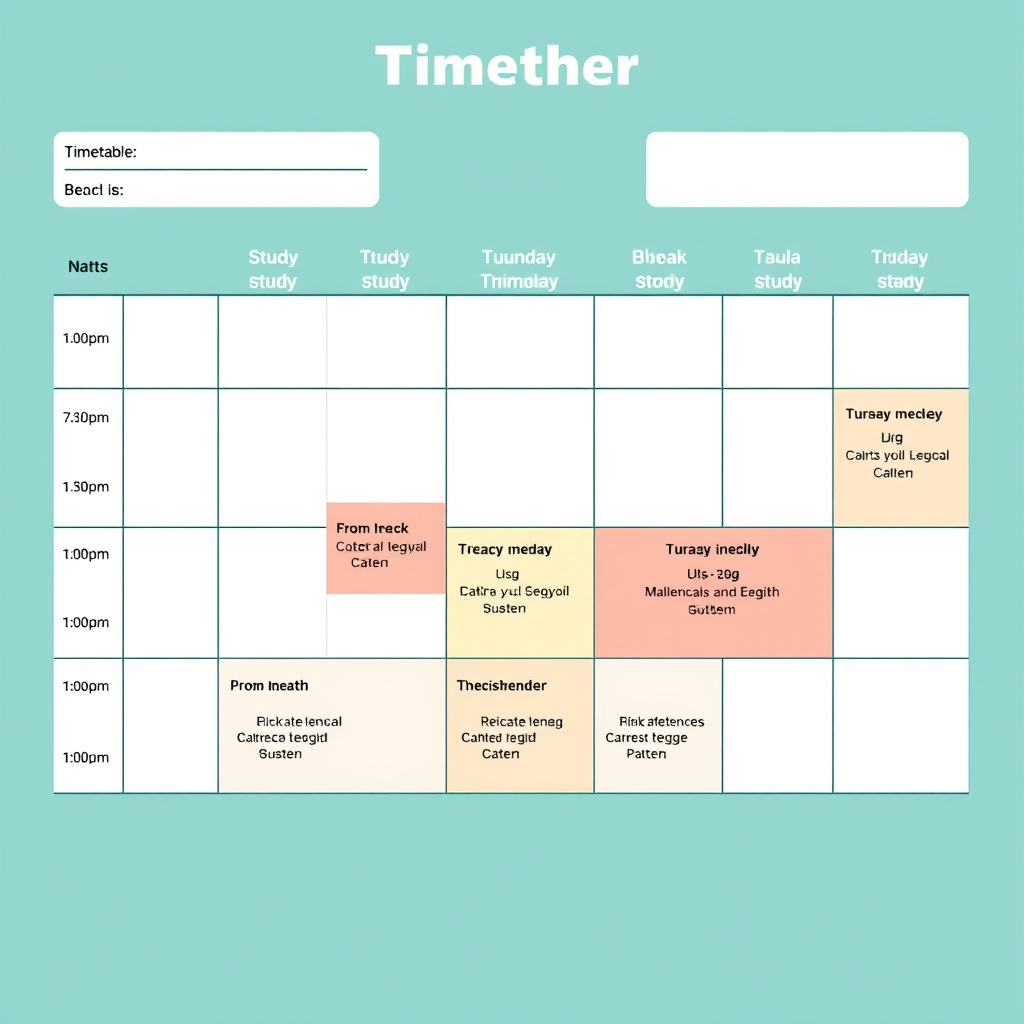
Using Time Blocks and the Pomodoro Technique
Breaking study time into focused intervals with regular breaks maintains mental stamina. The Pomodoro technique, for example, involves 25 minutes of work followed by a 5-minute break.
This prevents burnout, keeps motivation high, and makes large tasks manageable. Adjust time blocks to fit your attention span for optimal output.
- Set a timer to track intervals
- Use breaks for light movement or relaxation
Prioritizing Topics with Effective Study Planning
Start by identifying subjects or topics that need the most attention and plan your sessions accordingly. Tackling difficult material when your mind is freshest is key.
Use tools like to-do lists or study apps to keep track and adjust plans based on progress. This tailored approach avoids wasted time on already mastered content.
- Assess weak points regularly
- Balance review with new learning
Leveraging Technology and Tools to Study Smarter

Utilizing Digital Flashcards and Apps
Apps like Anki or Quizlet implement spaced repetition and active recall automatically, enhancing study efficiency. They allow customization for your specific materials and track performance.
These tools can transform passive reading into interactive sessions, providing feedback loops that help identify weak spots and reinforce learning.
Organizing Notes with Digital Tools
Note-taking apps like Evernote or Notion enable quick organization and easy review of study materials. Linking concepts and tagging pages helps create a searchable knowledge base.
Digital notes facilitate multimedia incorporation like images, audio, or links, making learning more engaging and accessible across devices.
The Role of Healthy Habits in Studying Smarter

Nutrition and Hydration Support Cognitive Function
Eating balanced meals rich in omega-3s, antioxidants, and vitamins boosts brain function. Staying hydrated aids concentration and prevents fatigue during study sessions.
Avoiding heavy, sugary foods and caffeine crashes helps maintain steady energy levels crucial for sustained mental effort.
Incorporating Regular Exercise and Sleep
Physical activity promotes neurogenesis and improves memory retention. Even short walks during breaks can refresh your mind.
Prioritizing 7 to 9 hours of quality sleep consolidates information learned and prepares your brain for the next study period.
Avoiding Common Study Pitfalls

The Ineffectiveness of Passive Review
Simply rereading textbooks or highlighting without interaction leads to poor retention. Passive methods give a false sense of familiarity without deep learning.
Replacing passive review with active recall or practice problems engages deeper cognitive processes and improves recall ability for exams.
For additional insights into effective learning strategies, refer to the comprehensive overview of study techniques on Wikipedia. study techniques on Wikipedia.
Procrastination and Overwhelm Management
Procrastination often stems from unclear goals or feeling overwhelmed. Breaking tasks into smaller, well-defined steps makes starting easier.
Scheduling regular, focused sessions combats last-minute cramming and reduces anxiety before tests or deadlines.
- Set realistic daily goals
- Use timers and alarms
- Reward progress
Comparison of Popular Study Methods
The table below summarizes key features, benefits, and drawbacks of common study methods to help you choose what suits your style best.
| Method | Description | Best For | Pros | Cons |
|---|---|---|---|---|
| Spaced Repetition | Reviewing material at increasing intervals over time | Long-term retention | Efficient memory consolidation, data-driven scheduling | Requires commitment and tracking |
| Active Recall | Retrieving info from memory via testing or recitation | Enhancing deep learning | Promotes strong memory and understanding | Can be mentally tiring |
| Pomodoro Technique | Timed study intervals with short breaks | Maintaining focus and stamina | Prevents burnout, easy to implement | Not ideal for complex tasks needing longer focus |
| Mind Mapping | Visualizing relationships between ideas | Creative subjects and problem solving | Organizes complex concepts, aids understanding | May be time-consuming to create |
Frequently Asked Questions
How often should I review material using spaced repetition?
Spaced repetition schedules reviews just before you're likely to forget, starting from a day later, then increasing intervals like 3, 7, 14 days, improving long-term retention.
Can studying smarter replace longer study hours?
Yes, studying smarter focuses on quality and technique over quantity, often reducing needed hours by improving efficiency and information retention.
What is the best way to handle distractions while studying?
Create a dedicated, distraction-free workspace, silence notifications, and use time-blocking techniques like Pomodoro to maintain focus.
Are digital tools necessary for studying smarter?
Digital tools can enhance learning through organization and active recall support, but smart study techniques can also be applied with traditional methods effectively.
How does sleep affect study effectiveness?
Sleep consolidates memories and refreshes cognitive function, making it essential for absorbing and recalling learned material.
Key Takeaways
- Active recall and spaced repetition improve long-term memory efficiently.
- A distraction-free, well-lit study space enhances focus and stamina.
- Organized study sessions with breaks maintain motivation and effectiveness.
- Healthy habits like sleep and nutrition support cognitive performance.
Conclusion
Approaching learning with the mindset of studying smarter not harder means focusing on techniques that actively engage memory and fit your natural rhythms. Utilizing methods like active recall and spaced repetition efficiently targets information retention, while organizing your study environment and schedule prevents fatigue and distractions. This strategic approach encourages more meaningful study sessions with less wasted effort, helping you truly understand and remember material instead of just reviewing it repeatedly.
For students aiming to improve exam results or lifelong learners wanting to acquire knowledge confidently, tailored choices matter. Those who struggle with procrastination or burnout might benefit from structured methods like the Pomodoro technique combined with clear goal-setting. Meanwhile, learners in creative or complex subjects could complement these with mind mapping or digital note organization. Testing out different tools and environments allows you to find what works best personally for effective study techniques that save time and reduce stress.
Ultimately, start with small changes like shifting from passive reading to active retrieval and gradually incorporate time management tools and healthy habits. Prioritizing quality of effort over quantity will lead to improved academic success and more enjoyable learning experiences. Take the first step by designing a focused study routine today, and remember that consistent, smart practice beats last-minute cramming every time.