What Makes a Good Tutor: Key Traits and Effective Tutoring Strategies
A good tutor is someone who combines solid knowledge of the subject with strong communication skills, empathy, and adaptability. They tailor their teaching approach to each student's needs, fostering understanding and confidence quickly and effectively.
Having a good tutor matters because personalized guidance can transform a student's learning experience, helping them overcome obstacles, clarify doubts, and strengthen skills. A tutor’s ability to connect and adapt impacts motivation and long-term academic improvement.
This article will explore key characteristics of successful tutors, effective tutoring strategies, different tutor types, and how to identify the best fit for your educational goals.
Essential Qualities That Make a Good Tutor

Subject Mastery and Knowledge
A tutor must have deep understanding of the subject they teach to provide accurate explanations and answer questions confidently. This expertise also allows them to anticipate common student challenges and address them proactively.
Effective tutors keep their knowledge current by staying updated on curriculum changes and new teaching resources, lending credibility to their instruction.
- Strong grasp of subject material
- Up-to-date knowledge of curriculum standards
Communication and Interpersonal Skills
Clear, patient communication is vital for good tutoring. Tutors translate complex concepts into understandable language and listen actively to student concerns or misunderstandings.
Building rapport encourages a positive learning environment where students feel comfortable asking questions and expressing doubts.
- Patient explanations
- Active listening skills
- Building trust with students
Effective Tutoring Techniques to Enhance Learning

Personalized Instruction and Adaptability
What makes a good tutor includes adapting lessons to suit each student’s pace, learning style, and interests. Differentiated instruction helps keep students engaged and supports better knowledge retention.
Good tutors assess progress regularly and modify strategies if students struggle, offering additional examples or using alternative explanations.
- Customized lesson plans
- Flexible teaching approaches
For more on this, see our related guide: How to Choose a Tutor for Struggling Students: A Practical Guide.
Encouraging Critical Thinking and Problem Solving
Effective tutors inspire students to analyze problems rather than memorize answers. By asking open-ended questions and guiding students through reasoning, tutors build independent learning skills.
Teaching students to approach challenges systematically fosters confidence that extends beyond the tutoring sessions.
- Use of probing questions
- Promoting analytical reasoning
Types of Tutors and Their Roles

Professional Tutors
Professional tutors often hold certifications or degrees in the subject they teach and have formal training in educational methods. They are usually paid for their services and provide structured lessons.
They offer expertise suited for exam preparation, advanced topics, and remediation in challenging subjects.
- Certified or trained educators
- Structured lesson delivery
Peer Tutors and Online Tutoring
Peer tutors typically are fellow students helping classmates, which fosters shared understanding through relatable experiences and collaborative learning.
Online tutors bring flexibility by connecting students to experts remotely, offering a wide range of subjects and schedules, often using digital tools to enhance instruction.
- Relatable peer support
- Flexible online access
Assessing and Selecting the Best Tutor for Your Needs

Evaluating Qualifications and Experience
Look for tutors with proven background in the subject, relevant teaching experience or certifications, and positive reviews or references from previous students or schools.
Experience with your student’s grade level and specific learning challenges can make a significant difference in session effectiveness.
- Relevant academic credentials
- Track record of student success
For more on this, see our related guide: How to Find Effective One on One Tutoring in Doral FL.
Trial Sessions and Compatibility
Trial tutoring sessions help assess whether the tutor’s style matches the student’s personality and learning preferences. Comfortable interaction promotes better engagement.
Ask questions about tutor strategies during these sessions to confirm alignment with your educational objectives.
- Scheduling trial tutoring sessions
- Checking teaching methods alignment
Tools and Resources That Support Good Tutors
Educational Technology and Multimedia
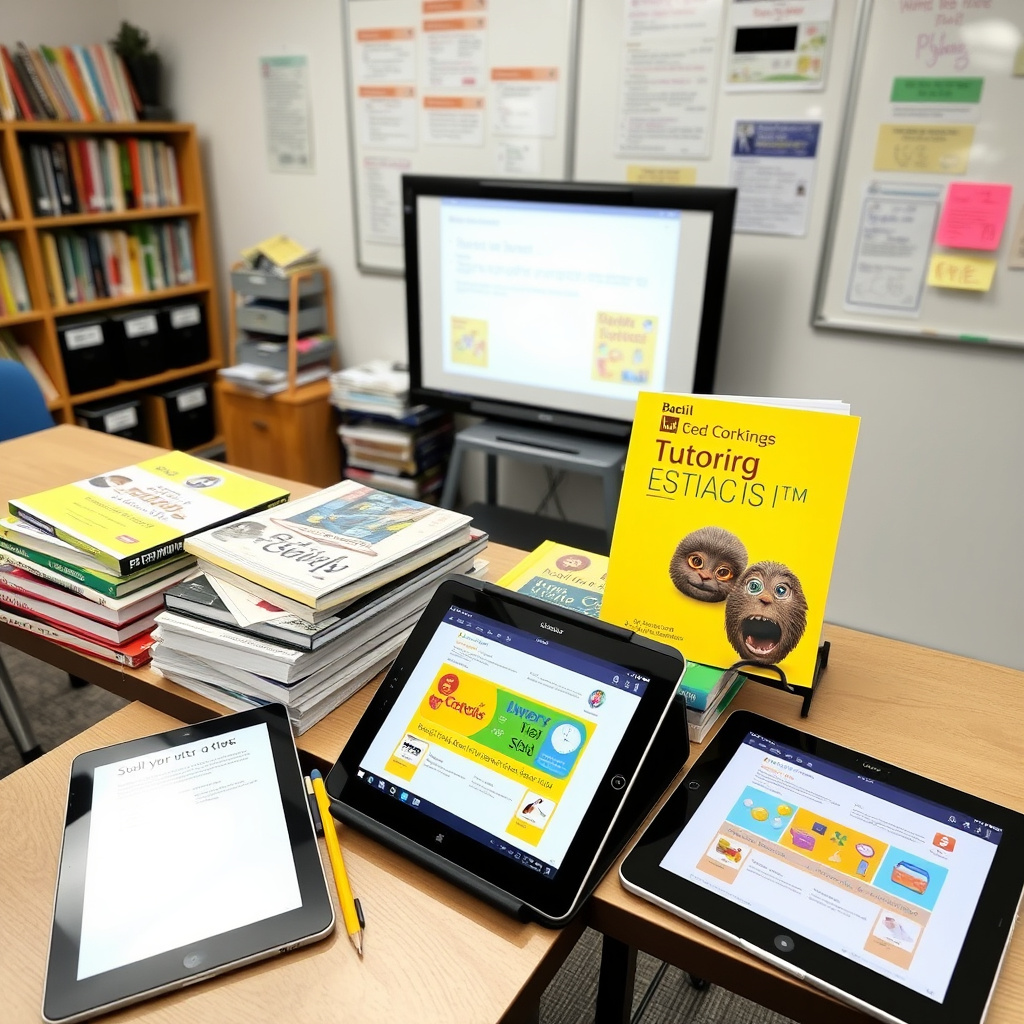
Good tutors leverage educational software, interactive apps, and multimedia presentations to clarify concepts and engage diverse learning styles.
Such tools can include virtual whiteboards, video explanations, and quizzes that make lessons more interactive and track progress effectively.
- Use of digital learning platforms
- Interactive visual aids
For additional context on tutoring methods and roles, you can refer to this comprehensive tutoring practices overview. tutoring practices overview.
Supplemental Materials and Practice Exercises
Supplemental worksheets, practice problems, and reading materials reinforce tutoring sessions. Tutors use these to help students apply knowledge independently outside tutoring time.
Carefully selected resources match students’ current topics to optimize learning continuity.
- Customized practice worksheets
- Relevant reading assignments
Tutor Types Comparison by Expertise, Flexibility, and Cost
The following table compares common tutor categories based on qualifications, flexibility, and average cost per hour.
| Tutor Type | Qualifications | Flexibility | Average Cost per Hour |
|---|---|---|---|
| Professional Tutor | Certified/Experienced Educator | Moderate to High (in-person & online options) | $40 – $80 |
| Peer Tutor | Student or Recent Graduate | High (often informal scheduling) | $0 – $20 |
| Online Tutor | Varies: Certified to Peer | Very High (anywhere, anytime) | $25 – $60 |
| Specialized Tutor (e.g., test prep) | Subject & Exam Specialist | Moderate (often scheduled sessions) | $50 – $100 |
Frequently Asked Questions
How often should tutoring sessions be scheduled for best results?
Frequent sessions, such as once or twice a week, help maintain steady progress without overwhelming students. Consistency allows tutors to track improvement and adjust lessons.
Can a good tutor help students with learning disabilities?
Yes, many skilled tutors are trained to adapt their teaching strategies for students with learning disabilities by using specialized techniques and materials tailored to individual needs.
Is online tutoring as effective as in-person tutoring?
Online tutoring can be equally effective when it employs interactive tools and fosters strong communication. It offers convenience and broad access to diverse tutors.
What role does feedback play in tutoring?
Regular feedback helps students understand their strengths and areas needing improvement, motivating them and guiding tutors to adjust their methods to better support learning.
Do tutors help only with homework or also with test preparation?
Good tutors cover a broad range including homework help, concept review, skill building, and targeted test preparation tailored to specific exams or standardized tests.
Key Takeaways
- A good tutor combines subject expertise with effective communication and adaptability.
- Personalized instruction and fostering critical thinking enhance student learning.
- Professional, peer, and online tutors each offer different benefits for various needs.
- Trial sessions and checking qualifications help identify the best tutor fit.
Conclusion
Finding what makes a good tutor requires balancing several factors such as subject knowledge, teaching style, and the ability to connect with students. Understanding these elements helps parents and learners make informed decisions that support long-term academic growth and confidence. The right tutor adapts dynamically to challenges and nurtures skills beyond immediate goals.
Different tutoring options serve diverse learning scenarios—professional tutors excel in structured progress and exam prep, peer tutors offer relatable guidance and motivation, while online tutors provide flexible access. Depending on needs—for instance, advanced subject mastery or continuous homework support—selecting the fitting type maximizes outcomes and often budget considerations.
Starting with trial sessions combined with clear communication about goals presents a practical path forward. Leveraging resources like educational technology can also supplement tutoring effectiveness. Ultimately, an engaged, adaptable tutor aligned with a student's learning style smooths the path toward academic success and lasting skills development.