What Should I Look for in a Tutor? A Practical Guide to Finding the Right Educator
When asking what to look for in a tutor, the answer centers on identifying someone who can connect with your specific learning style and help you achieve your academic goals. This means seeking a tutor with not only strong subject knowledge but also the ability to communicate clearly and adapt lessons to your pace and preferences.
Finding the right tutor matters because a good match can transform your understanding and boost confidence. An effective tutor makes difficult concepts accessible, maintains your motivation, and provides personalized attention that classroom settings often lack. The relationship is as important as the content; trust and comfort greatly impact progress.
This article will explore the key indicators to recognize in a tutor, including their expertise, teaching approach, availability, and interpersonal skills. We’ll also review practical tips for evaluating tutors before committing and compare tutoring formats to help you decide which suits you best.
Understanding Tutor Qualifications and Expertise
Subject Knowledge and Academic Background
A tutor’s subject knowledge forms the foundation for effective teaching. Look for someone with a strong academic background in the relevant area, such as a degree or certifications. This ensures they have a thorough grasp of the material and can answer complex questions accurately.
However, simply holding qualifications is not enough; ensure your potential tutor has recent or relevant experience in teaching the subject, which reflects their ability to convey concepts clearly.
- Check for degrees or certifications related to the subject
- Confirm practical teaching experience in the subject area
Specialized Skills and Additional Training
Tutors with specialized training—such as experience with learning disabilities or exam techniques—can provide tailored support beyond standard instruction. For example, knowledge of SAT or IELTS test strategies can be invaluable if test preparation is your goal.
Evaluate whether the tutor has undergone any professional tutor training programs, which often include pedagogical methods designed to enhance student engagement and learning effectiveness.
- Look for certifications in tutoring or education
- Consider tutors experienced in exam-specific coaching
Teaching Style and Adaptability

Customized Lesson Plans and Flexibility
A key trait you should look for in a tutor is their ability to tailor lessons according to your strengths, weaknesses, and goals. Effective tutors don’t rely on one-size-fits-all approaches but modify their teaching strategies based on your progress and feedback.
Flexibility also includes adapting session formats, such as switching between theory and practice or incorporating different types of resources like videos, practice problems, or discussions to reinforce learning.
- Tutors who assess your level before designing lessons
- Ability to adjust pace and difficulty as needed
Communication Skills and Approachability
Good tutors communicate clearly without overwhelming you with jargon, making complex ideas accessible. They should encourage questions and foster a supportive environment where you feel comfortable expressing doubts or difficulties.
Approachability and a positive attitude are essential. A tutor who is patient and empathetic can significantly reduce frustration, creating a productive learning atmosphere.
- Clear, patient explanations
- Encouragement and openness to questions
Scheduling, Availability, and Support
Session Frequency and Timing Flexibility
A tutor’s availability should align with your schedule to maintain steady progress. Consistency in sessions is critical; irregular tutoring may disrupt momentum. Identify tutors who offer convenient time slots, including evenings or weekends if needed.
Consider whether the tutor allows rescheduling with reasonable notice to accommodate changes in your timetable or unexpected events.
- Regular session availability to keep learning consistent
- Flexible rescheduling policies
For more on this, see our related guide: How to Choose the Best Test Preparation Tutor in Doral FL for Effective Results.
Access to Additional Resources and Support
Beyond live sessions, the best tutors provide extra materials like practice exercises, review notes, or online tools. Some also offer support through emails or messaging, helping resolve questions between meetings.
Evaluate whether the tutor makes themselves available for follow-up queries and provides constructive feedback to guide your ongoing development.
- Supplementary study materials
- Post-session support and feedback
Evaluating Credentials Through Reviews and Trials

Importance of Testimonials and References
Reviews and testimonials offer insight into a tutor’s effectiveness beyond their resumes. Positive feedback from former students shows reliability and success with learners of various backgrounds.
Seek specific comments on teaching style, punctuality, and how much improvement students experienced. Reliable testimonials can give confidence that the tutor meets their claims.
- Look for reviews mentioning tailored teaching
- Beware of tutors with consistently negative feedback
Trial Lessons and Initial Assessments
Many tutors offer a trial lesson or initial assessment, which allows you to gauge compatibility without long-term commitment. Use this time to assess their communication, teaching style, and how comfortable you feel.
A trial also helps confirm if their expertise matches your expectations and if their method motivates you to learn.
- Book trial sessions before committing
- Use initial assessments to determine skill gaps
Choosing Between Online and In-Person Tutoring Options
Advantages of Online Tutoring
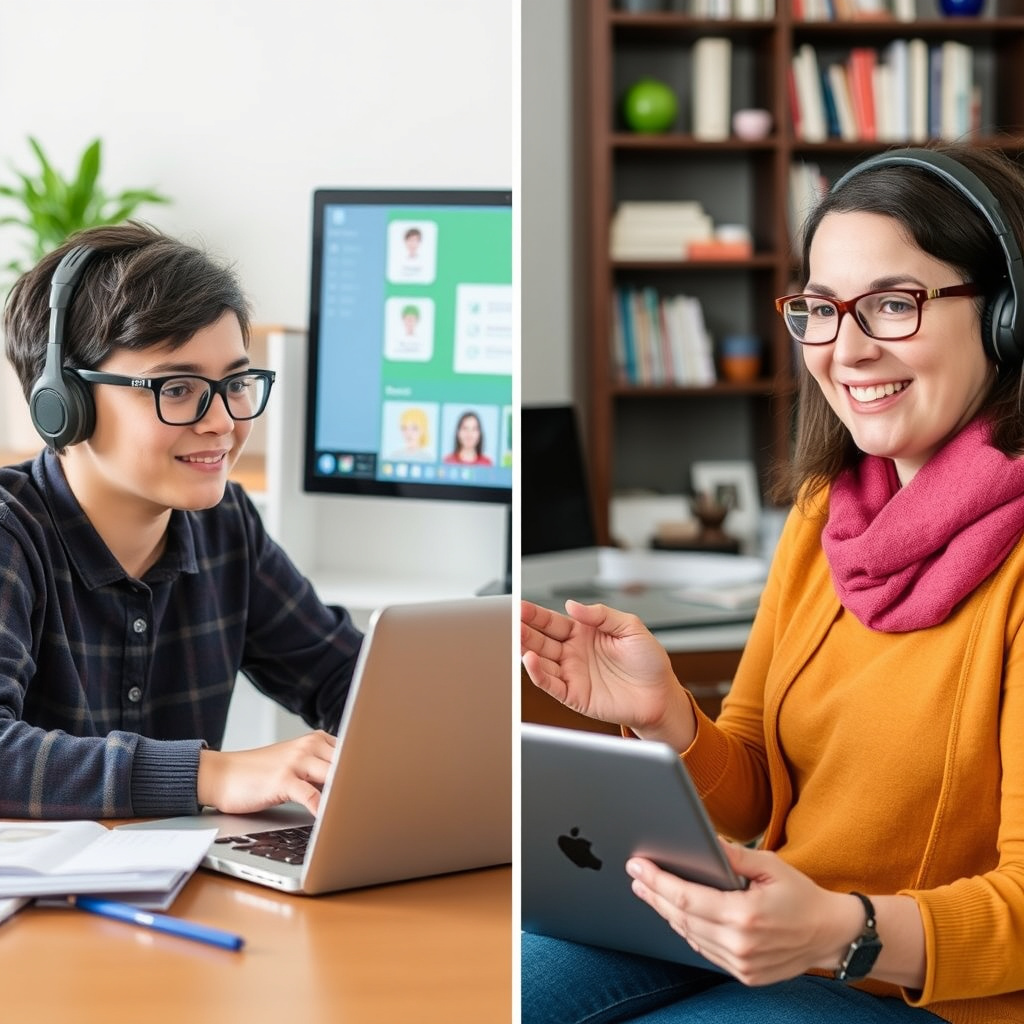
Online tutoring offers flexibility, allowing access to skilled tutors anywhere regardless of location. It often includes digital tools like interactive whiteboards and recorded sessions, facilitating review at your own pace.
This format suits learners comfortable with technology and those needing a wide range of scheduling options.
- Access to diverse tutors worldwide
- Flexible scheduling and session recordings
For more on this, see our related guide: How to Choose a Reading Comprehension Tutor That Boosts Your Skills.
Benefits of In-Person Tutoring
In-person tutoring enables direct interaction, which some learners find more engaging. Nonverbal cues and hands-on support can clarify difficult concepts better than a screen.
Local tutors allow for consistent face-to-face meetings, which can help with accountability and building rapport.
- Personal connection and immediate feedback
- Structured environment with fewer technology issues
Assessing Cost and Value for Your Investment
Understanding Pricing Models
Tutoring rates vary based on tutor experience, subject complexity, and session format. Hourly rates are common, but packages or subscription plans may offer discounts.
Be wary of prices that seem too low as they may reflect lack of experience or quality. Compare several tutors to find a balance between affordability and effectiveness.
- Hourly vs. package pricing
- Price often reflects experience and qualifications
For more detailed background on tutoring practices and history, you can explore tutoring information on Wikipedia. tutoring information on Wikipedia.
Evaluating Return on Investment
Assess the value of a tutor not just by cost but by outcomes such as improved grades, confidence, or exam scores. Investing more upfront with a skilled tutor can save time and frustration later.
Consider tutors who provide clear progress tracking and personalized goals, which help you understand what you achieve from each session.
- Look for tutors who track and report progress
- Consider long-term benefits over upfront cost
Tutor Types Comparison
Here’s a comparison of various tutor types to help you understand their suitability based on experience, flexibility, and cost.
| Tutor Type | Experience Level | Scheduling Flexibility | Cost per Hour | Best For |
|---|---|---|---|---|
| Professional Tutor | High (degree and certifications) | Medium | $40-$80 | Serious academic improvement and exam prep |
| Peer Tutor | Medium (student or recent graduate) | High | $15-$30 | Budget-friendly support and homework help |
| Online Platform Tutor | Varies widely | Very High | $20-$60 | Convenience and access to diverse tutors |
| Specialized Test Prep Tutor | High with test-specific expertise | Medium | $50-$90 | Standardized test strategies and coaching |
Frequently Asked Questions
How often should I meet with my tutor?
Meeting frequency depends on your goals and schedule but typically one to two sessions per week maintain momentum without overwhelming your calendar.
Can tutors help with learning disabilities?
Yes, many tutors specialize or adapt methods to support learning challenges like dyslexia, offering tailored strategies that improve comprehension and confidence.
Is online tutoring as effective as in-person?
Online tutoring can be equally effective if both parties have good technology and adapt well. It offers flexibility but may lack the personal touch some prefer.
What questions should I ask a potential tutor before hiring?
Ask about their experience, teaching methods, availability, progress tracking, and willingness to provide references or trial sessions.
How can I tell if a tutor is a good fit?
You’ll notice a good fit if you feel comfortable, understand their explanations easily, and see steady progress towards your learning goals.
Key Takeaways
- Look for tutors with relevant academic credentials and practical teaching experience.
- A good tutor adapts lessons to your learning style and encourages open communication.
- Scheduling flexibility and extra support materials enhance your learning experience.
- Consider both online and in-person options based on your preferences and access.
Conclusion
Choosing what to look for in a tutor involves balancing qualifications, teaching style, and logistics. Prioritize tutors who not only understand their subject deeply but also listen and respond to your individual needs. Regular evaluations through trial sessions or feedback help verify compatibility and effectiveness throughout the process.
In specific scenarios, professional tutors with specialized test prep skills make excellent choices if aiming for standardized exams, while peer tutors provide affordable ongoing assistance for daily homework. Online tutors offer great scheduling convenience, but in-person tutoring can strengthen engagement for those valuing direct interaction. Assess your goals and learning preferences to select the best match.
Start by identifying your priorities—whether it's subject expertise, flexibility, or cost—and arrange trial sessions to experience different tutors firsthand. Combining clear communication about your objectives with attentive listening to their teaching style will lead you to a tutor who supports your academic journey successfully.