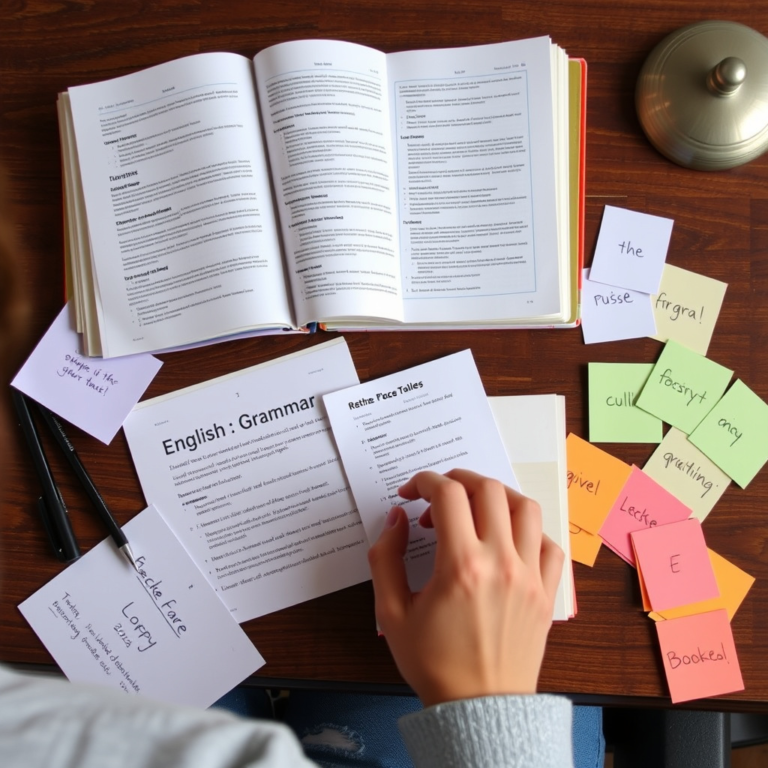
How to Study at Home Effectively: Strategies for Success
Studying at home demands a focused approach to create an environment that fosters learning and minimizes distractions. To study at home effectively, set clear goals, designate a specific study area, and use structured schedules that promote regular sessions without interruptions.
With the rise of remote education and self-paced learning, understanding how to craft a personal study routine at home has become more important than ever. The right habits not only improve knowledge retention but also reduce stress associated with managing time and resources independently.
This article will explore key strategies for setting up your home study environment, managing time, maintaining motivation, and applying reliable study techniques to achieve consistent results outside traditional classrooms.
Creating an Ideal Study Environment at Home
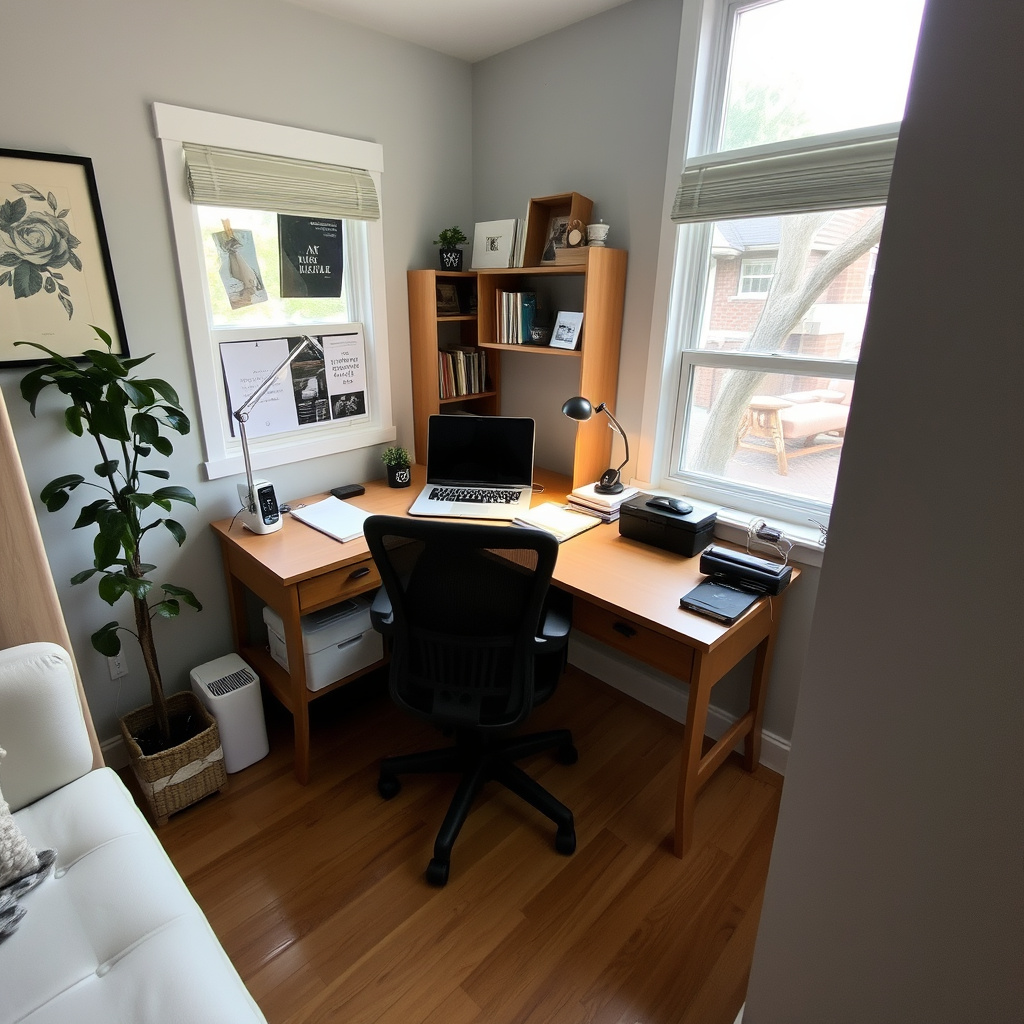
Designating a Dedicated Study Space
Selecting a specific spot in your home solely for studying helps condition your mind for focus. This space should be comfortable, well-lit, and free from distractions such as televisions or noisy household members.
Ideally, the area should contain only the supplies you need for studying, avoiding clutter which can reduce concentration. Having a consistent study corner signals your brain to transition into learning mode when you sit down.
- Choose a quiet room
- Use good lighting to reduce eye strain
- Remove unrelated gadgets and distractions
Organizing Materials and Resources
Keeping study materials neatly arranged facilitates better workflow and reduces time wasted searching for items. Invest in containers, folders, or shelving that help keep textbooks, notebooks, and stationery orderly.
Digital organization matters too: set up folders on your computer and back up files regularly to streamline access to notes, assignments, or research references.
- Label folders and shelves clearly
- Use digital tools for note organization
- Maintain a clean desk for focus
Time Management Techniques for Home Study

Developing a Consistent Study Schedule
A fixed study timetable helps build routine and prevent procrastination. Break your day into manageable blocks with planned breaks, and stick to designated start and end times to reinforce discipline.
Incorporate varied subjects or tasks within your schedule to maintain engagement and avoid mental fatigue. Adjust time blocks based on personal focus peaks, aligning demanding work for high-energy periods.
- Use calendars or planners
- Set reminders or alarms to start sessions
- Include short breaks routinely
Prioritizing Tasks for Effective Learning
Determine which subjects or assignments require immediate attention and tackle those first to maximize productivity. Use methods like the Eisenhower box to distinguish urgent versus important tasks.
Creating daily to-do lists clarifies objectives and gives a sense of accomplishment as items are completed, promoting motivation across study sessions.
- Rank tasks by deadlines and difficulty
- Use task management apps if helpful
- Review and adjust priorities regularly
Maintaining Motivation When Studying at Home

Setting Clear Goals and Rewards
Defining specific, achievable study goals empowers you to track progress meaningfully. Pair goals with small rewards upon completion to create positive reinforcement that encourages ongoing effort.
Whether the reward is a short break, a favorite snack, or leisure time, these incentives break monotony and sustain enthusiasm for study tasks.
- Set weekly or session goals
- Choose realistic rewards
- Celebrate milestones to nurture motivation
For more on this, see our related guide: How to Get Effective Math Homework Help Fast and Easily.
Building a Support System
Studying at home can feel isolating, so cultivating connections with peers, tutors, or family members fosters accountability and encouragement. Virtual study groups or regular check-ins help sustain momentum and clarify difficult concepts.
Sharing goals and progress can also reduce procrastination by making you more answerable to others invested in your success.
- Join online study groups
- Schedule regular discussions
- Seek feedback from mentors
Effective Study Techniques Suitable for Home Learners

Active Recall and Spaced Repetition
Active recall involves testing yourself on the material instead of passively reviewing it. This method strengthens memory retention, especially when combined with spaced repetition, which spaces review sessions over increasing intervals.
Tools like flashcards or apps that employ spaced repetition algorithms can enhance this practice, making study sessions shorter but more effective.
- Use flashcards or quizzes
- Schedule reviews over days or weeks
- Focus on trouble topics repeatedly
Using Visual Aids and Note-taking Strategies
Incorporating diagrams, charts, and color-coded notes helps engage different cognitive pathways and simplifies complex information. Methods like the Cornell note-taking system organize notes for easier revision.
Digital note-taking platforms allow for multimedia integration and quick edits, providing flexibility suited for home study.
- Create mind maps
- Use color codes for subjects
- Review notes promptly after study sessions
Managing Distractions and Building Concentration

Minimizing Interruptions
One of the biggest challenges studying at home is distractions from devices or household activities. Turning off notifications, using apps that block distracting websites, and informing family members of study times can help reduce interruptions.
Creating a habit of starting study sessions without checking phones or social media establishes a distraction-free mindset.
- Use focus apps
- Set boundaries with others
- Keep smartphone out of reach
For more on this, see our related guide: Effective Homework Help Tips for Students in Doral FL.
Techniques to Boost Concentration
Techniques such as the Pomodoro method, which breaks work into focused intervals with short breaks, enhance concentration by balancing effort and rest. Mindfulness exercises and regular physical activity can also sharpen attention spans over time.
Adjusting study session lengths according to personal stamina helps prevent burnout and maintains quality focus.
- Try Pomodoro timers
- Practice deep breathing
- Stand and stretch during breaks
Balancing Study and Well-being at Home

Incorporating Physical Activity
Physical movement stimulates brain function and reduces stress from extended study periods. Simple exercises, stretching, or short walks refresh body and mind, making study sessions more productive.
Scheduling regular physical breaks combats fatigue and supports long-term mental health, critical for sustained learning success at home.
- Take short walk breaks
- Stretch every hour
- Try yoga or light workouts
For additional insights into effective learning strategies, refer to the comprehensive overview of study skills on Wikipedia. study skills on Wikipedia.
Maintaining Mental and Emotional Health
Studying independently can sometimes feel isolating or overwhelming. Practices such as meditation, maintaining social contacts, and setting realistic expectations help manage stress and prevent burnout.
Recognizing signs of fatigue and giving yourself permission to rest promotes a sustainable study balance.
- Practice mindfulness
- Stay socially connected
- Sleep adequately
Comparison of Study Methods for Home Learners
The table below outlines strengths and ideal use cases for popular study methods suited to home learning environments.
| Study Method | Best For | Efficiency Level | Ease of Use | Required Materials |
|---|---|---|---|---|
| Active Recall | Memory retention | High | Moderate | Flashcards, quizzes |
| Spaced Repetition | Long-term retention | Very High | Moderate | Apps, flashcards |
| Mind Mapping | Visual learners | Medium | Easy | Paper, markers, software |
| Pomodoro Technique | Focus and endurance | High | Easy | Timer or app |
| Practice Testing | Exam preparation | High | Moderate | Practice exams, questions |
Frequently Asked Questions
How can I avoid getting distracted while studying at home?
Set up a quiet, dedicated study space, turn off notifications on devices, and inform others of your study schedule to minimize interruptions and maintain focus.
What is the best time of day to study at home?
The best time varies per individual; identify when you feel most alert and schedule study sessions during those periods to maximize concentration and retention.
How long should each study session be when studying at home?
Sessions of 25 to 50 minutes, broken by short 5-10 minute breaks, help maintain focus and minimize burnout, following techniques like Pomodoro.
Are digital tools helpful for studying at home?
Yes, digital tools like note-taking apps, flashcard software, and scheduling apps support organization, active recall, and efficient time management.
How do I stay motivated when learning independently at home?
Set clear goals with rewards, establish a routine, and connect with peers or mentors for accountability and encouragement.
Key Takeaways
- Create a quiet, organized, and dedicated study area to boost concentration.
- Use a consistent schedule with prioritized tasks to manage time effectively.
- Incorporate active recall and spaced repetition as powerful study techniques.
- Maintain motivation through goal-setting, rewards, and social support.
Conclusion
Deciding how to study at home effectively means creating an environment and routine that align with your individual needs and learning style. Designing a distraction-free space combined with structured schedules addresses many challenges of remote studying. Incorporating proven techniques such as active recall helps maintain engagement and deepens retention, forming the foundation of productive home study habits.
Different learners may benefit from distinct study methods and time management strategies. Those focused on memorization can heavily rely on spaced repetition tools, while others may prefer mind mapping for visual comprehension. Establishing a system that balances study, breaks, and self-care ensures sustainable progress and prevents burnout, whether you are preparing for exams or learning new skills independently.
Starting with small, manageable steps—like setting up a dedicated study corner and applying focused time blocks—provides an immediate improvement to study quality at home. From there, gradually implementing advanced techniques and maintaining social connections will strengthen your capability to learn effectively on your own. Prioritizing consistency and self-awareness ultimately leads to better academic results outside traditional classrooms.