How to Read Faster: Proven Techniques to Boost Your Reading Speed
If your goal is to read faster, you can achieve it by practicing specific techniques designed to enhance your eye movement and comprehension. Techniques like chunking words, minimizing subvocalization, and expanding peripheral vision immediately improve your reading speed with consistent effort.
Reading faster matters because it saves time while allowing you to absorb more information in less time, which benefits students, professionals, and avid readers alike. Effective speed reading can turn lengthy articles or books into manageable tasks without sacrificing understanding.
This guide covers several proven methods to help you learn how to read faster, including preparation exercises, practical strategies during reading, and tools to track your progress. You’ll find advice suitable for a variety of reading materials, enabling you to pick what works best for your needs.
Understanding the Basics of How to Read Faster

What Limits Your Reading Speed?
One major factor limiting reading speed is subvocalization, which is silently pronouncing each word as you read. This slows the pace to roughly the speed of speaking rather than processing words visually. Another limit is fixation—the number of times your eyes pause on words during reading.
Additionally, regression or rereading text due to lack of focus or comprehension also lowers reading throughput. Understanding these limitations helps you target the right techniques to improve speed by reducing unnecessary eye movements and mental habits.
How Eye Movement Affects Reading
Your eyes don't read word by word; they jump in quick motions called saccades between fixations. The duration and frequency of these fixations directly impact reading speed. Training your eyes to make fewer and longer jumps increases how many words you take in per glance.
Peripheral vision also plays a role in capturing multiple words simultaneously. Exercises that widen your visual span help you read chunks of text faster rather than focusing on single words or letters.
Speed Reading Techniques to Read Faster
Chunking Words for Quicker Comprehension
Chunking groups words into meaningful phrases or clusters, allowing your brain to process multiple words at once. This reduces the number of eye fixations and helps you capture ideas faster without losing meaning.
To practice chunking, try reading blocks of two to three words together instead of moving word by word. This takes patience but boosts your pace after consistent use.
- Practice grouping 2-3 words together
- Avoid fixating on single words
- Use wider eye span to catch chunks
Reducing Subvocalization
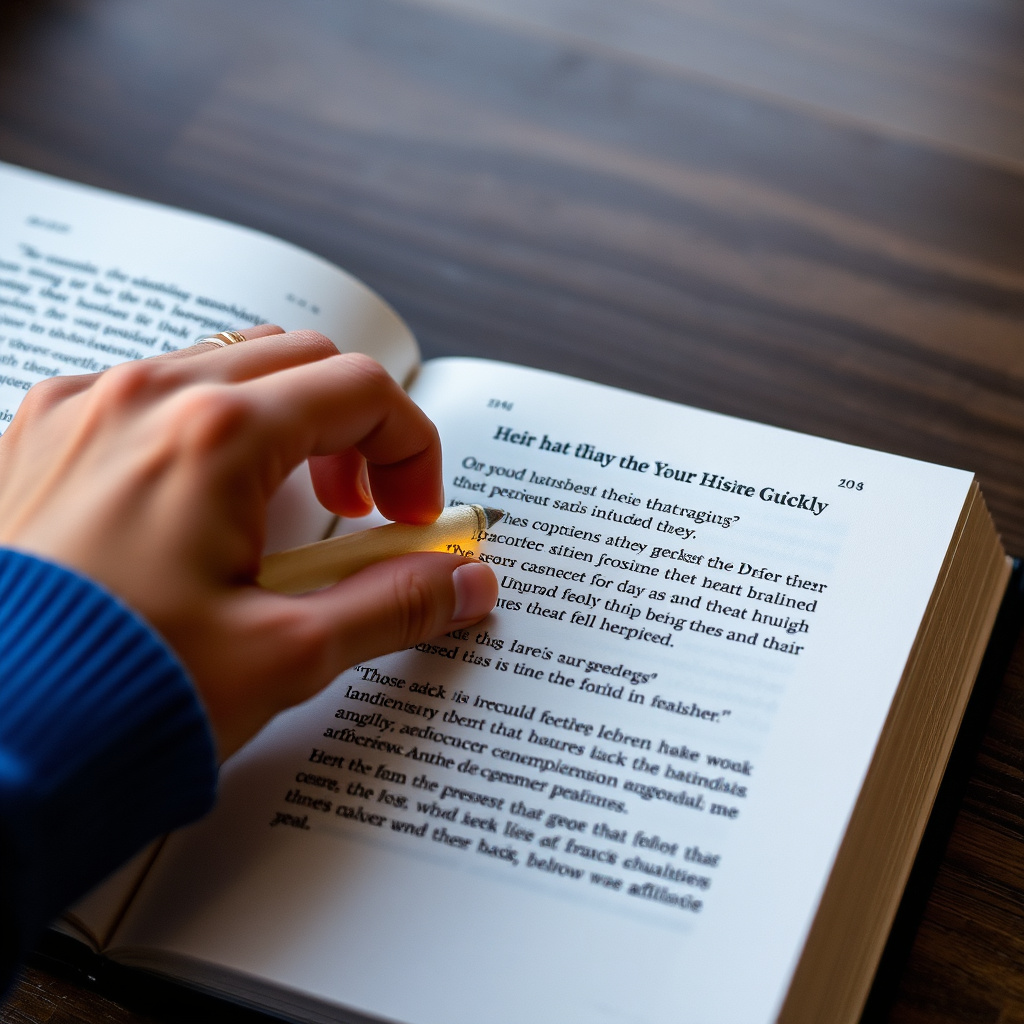
Subvocalization silently 'speaks' each word, limiting reading speed to vocal habits. To lessen it, read with a finger or pointer to pace your eyes faster than you can vocalize, or listen to instrumental music while reading to distract the subvocal process.
Over time, your brain adapts to process words visually instead of aurally, enabling faster reading without sacrificing comprehension.
- Use finger or pointer to guide reading
- Try background instrumental music
- Focus on visual word recognition
Improving Focus and Comprehension for Speed

Creating an Ideal Reading Environment
Distractions disrupt concentration and increase regression, lowering reading speed. A quiet, well-lit space free from interruptions promotes sustained focus, which helps process text faster and retain more information.
Decluttering your reading area and turning off notifications are simple steps to enhance focus. Using comfortable seating and natural lighting prevents eye strain, supporting longer reading sessions.
- Choose quiet, comfortable space
- Turn off electronic distractions
- Use proper lighting to reduce eye strain
For more on this, see our related guide: How to Find the Best Reading Tutor in Doral FL for Your Child.
Active Reading to Enhance Comprehension
Engage with the text by asking questions, summarizing key points, and predicting content. Active reading prevents drifting attention and cuts down on rereading, accelerating overall reading speed.
Taking brief notes or highlighting can also reinforce understanding without significantly slowing your pace. Balance speed with understanding by integrating active techniques.
- Ask questions while reading
- Summarize paragraphs mentally or in notes
- Highlight key information sparingly
Tools and Exercises to Practice Reading Faster
Using Speed Reading Apps and Software
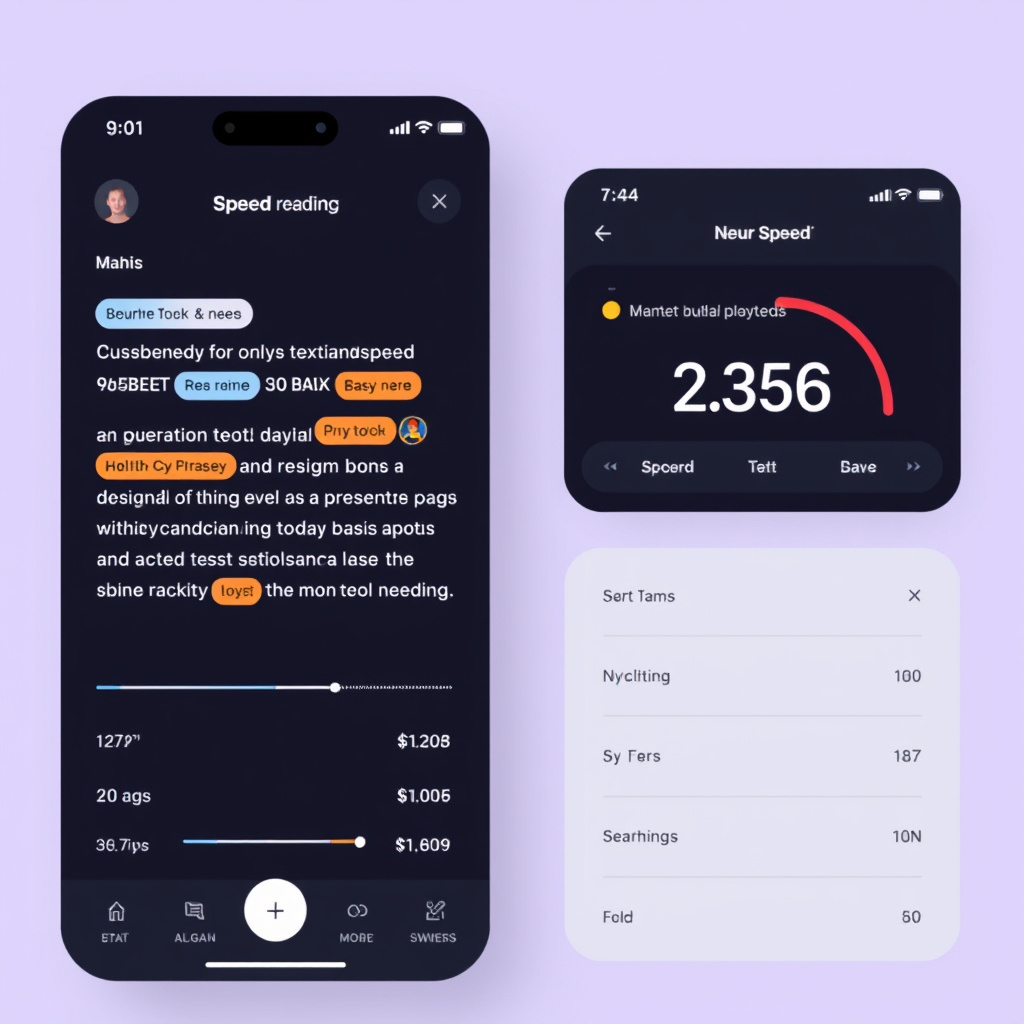
Various apps help track reading speed and offer guided drills to train eye movement and reduce subvocalization. These tools provide real-time feedback and gradually increase text difficulty to challenge your progress.
Popular apps include Spreeder, ReadMe!, and AccelaReader. They support reading in chunks and timed exercises that push reading limits effectively.
- Spreeder for paced reading practice
- ReadMe! for Android focused drills
- AccelaReader for customizable settings
Eye and Brain Exercises to Enhance Speed
Exercises such as peripheral vision drills, tracking lines with a pointer, and comprehension quizzes train mental speed and recognition. These build the neurological pathways responsible for rapid text processing.
Daily practice of short exercises, like using a ruler to guide lines or timed reading to push your natural pace, cumulatively improves ability over weeks.
- Peripheral vision word spotting
- Line tracking with a ruler or finger
- Timed reading comprehension challenges
Adapting Your Reading Strategies by Material Type
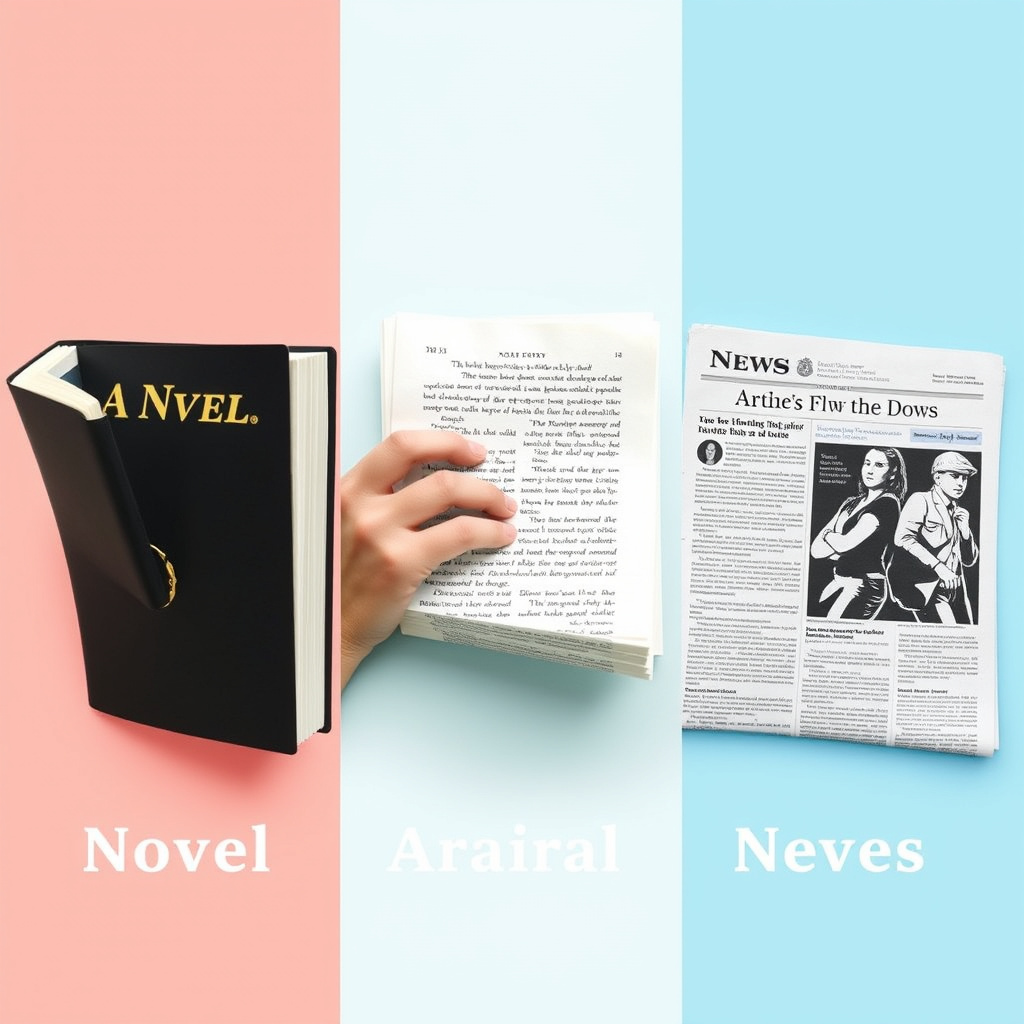
Reading Fiction and Narrative Texts Faster
Fiction often allows more fluid reading with contextual clues aiding comprehension. You can push your speed higher by focusing more on plot and characters than every detail.
Skimming parts with less action or description reduces time without missing key story elements. Giving yourself permission to read faster in narratives makes finishing books quicker.
- Focus on plot and character developments
- Skip or skim extended descriptions
- Use mental summaries to keep pace
For more on this, see our related guide: Affordable Tutoring in Doral FL: How to Find the Best Local Options.
Speed Reading for Academic and Technical Materials
Complex texts require slower, more attentive reading to understand terminology and concepts. Scanning headings, abstracts, and summaries first helps prioritize sections to read deeply versus quickly.
Chunking and active questioning are especially valuable here to retain critical information without getting bogged down.
- Preview titles and abstracts
- Chunk information by section
- Take notes on key terms and concepts
Tracking Progress and Maintaining Consistency

Measuring Your Current Reading Speed
Baseline tests involve timing how many words you read per minute with a text of known word count. This establishes your starting point and informs goal setting.
Perform tests periodically, under similar conditions, to fairly assess improvement and adjust practice routines.
- Use timed reading tests online
- Count number of words and minutes
- Record words per minute (WPM) results
For a deeper explanation on speed reading concepts and history, refer to this detailed speed reading article. speed reading.
Scheduling Regular Practice Sessions
Consistent short practice sessions are more effective than irregular long ones. Aim for 10-15 minutes daily using techniques and exercises tailored to your goals.
Regularity builds muscle memory and enhances brain speed for reading.
- Set daily reading goals
- Mix exercises and reading practice
- Use a journal or app to track consistency
Comparison of Speed Reading Techniques
This table compares popular speed reading techniques by ease of use, effectiveness, and ideal scenarios to help you choose the best fit.
| Technique | Ease of Use | Effectiveness | Best For |
|---|---|---|---|
| Chunking Words | Moderate | High | General Improvement |
| Reducing Subvocalization | Challenging | High | Serious Speed Readers |
| Using Apps | Easy | Moderate | Guided Practice |
| Active Reading | Moderate | High | Comprehension Focus |
| Skimming & Scanning | Easy | Moderate | Quick Information |
| Eye Movement Exercises | Moderate | Moderate | Vision Training |
Frequently Asked Questions
Can I read faster without losing comprehension?
Yes, with practice you can increase reading speed while maintaining or even improving comprehension by using techniques like chunking and active reading.
How long does it take to get better at speed reading?
Improvement varies but noticeable gains typically occur within a few weeks of daily practice with speed reading techniques.
Are speed reading apps helpful?
Speed reading apps provide valuable structured exercises and feedback which can accelerate learning and help maintain consistent practice.
Is subvocalization always bad for reading speed?
Subvocalization slows reading but completely eliminating it isn't necessary; reducing it enough to speed up without comprehension loss is ideal.
Does speed reading work for all types of materials?
Speed reading works best with narrative or straightforward texts; complex academic or technical materials may require slower, more focused reading.
Key Takeaways
- Reducing subvocalization and chunking words dramatically increases speed.
- Creating a distraction-free environment supports focus and faster reading.
- Practicing regularly with apps and exercises develops lasting skill.
- Adapting methods to different materials balances speed and comprehension.
Conclusion
To effectively learn how to read faster, focus on understanding how your eyes and brain process text, then adopt techniques that minimize slow habits like subvocalization and frequent fixations. Improving speed requires regular practice using chunking and guided eye movement exercises, combined with maintaining comprehension through active reading strategies. Monitoring your progress helps refine your approach to get continual gains.
For general readers, starting with chunking words and reducing subvocalization offers the quickest boost in speed. Those seeking structured guidance should consider speed reading apps and vision training exercises. Adjusting your reading style to fit the material—whether leisure reading or studying complex texts—ensures you preserve understanding without sacrificing pace.
Start your journey by testing your current reading speed, then committing to consistent practice sessions of 10-15 minutes daily. Experiment with different methods covered here to find what feels natural. Over time, you will notice faster reading that keeps you engaged with your books and articles, making the effort worthwhile.