Can Tutoring Improve Grades? Effective Strategies to Boost Academic Performance
Yes, tutoring can improve grades by providing personalized attention, targeted instruction, and tailored learning strategies that address individual student weaknesses. Unlike traditional classroom settings, tutoring adapts to the student's pace and style, helping clarify complex topics and build confidence.
Many students struggle in large classrooms where the pace might not match their learning needs. Tutoring offers a focused environment to reinforce concepts and practice problem areas, which often leads to better comprehension and retention. Improved grades follow naturally as understanding deepens through customized support.
This article explores how tutoring influences academic achievement, what types of tutoring exist, the ways tutors can help improve study habits, and how parents and students can select the right tutoring approach for the best results.
How Tutoring Targets Academic Challenges

Identifying Learning Gaps
Tutors begin by diagnosing where a student struggles, whether it’s foundational concepts or application skills. This assessment enables a plan that zeroes in on specific weaknesses rather than wasting time on topics the student already understands.
Through ongoing quizzes, discussions, and homework review, tutors track progress and adjust strategies to constantly address evolving needs, making tutoring a dynamic and responsive learning aid.
Customized Instruction Methods
Every student learns differently—some benefit from visual explanations, others from hands-on practice or verbal repetition. Tutors tailor their methods accordingly, increasing engagement and facilitating deeper learning.
This personalized approach contrasts sharply with one-size-fits-all teaching, helping students grasp difficult subjects more effectively and improving their academic confidence.
Types of Tutoring and Their Effectiveness
One-on-One Tutoring
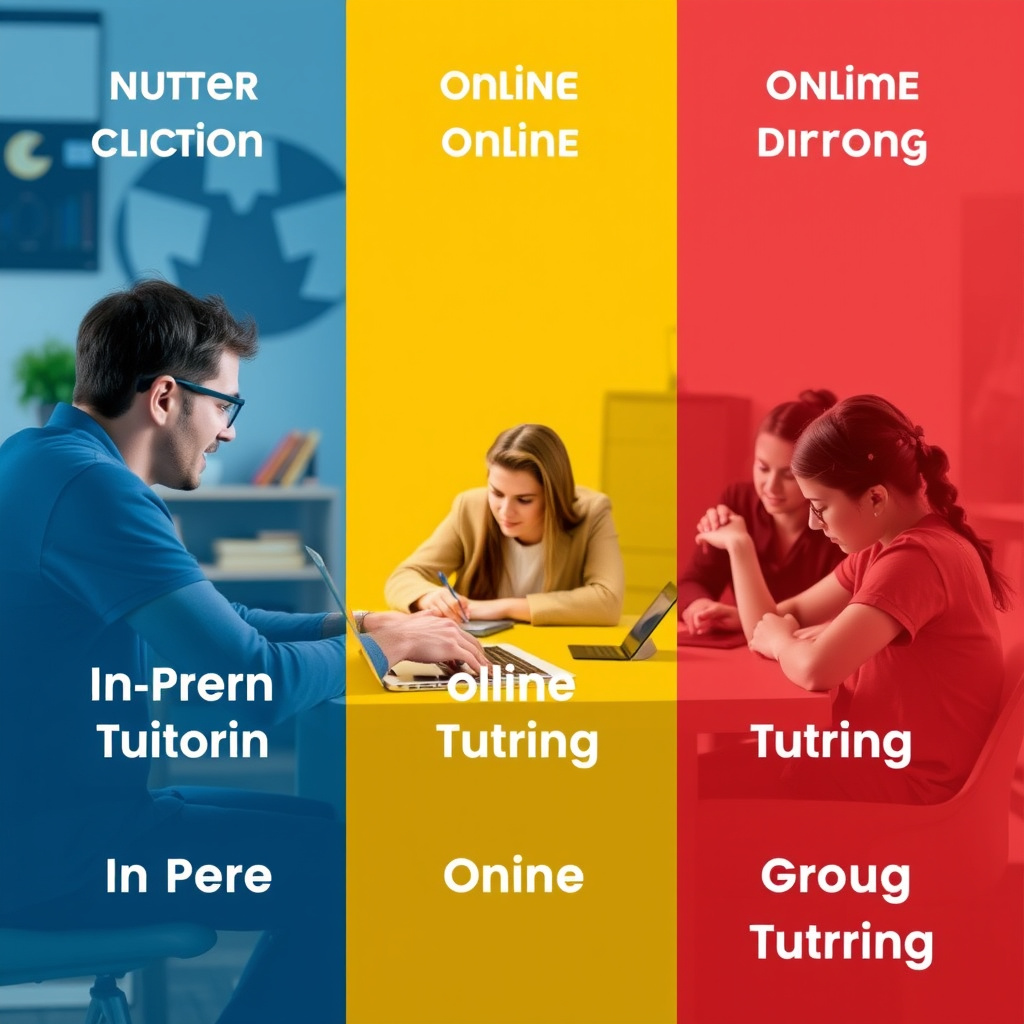
One-on-one tutoring offers undivided attention and a pace fully adapted to the student’s needs. It allows thorough exploration of problem areas and immediate feedback, which can accelerate improvement.
Though it tends to be more costly, many students experience significant grade improvements due to this customized support that targets their unique challenges.
- Personalized lesson plans
- Flexible scheduling
- Immediate feedback
Online and Group Tutoring
Online tutoring offers convenience and access to expert tutors worldwide. It often includes interactive tools like virtual whiteboards and recorded sessions, enhancing learning flexibility.
Group tutoring is more affordable and can provide peer motivation, but it may lack the personalized focus one-on-one tutoring provides, potentially limiting its effectiveness for some learners.
- Lower cost options
- Interactive technology
- Peer learning benefits
Tutoring’s Role in Developing Study Skills

Building Consistent Study Habits
Tutors often help students adopt regular study routines, guiding them on how to schedule sessions, review materials, and practice problem-solving. These habits reduce procrastination and improve long-term academic results.
By reinforcing these routines, students learn to approach learning proactively, which is a key factor in sustained grade improvement beyond individual tutoring sessions.
- Time management tips
- Homework planning
- Review techniques
For more on this, see our related guide: Affordable Tutoring in Doral FL: How to Find the Best Local Options.
Enhancing Test Preparation
Tutors teach effective strategies for exam preparation, such as identifying common question types, practicing under timed conditions, and learning stress management techniques.
These skills often lead to better test-day performance and higher scores, directly impacting overall grades positively.
Choosing the Right Tutor for Academic Success

Qualifications and Experience
Selecting a tutor with relevant subject mastery and teaching experience ensures effective explanations and credible guidance. Credentials like certifications or degrees can indicate expertise.
Experience with students of similar grade levels and learning styles is equally important, as it helps the tutor tailor methods to the student's unique needs.
Compatibility and Communication
A positive rapport between tutor and student boosts engagement and motivation. Compatibility includes communication style, patience, and encouragement, all critical for a productive tutoring relationship.
Parents should involve students in selecting tutors and observe initial sessions to confirm a good fit.
Measuring the Impact of Tutoring on Grades
Tracking Academic Progress
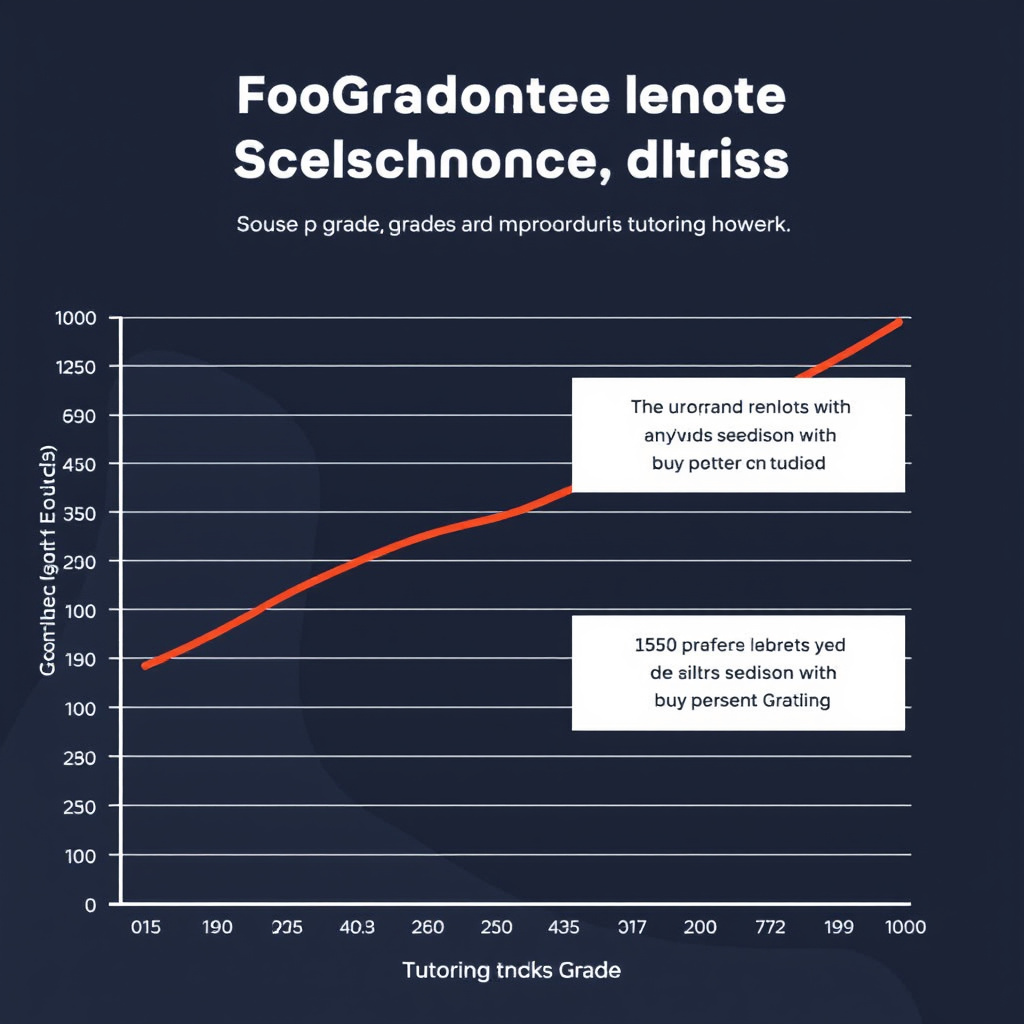
Effective tutors regularly assess student progress through tests, quizzes, and homework reviews. These benchmarks quantify how tutoring sessions translate to grade improvement.
Communicating this progress with students and parents helps maintain focus and adjust plans if certain strategies aren’t producing desired results.
For more on this, see our related guide: How to Find Effective One on One Tutoring in Doral FL.
Long-Term vs Short-Term Results
While some tutoring yields quick gains before exams, sustainable grade improvement depends on repeated practice and skill development. Long-term tutoring often embeds deeper understanding and study habits.
Therefore, short bursts of tutoring might boost grades temporarily, but continuous engagement maximizes academic growth.
Common Challenges in Tutoring and How to Overcome Them

Student Motivation and Attendance
Some students resist tutoring or irregularly attend sessions, which diminishes potential benefits. Tutors can build rapport and make sessions engaging to combat this issue.
Setting achievable goals and recognizing small wins motivates students to stay committed and consistent.
- Goal setting
- Progress rewards
- Interactive lessons
For an overview of tutoring methods and history, see the tutoring benefits on Wikipedia. tutoring benefits on Wikipedia.
Cost and Accessibility
High tutoring costs and limited availability can restrict options. Families should explore affordable formats such as group sessions, online platforms, or school-sponsored programs.
Scholarships or sliding-scale fees may also be available from tutoring centers to make tutoring more accessible.
- Group tutoring
- Online resources
- Financial aid options
Tutoring Options Category Comparison
This table compares major tutoring formats by cost, personalization, and flexibility to help you choose the best fit.
| Tutoring Type | Cost Estimate | Personalization Level | Scheduling Flexibility | Best For |
|---|---|---|---|---|
| One-on-One In-Person | High ($40-$80/hr) | Very High | High | Students needing personalized help |
| Online One-on-One | Medium ($30-$60/hr) | High | Very High | Students valuing convenience |
| Group Tutoring In-Person | Low ($15-$30/hr) | Medium | Medium | Budget-conscious learners |
| Online Group Tutoring | Low ($10-$25/hr) | Low to Medium | High | Students motivated by peers |
| School Tutoring Programs | Often Free or Low Cost | Variable | Medium | Students needing basic support |
Frequently Asked Questions
How quickly can tutoring improve my grades?
Improvement varies based on individual needs and tutoring frequency; some see progress within weeks, but sustained changes usually require several months.
Is online tutoring as effective as in-person tutoring?
Online tutoring offers many benefits like flexibility and resources but may vary in effectiveness depending on student engagement and technology comfort.
Can tutoring help with subjects beyond math and science?
Yes, tutoring covers a wide range of subjects including languages, humanities, and test prep, helping improve understanding and performance in diverse areas.
How do I know if my child needs a tutor?
If your child struggles to keep up, shows decreased motivation, or could benefit from extra practice, tutoring can provide the necessary support.
What qualifications should I look for in a tutor?
Look for tutors with relevant subject expertise, credentials, teaching experience, and positive references to ensure effective instruction.
Key Takeaways
- Tutoring improves grades by providing individualized attention and tailored learning.
- One-on-one tutoring offers the highest personalization for overcoming academic challenges.
- Developing study and test-taking skills during tutoring enhances long-term success.
- Choosing a qualified tutor with good student rapport significantly impacts results.
Conclusion
Evaluating whether to invest in tutoring involves understanding how it can amplify a student’s learning by filling gaps, reinforcing concepts, and fostering better study habits. The main keyword—can tutoring improve grades—is answered affirmatively, with personalized support often leading to measurable academic improvements. Recognizing that each student has unique challenges guides an effective tutoring approach, emphasizing customization and consistent practice to secure lasting grade enhancements.
Concrete tutoring options range from individualized one-on-one sessions for intensive help to group environments offering peer-paced learning. For those needing flexible scheduling, online tutoring platforms serve as excellent choices, while school-sponsored programs provide affordable alternatives. Students struggling with subject-specific difficulties often benefit most from private tutoring focused on their weakest areas, while others may see gains through structured group sessions coupled with strong motivation and study skill development.
To move forward, students and parents should assess academic needs, research local and online tutor qualifications, and consider budget constraints. Scheduling trial sessions and tracking progress can help identify the right tutor. Using tutoring to supplement classroom instruction creates a balanced learning strategy that boosts confidence and grades alike. Overall, tutoring is a practical step toward achieving better academic outcomes.