How Much Does Tutoring Cost? Understanding Prices and Options
Tutoring costs vary widely depending on the subject, tutor qualifications, location, and the format of sessions. On average, private tutors in the U.S. charge between $30 and $80 per hour, but specialized subjects or highly experienced tutors can ask for $100 or more. Group sessions or online tutoring typically cost less per student compared to private one-on-one lessons.
Understanding tutoring prices matters because it helps families balance quality support with budget constraints. For students needing ongoing help, cost efficiency becomes key, while some may prefer to invest more for expert guidance in challenging subjects or test preparation. Knowing the price landscape allows you to make informed decisions aligning with educational goals.
This article will explore the factors influencing how much tutoring costs, compare different tutoring types and their price ranges, and offer strategies to find tutoring services that fit your budget. We’ll also cover typical prices for popular tutoring services and recent trends affecting these rates.
Factors Influencing Tutoring Costs
Tutor Qualifications and Experience
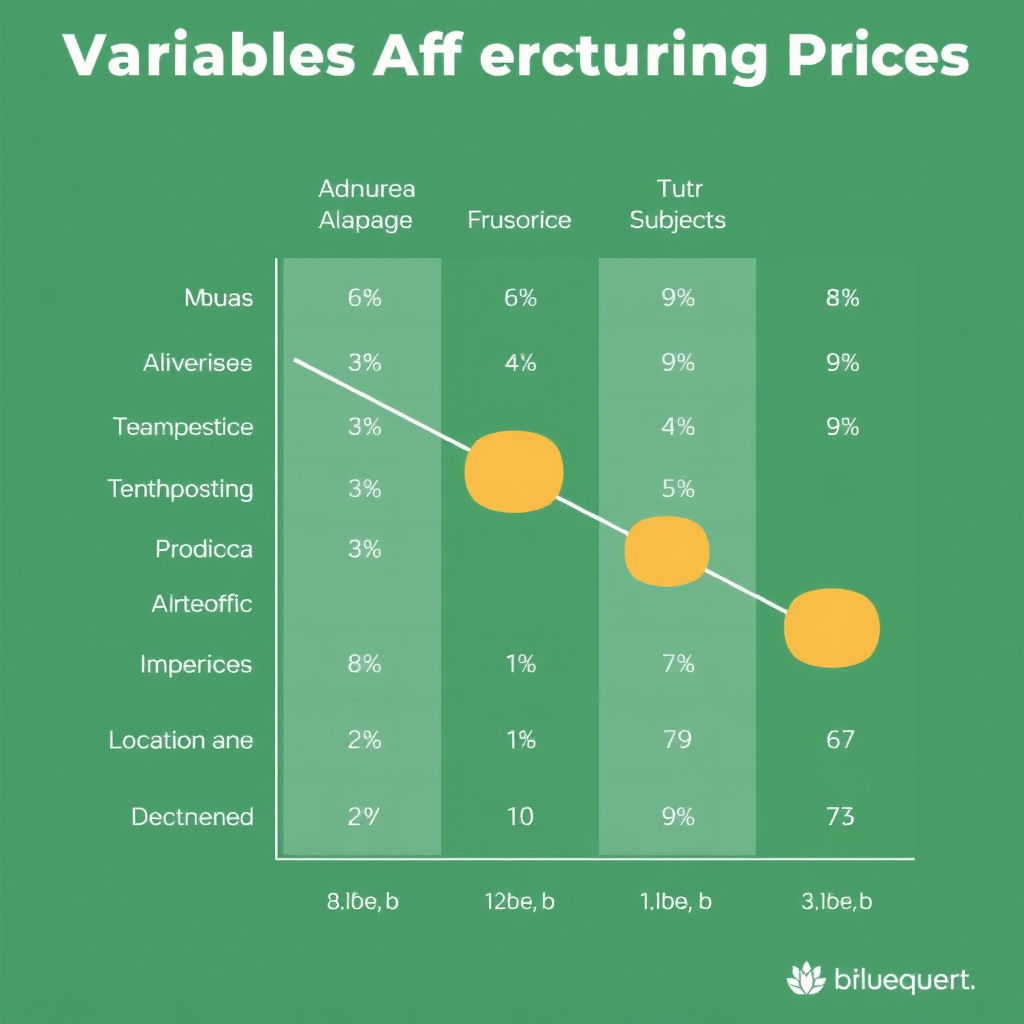
Tutors with advanced degrees, certifications, or extensive teaching experience tend to charge higher rates due to their expertise. For example, a PhD-level tutor specializing in calculus can command prices well above the typical range.
In contrast, college student tutors or less experienced individuals often charge lower rates, making them suitable for general homework help or basic concepts. However, their effectiveness may vary depending on the student's needs.
Subject Complexity and Demand
Subjects like math, science, and foreign languages usually have higher tutoring costs because of their specialized content and demand. Test preparation tutoring for exams such as the SAT or GRE also commands premium prices due to its focused nature.
Conversely, tutoring for elementary reading or general study skills is generally more affordable. High-demand subjects typically lead to increased competition among tutors, pushing prices upward.
Types of Tutoring and Their Costs
In-Person Private Tutoring
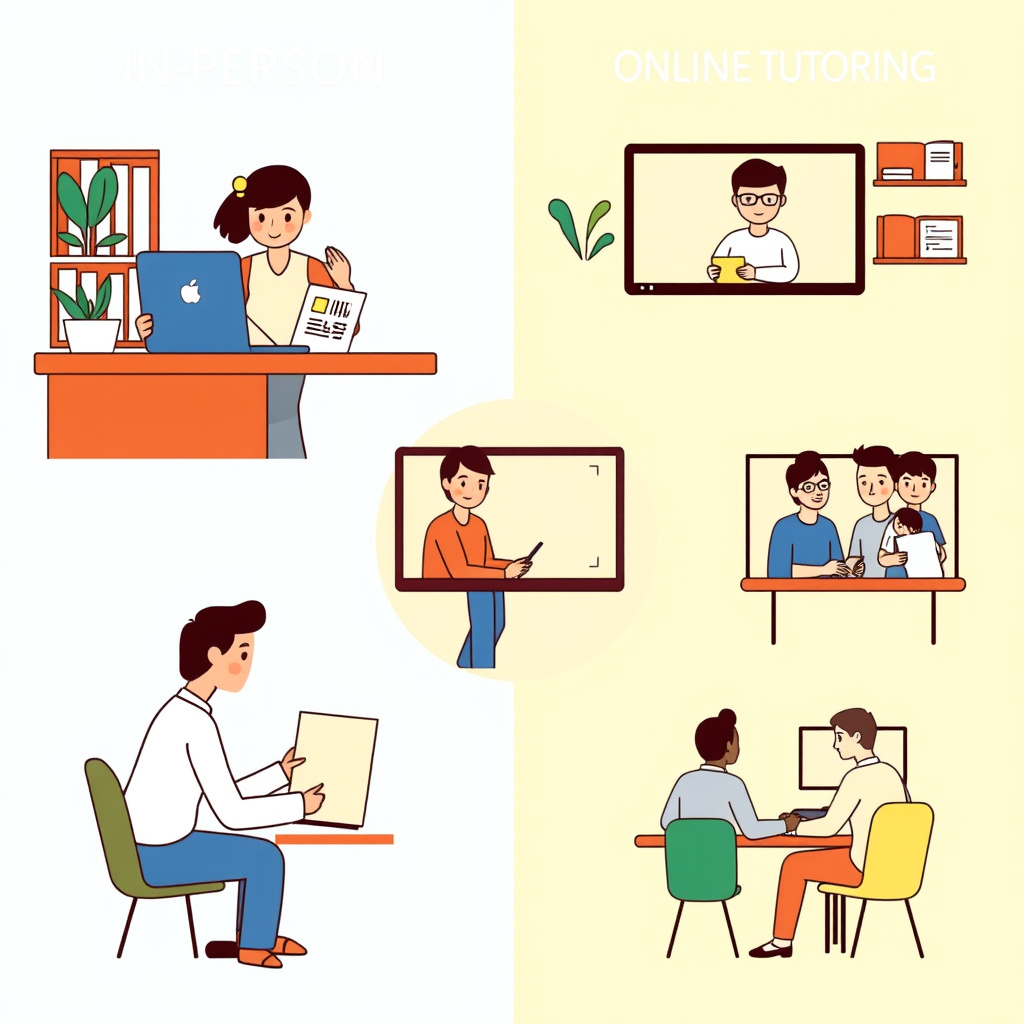
One-on-one in-person tutoring is often the most expensive form because it provides personalized attention and tailored lesson plans. Depending on location and tutor caliber, rates can range from $40 to over $100 per hour.
This format works best for students requiring customized teaching approaches or those preparing for high-stakes exams. Travel time or tutor commuting fees may add to the overall cost.
- Rates: $40-$100+ per hour
- Highly personalized instruction
- Additional travel fees possible
Online and Group Tutoring
Online tutoring brings flexibility and often lower pricing because it eliminates travel and overhead expenses. Rates can range between $25 and $60 per hour depending on the platform and tutor expertise.
Group tutoring sessions spread the cost among multiple students, lowering the price per individual to around $15-$40 per hour. This option suits learners who benefit from collaborative environments or need affordable supplemental help.
- Online: $25-$60 per hour
- Group: $15-$40 per hour
- Less personalized but cost-effective
Regional and Geographic Price Variations
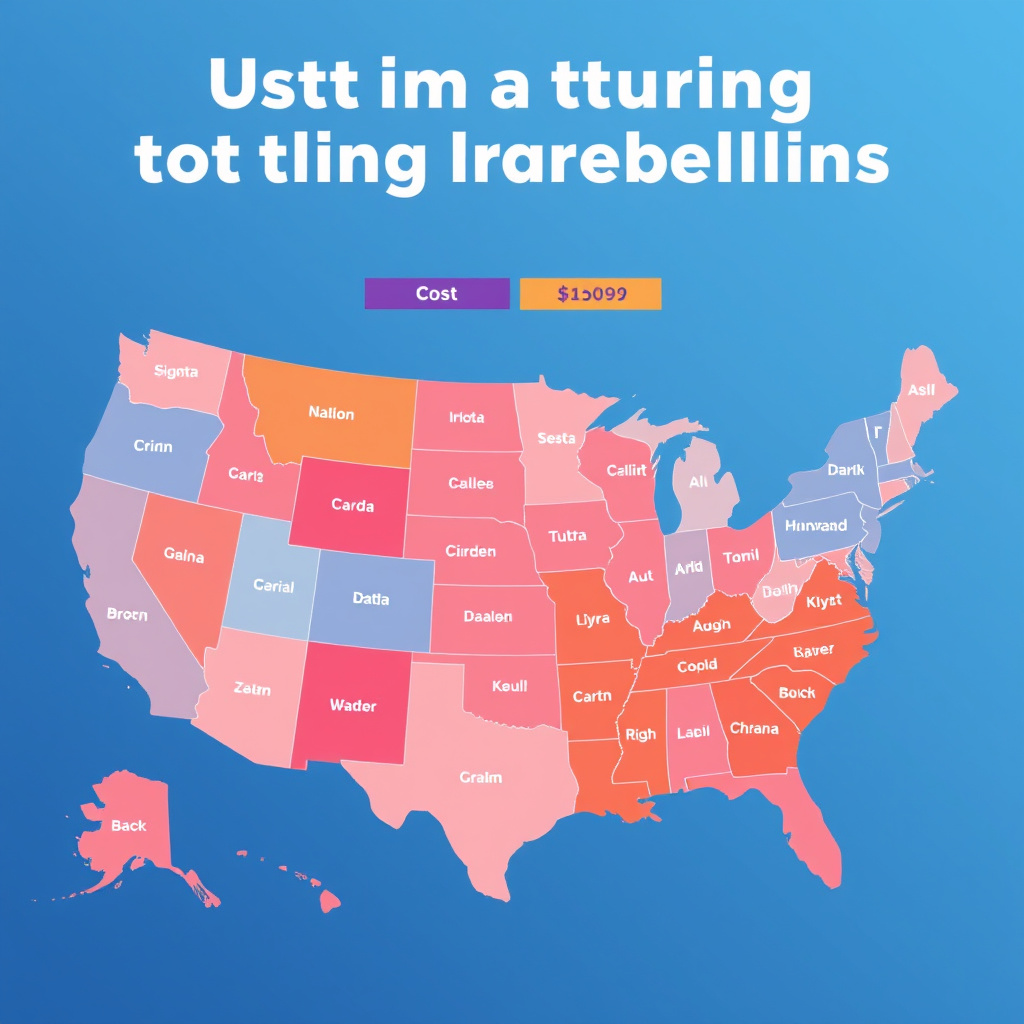
Urban vs. Rural Pricing Differences
Tutoring prices tend to be higher in urban areas due to greater demand and higher living costs. Cities with competitive educational markets often see tutors charging premiums.
In contrast, rural or less populated regions usually have fewer tutors available and lower prices, but options may be limited, requiring reliance on online platforms or travel.
International Price Comparisons
In some countries, tutoring services are substantially more affordable, reflecting differences in education systems and income levels. For example, tutoring in parts of Asia or Eastern Europe may cost less than in Western Europe or North America.
These variations affect families with international ties or those considering remote tutoring options from tutors in different regions.
How to Find Affordable Tutoring

Utilizing Online Tutoring Platforms
Online platforms provide access to a wide range of tutors with transparent rates and reviews, enabling students to compare services easily. Subscription plans or package deals often reduce the hourly cost.
Some sites offer free trial sessions, discounts for multiple bookings, or access to group classes, helping families stretch tutoring budgets further.
Community and School-Based Resources
Many schools, libraries, and community centers offer free or low-cost tutoring through volunteers, peer programs, or partnerships with educational nonprofits. These options are valuable for basic help and homework support.
While less specialized than private tutoring, community resources can be a practical starting point, especially for families facing financial challenges.
Payment Models and Considerations
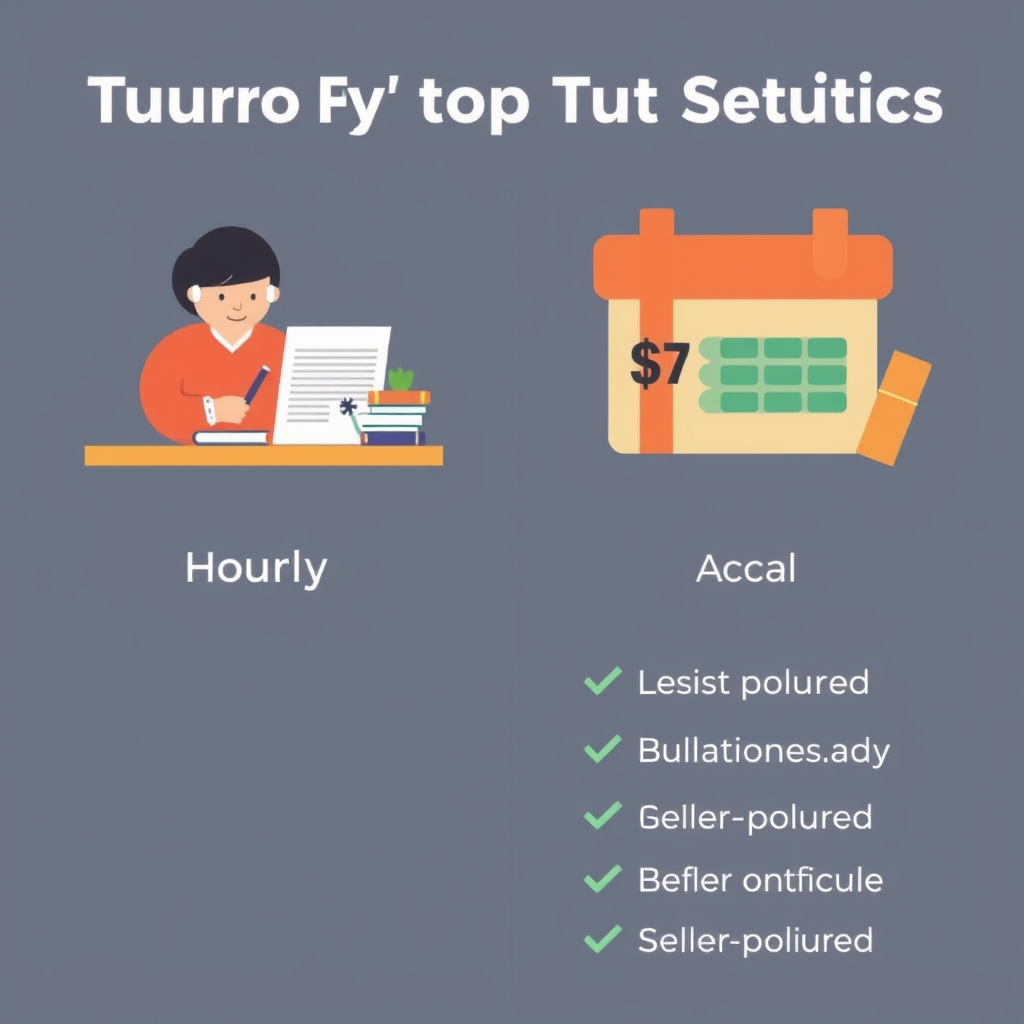
Hourly Rates vs. Tutoring Packages
Most tutors charge by the hour, providing flexibility but sometimes leading to higher long-term costs. Purchasing packages of multiple sessions usually lowers the average price per lesson while encouraging consistent attendance.
Packages are ideal for students who need sustained support, while hourly rates fit those seeking occasional help or trial sessions.
- Hourly: flexible but possibly more expensive
- Packages: discounted, encourage regularity
Cancellations, Refunds, and Policies
Understanding the tutor’s cancellation and refund policies can prevent unexpected expenses. Some tutors require advance notice for cancellations, or may not offer refunds for missed sessions.
Clarifying these terms before starting tutoring can avoid charge disputes and ensure smooth scheduling.
Trends Affecting Tutoring Costs
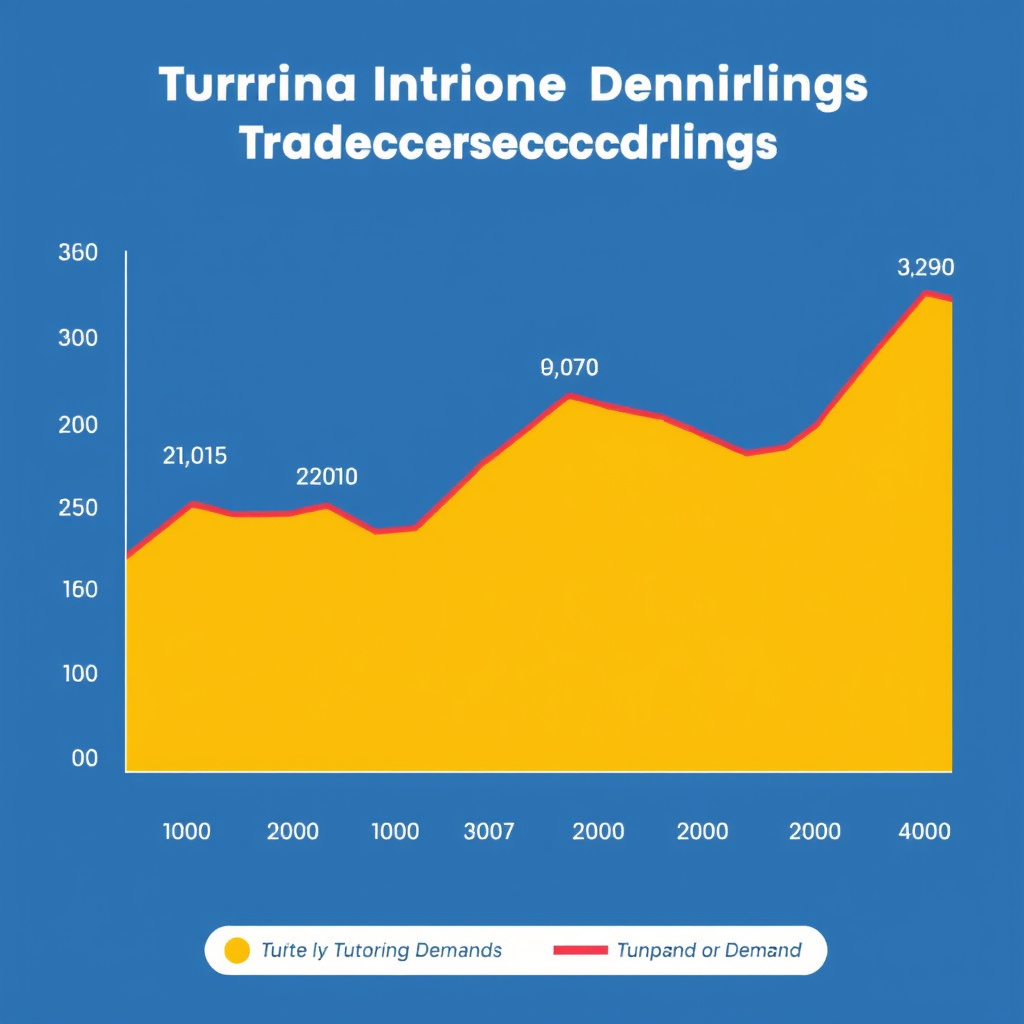
Impact of Online Education Growth
Online education’s rapid expansion has increased tutor availability and introduced competitive pricing. Students can now access tutors globally, which has somewhat reduced average costs for common subjects.
However, premium services with highly specialized tutors remain expensive due to high demand and quality differentiation.
More information on tutoring practices and history can be found at this detailed Wikipedia article about tutoring. tutoring.
Effects of Academic Competition and Standardized Testing
Growing emphasis on standardized test scores and advanced academic achievement has driven up demand for expert tutors in specific preparation areas, pushing prices higher.
Parents investing in test prep tutoring often pay premium hourly rates to ensure the best possible exam outcomes.
Tutoring Cost Categories Comparison
Here’s a comparison of different tutoring options with their typical costs and features to help you decide which fits your needs.
| Category | Average Hourly Cost | Typical Group Size | Best For |
|---|---|---|---|
| In-Person Private Tutoring | $40-$100+ | 1 | Personalized learning, high-stakes exams |
| Online Private Tutoring | $25-$60 | 1 | Flexible schedule, wide subject access |
| Group Tutoring Sessions | $15-$40 | 3-10 | Collaborative learning, affordable support |
| School-Based Tutoring | Free – $10 | Varies | Basic homework help, resource-limited |
| College Student Tutors | $20-$40 | 1 | Budget-friendly, general subjects |
Frequently Asked Questions
How often should a student get tutoring to see improvement?
Consistent tutoring sessions, typically once or twice a week, allow students to build understanding steadily and track progress effectively over time.
Are online tutoring sessions as effective as in-person ones?
Online tutoring can be just as effective, especially with interactive tools and good communication, though some students prefer face-to-face interaction for engagement.
Can tutoring expenses be deducted on taxes?
Generally, tutoring costs are considered personal expenses and are not tax-deductible unless related to special education requirements under specific circumstances.
What should parents ask before hiring a tutor?
Inquire about the tutor’s qualifications, experience, teaching style, availability, cancellation policies, and whether they provide progress reports.
Is group tutoring less effective than private tutoring?
Group tutoring offers social learning and can be effective for review or discussion, but private tutoring provides more personalized attention suited for individual challenges.
Key Takeaways
- Tutoring costs vary based on subject, tutor experience, and session format.
- Online and group tutoring often offer more affordable rates than private in-person lessons.
- Regional differences significantly affect prices, with urban areas typically charging more.
- Packages and community resources can help reduce overall tutoring expenses.
Conclusion
Deciding how much to spend on tutoring requires balancing educational goals with available resources. By understanding different tutor qualifications, subject demands, and delivery methods, families can select options that provide effective support while fitting their budget. Consider both immediate needs and long-term academic plans to identify the tutoring style and price point that work best.
For students needing high-level expertise, investing in specialized in-person or online private tutors is worthwhile. Those seeking affordable support may do well with group sessions, school programs, or college tutors, especially for general subjects or homework help. Online platforms expand access to diverse tutors at varying price points, making it easier to tailor choices.
Starting with a clear assessment of the student’s requirements and exploring various formats will lead to the best tutoring arrangement. Try trial sessions when available and review policies before committing financially. Taking these steps ensures you find cost-effective tutoring that truly benefits learning progress.