How to Improve Learning Skills: Effective Strategies for Lifelong Success
Improving learning skills starts with adopting techniques that boost comprehension, focus, and memory retention. By actively engaging with material, organizing information, and applying effective study methods, anyone can enhance the ability to learn more efficiently and retain knowledge longer.
Strong learning skills are essential not only for academic achievement but also for everyday problem-solving and professional growth. They allow individuals to adapt to new information quickly and enhance critical thinking. Enhancing these skills can lead to better performance across many areas of life.
This article covers proven techniques to improve learning skills including cognitive strategies, environmental adjustments, and lifestyle habits. We’ll explore specific approaches to memory, concentration, and motivation that can help make learning more productive and enjoyable.
Understanding Memory: The Foundation to Improve Learning Skills
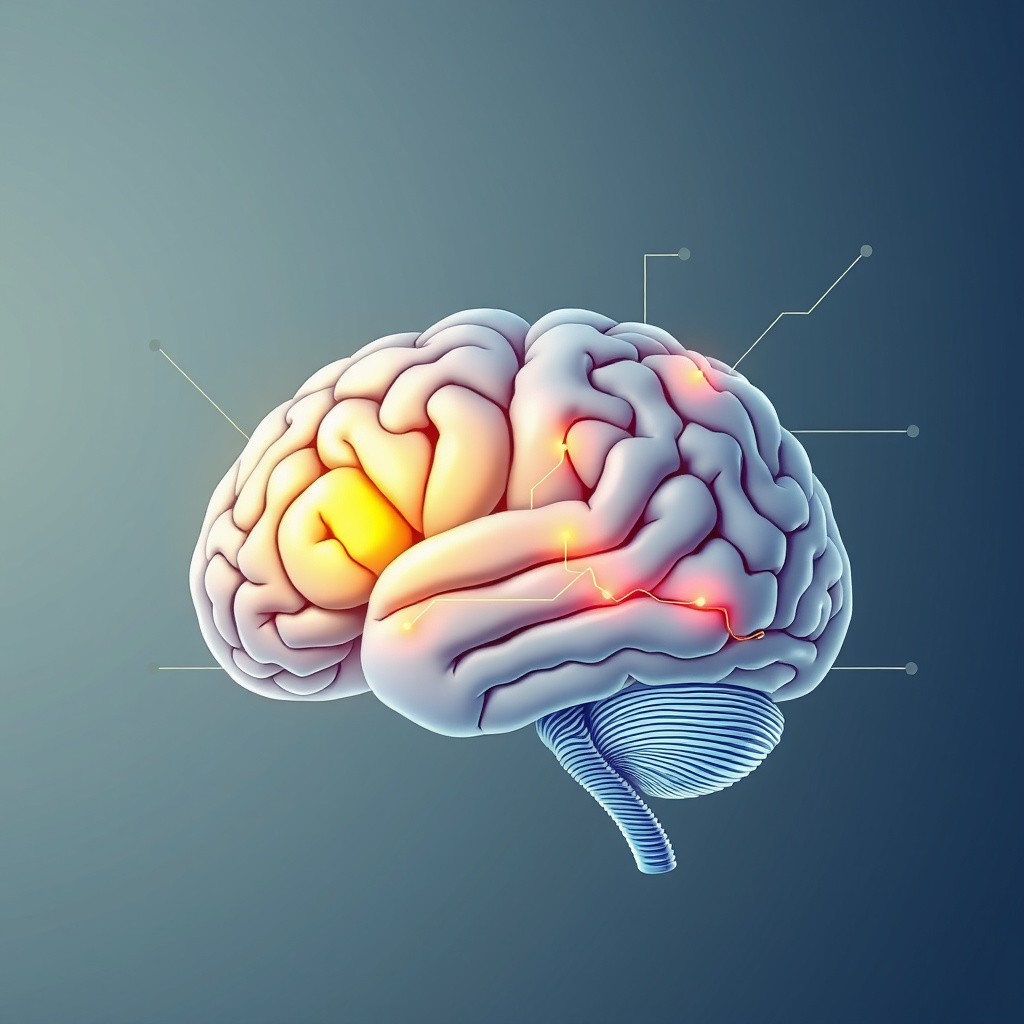
Short-Term vs. Long-Term Memory
Short-term memory holds information temporarily, typically for seconds to minutes, while long-term memory stores information over extended periods. To improve learning skills, it’s crucial to facilitate the transfer of knowledge from short-term to long-term memory through repetition and meaningful association.
Techniques like spaced repetition and retrieval practice help strengthen neural connections, making recall easier. Understanding which type of memory to target during study sessions enhances efficiency and helps solidify new concepts.
Memory Retention Techniques
Mnemonic devices, such as acronyms or visualization, improve memory by linking new information with familiar concepts. This creates stronger mental cues, allowing for easier recall. Combining different senses when learning also reinforces retention.
Regular review sessions, breaking information into chunks, and teaching others what you’ve learned are powerful ways to embed knowledge deeply. These practices support the brain’s natural learning mechanisms, leading to lasting understanding.
- Use acronyms and rhymes
- Create vivid mental images
- Apply chunking techniques
- Explain concepts to someone else
Optimizing Focus and Attention to Improve Learning Skills

Eliminating Distractions
A clutter-free, quiet environment significantly enhances concentration. Turning off notifications and setting specific study times helps create mental boundaries that guard against interruptions. This allows learners to maintain attention and process information more deeply.
Using tools like website blockers or noise-canceling headphones can further reduce disruptions. By managing your study space and schedule proactively, you develop the habit of sustained focus essential for effective learning.
- Remove electronic distractions
- Study in a dedicated space
- Use noise-cancelling headphones
- Set clear study periods
For more on this, see our related guide: How to Choose a Reading Comprehension Tutor That Boosts Your Skills.
Techniques to Boost Concentration
Practices such as the Pomodoro Technique, dividing study time into focused intervals with breaks, prevent mental fatigue and maintain high productivity. Mindfulness meditation can also train attention control, improving cognitive endurance during learning sessions.
Physical factors like hydration, sleep, and brief physical activity breaks support alertness and mental clarity. Incorporating these habits helps sustain concentration and supports long-term skill improvement.
- Use focused time blocks with breaks
- Practice mindfulness exercises
- Maintain hydration and sleep
- Take short exercise breaks
Effective Study Methods to Improve Learning Skills
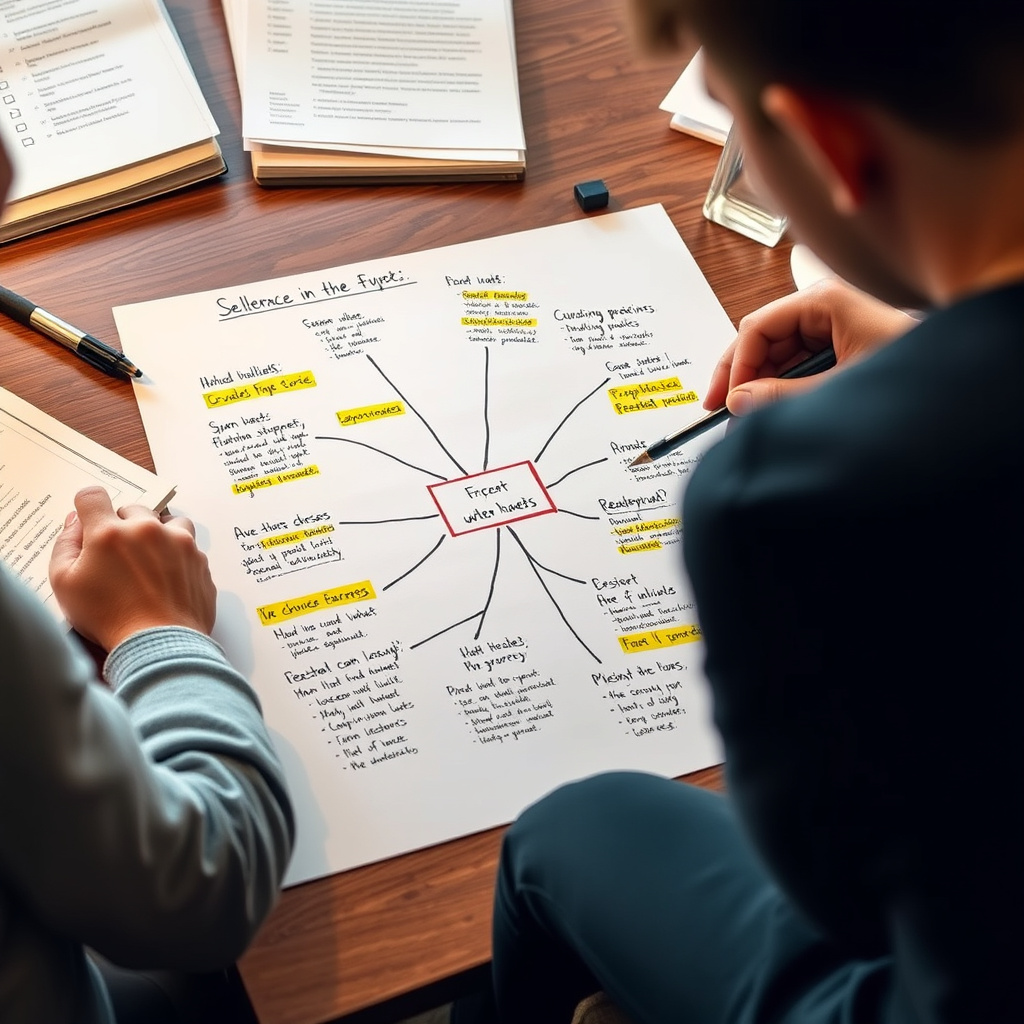
Active Learning Strategies
Engaging actively with content by summarizing, questioning, or teaching encourages deeper understanding than passive reading. Techniques like self-quizzing and concept mapping challenge the brain to retrieve and organize information effectively.
Active learning transforms study time into an interactive process, making knowledge more meaningful and easier to recall. This method encourages critical thinking and helps identify gaps in comprehension.
- Summarize in your own words
- Use flashcards for self-testing
- Create concept maps
- Teach concepts aloud
Spaced Repetition and Interleaving
Spaced repetition involves revisiting material over increasing intervals, which strengthens the memory trace. Interleaving mixes different topics or problem types within a session, improving flexibility and problem-solving skills.
These methods combat forgetting and encourage the brain to make connections between ideas. Integrating spaced repetition with interleaving promotes mastery and long-term retention of complex material.
- Schedule reviews over days/weeks
- Mix related topics in sessions
- Use apps for timed repetition
- Combine multiple subjects strategically
The Role of Motivation and Mindset in Learning Skill Improvement

Growth Mindset Benefits
Believing intelligence can improve with effort fosters resilience and persistence in learning. A growth mindset encourages trying new strategies and embracing challenges rather than fearing failure.
Students with this outlook tend to approach studying more proactively, seek feedback, and remain motivated despite setbacks. Cultivating this mindset shifts learning into a positive, ongoing process.
For more on this, see our related guide: How to Choose the Best Test Preparation Tutor in Doral FL for Effective Results.
Setting Goals and Celebrating Progress
Clearly defined goals give direction and a sense of purpose to study sessions. Breaking large tasks into manageable milestones aids motivation and prevents overwhelm.
Tracking progress and rewarding successes, even small ones, builds momentum and satisfaction. These habits make learning feel achievable and support sustained effort over time.
- Set specific short- and long-term goals
- Break tasks into small steps
- Track achievements regularly
- Reward effort and milestones
Lifestyle Factors That Impact How to Improve Learning Skills

Nutrition and Hydration
Eating balanced meals rich in omega-3s, antioxidants, and vitamins supports brain health and memory function. Staying hydrated is vital because even mild dehydration can reduce concentration and cognitive performance.
Incorporating foods like nuts, leafy greens, and fish encourages mental alertness, providing energy required for learning sessions. Avoiding heavy meals before studying also helps maintain clarity and focus.
- Consume omega-3 rich foods
- Include antioxidants and vitamins
- Drink plenty of water
- Avoid heavy meals before studying
For additional insights on how learning works, you can explore detailed information about various learning techniques. learning techniques.
Sleep and Physical Activity
Adequate sleep consolidates memory and refreshes cognitive abilities. Poor sleep impairs attention, creativity, and problem-solving, all critical for learning success.
Regular physical activity increases blood flow to the brain and releases endorphins, improving mood and alertness. Incorporating even short exercise sessions supports overall learning skill development.
- Aim for 7-9 hours of sleep nightly
- Maintain consistent sleep schedules
- Exercise regularly, even briefly
- Use physical activity to boost focus
Comparison of Learning Techniques and Their Benefits
This table summarizes popular learning methods, highlighting suitability, effectiveness, and ideal use cases to help you choose tailored strategies.
| Learning Technique | Best For | Memory Retention | Engagement Level | Flexibility |
|---|---|---|---|---|
| Spaced Repetition | Long-term retention | High | Moderate | Requires planning |
| Active Recall | Exam preparation | Very High | High | Highly flexible |
| Pomodoro Technique | Improving focus | Moderate | High | Very flexible |
| Mnemonic Devices | Memorizing lists/facts | High | Moderate | Easy to apply |
| Interleaving | Skill application | High | Moderate | Moderate complexity |
Frequently Asked Questions
How often should I review material to improve memory retention?
Using spaced repetition, review material shortly after learning it, then increase intervals between reviews gradually over days or weeks to strengthen memory connections.
Can improving learning skills help with professional development?
Yes, enhanced learning skills boost your ability to acquire new knowledge and adapt, which are valuable for career growth and navigating changing work environments.
Does physical exercise really affect how well I learn?
Regular physical activity improves brain function by increasing blood flow and releasing chemicals that enhance mood and cognitive performance, supporting learning efficiency.
What role does motivation play in learning?
Motivation drives consistent study habits and persistence, helping you overcome challenges, stay engaged, and make meaningful progress in improving learning skills.
Are there tools to help apply spaced repetition effectively?
Yes, apps like Anki and Quizlet use spaced repetition algorithms to schedule reviews, making it easier to practice memory retention systematically.
Key Takeaways
- Memory techniques like spaced repetition significantly improve knowledge retention.
- Creating a distraction-free environment enhances focus and learning efficiency.
- Active learning and varied study methods deepen understanding and engagement.
- Healthy lifestyle choices support cognitive function crucial for learning.
Conclusion
Improving your learning skills involves a blend of understanding how memory works, optimizing focus, and employing effective study strategies. By combining cognitive techniques like spaced repetition and active recall with lifestyle habits such as adequate sleep and nutrition, you create a stable foundation for lifelong learning. Mindset and motivation also play a key role, influencing your persistence and overall progress.
For learners aiming to enhance their abilities, applying methods like active learning and distraction reduction can dramatically raise productivity and comprehension. Those struggling to maintain concentration should consider focus techniques such as the Pomodoro method alongside creating a supportive environment. Incorporating memory retention strategies, including mnemonic devices and regular review, benefits all kinds of study, while hydration and exercise further boost brain performance.
To get started on improving your learning skills, identify which methods fit your goals and schedule. Experiment with combining spaced repetition and active recall for better retention. Adjust your environment to minimize distractions and prioritize rest and nutrition. Tracking progress and staying motivated through goal-setting will help turn these strategies into effective habits that transform your ability to learn and grow.