How to Balance Homework and Activities Effectively for Students
Balancing homework and activities means managing your time carefully so that you can complete assignments while still participating in clubs, sports, or hobbies. The most effective approach involves setting priorities, creating a schedule, and avoiding procrastination. By planning your day with clear goals, you can fulfill academic responsibilities and enjoy extracurricular interests without feeling overwhelmed.
This balance matters because students often face pressure from both schoolwork and outside commitments. Without good time management, one area may suffer, which can cause stress and lower performance overall. Managing responsibilities wisely helps maintain good grades, supports personal growth, and keeps mental health in check.
This article will explore practical strategies for balancing homework and activities, such as scheduling techniques, prioritizing tasks, and coping with distractions. It will also cover how to communicate with teachers and activity leaders, and ways to adjust your approach during busy periods.
Creating an Effective Homework and Activity Schedule
Using Time Blocks for Homework
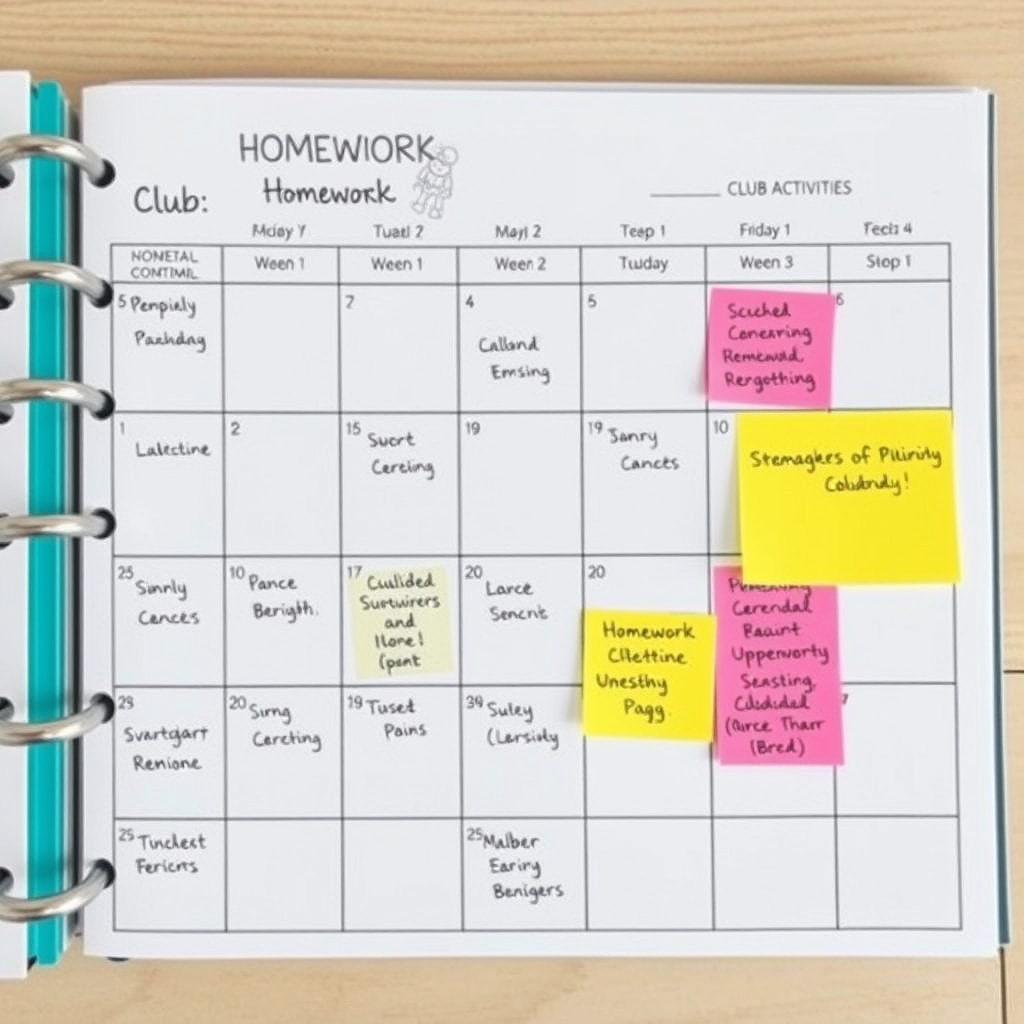
Allocating specific blocks of time during your day for homework helps create routine and focus. Identify when you work best—morning, afternoon, or evening—and dedicate that period to your most challenging assignments. Time blocking reduces distractions and increases productivity.
You can use digital calendars or physical planners to block out homework time accurately. Include breaks to avoid burnout and maintain concentration throughout long study sessions.
- Choose consistent homework hours
- Include short breaks after 25-30 minutes
- Limit multitasking during blocks
Scheduling Activities Around Academic Priorities
List all extracurricular activities and rank them by interest and importance. Schedule activities that require less frequent attendance around heavier homework periods. Flexibility is key—for instance, practice sessions might be skipped occasionally when exams approach.
Communicating with coaches or club leaders about your academic schedule can help them understand your needs. This helps maintain commitments without sacrificing homework quality.
- Prioritize activities you enjoy most
- Negotiate attendance during busy weeks
- Use weekends for longer activity sessions
Prioritizing Tasks to Manage Homework and Activities
Distinguishing Urgent vs. Important Tasks
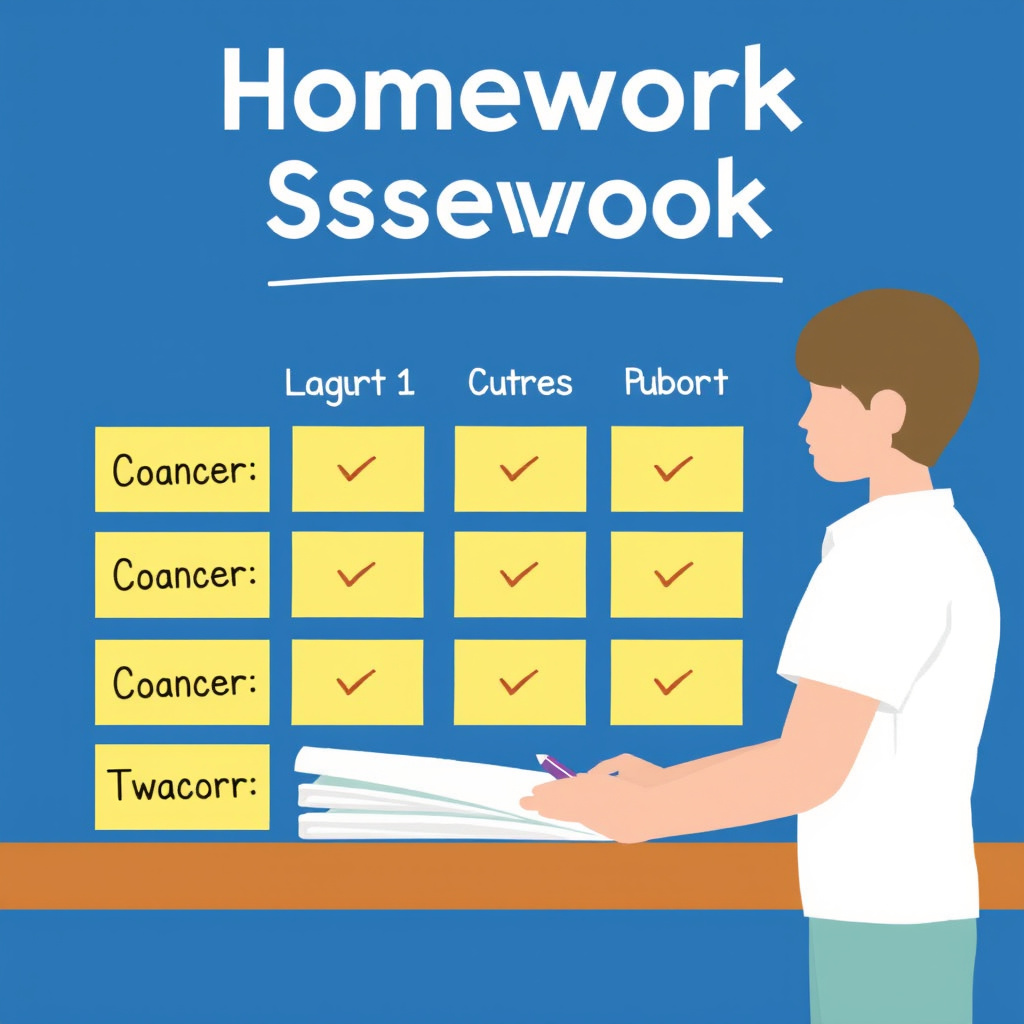
Prioritizing means deciding what requires immediate attention and what can wait. Homework with upcoming deadlines or subjects that are difficult should come first. Activities with fixed schedules might also take priority to avoid conflicts.
Use techniques like the Eisenhower Matrix to categorize tasks objectively. This visual tool separates tasks into urgent/important and helps prevent last-minute rushes.
- Identify deadlines clearly
- Rank tasks by difficulty and impact
- Avoid spending excessive time on low-priority work
For more on this, see our related guide: Affordable Tutoring in Doral FL: How to Find the Best Local Options.
Balancing Academic and Extracurricular Goals
Set realistic goals that reflect your academic standards and personal interests. Avoid overcommitting to too many activities if they interfere with completing homework. The balance comes from aligning school responsibilities with extracurricular enjoyment.
Regularly reassess your commitments monthly or quarterly. This helps adjust your balance as needed based on upcoming tests, project due dates, or seasonal activities.
- Set clear, achievable goals for both areas
- Track progress weekly
- Be willing to reduce activities during intense homework periods
Technology Tools to Support Balancing Homework and Activities

Using Apps for Time Management
Many apps help students organize tasks and reminders, making it easier to balance homework deadlines and activity schedules. Popular options include Google Calendar, Todoist, and MyStudyLife for tracking assignments alongside clubs or sports events.
These apps offer notifications that reduce the risk of missing important tasks, enabling clear visibility of your commitments at a glance.
- Sync across devices for accessibility
- Set custom alerts for deadlines
- Integrate school and activity calendars
Minimizing Digital Distractions
While technology assists organization, it can also cause distractions like social media notifications during homework. Use features like Do Not Disturb modes or website blockers during study times to maintain focus.
Limiting screen time during homework sessions encourages deeper concentration and better retention, helping balance workload and leisure more effectively.
- Schedule distraction-free study sessions
- Use productivity apps to block distracting sites
- Monitor screen time usage regularly
Building Healthy Habits to Maintain Balance

Incorporating Regular Breaks and Sleep
Balancing homework and activities without rest is unsustainable. Taking short breaks during study sessions refreshes focus and prevents fatigue. Likewise, getting adequate sleep supports memory and overall well-being.
Aim for 7-9 hours of sleep nightly and avoid cramming late into the night, which can degrade performance and increase stress.
- Use breaks for physical activity or relaxation
- Maintain consistent sleep schedule
- Avoid screen exposure 30 minutes before bed
For more on this, see our related guide: How to Find the Best Tutoring in Doral FL for Your Child’s Success.
Staying Physically and Mentally Active
Physical exercise, even light movement, boosts energy and mood, helping you approach both homework and activities with better focus. Mental activities like mindfulness or journaling can reduce stress and improve clarity.
Balancing mental and physical health is foundational to sustaining complex schedules involving academic and extracurricular demands.
- Incorporate daily physical activity
- Practice stress-reduction techniques
- Seek social support from peers and family
Communication Strategies for Managing Expectations
Talking to Teachers About Workload
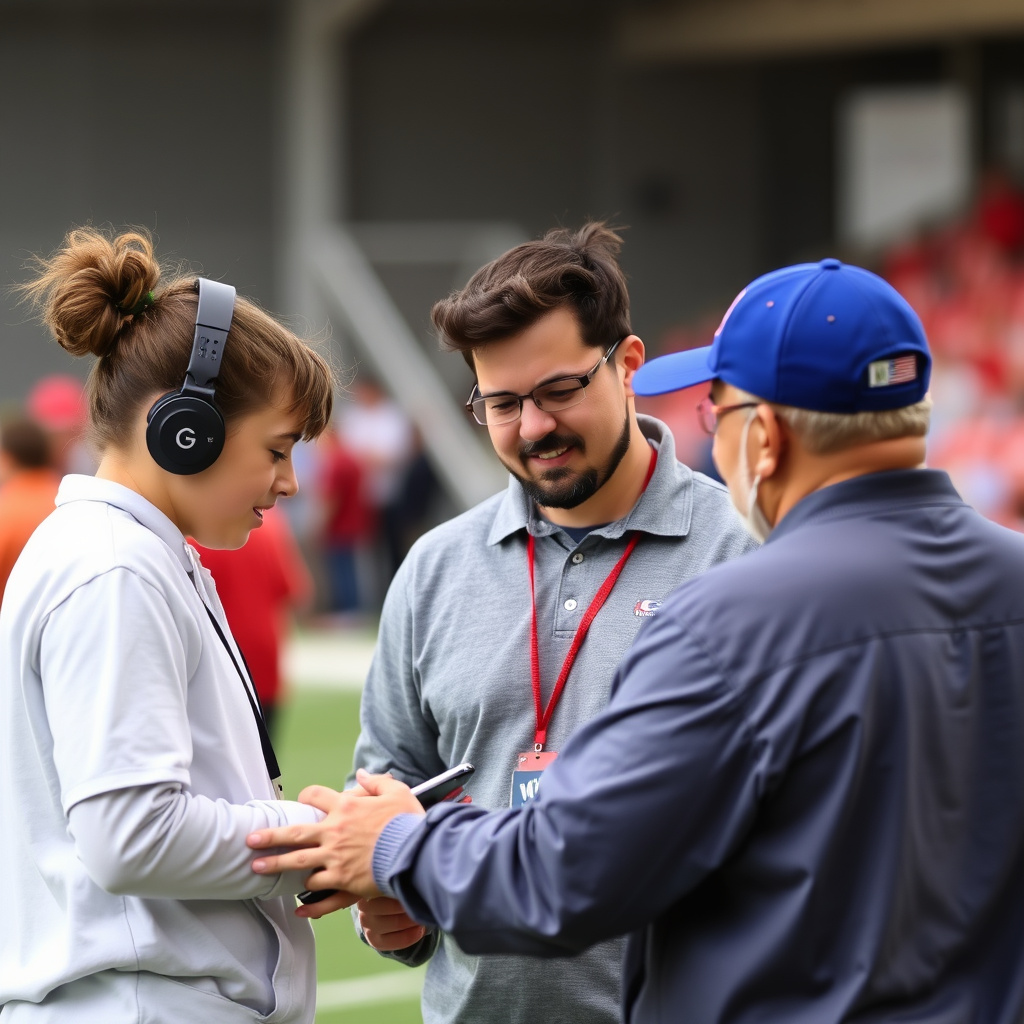
If homework loads become overwhelming, students should communicate proactively with teachers. Explaining participation in activities and requesting extensions or help can ease pressure.
Teachers often appreciate transparency and can provide guidance to balance assignments with outside commitments effectively.
- Schedule meetings or email teachers early
- Explain your activity commitments clearly
- Ask for advice or extra resources when needed
For additional tips on managing your time efficiently, consult this trusted resource on student time management techniques. student time management techniques.
Coordinating with Activity Leaders
Similarly, discussing your academic schedule with coaches or club leaders allows planning flexibility during exam weeks or major projects. Understanding on both sides contributes to sustainable participation.
Leaders might offer alternative practice times or lighter involvement during intense academic periods.
- Share your homework deadlines in advance
- Request flexible attendance when necessary
- Show commitment during available times
Comparison of Homework and Activity Balance Approaches
Here is a comparison of common strategies students use to balance their homework and extracurricular activities, highlighting their pros and cons.
| Approach | Key Feature | Best For | Potential Drawbacks |
|---|---|---|---|
| Strict Scheduling | Detailed daily time blocks | Highly disciplined students | Less spontaneous time for rest or socializing |
| Flexible Prioritizing | Adjust based on deadlines | Students with unpredictable workloads | Requires strong self-awareness and discipline |
| Tech-Driven Planning | Use of apps and reminders | Tech-savvy students | Dependence on devices; possible distraction |
| Minimal Activity Involvement | Focus mainly on homework | Students struggling academically | Limited personal growth and social benefits |
| Balanced Goal Setting | Set clear, achievable goals | Students balancing multiple commitments | Needs regular reassessment and adjustment |
Frequently Asked Questions
How can I avoid procrastination when balancing homework and activities?
Breaking tasks into smaller, manageable chunks and setting specific time slots for each can help reduce procrastination by making projects less overwhelming and encouraging steady progress.
Is it better to do homework before or after activities?
Prioritize homework if it's urgent or difficult, but if activities refresh your mind, completing them first can improve focus during study time. Experiment to find what works best for your energy levels.
How much time should I dedicate to homework each day?
The ideal time varies by grade and workload, but generally 1-2 hours daily is effective. Adjust according to upcoming deadlines and the difficulty of assignments to balance your schedule.
What if I feel too stressed trying to balance everything?
It’s important to acknowledge stress and consider reducing activity load temporarily. Talk to teachers, counselors, or family for support and to develop a manageable plan.
Can extracurricular activities improve academic performance?
Yes, activities can enhance skills like time management, discipline, and social interactions, which benefit academic success when balanced well with homework.
Key Takeaways
- Set a clear schedule to allocate time effectively for both homework and activities.
- Prioritize tasks by deadlines and importance to manage your workload wisely.
- Use technology thoughtfully to organize tasks and minimize distractions.
- Maintain healthy habits like breaks, sleep, and exercise to support balance.
Conclusion
Balancing homework and activities requires conscious planning and prioritization. Successful students identify when they work best, use schedules to allocate dedicated time for assignments, and communicate their needs to teachers and activity leaders. This approach fosters steady progress without sacrificing either academics or personal interests, reducing stress and improving results.
For students with demanding schedules, strategies like strict scheduling and balanced goal setting are particularly effective. Those with fluctuating workloads might benefit from flexible prioritizing. Using supportive technology tools can enhance organization, but minimizing distractions remains essential. Periodically reassessing commitments ensures the balance adapts as school and activity demands evolve.
To start balancing homework and activities well, try creating a weekly planner that highlights study blocks and activity times, include short breaks, and discuss your schedule with adults involved in your education or extracurriculars. Developing this habit of planning and communication will empower you to meet academic responsibilities while fully enjoying your favored activities.