How to Study Better: Practical Strategies for Effective Learning
To study better, you need to adopt focused techniques that enhance how you absorb, process, and recall information. This means structuring your study sessions with clear goals, minimizing distractions, and using active recall or spaced repetition rather than just rereading notes.
Improving your study habits matters because efficient learning saves time and reduces stress. Approaching your subjects with intentional methods transforms passive reviewing into active engagement, making it easier to understand complex topics and retain key details for exams or real-life application.
This article covers essential strategies including environment setup, time management, learning techniques, and how to maintain motivation. Each section offers actionable advice to help you develop effective study methods tailored for different subjects and personal preferences.
Creating an Environment That Supports How to Study Better

Choosing a Quiet, Distraction-Free Space
Selecting the right study environment is crucial for concentration. Aim for a place with minimal background noise and few interruptions. This helps your brain focus solely on the material, improving your ability to process information deeply.
Avoid spaces associated with non-study activity to prevent mental distractions. If silent spots are rare, consider using noise-canceling headphones or instrumental music that helps block distractions without capturing your attention.
- Library study rooms
- Dedicated home office or desk
- Quiet coffee shops or study lounges
- Use of noise-canceling headphones
Organizing Study Materials for Maximum Productivity
Having all necessary materials within reach reduces wasted time searching for resources, keeping study momentum steady. Organize notes, textbooks, and digital files systematically, perhaps using folders or apps designed for study management.
Use tools like planners or apps to note deadlines and daily goals, which reduce anxiety and create clear targets. A clutter-free workspace also maintains mental clarity, contributing to longer, more effective study sessions.
- Labeled folders and notebooks
- Digital apps for notes and task tracking
- Clear desk with only study essentials
- Preset study timer or reminder apps
Time Management Techniques to Study Better
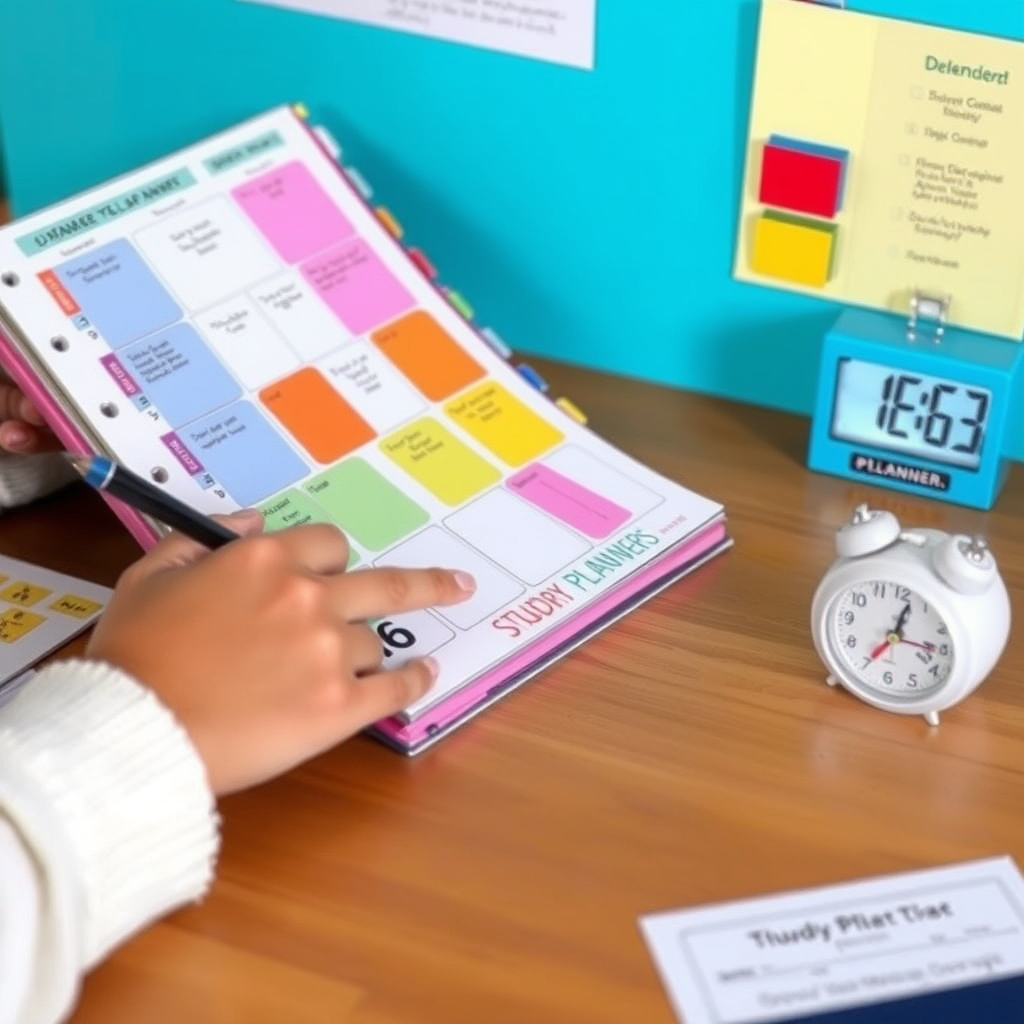
Breaking Study Sessions into Manageable Chunks
Long study hours can lead to fatigue and reduced focus. Break your study time into intervals of 25-50 minutes with short 5-10 minute breaks to refresh your mind. This technique, known as the Pomodoro Method, promotes sustained concentration and productivity.
Scheduling regular breaks also prevents burnout and helps maintain motivation. Use breaks to stretch, hydrate, or briefly switch tasks, but avoid engaging in stressful or distracting activities that might derail your rhythm.
- Pomodoro timers
- Setting strict start and end times
- Scheduled short breaks
- Adjust intervals based on personal focus span
Prioritizing Tasks with Lists and Goals
Create a daily or weekly list ranking tasks by importance or deadlines. Starting with tougher subjects or topics you find difficult when energy is highest improves learning efficiency.
Write clear, achievable goals for each session, such as completing a set of practice questions or summarizing a chapter. This builds momentum and provides a sense of accomplishment, reinforcing your study routine.
- To-do lists with priority labeling
- SMART goal setting for study targets
- Review progress at the end of each session
- Flexible task adjustments depending on progress
Using Active Learning to Study Better

Engaging with Material Through Summarization and Teaching
Instead of passively reading, summarize concepts in your own words or teach them to someone else, which reinforces understanding. Explaining ideas aloud or mentally builds connections and reveals gaps in knowledge.
This method helps move information from short-term memory to long-term retention by encouraging deeper cognitive processing rather than surface memorization.
- Writing summaries after studying
- Teaching concepts aloud or to peers
- Record and listen to your explanations
- Self-quizzing after summaries
For more on this, see our related guide: How to Choose the Best Test Preparation Tutor in Doral FL for Effective Results.
Utilizing Practice Tests and Flashcards
Testing your knowledge with practice questions or flashcards forces active recall, which strengthens memory. It also provides immediate feedback on weaknesses to focus on next.
Use spaced repetition systems to time reviews of flashcards efficiently, reviewing more difficult cards more frequently while spacing out easier ones for lasting retention.
- Practice exams from textbooks or online
- Flashcard apps with spaced repetition
- Active recall during reviews
- Analyze incorrect answers to guide study
Maintaining Motivation and Focus to Study Better

Setting Realistic and Rewarding Goals
Clear goals drive motivation, but they must be realistic to avoid frustration. Break big projects into smaller milestones and reward yourself for completing each, whether with breaks, treats, or leisure activities.
Tracking progress visually, such as with charts or checklists, encourages continuing effort and provides a sense of achievement that combats procrastination.
- Goal-setting apps or journals
- Reward systems for milestones
- Visual progress trackers
- Reflection on challenges and successes
Minimizing Digital Distractions
Devices offer both study tools and distractions. Use apps or built-in settings to block social media and notifications during study sessions to maintain focus.
Consider designated phone-free periods or using devices solely for study purposes. Awareness and boundaries reduce temptation and keep mental energy dedicated to learning.
- Focus mode or app blockers
- Airplane mode during study times
- Separate device for study only
- Physical distance from phone or tablet
Tailoring How to Study Better for Different Subjects

Effective Study Methods for Math and Sciences
STEM subjects often require practice solving problems, so active application rather than passive reading is key. Work through sample problems, focus on understanding underlying concepts, and review mistakes in detail.
Making formulas into flashcards and regularly revisiting them using spaced repetition helps commit essential information to memory. Group study can also aid with discussing complex ideas.
- Solving textbook problems regularly
- Flashcards for formulas and definitions
- Study groups for collaboration
- Analyzing errors in detail
For more on this, see our related guide: How to Get Effective Math Homework Help Fast and Easily.
Effective Study Methods for Humanities and Languages
For subjects requiring reading comprehension and essay writing, active note-taking and summarization improve understanding. Practice writing outlines or sample answers to essay prompts for better retention.
In language learning, combining reading, speaking, and writing exercises strengthens fluency; using flashcards for vocabulary aided by spaced repetition enhances recall.
- Summarize chapters and lecture notes
- Write practice essays or outlines
- Flashcards for vocabulary building
- Engage in speaking and listening practice
Incorporating Healthy Habits to Enhance Study Efficiency

Prioritizing Sleep and Nutrition
Quality sleep is fundamental for memory consolidation and cognitive function. Aim for 7-9 hours per night, especially before exams or intense study days.
Balanced nutrition supports brain energy levels. Foods rich in omega-3s, antioxidants, and protein improve focus and stamina during long study sessions.
- Regular sleep schedules
- Brain-healthy foods like nuts, fish, berries
- Avoiding heavy meals before study times
- Hydration through water intake
For further reading on effective study methods, consider the comprehensive overview available on study skills in this Wikipedia article. effective study strategies.
Incorporating Physical Activity and Stress Management
Physical exercise boosts blood flow to the brain and helps reduce stress, which can impair concentration. Even short walks or stretching breaks can improve mental clarity and mood.
Mindfulness practices like meditation or controlled breathing also help calm anxiety during high-pressure study periods, enhancing focus.
- Daily light to moderate exercise
- Stretch breaks during study sessions
- Meditation or breathing exercises
- Consistent relaxation routines
Comparison of Popular Study Techniques
Here’s a breakdown of key study techniques, highlighting strengths and best uses to help choose the most suitable method for your learning style.
| Technique | Best For | Strengths | Drawbacks |
|---|---|---|---|
| Pomodoro Method | Maintaining focus in study sessions | Improves concentration with breaks; easy to implement | May interrupt deep flow for some learners |
| Spaced Repetition | Long-term memory retention | Boosts recall by timing reviews | Requires consistent scheduling |
| Active Recall | Enhancing understanding and memory | Deepens learning through testing | Can be challenging without materials |
| Summarization | Comprehension of complex information | Helps process and rephrase material | Time-consuming |
| Group Study | Collaborative learning and discussion | Exposes to different perspectives | Potential for distraction |
Frequently Asked Questions
How long should my study sessions be for best focus?
Study sessions of 25 to 50 minutes with short breaks between help maintain optimal focus, as longer periods can cause mental fatigue and reduce effectiveness.
Is it better to study a little every day or in long blocks?
Short, regular study sessions spaced throughout the week improve retention better than infrequent, lengthy sessions, due to ongoing review and reduced overload.
How can I reduce distractions when studying at home?
Designate a specific, tidy study space, use app blockers or 'focus mode' on devices, inform others of your study times, and keep your phone out of immediate reach.
What’s the difference between passive and active studying?
Passive studying involves rereading or highlighting, while active studying engages you by testing knowledge, summarizing, teaching, or applying concepts, which deepens learning.
Can group study improve my learning results?
Group study can enhance understanding through discussion and different viewpoints but requires discipline to avoid off-topic distractions and ensure productivity.
Key Takeaways
- Set up a quiet, organized study environment to boost concentration.
- Use time management techniques like the Pomodoro Method for sustained focus.
- Practice active learning methods including summarization and active recall.
- Tailor your study strategies based on subject type and personal preferences.
Conclusion
Choosing how to study better involves identifying techniques that suit your learning style and goals. Prioritizing efficient use of time, active engagement with material, and healthy habits creates a sustainable routine that improves knowledge retention and reduces study-related stress. Regularly reviewing and adjusting methods based on results helps refine your approach over time.
For students tackling quantitative subjects like math or sciences, incorporating active problem-solving and spaced repetition is most beneficial. Humanities and language learners gain from extensive note-taking, summarization, and writing practice. Time management strategies like the Pomodoro Method universally help maintain focus across study types, while environmental and motivational adjustments support consistency.
Start by selecting a distraction-free area and organizing your materials today. Set short-term goals with rewards and commit to active learning cycles. Using these steps, improve your study habits gradually and deliberately. Over weeks, you'll notice more effective learning, better results, and increased confidence in your academic abilities.