How to Improve Grades: Practical Strategies for Academic Success
Improving grades is achievable by adopting focused study habits, managing time wisely, and seeking help when needed. Consistency and active engagement with coursework make a significant difference in academic results.
Grades matter because they reflect your understanding and mastery of subjects, impacting future opportunities. Enhancing your academic performance opens doors to scholarships, college admissions, and personal growth.
This article explores practical methods to improve grades, including organization, study techniques, managing distractions, and maintaining motivation, all geared toward helping you achieve better outcomes.
Organizing Your Study Environment

Creating a Dedicated Study Space
A consistent study location reduces distractions and prepares your mind to focus. Choose a quiet, well-lit area away from noise, with all necessary materials at hand.
Keeping this area tidy and free of unrelated electronics helps maintain concentration. This environment signals your brain that it’s time to engage academically.
- Quiet location
- Good lighting
- Comfortable seating
- Organized supplies
Minimizing Digital Distractions
Electronic devices can be major distractions if not managed. Using apps that block social media or putting devices on ‘Do Not Disturb’ during study boosts focus.
Timing online activities and breaks helps prevent frequent interruptions, allowing more efficient use of study sessions.
- Disable notifications
- Use focus timer apps
- Schedule specific break times
Effective Time Management Skills

Planning Study Sessions
Setting a regular schedule reduces procrastination and builds discipline. Use weekly planners or digital calendars to allocate time blocks to each subject.
Reviewing upcoming assignments and exams allows prioritization based on difficulty and deadlines, helping you stay on top of coursework.
- Create weekly study schedules
- Prioritize tasks by urgency
- Break study sessions into focused intervals
Balancing Study with Breaks
Taking short breaks during long study periods prevents burnout and maintains mental clarity. Techniques like the Pomodoro method use timed intervals to balance work and rest.
Physical activity or brief relaxation during breaks can rejuvenate focus and energy when returning to studies.
- Use 25-30 minute study cycles
- Take 5-minute breaks in between
- Engage in light stretches or breathing exercises
Active Learning Techniques to Improve Grades

Using Practice Tests and Quizzes
Testing yourself with practice questions helps reinforce knowledge and identify weak areas. It mimics exam conditions, boosting confidence and retention.
Reviewing errors thoroughly ensures you learn from mistakes rather than repeating them.
- Take timed quizzes
- Use past exam papers
- Focus on incorrect answers
For more on this, see our related guide: How to Get Effective Math Homework Help Fast and Easily.
Engaging in Group Study Sessions
Studying with peers offers different perspectives and explanations that can clarify complex concepts. Group discussions deepen understanding and highlight gaps.
Sharing notes and teaching others are powerful methods to reinforce your own grasp on the subject.
- Exchange notes regularly
- Discuss challenging topics
- Quiz each other
Improving Your Note-Taking and Review Habits
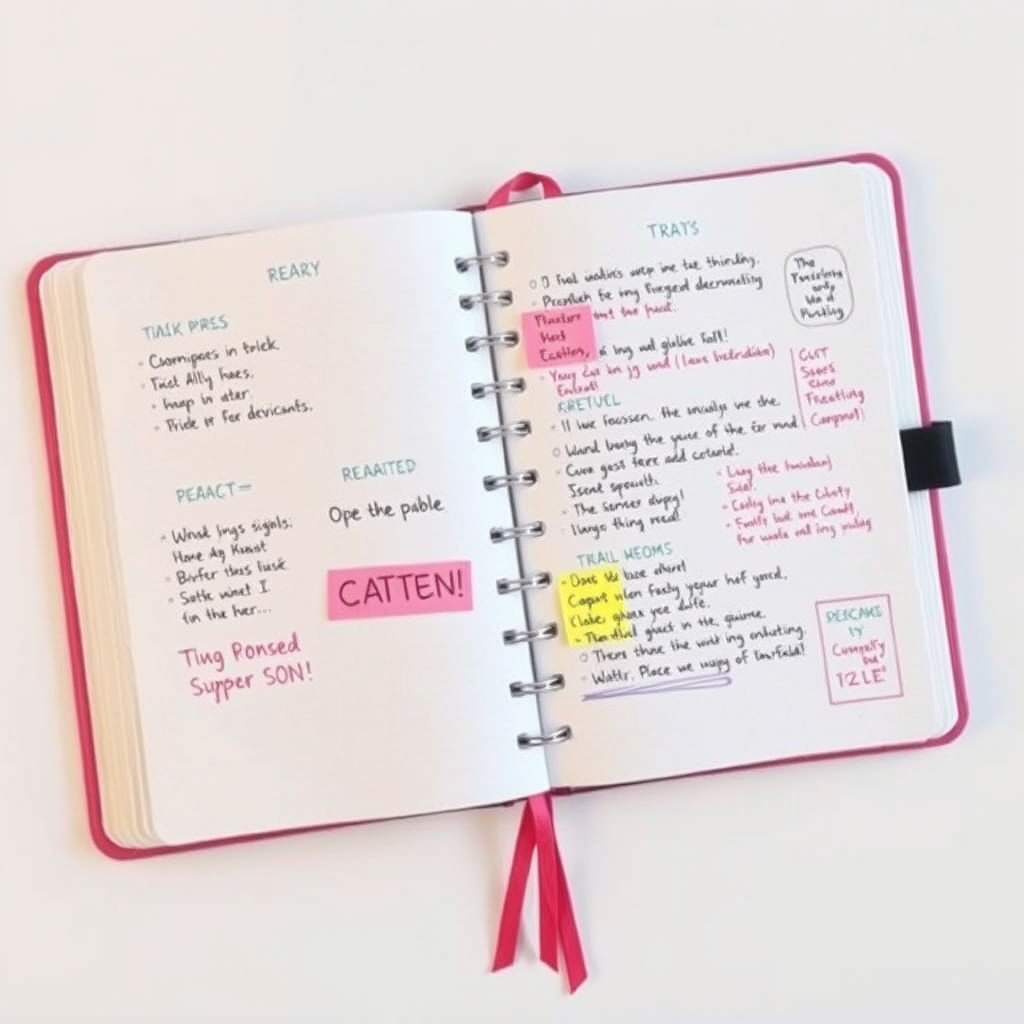
Adopting Effective Note-Taking Methods
Structured note-taking, such as the Cornell method, helps organize information logically. Using bullet points, headings, and summaries enhances clarity.
Highlighting key points and employing symbols aids quick recall during revision.
- Use headings and bullet points
- Summarize key ideas
- Incorporate symbols or abbreviations
Regularly Reviewing and Revising Notes
Consistent revision consolidates memory and prevents last-minute cramming. Reviewing notes daily or weekly leads to better retention over time.
Active reading techniques such as self-questioning and summarizing during review keep the brain engaged.
- Schedule periodic reviews
- Use active recall while reviewing
- Update notes with additional insights
Maintaining Motivation and Managing Stress

Setting Realistic Academic Goals
Clear, achievable goals provide direction and motivation. Break down large objectives into smaller milestones to track progress and celebrate successes.
Writing goals down and revisiting them keeps your focus aligned with your academic ambitions.
- Set SMART goals
- Track progress regularly
- Adjust goals as needed
For more on this, see our related guide: How to Choose a Tutor for Struggling Students: A Practical Guide.
Stress Management Techniques for Students
Managing stress through exercise, relaxation, or hobbies supports mental health and academic performance. Overwhelming stress can negatively affect concentration and memory.
Practicing mindfulness or seeking support from counselors helps maintain balance during challenging periods.
- Engage in physical activity
- Practice mindfulness or meditation
- Reach out for support if needed
Using Resources and Support Networks

Utilizing Teacher and Tutor Support
Seeking help from instructors clarifies doubts and deepens comprehension. Tutors provide personalized guidance tailored to your needs.
Don’t hesitate to ask questions and attend extra help sessions; proactive communication aids improvement.
- Attend office hours
- Schedule tutoring sessions
- Ask for feedback on assignments
For more on academic success, explore well-established study skills and their impact. academic success strategies.
Accessing Online Learning Tools
Various websites and apps offer free or paid materials that complement classroom learning. Interactive exercises, videos, and forums can reinforce concepts outside class time.
Using these resources adds variety to study routines and supports the secondary keyword 'study tips for better grades'.
- Use educational platforms like Khan Academy
- Participate in online quizzes
- Join study forums for peer support
Comparison of Study Methods for Improving Grades
Here is a comparison of popular study approaches highlighting their main benefits and best use cases to help you choose the right fit.
| Study Method | Strengths | Ideal for | Drawbacks |
|---|---|---|---|
| Solo Study | Maximizes individual focus and pacing | Students who prefer working alone | Can be isolating and less interactive |
| Group Study | Encourages discussion and peer support | Learners who benefit from collaboration | Risk of distraction if not well-managed |
| Tutoring | Personalized explanations and feedback | Students with specific weaknesses | Can be costly and time-bound |
| Online Resources | Flexible, varied content and formats | Self-motivated learners | Requires discipline to avoid distractions |
| Practice Testing | Boosts retention and identifies gaps | Students preparing for exams | Needs access to quality materials |
Frequently Asked Questions
How often should I study to improve my grades?
Consistent study sessions, ideally daily or several times a week, help reinforce learning better than infrequent, long sessions.
Are group study sessions more effective than studying alone?
Group study can benefit understanding through discussion, but solo study offers focus. Combining both often works best.
What are the best ways to avoid procrastination?
Setting clear goals, breaking tasks into small steps, and scheduling specific study times reduce procrastination.
Can using technology improve my study habits?
Yes, apps that organize tasks, provide quizzes, or block distractions can make study sessions more productive.
How do I handle stress during exam periods?
Balancing study with rest, exercising, and practicing relaxation techniques helps manage stress effectively during exams.
Key Takeaways
- Create a quiet and organized study environment to boost focus.
- Manage time using scheduled sessions and balanced breaks.
- Employ active learning techniques like practice tests and group study.
- Utilize support resources like tutors and online tools.
Conclusion
Improving grades revolves around disciplined habits, structured study, and using effective resources. By organizing your environment, managing your time, and actively engaging with material, you can consistently build stronger academic skills and results.
Specific strategies like incorporating practice tests and group study sessions address typical learning challenges. For instance, if you struggle to stay motivated, setting small achievable goals and accessing tutors can provide needed guidance. Meanwhile, online tools offer diverse content that complements traditional studying methods.
Taking the first step involves evaluating your current habits and gradually adopting these practical tips. Focus on building consistent routines and seeking help when needed. Over time, these efforts will translate into tangible improvements in your grades and overall learning experience.