How to Stop Making Mistakes in Math: Proven Strategies for Accuracy
Stopping mistakes in math starts with understanding where errors commonly occur and actively practicing techniques to reduce them. By developing habits like double-checking work, breaking problems into manageable steps, and adopting clear notation, you can significantly improve accuracy and confidence in your math skills.
Math mistakes can be frustrating and demotivating, but they often stem from simple issues such as rushing, misreading problems, or skipping steps. Improving math accuracy is important not just for school but for building a strong foundation in logical thinking and problem-solving that applies throughout life.
This article explores key reasons why math errors happen, practical strategies to avoid them, and how to develop a mindset that fosters careful and precise calculations. You’ll also find advice on common pitfalls, time management during tests, and tools that help catch mistakes before they become costly.
Understanding the Root Causes of Math Mistakes

Common Types of Errors in Math
Math errors often fall into categories like calculation slips, misunderstanding problem requirements, or improper application of formulas. Recognizing the specific type of mistake can help target improvement efforts effectively.
For instance, simple arithmetic mistakes are easy to fix by slowing down, while conceptual errors require revisiting foundational concepts. Identifying these error types improves your approach to problem-solving and reduces repeated mistakes.
- Calculation mistakes (e.g., addition or multiplication slip-ups)
- Misreading or missing key problem details
- Applying wrong formulas or procedures
Psychological and Environmental Factors
Stress, fatigue, and distractions can contribute heavily to making math mistakes. When you feel rushed or anxious, accuracy usually declines, making mental slips more likely.
Environment also plays a role—working in a quiet, organized space helps maintain focus. Understanding these factors allows you to manage both your mind and surroundings optimally for better math performance.
- Test anxiety causing rushed answers
- Fatigue leading to careless errors
- Noisy or cluttered workspace reducing concentration
Effective Techniques to Stop Making Mistakes in Math
Step-by-Step Problem Solving
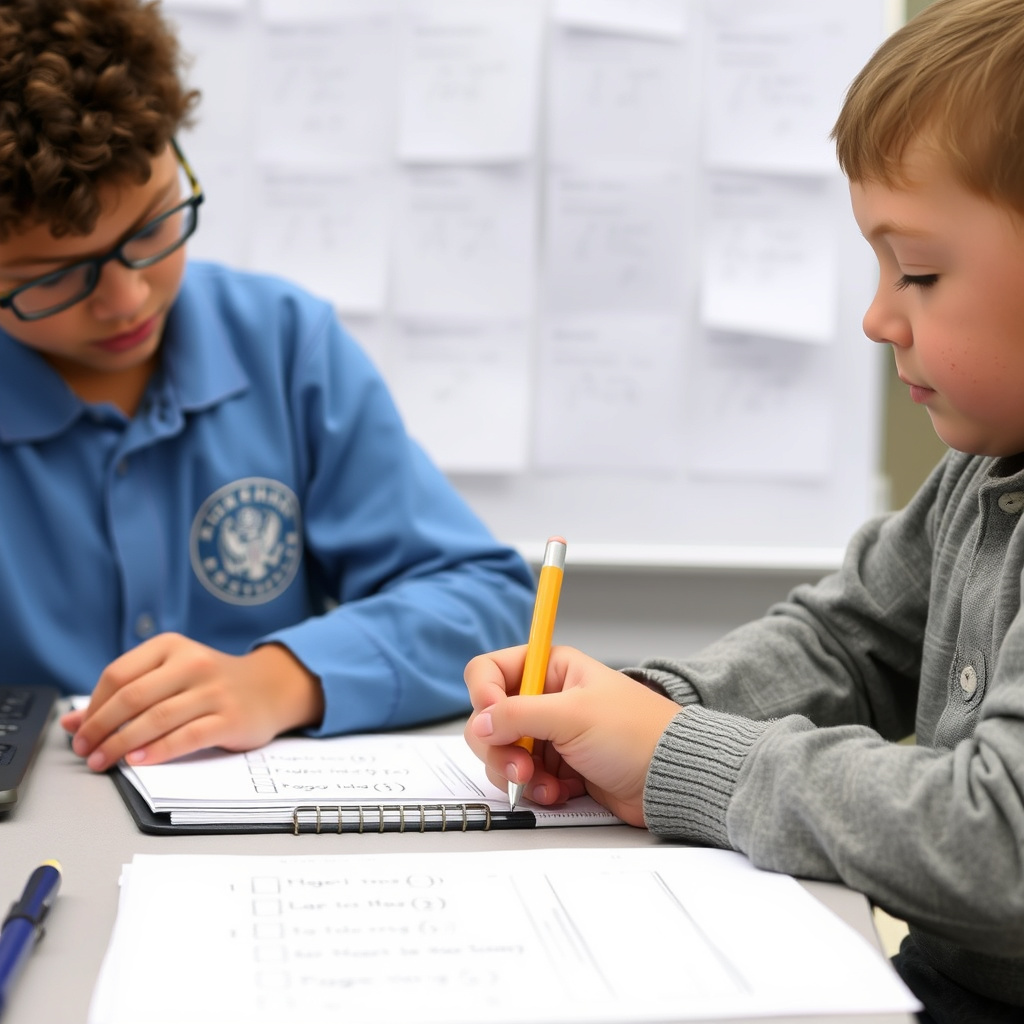
Breaking math problems into smaller steps reduces cognitive load and lessens the chance of missing details or mixing operations. Writing out each step explicitly also makes reviewing easier.
This technique promotes clarity in your work. If a mistake occurs, pinpointing the step where it happened becomes straightforward, enabling quicker correction and learning.
- Write out each calculation separately
- Avoid skipping steps even if they seem simple
- Use parentheses to clarify operation order
Double-Checking and Reviewing Work
Always reserve time to double-check answers after completing math problems, especially on tests. Review calculations, verify units, and confirm that the solution matches the problem’s requirements.
A second look often reveals minor slips that were overlooked initially. Teaching yourself this habit is one of the most reliable ways to improve math accuracy over time.
- Cross-verify solutions using alternative methods
- Read problems carefully before and after solving
- Check for consistent units and reasonable answers
Building Strong Math Foundations to Avoid Mistakes
Mastering Basic Math Skills
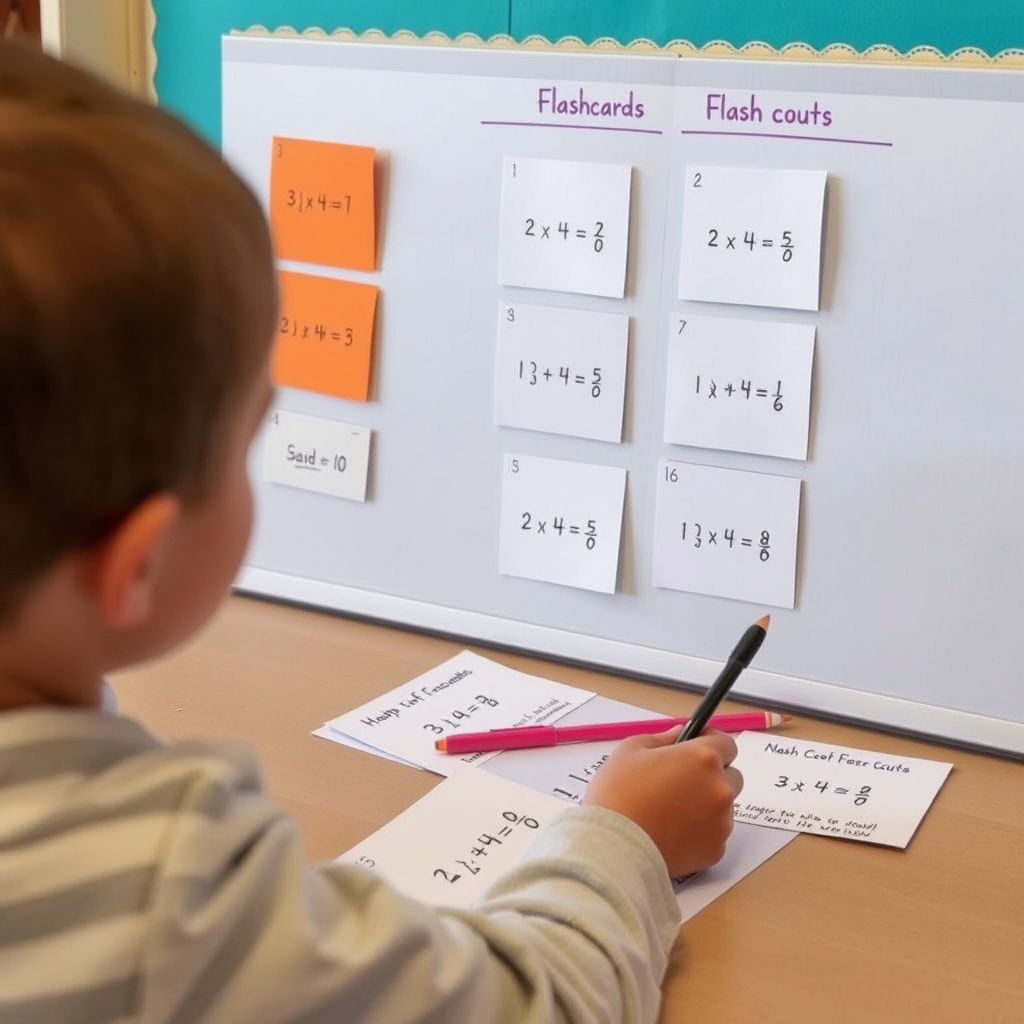
Foundation matters: struggling with addition, subtraction, multiplication, or division inevitably leads to compounding errors in more complex math. Regularly practicing core skills solidifies mental math and recall.
Fluency with these basics frees up brainpower for higher-level problem solving instead of focusing on simple calculations, which helps reduce mistakes born from distraction or slow processing.
- Practice times tables until recall is automatic
- Use drills for addition and subtraction accuracy
- Understand number properties and relationships
Conceptual Clarity over Memorization
True math accuracy demands understanding underlying concepts rather than rote memorization of formulas. When you grasp why formulas work, you notice when something doesn't fit, catching potential errors quickly.
Concept-focused learning encourages flexible thinking, allowing you to adapt and check work against fundamental principles, which inherently reduces careless mistakes.
- Visualize problems using diagrams or number lines
- Explain concepts aloud or to others
- Connect new ideas to known concepts
Managing Time and Pressure to Minimize Errors

Pacing Yourself During Tests
Rushing is a key cause of math errors during timed tests. Allocating time wisely and pacing yourself avoids incomplete or careless solutions.
Divide available time by the number of questions to set a reasonable pace. If stuck, mark the question, move on, then return with a fresh perspective to avoid pressure-induced mistakes.
- Set time limits per problem
- Use process of elimination for multiple-choice
- Stay aware of remaining test time
Stress Reduction Techniques
Anxiety affects concentration and logical thinking. Employing quick calming techniques before and during tests can lower stress, improving focus and reducing error rates.
Simple actions like deep breathing, positive self-talk, or visualizing success can help maintain a composed mindset conducive to accurate math problem-solving.
- Practice mindfulness or deep breathing
- Avoid negative thoughts about math performance
- Preview the test to build familiarity
Utilizing Tools and Resources to Catch and Prevent Mistakes
The Role of Calculators and Math Software
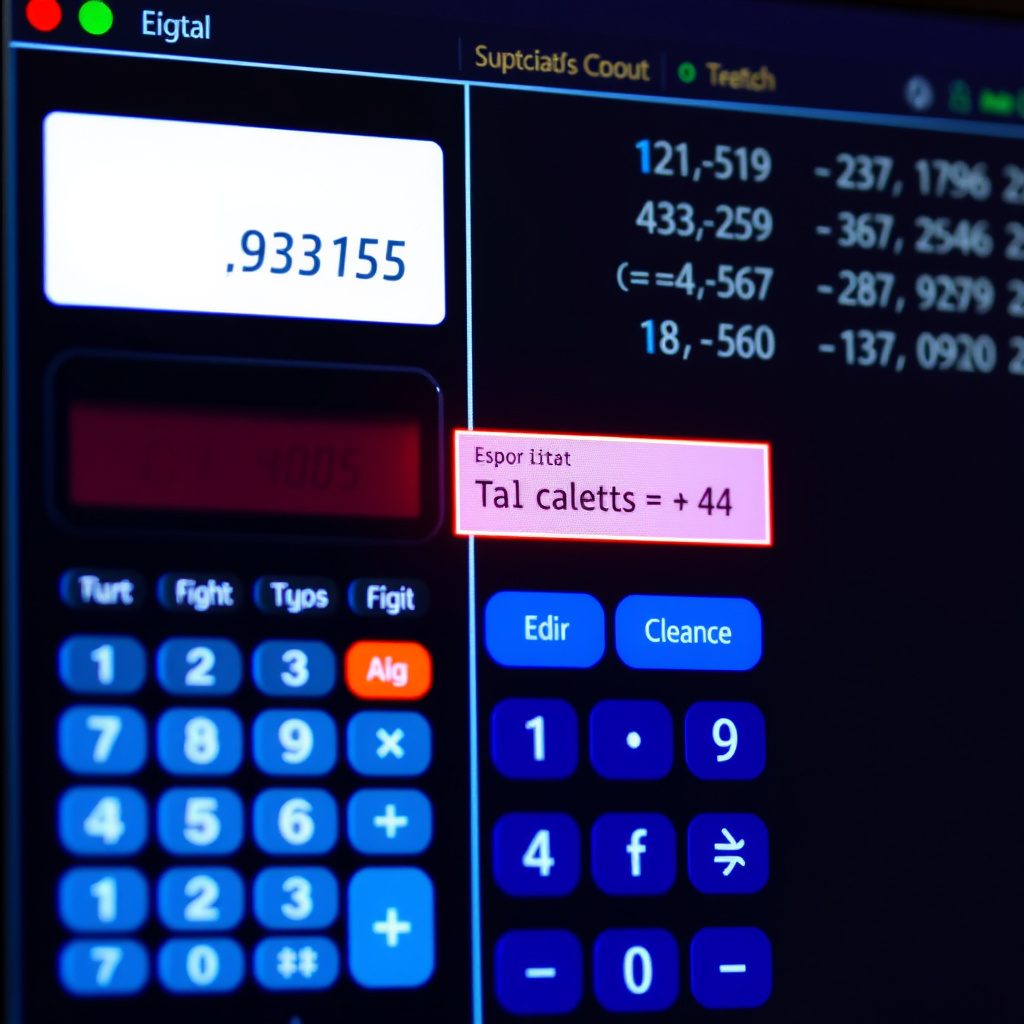
Calculators can reduce errors in arithmetic, allowing focus on problem logic. Similarly, math software helps visualize problems and verify steps, enhancing accuracy.
However, over-reliance on tools without understanding can mask errors. Use them as aids for checking rather than substitutes for foundational math skills.
- Use calculators for complex calculations carefully
- Employ apps for practice and instant error feedback
- Cross-check results with manual calculations occasionally
Seeking Help and Additional Practice
Sometimes errors persist due to gaps in understanding. Getting help from teachers, tutors, or online resources can clarify difficult concepts and reduce mistakes.
Regular practice with targeted exercises focusing on weak areas builds confidence and accuracy systematically.
- Join study groups or tutoring sessions
- Utilize online platforms for extra practice
- Ask for detailed feedback on errors
Mental Habits That Support Mistake-Free Math Work

Developing Patience and Attention to Detail
Mistake reduction stems from patience and deliberate focus. Slowing down and consciously attending to each step diminishes careless errors that occur from haste.
Mindfulness during problem solving trains you to catch inconsistencies early, leading to steady improvement in error rates over time.
- Practice focusing fully on one problem at a time
- Avoid multitasking while doing math work
- Repeat your reasoning aloud to reinforce attention
For more on understanding and analyzing math errors, the concept of math error analysis is a useful resource. math error analysis.
Embracing Mistakes as Learning Opportunities
Changing mindset about mistakes—from signs of failure to clues for improvement—encourages careful analysis of errors without fear or frustration.
This reduces stress and helps identify patterns of mistakes, making future prevention more effective through targeted practice.
- Keep an error log to track and review mistakes
- Reflect on why mistakes happened and how to fix them
- Celebrate progress when errors decrease
Comparison of Common Strategies to Reduce Math Mistakes
Here's a quick overview comparing popular methods used to minimize errors in math, focusing on effectiveness, ease of use, and best situations for each.
| Strategy | Effectiveness | Ease of Implementation | Best Use Scenario |
|---|---|---|---|
| Step-by-step Problem Solving | High | Moderate | Complex multi-step problems |
| Double-Checking Work | High | Easy | All math work and tests |
| Mastering Basics | Very High | Requires time | Foundational skill building |
| Pacing and Time Management | Moderate | Easy | Timed tests and exams |
| Using Calculators and Software | Moderate | Easy | Verification and complex calculations |
| Seeking Help and Practice | High | Variable | Chronic mistakes or conceptual gaps |
Frequently Asked Questions
How can I avoid careless mistakes in math tests?
Avoid rushing, read each question carefully, and reserve time at the end to review your answers. Staying calm and focused also minimizes simple errors.
Is practicing mental math helpful for reducing mistakes?
Yes, mental math improves number sense and quick recall, which lowers errors in calculations and builds overall confidence in math.
Can technology replace learning math fundamentals?
No, tools are great for support but understanding basics is essential for recognizing and preventing mistakes independently.
What should I do if I keep making the same mistake repeatedly?
Identify the root cause of the error by analyzing your work, seek help if needed, and focus practice on that specific concept until it improves.
Does stress really cause math mistakes?
Yes, stress affects concentration and memory function, increasing the likelihood of mistakes. Managing stress improves math accuracy.
Key Takeaways
- Breaking problems into steps reduces errors and clarifies thinking
- Double-checking work catches many common mistakes
- Strong foundational skills improve math accuracy across topics
- Managing time and stress helps maintain focus during tests
Conclusion
Deciding how to stop making mistakes in math involves a mix of awareness, practice, and strategy. Recognizing the types of errors you make and factors like rushing or distraction allows you to address those issues directly. Developing habits like step-by-step solving and careful review is a reliable way to increase accuracy steadily. Combining foundational skill building with time and stress management creates a well-rounded approach to reducing mistakes that benefits learners at all levels.
Different students may find some strategies more effective depending on their challenges. For example, those prone to careless slips benefit greatly from double-checking work and pacing during tests, while others struggling conceptually should focus on mastering basics and seeking thoughtful help. Using calculators and software as aids provides extra verification but should not replace understanding. Cultivating patience, attention, and a constructive mindset toward mistakes fosters consistent improvement in math performance.
The most practical next step is to identify which mistakes you most often make and try applying one or two methods featured here, such as systematic problem solving or stress-reduction techniques, during your next study session or test. Track your progress and adjust approaches as needed to build confidence and reduce errors effectively. Math accuracy is a skill that grows with focused effort—a gradual, steady approach will yield lasting benefits.